Hello, SoCooly readers! 🙋♀️ Have you ever opened Netflix and felt overwhelmed by the endless list of “Content You Might Like,” struggling to decide what to watch? Or perhaps spent hours scrolling through YouTube Shorts only to feel empty afterwards?
For the past few years, we have lived immersed in the extreme personalization delivered by Artificial Intelligence (AI) and sophisticated algorithms. It was convenient, as the algorithms saved us time by knowing and recommending what we liked. However, consumers are now beginning to feel fatigued by the confines of this algorithmic loop. Looking ahead to 2026, many experts predict that a powerful new consumer trend will emerge: the pursuit of genuine experiences and human connection, moving beyond the so-called ‘Algorithm Fatigue.’
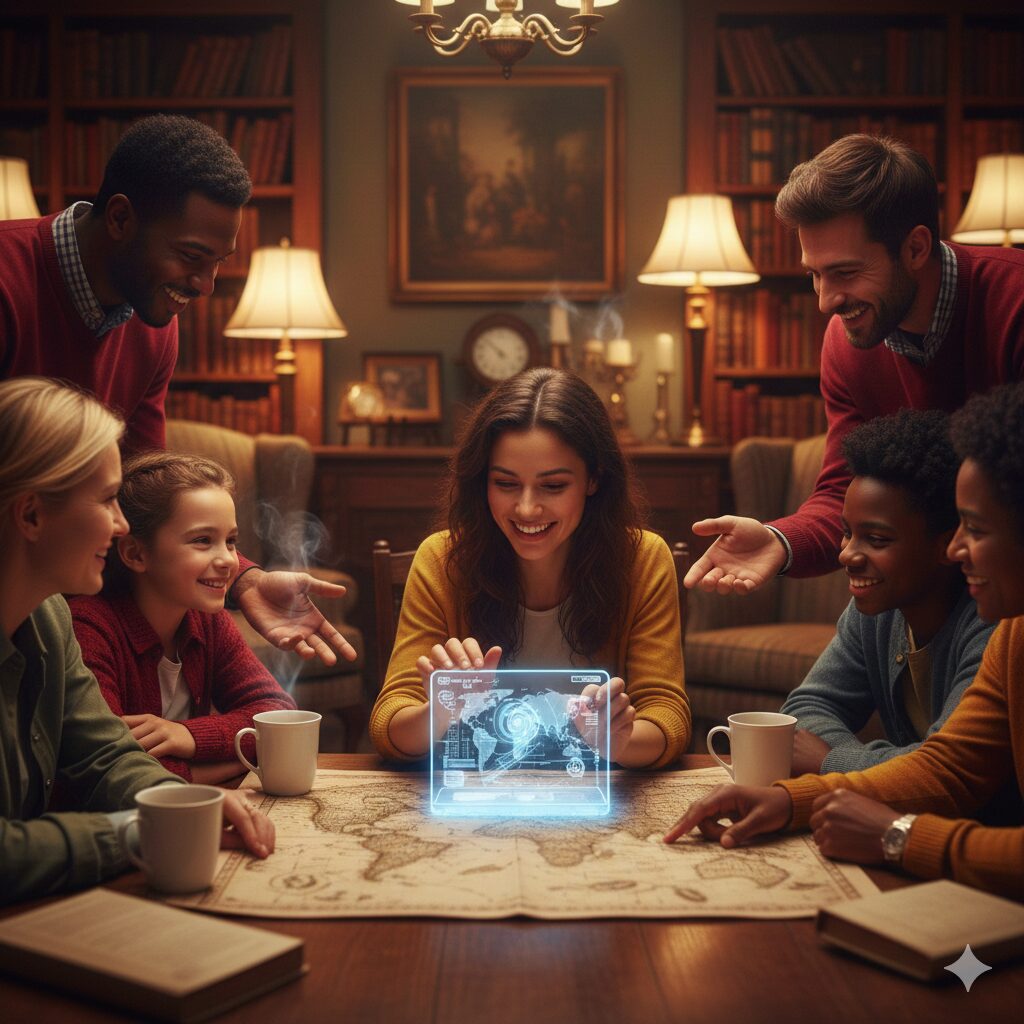
🔍 Why is the ‘Anti-Algorithm’ Phenomenon Emerging?
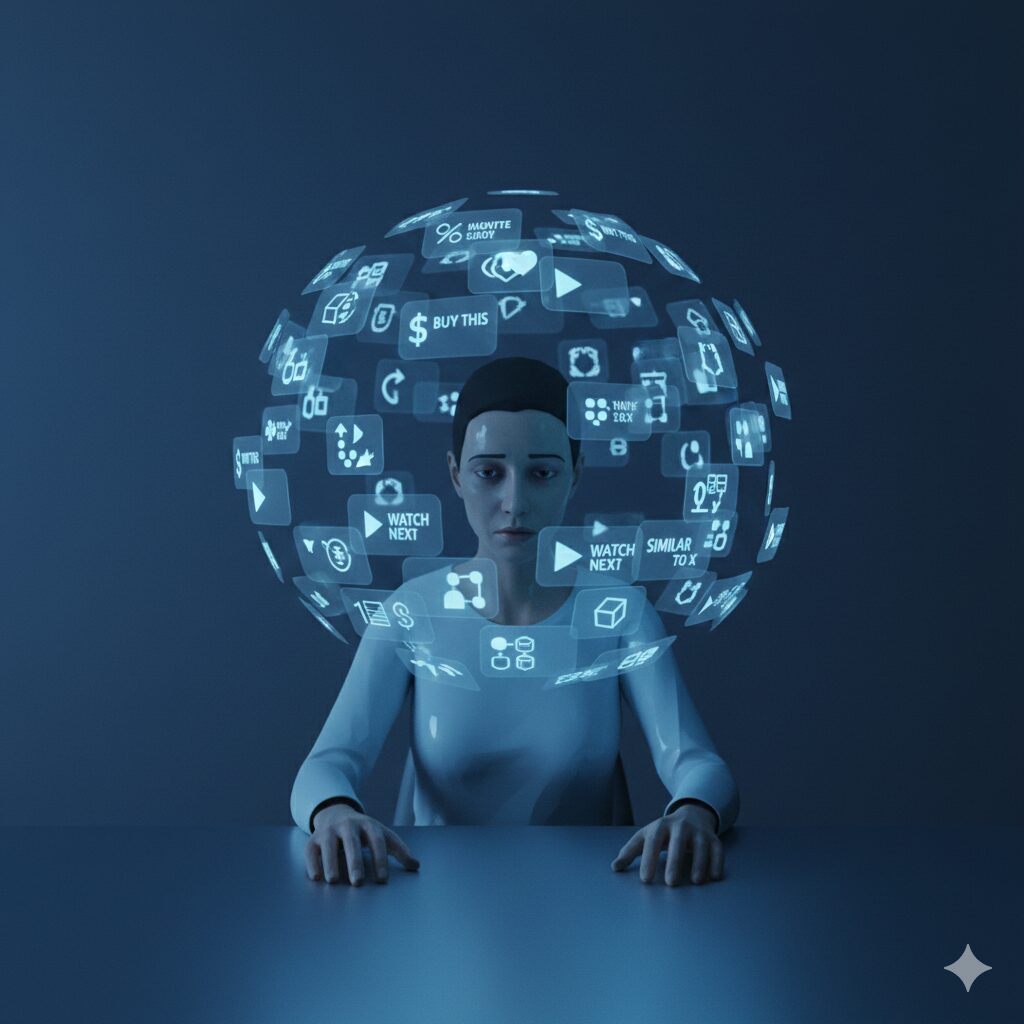
Algorithms fundamentally predict the future based on past data. This means that the content or products recommended by an algorithm are usually just extensions of what we already liked or already knew. While convenient at first, consumers gradually began to feel that their choices were being narrowed, and the spectrum of information the world presented was being constrained. This is the core of ‘Algorithm Fatigue.’
Consumers are now questioning three main aspects:
- Restriction of Choice: Is the algorithm limiting my freedom of choice?
- Lack of Novelty: The opportunity for ‘Serendipity’ (happy, accidental discovery) is disappearing.
- Emotional Deficiency: There is a lack of warm connection and emotional exchange in a purely efficiency-driven digital world.
As a reaction, the ‘Anti-Algorithm’ movement—the intentional refusal of algorithmic recommendations to proactively explore one’s own lifestyle—is expected to grow significantly by 2026.
💡 3 ‘Human Value’ Trends to Captivate Consumers in 2026
This ‘Anti-Algorithm’ sentiment is specifically manifesting in three major consumer trends.
1. The Value of Unpredictable ‘Random’ Experiences and ‘Proactive Discovery’
If a consumer likes A, the algorithm highly recommends B, which is similar to A. However, consumers are now actively seeking experiences where they “don’t even know what they will like,” embracing unpredictable, ‘random’ elements.
- Random Travel/Mystery Boxes: There is renewed interest in random travel packages with undisclosed destinations or mystery boxes with unknown contents. This is an act of purchasing ‘intentional inefficiency’ and ‘accidental joy’ over mere efficiency.
- Autonomous Knowledge Exploration: The act of self-discovery—visiting a library or bookstore and choosing a book based only on the cover or title, or exploring ‘unfamiliar fields’ in a hobby community—is becoming highly valued.
- Brand Implication: Brands must provide consumers with ample room for ‘choice.’ Instead of providing a single answer, the key is to design interactive experiences that present multiple options, allowing consumers to combine and discover things for themselves.

2. ‘Human Touch’ to Address the ‘Affection Deficit’ over Efficiency
During the pandemic, digital interaction skyrocketed, yet, ironically, people are yearning for the warmth and emotional exchange that comes from ‘real’ human connection. Experts sometimes refer to this as the ‘Affection Deficit.’
- Change in Retail: Services or stores where a ‘real person is assisting’ are valued higher than online shop ‘chatbots,’ even if they are slightly slower. Shopping is evolving from merely purchasing goods to becoming an ‘experience’ of talking and connecting with the seller.
- Community Resurgence: Beyond anonymous digital communities, the importance of offline, local gatherings, or specialized clubs that offer sincere, warm human connection is growing.
- Brand Implication: The ‘Human Touch’ element must be strengthened in the customer experience. Even when utilizing AI, the final interaction should feel warm and considerate, demonstrating human empathy to truly win over consumers.

3. The ‘New Young’ and the Expansion of ‘Flexible Life Timelines’
With increased life expectancy and prevalent health management, the middle-aged and senior demographic (50+) is leading a much more active and youthful lifestyle than in the past. They are sometimes called the ‘Extended Middle Age’ or ‘The New Young.’ These individuals, often overlooked by previous algorithms, are emerging as proactive consumers.
- ‘Youthful’ Consumption: They reject merely ‘senior-specific’ products and actively learn and consume new technologies and trends. For example, they readily engage in high-end hobbies popular among Gen Z (camping, golf, overseas travel) and show keen interest in trendy fashion and IT gadgets.
- Redefining ‘Retirement’: The traditional concept of ‘retirement’ is becoming blurred. This life stage is seen as the ‘Second Growth Period’ for starting new work, hobbies, or education. Consequently, the core demographic for lifelong learning and new experiences (hobbies, workations) is shifting towards this group.
- Brand Implication: Middle-aged and older consumers should no longer be viewed as passive. To satisfy their intellectual curiosity and proactive lifestyles, products and services should focus on delivering ‘new value’ and ‘growth experiences,’ rather than just simple functionality.

🧐 Implications: How Should Brands Use Algorithms?
The rise of the ‘Anti-Algorithm’ trend does not mean that the technology will disappear. Instead, brands must re-utilize algorithms as tools for ‘discovery’ and ‘connection,’ rather than just ‘efficiency.’
- Shifting Algorithm Role: The algorithm should transition from providing ‘the answer’ to serving as a ‘helper’ that stimulates a customer’s unexpected interests. (Example: “You enjoy camping, but the recent trend is ‘picnicking.’ Would you like to try a new experience?”)
- Authentic Storytelling: Storytelling that reveals the brand’s philosophy, the founder’s journey, and the ‘human effort’ behind product creation—elements that algorithms cannot replicate—will become crucial. Consumers will be drawn not to perfectly curated information, but to honest and heartfelt human narratives.
The 2026 consumer is no longer passively waiting for recommendations. They are ‘active explorers’ who seek to navigate the world through their own values and proactive choices. It is time for our society and businesses to reclaim the human warmth and connection beyond technological efficiency, ensuring that these consumers can find true satisfaction.
Why not turn off the algorithmic recommendations today and try an unexpectedly discovered new experience? The real trend might be waiting there! 😉
References (English)
- Mintel – The Future of Retail: 2026 Trends (URL: Mintel.com – general domain, specific report link unavailable)
- Harvard Business Review – The Affective Deficit (Search required for specific article)
- KOTRA Global Market News (URL: kotra.or.kr)