🌎 Global Trade’s Tectonic Shift: Why the EU’s Carbon Border Adjustment Mechanism (CBAM) Demands Attention
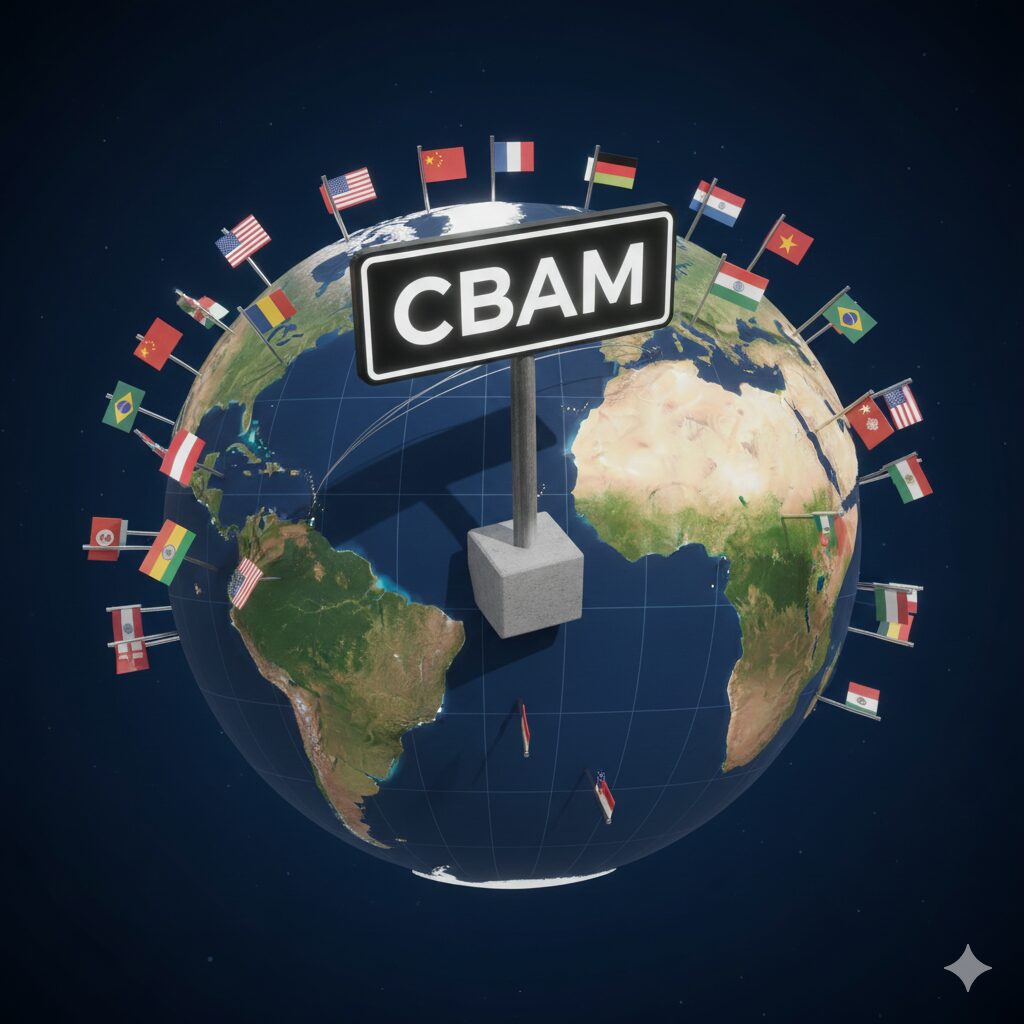
Hello, this is SoCooly! You may have recently encountered the term ‘CBAM’ in global economic news. While it might sound complicated, the ‘Carbon Border Adjustment Mechanism (CBAM)’ is not just a European issue; it has become a new, fundamental rule governing global trade, affecting businesses and economies worldwide, including ours.
Since the European Union (EU) is a critical trading partner for South Korea, the full implementation of CBAM necessitates that our exporting companies immediately devise survival strategies. Just as a wine novice must learn how to uncork a bottle, we need to carefully understand how to navigate this new trade barrier.
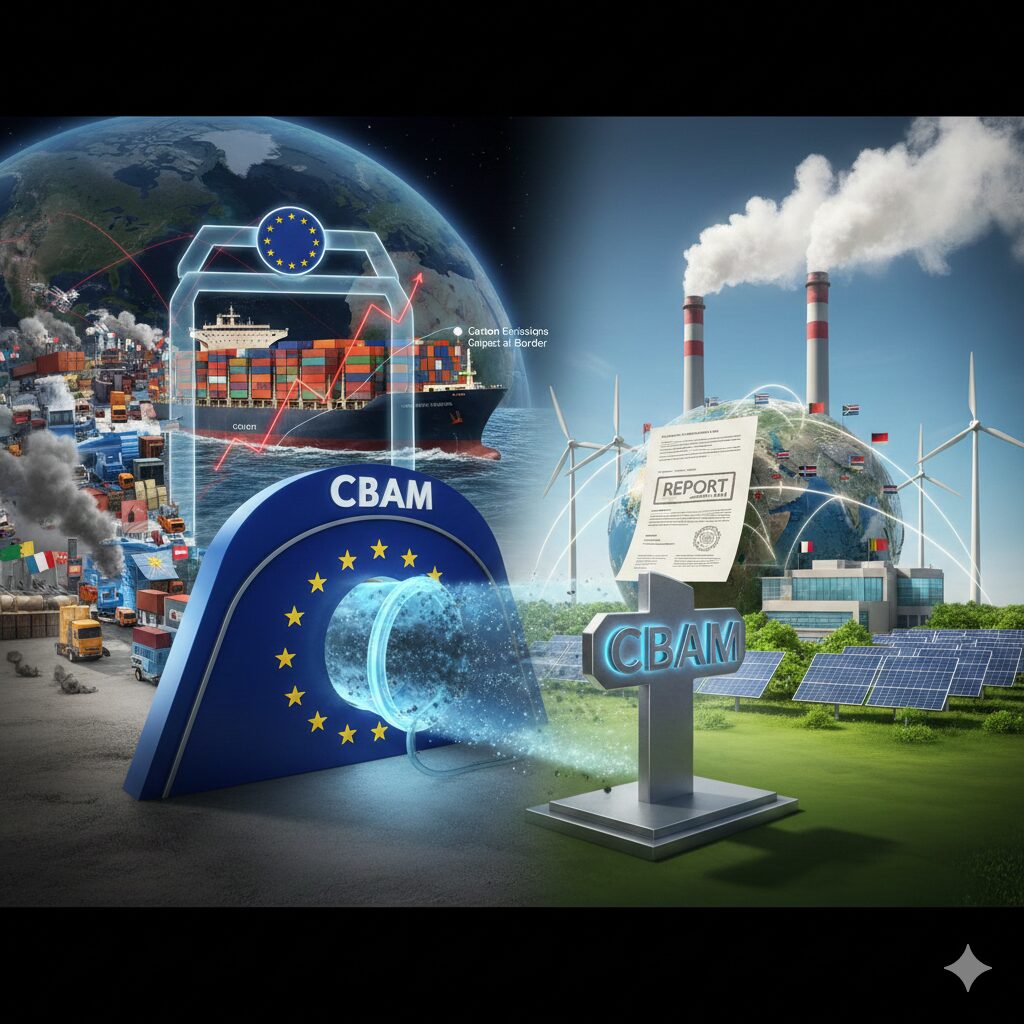
🧐 What Exactly is the Carbon Border Adjustment Mechanism? (Why & What)
CBAM (Carbon Border Adjustment Mechanism) literally means a ‘Carbon Border Adjustment Mechanism.’ In simple terms, it is a system that levies a charge (tax) on goods imported into the EU based on the excess carbon emissions generated during their production in their country of origin, compared to the cleaner production standards within the EU.
Why did the EU create this regulation?
- Achieving Climate Goals: The EU is imposing strict carbon emission regulations on its domestic companies to meet its 2050 climate neutrality goal.
- Preventing Carbon Leakage: A major concern is that stringent EU regulations might tempt EU companies to relocate their production to countries with weaker environmental rules—a phenomenon known as ‘carbon leakage.’ CBAM aims to prevent this leakage and, consequently, drive global efforts toward carbon reduction.
Essentially, CBAM is a measure designed to ensure that products imported from outside the EU compete under ‘equivalent conditions’ with products manufactured within the EU.
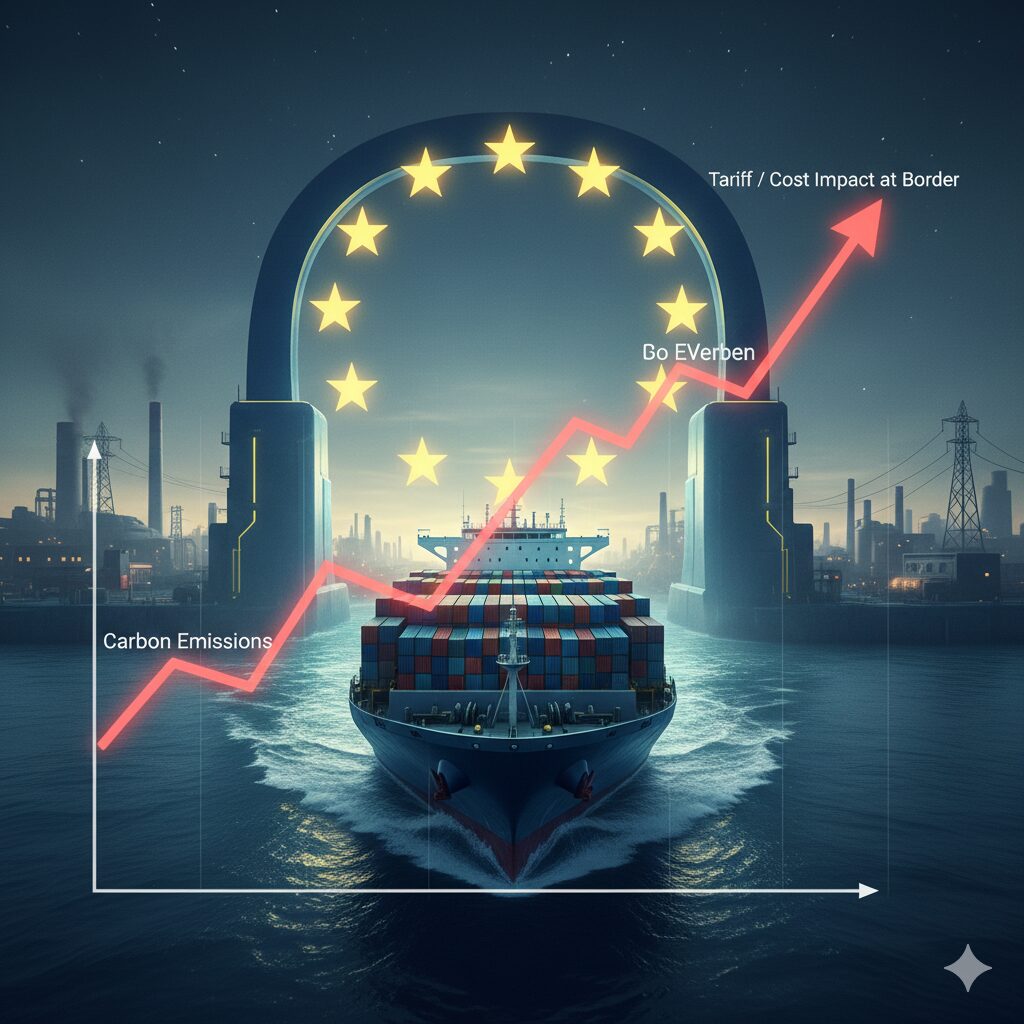
📝 CBAM: When Will It Be Enforced, and What Products Are Targeted? (When & Who)
CBAM has already commenced and is being introduced gradually for full implementation. Here is a summary of the key timeline based on the European Commission’s roadmap.
1. Transitional Period (Reporting Obligation): October 1, 2023 – End of 2025
- Key Content: No actual payments are required during this phase. However, EU importers are mandatorily required to report the amount of carbon emitted during the production of these goods on a quarterly basis. Failure to comply with this reporting obligation may result in penalties.
- Significance: This period serves as a ‘practice time’ for non-EU companies to understand the CBAM system, accurately measure carbon emission data, and establish the necessary reporting systems.
2. Full Implementation (Taxation Begins): Starting January 1, 2026
- Key Content: From this date, importers must purchase CBAM certificates based on the reported carbon emissions, effectively paying the tax. This means higher export costs for products with higher carbon footprints.
What are the Target Products?
The initial CBAM scope covers six specific sectors: iron and steel, cement, fertilizers, aluminum, electricity, and hydrogen. These sectors are known to have very high carbon emission levels during production. There is a high likelihood that the scope will eventually expand to include all products covered by the EU Emissions Trading System (ETS).
Terminology Note: Emissions Trading System (ETS)
A system where governments set a cap on total allowable carbon emissions for businesses, allowing them to buy and sell emission allowances within that limit. EU domestic companies are subject to this ETS regulation. CBAM seeks to impose similar costs on non-EU imports to ensure fair competition.
🚨 Risks and Impact on Korean Exporting Companies (How)
Given South Korea’s high reliance on manufacturing and heavy industries, and the EU being a major trading partner, CBAM is expected to have a substantial impact on our companies.
1. Weakened Export Competitiveness and Increased Costs
Companies exporting targeted products like steel and aluminum to the EU will incur additional ‘carbon costs’ starting in 2026. This will lead to an increase in product export prices, causing them to potentially lose price competitiveness against low-carbon products made within the EU or those from countries with weaker regulations.
2. Burden of Establishing Complex Reporting Systems
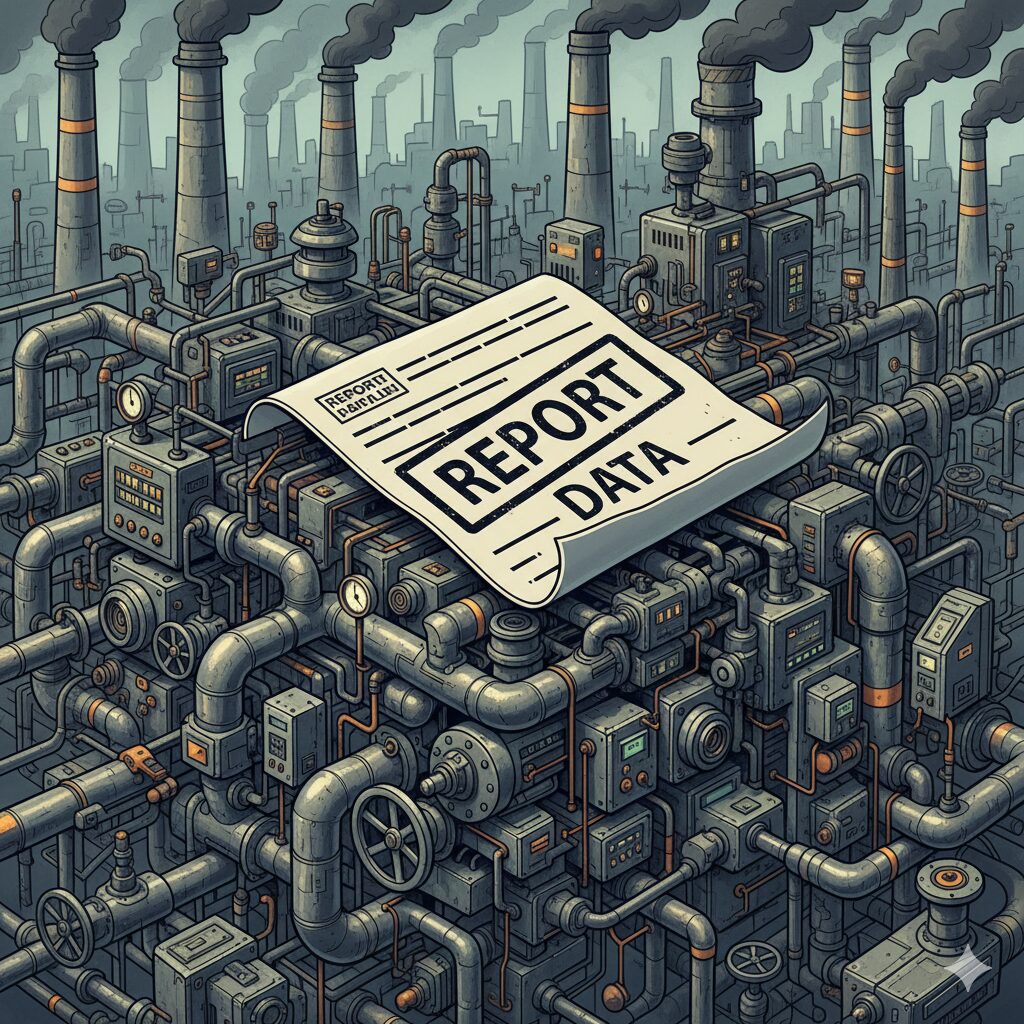
The carbon emission reporting obligation required during the transition period is challenging. Companies must accurately measure all emissions generated across the entire production lifecycle (Scope 1, 2, and 3) and establish a verification system compliant with EU standards. For Small and Medium-sized Enterprises (SMEs), implementing this reporting system can be a major hurdle due to a lack of resources and technical expertise.
3. Low-Carbon Pressure Across the Entire Supply Chain
For an EU importer to comply with CBAM, they will pressure not only the direct Korean exporter but also all suppliers providing raw materials to that exporter to adopt low-carbon production methods. This transforms CBAM into a massive force compelling the entire domestic supply chain to move toward ‘low-carbon’ practices, extending beyond just those exporting to the EU.
💡 Essential Survival Strategies for Korean Businesses
Korean companies should view CBAM not just as a regulation but as an opportunity to secure a competitive edge in the global market. Here are the core strategies that must be implemented now:
1. Proactive Implementation of ‘Carbon Emission Management Systems’
The immediate first step is accurately measuring the Carbon Footprint of the products a company manufactures.
- Adopt Life Cycle Assessment (LCA): Implement systems capable of measuring emissions at every stage—from raw material extraction and product manufacturing to distribution—and have them verified according to international standards.
- Automate Data Management: Establish an IT system that can accurately, transparently, and automatically collect, manage, and report data according to the EU’s required reporting standards.
2. Investment in Low-Carbon Production Technology and Process Conversion
Ultimately, the solution to CBAM lies in ‘reducing the emissions themselves.’
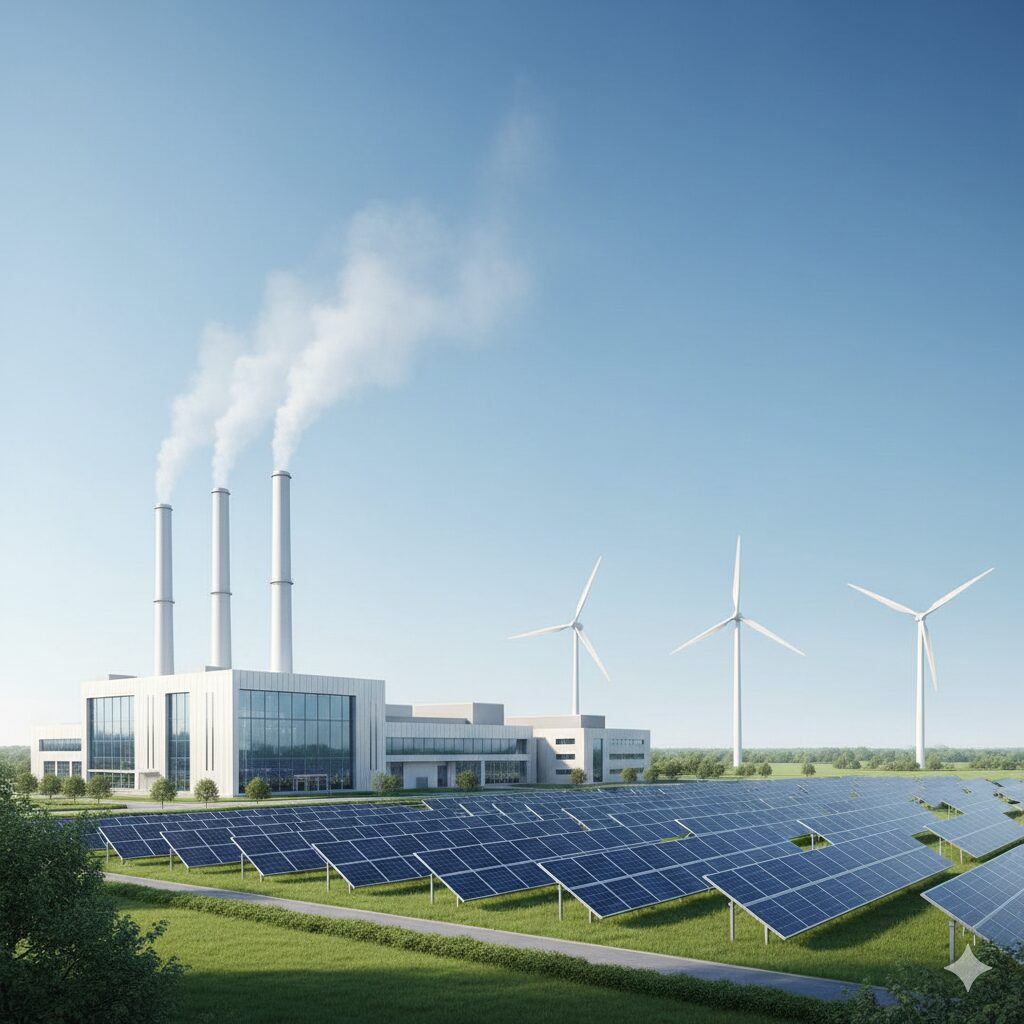
- Energy Transition: Companies must increase their reliance on renewable energy (solar, wind, etc.) instead of fossil fuels. Industries with high electricity consumption should consider joining the RE100 (100% renewable energy use) initiative.
- Process Efficiency and Innovation: Bold investment is needed to switch high-emission processes to low-carbon alternatives. For example, in the steel industry, technologies like ‘hydrogen-reduced ironmaking’ (using hydrogen instead of coal) become crucial.
3. Active Utilization of Government and Institutional Support Programs
It is difficult for companies to tackle CBAM alone. They must actively leverage support policies provided by the government and related institutions.
- Identify Government Support: Numerous domestic programs offer financial aid and tax benefits for facility investment in carbon reduction and the establishment of emission measurement systems. Companies must diligently seek out and utilize these resources.
- Review Carbon Offset Options: South Korea already manages emissions through the ‘Korea Emissions Trading Scheme (K-ETS).’ Costs paid under the domestic K-ETS may be offset against the EU CBAM taxation, so this aspect must be thoroughly reviewed.
📣 Conclusion: CBAM is an Inevitable Future
The Carbon Border Adjustment Mechanism (CBAM) is not a short-term regulation. It marks the beginning of a new trade order where the world prioritizes climate change mitigation and sustainable growth.
Businesses that hesitate or delay their response to this change risk becoming obsolete in the global marketplace. Conversely, companies that act proactively and invest in low-carbon innovation can use CBAM as a platform to establish new competitive advantages.
While CBAM is complex, it ultimately signals the imperative for all of us to participate in creating a cleaner, more sustainable planet. SoCooly wishes our companies success in navigating the waves of this change!
Reference Sites:
- European Commission CBAM Official Information (https://ec.europa.eu/taxation_customs/carbon-border-adjustment-mechanism_en)
- Korea Chamber of Commerce and Industry (https://www.korcham.net/)--) Resources and seminars on CBAM response for Korean companies.
- Ministry of Trade, Industry and Energy (https://www.motie.go.kr/)--) Domestic policies and resources on climate change and carbon neutrality.