If you’ve been browsing parenting forums, checking your social media feeds, or chatting in parent group texts lately, there is one keyword that seems to be everywhere in 2025: “Kid’s Albumin.” You’ve probably heard stories like, “My neighbor’s son grew so much after taking this,” or “It’s a miracle for kids who lack energy.” It has quickly become a must-have item for parents who are serious about their children’s health and development.
But as parents, we can’t just follow the crowd blindly when it comes to what our children consume. We need to know the “why” and the “how.” Today, I want to take a deep dive into what albumin actually is, whether it truly has a dramatic effect on growth, and what you should look out for before making a purchase. Let’s explore the world of pediatric nutrition together!

🍎 What Exactly is Albumin?
First off, the word ‘Albumin’ might sound a bit technical or clinical to some of you. Let me break it down simply. Our blood contains various proteins, and albumin is the most abundant one, making up about 50-60% of the total protein in our plasma. It is primarily produced in the liver.
Think of albumin as the “VIP Delivery Driver” of our body. It travels through the bloodstream, picking up essential nutrients like vitamins, hormones, and minerals (especially calcium) and delivering them exactly where they are needed. It also plays a crucial role in maintaining “osmotic pressure,” which keeps the fluid in our blood vessels from leaking out into other tissues.
So, why is this suddenly a “growth” keyword? It’s because albumin levels are one of the most reliable indicators of a person’s overall nutritional status. When nutrition is poor or liver function is sluggish, albumin levels drop, which can lead to swelling, fatigue, and a weakened immune system.
📈 Why is ‘Pediatric Albumin’ the Big Trend of 2025?
In the past, albumin was mostly associated with hospital settings—given via IV to patients recovering from surgery or those with chronic liver issues. However, by 2025, nutritional technology has advanced significantly. We now have safe, high-quality albumin supplements specifically formulated for children in easy-to-consume formats like liquids, jellies, or chewables.
The surge in interest this year is also tied to a broader shift in parenting. After years of focusing on external hygiene, parents are now looking inward at “foundational health.” Recent nutritional studies published in early 2025 have highlighted a strong correlation between optimal serum albumin levels and healthy bone density/muscle development in growing children. This has turned a medical term into a household name.

✨ Does Your Child Really Need an Albumin Supplement?
It’s important to note that not every child needs a supplement. If your child eats a perfectly balanced diet and is growing at a steady rate, they might be getting plenty of albumin naturally. However, if you find yourself nodding to any of the following, it might be worth considering:
- The “Picky Eater”: If your child refuses meat, eggs, or beans, their protein intake might be insufficient for optimal albumin synthesis.
- The “Frequent Flier” at the Doctor: If your child seems to catch every cold that goes around, their immune foundation (which relies on protein) might need a boost.
- The “Little Athlete”: Highly active children use up nutrients at a much faster rate. They need more “building blocks” to recover and grow.
- The “Slow Grower”: If you feel your child is falling behind the average growth curve, ensuring they have the right protein foundation is a logical first step.
💡 Quick Tip: Understanding “Osmotic Pressure”
- Osmotic Pressure: Think of it like a magnet that keeps water inside your blood vessels. When albumin is low, that magnet gets weak, and water leaks out, causing “edema” or swelling. Keeping albumin levels steady keeps the body’s fluid balance in check!
⚠️ Myths and Truths: Don’t Get Confused!
The biggest misconception is that “Albumin Injections (IVs)” are better. In a hospital, IV albumin is an emergency treatment for critical drops in blood levels. For a healthy, growing child, getting albumin through food or oral supplements is much safer and more effective for long-term health. Giving an IV to a healthy child can actually put unnecessary strain on their liver and kidneys.
Also, remember: Albumin is not a “magic height potion.” Think of it as “High-Quality Construction Material.” If you’re building a house (your child’s body), you need good bricks (protein/albumin) for the structure to be tall and strong. It supports the potential that is already there.
🛒 How to Choose the Right Albumin Supplement (Parent’s Checklist)
With so many products hitting the shelves in 2025, how do you pick the best one? Here are three things I always look for:
- First, Check the Source!Most kid-friendly albumin comes from egg whites (ovalbumin) or whey protein. Always check if your child has an allergy to eggs or dairy before starting.
- Second, Look for “Low Molecular Weight.”Proteins are large molecules. For kids with sensitive tummies, look for “hydrolyzed” or “low molecular weight” peptides. These are pre-broken down so the body can absorb them almost instantly.
- Third, Say No to Nasty Additives.Check for unnecessary artificial colors, high-fructose corn syrup, or synthetic flavors. In 2025, the best brands use natural fruit concentrates to make the supplements taste good.
🥣 Boosting Albumin Naturally: The Growth Diet
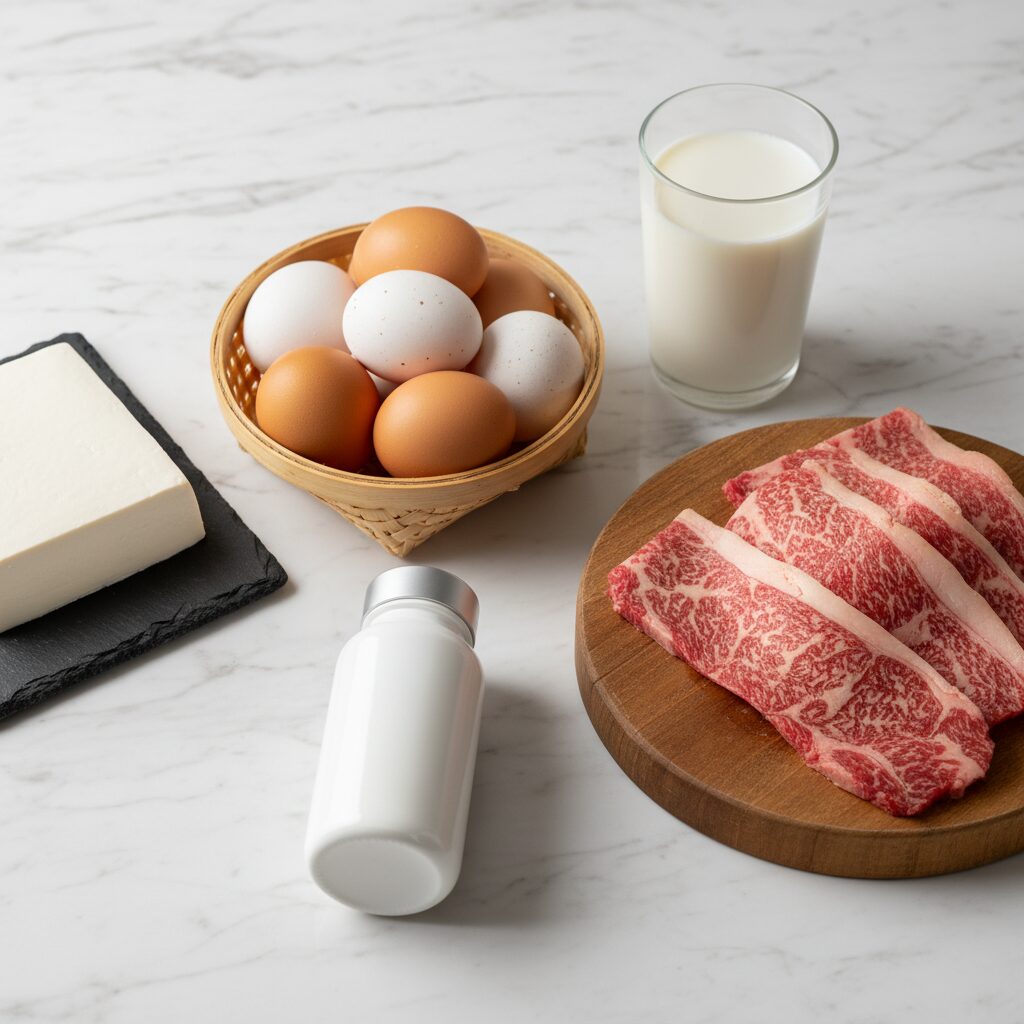
While supplements are convenient, the gold standard is always real food. Here are the top foods to boost your child’s albumin levels:
- Eggs (Specifically the Whites): The most direct source of albumin. One egg a day is like a natural multivitamin for growth.
- Tofu and Beans: Great plant-based proteins that are easy on the digestion.
- White Fish: High in protein, low in fat, and very easy for little bodies to process.
- Milk and Yogurt: Provides both the calcium for bones and the protein for albumin synthesis.

💡 A Final Thought from SoCooly
It’s completely natural to feel anxious when it seems like every other child is growing faster than yours. We want to give them every advantage possible. But please remember: supplements are just a “supplement” to a healthy life.
What your child needs most is balanced meals, plenty of deep sleep (where the real growing happens!), and your unconditional support. Think of albumin as a helping hand in your parenting journey. If you are ever seriously concerned about your child’s growth metrics, I always recommend a quick chat with your pediatrician—they are your best allies!
To all the parents out there doing their best in 2025, you’re doing a great job. Your love is the most important ingredient in your child’s growth.
🔗 Reliable Resources for Further Reading
- U.S. Food and Drug Administration (FDA): https://www.fda.gov – For safety guidelines on dietary supplements for children.
- National Institutes of Health (NIH) Office of Dietary Supplements: https://ods.od.nih.gov – Detailed fact sheets on protein and minerals.
- American Academy of Pediatrics (HealthyChildren.org): https://www.healthychildren.org – Expert advice on childhood nutrition and growth milestones.
👉 Related Posts
Do Our Kids Really Need Supplements? A Parent’s Guide to Choosing Essential Vitamins (A to Z)