Have you noticed what the hottest topic among parents worldwide is lately? In the past, we mostly worried about “What should I feed my child to make them grow taller?” or “Which preschool is best?” But as we move through 2025 and into 2026, the core keyword of modern parenting has shifted to something much more fundamental: ‘The Microbiome.’ It might sound like a complex scientific term at first, but it’s actually about the most intimate and influential friends our children have—the trillions of microbes living inside them that shape their lifelong health and even their personalities.
As parents, we’ve all had those moments where our little ones are inexplicably fussy or having trouble sleeping, leaving us exhausted and searching for answers online. We often wonder, “What is going on?” Interestingly, recent breakthrough studies suggest the answer might lie in the child’s ‘gut.’ Beyond just digestion, the gut is now widely recognized as the ‘second brain,’ playing a pivotal role in everything from immune defense to emotional regulation. Today, let’s dive deep into the fascinating world of microbiome parenting and how it can transform your child’s wellbeing.

What Exactly is the Microbiome?
To put it simply, the microbiome is a vast ecosystem of microscopic organisms living within our bodies. Our children actually carry more microbial cells than human cells! Most of these tiny residents live in the digestive tract.
Think of this as a ‘Little Inner Garden’ inside your child’s tummy. In this garden, there are beautiful flowers (beneficial bacteria) and occasionally some weeds (harmful bacteria). The essence of microbiome parenting is ensuring the soil and water are just right so the flowers can thrive. The more diverse and flourishing this garden is, the stronger your child’s immune system becomes, acting as a natural shield against viruses and infections.
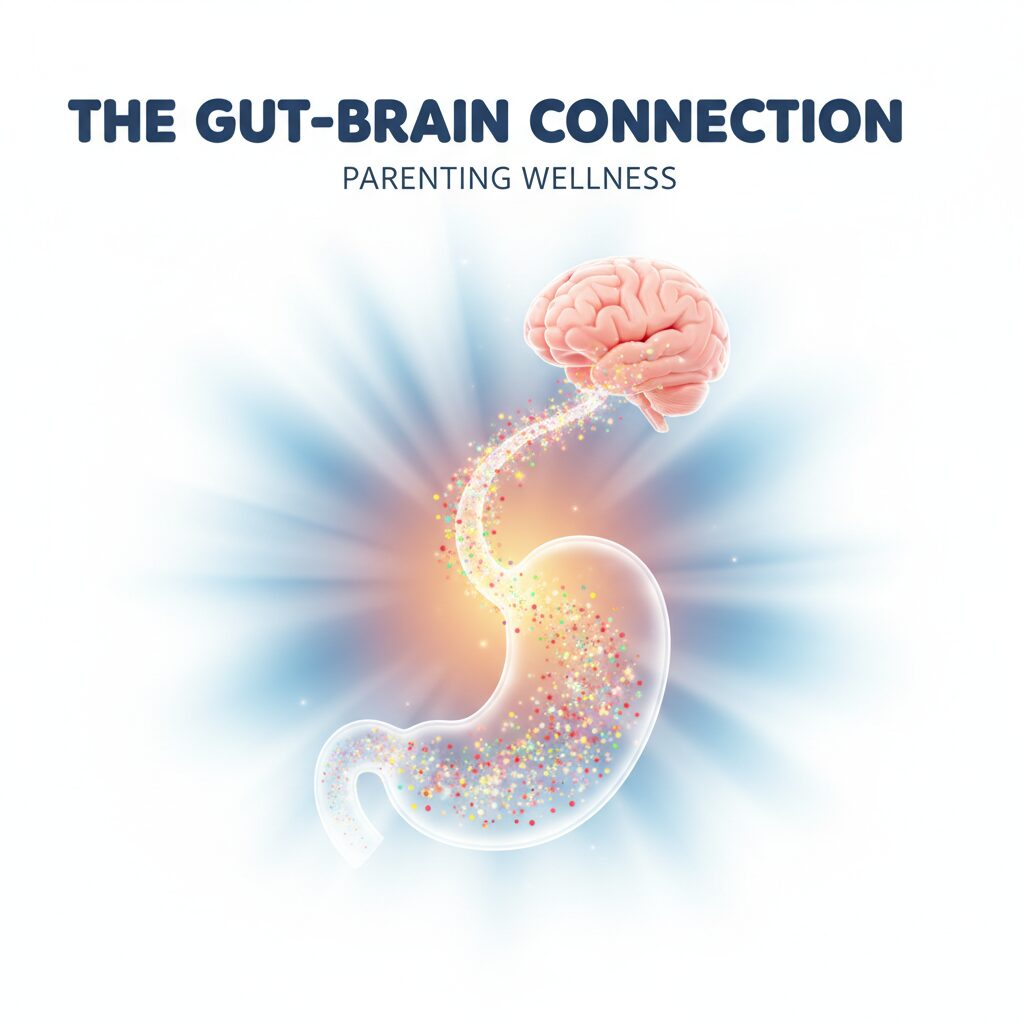
Can a Healthy Gut Lead to a Better Personality? The Gut-Brain Axis
One of the most mind-blowing concepts in modern pediatrics is the ‘Gut-Brain Axis.’ This is the constant, two-way communication line between the gut and the brain. Did you know that about 90% of serotonin—the ‘happy hormone’ that regulates mood—is actually produced in the gut, not the brain?
When a child’s gut microbes are healthy and active, they produce serotonin effectively, leading to emotional stability and a calmer temperament. On the flip side, an imbalanced gut can make a child more prone to irritability or lack of focus. Before we blame “the terrible twos” or a “difficult personality,” we should check if their inner garden is wilting. Recent studies even link microbiome health to developmental paths like Autism Spectrum Disorder (ASD) and ADHD, making this topic more vital than ever.
The Golden Window: When is the Microbiome Decided?
Experts point to the ‘First 1,000 Days’—from conception to a child’s second birthday—as the most critical window. This is when the microbial blueprint for your child’s entire life is established.
- The Gift of Birth: During a natural birth, as a baby passes through the birth canal, they receive a ‘microbiome shower’ from the mother. This is their first major dose of beneficial bacteria. If you had a C-section, don’t worry! You can still build a robust microbiome through breastfeeding and a carefully managed diet.
- The Power of Breast Milk: Breast milk contains Human Milk Oligosaccharides (HMOs). These aren’t for the baby to digest; they are specifically designed to feed the beneficial bacteria in the baby’s gut. It’s essentially a custom-made lunchbox for your child’s microbes.
- The Magic of Solid Foods: As babies start eating solids, their microbial diversity explodes. This is the perfect time to introduce a wide variety of nutrients to cultivate a rich ecosystem.
Practical Guide: How to Tend Your Child’s Inner Garden
Let’s move from theory to practice. Here are some actionable tips you can start using today to support your child’s microbiome.
1. A Little Dirt Won’t Hurt (The Hygiene Hypothesis)
In our quest to protect our kids, we often over-sanitize everything. However, the ‘Hygiene Hypothesis’ suggests that an overly sterile environment prevents the immune system from ‘training’ properly. Letting your child play in the dirt, interact with family pets, and explore nature helps increase microbial diversity. Washing hands is important, but your home doesn’t need to be a laboratory-grade cleanroom.

2. Aim for a ‘Rainbow’ on the Plate
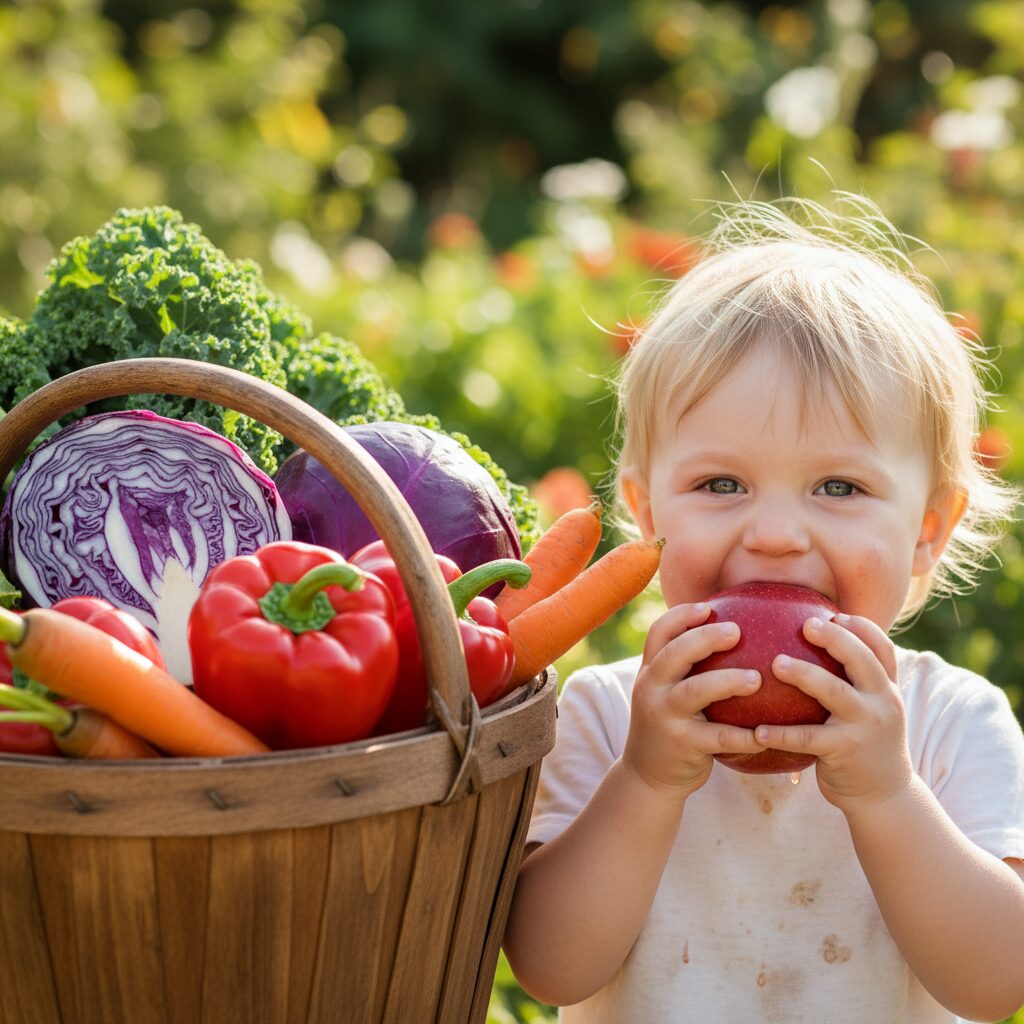
Microbes love fiber. They thrive on the complex carbohydrates found in vegetables, fruits, and whole grains. Instead of sticking to the same three veggies, try to offer a variety of colors—red bell peppers, green broccoli, purple eggplant, and orange carrots. The more colorful the plate, the more diverse the ‘garden’ becomes.
3. Limit Processed Sugars
Sugar and artificial additives found in processed snacks are the favorite food of harmful bacteria. Feeding them is like watering the weeds in your child’s garden. An overgrowth of these ‘bad’ microbes can lead to cravings for more junk food, creating a difficult cycle to break.
4. Choosing the Right Probiotics
Not all probiotics are created equal. When shopping for your little one:
- Focus on Strains, Not Just Numbers: Look for clinically proven strains like Lactobacillus or Bifidobacterium.
- Synbiotics are Better: Choose products that include ‘Prebiotics’ (the food for the bacteria). This is often called a ‘Synbiotic’ formula.
- Consistency is Key: Microbes don’t move in permanently overnight. They need a steady supply to make a lasting impact, so make it a daily habit.
Latest Research: Why This Matters More Than Ever
A global study published in late 2024 revealed that children with higher gut microbial diversity scored significantly higher in language development and social skills tests. This is because certain metabolites produced by gut bacteria help strengthen neural connections in the brain.
Furthermore, there is a growing global movement to be more cautious with antibiotics. While they are life-saving when necessary, antibiotics act like a ‘forest fire’ in the gut, wiping out the good bacteria along with the bad. If your child must take antibiotics, it is crucial to focus on gut recovery immediately afterward through fermented foods and quality probiotics.
A Heartfelt Note to All Parents
Raising a child in this information-heavy age can feel overwhelming. We often find ourselves second-guessing every choice. But the beauty of microbiome parenting is that it calls us back to basics: nature, real food, and messy play.
Perhaps the microbiome is teaching us that it’s okay to relax a little. It’s okay if they get some dirt on their knees or if their diet isn’t ‘perfect’ every single day. Within those messy, natural moments, your child is building the strength to face the world. Tonight, why not invite your child to help you prep some colorful veggies and tell them, “We’re going to feed the happy helpers in your tummy today!”

Key Takeaways to Remember
- Gut-Brain Connection: Your child’s mood might be a signal of their gut health.
- Embrace Diversity: Variety in diet and environment is the best medicine.
- The First 1,000 Days: Focus on building a strong foundation early on.
- Nature is Best: Let them explore the outdoors to boost their natural immunity.
Your journey to a healthier, happier child starts from within. Let’s tend to those inner gardens with love and care!
[Reliable Resources]
- World Health Organization (WHO) – Nutrition: https://www.who.int/health-topics/nutrition
- UNICEF – The First 1,000 Days: https://www.unicef.org/parenting/food-nutrition/early-childhood-nutrition
- Harvard Health – The Gut-Brain Connection: https://www.health.harvard.edu
Glossary:
- Microbiome: The community of microorganisms (such as bacteria, fungi, and viruses) that live in a particular environment, especially the human body.
- Gut-Brain Axis: The biochemical signaling that takes place between the gastrointestinal tract and the central nervous system.
- Prebiotics: Specialized plant fibers that act as food for good bacteria, stimulating their growth.
👉 Related Posts
Do Our Kids Really Need Supplements? A Parent’s Guide to Choosing Essential Vitamins (A to Z)