- The “Sibling-Mentor” model shifts the dynamic from parent-policing to peer-coaching, significantly reducing the emotional labor and friction associated with daily homework battles.
- Older children gain “expert power” and confidence, reinforcing their own foundational knowledge by teaching concepts back to their younger siblings.
- Success requires a structured approach: Define clear boundaries, set time limits, and ensure the parent remains the “consultant” rather than the “referee” to maintain healthy sibling relationships.
If you are a parent in your 30s or 40s, you probably know the specific, sinking feeling of 6:00 PM on a Tuesday. The dinner is half-finished, the laundry is calling, and your youngest child is stuck on a math problem that seems designed to break your spirit. The traditional model—where you hover over the table, trying to explain long division while your brain is still stuck on a work email—is often a recipe for tears, frustration, and resentment.
Enter the “Sibling-Mentor” model. Instead of you being the sole arbiter of homework success, you leverage the natural hierarchy of the family. By positioning your older child as a mentor to the younger one, you aren’t just offloading a chore; you are building a system that fosters independence, leadership, and a deeper bond between your children. Let’s look at how this works, why it works, and how to implement it without turning your living room into a battlefield.
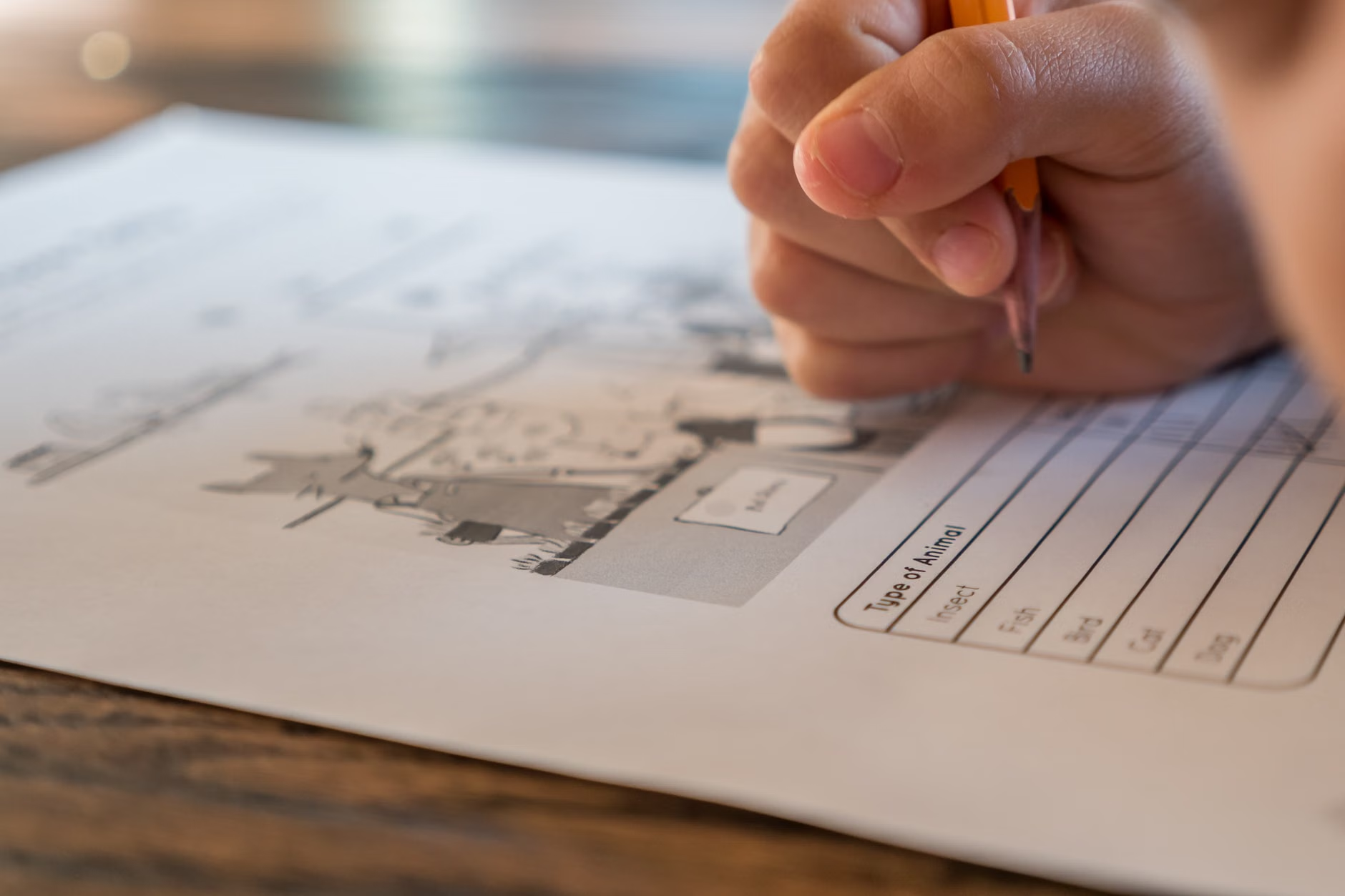
Understanding the Mechanics of the Sibling-Mentor Model
The sibling-mentor model is not about dumping your responsibilities onto your eldest. It is about scaffolding. In developmental psychology, scaffolding refers to the support given by a more knowledgeable person to a less knowledgeable one. When that support comes from a sibling, the power dynamic is softer and more relatable than the top-down authority of a parent.
When an older child explains a concept, they often use language that is closer to the younger child’s level of understanding. They haven’t forgotten what it was like to struggle with those exact concepts two or three years ago. For the younger child, the intimidation factor is significantly lower. “If my big brother can figure this out, maybe I can too,” is a much more powerful motivator than “If my mom can figure this out, I must be slow for not getting it.”
However, this model requires a shift in your role. You move from “Teacher/Enforcer” to “Project Manager.” Your job isn’t to solve the math problem; it’s to ensure the environment is conducive to work and to mediate if the “mentor” starts getting frustrated or impatient. This shift is vital because it protects your relationship with both children, keeping you as the “safe space” rather than the “homework police.”
Why This Approach Outperforms Solo Tutoring
Why should you bother changing your routine? The primary benefit is the “Protégé Effect.” Research in educational psychology consistently shows that when people teach others, they learn the material more deeply themselves. By explaining a concept to their younger sibling, your older child is forced to organize their thoughts, identify gaps in their own understanding, and articulate complex ideas clearly.
Beyond the academic benefits, the emotional dividends are high. In many households, time spent together is often marked by competition or play. Homework can become a shared “work” experience, which builds a unique type of camaraderie. It transforms the older child from a mere “roommate” into a partner in the family’s success.
Consider the trade-offs. The most common mistake parents make is forcing this dynamic on children who are naturally combative. If your children are currently in a “rivalry phase,” forcing them to work together will only lead to explosions. The sibling-mentor model works best when there is a baseline of mutual respect. If your children are constantly at each other’s throats, you might need to wait for a calmer developmental period before introducing this structure.

Step-by-Step Implementation: Building Your Home Study System
You cannot just announce, “Okay, you’re the teacher now,” and expect it to work. You need a structured framework to prevent the process from collapsing into chaos. Here is a step-by-step guide to setting up the sibling-mentor dynamic effectively.
Step 1: The “Expertise Assessment”
Before starting, talk to your older child privately. Do not frame it as “helping your brother because you have to.” Frame it as a leadership opportunity. Ask them, “I noticed you’re really good at fractions. Would you be willing to help your sister with hers for 15 minutes? It would really help me out, and I think you’d be a great teacher.” By seeking their buy-in, you treat them like a capable partner.
Step 2: Define the “Consultant” Rules
You must establish clear boundaries for what the mentor can and cannot do. A common mistake is letting the older sibling do the work for the younger one. Create a “Consultant Rulebook”:
| Action | Allowed? | Reasoning |
|---|---|---|
| Reading instructions aloud | Yes | Helps the younger child focus on the task. |
| Giving the answer | No | Prevents learning; leads to cheating. |
| Providing a hint/example | Yes | Promotes critical thinking. |
| Correcting tone/behavior | No | That is the parent’s job; prevents sibling resentment. |
Step 3: The “Parental Buffer” Zone
You need to remain present but physically removed. If you are sitting right next to them, the younger child will inevitably look to you for validation instead of the older sibling. Sit in the same room, perhaps at a different table or in a comfortable chair nearby, doing your own work. This provides a “safety net” if they get truly stuck, but it forces them to navigate the interaction on their own.
Step 4: The Debrief
After the session, thank the older child. Acknowledge the effort, not just the outcome. “I really liked how patient you were when explaining that multiplication trick.” This positive reinforcement is the fuel that keeps the model running long-term.
Addressing Common Hurdles and Edge Cases
Every family dynamic is different, and you will hit snags. Let’s look at how to handle the most common frustrations that arise when you step back from the homework table.
What if the Older Sibling Becomes a “Mini-Parent”?
This is a major risk. If the older sibling starts bossing the younger one around, they are mimicking the “authority” role they see you perform. If you notice this, step in immediately. Remind them: “Your job is to be a guide, not a boss. If you get frustrated, stop and come get me.” Do not let the older sibling discipline the younger one. That is your boundary to maintain.
What if the Younger Sibling Refuses to Listen?
This is often a sign of resistance to authority in general. If the younger child says, “You’re not my teacher, you can’t tell me what to do,” you need to step in as the parent. You can say, “They aren’t your teacher, they are your study partner. If you aren’t going to work with your partner, then you and I will have to sit together for the rest of the night.” This makes the sibling-mentor model a privilege rather than a chore.
What About Age Gaps?
If the gap is too small (e.g., one year), the “expert power” dynamic is weak. If the gap is too large (e.g., six years), the older sibling may have forgotten the specific curriculum or find it boring. This model works best with a 2- to 4-year age gap. If your children are outside this range, you may need to adjust your expectations. For very large gaps, the older sibling can act more as a “homework coach” who checks for completion rather than a subject-matter expert.
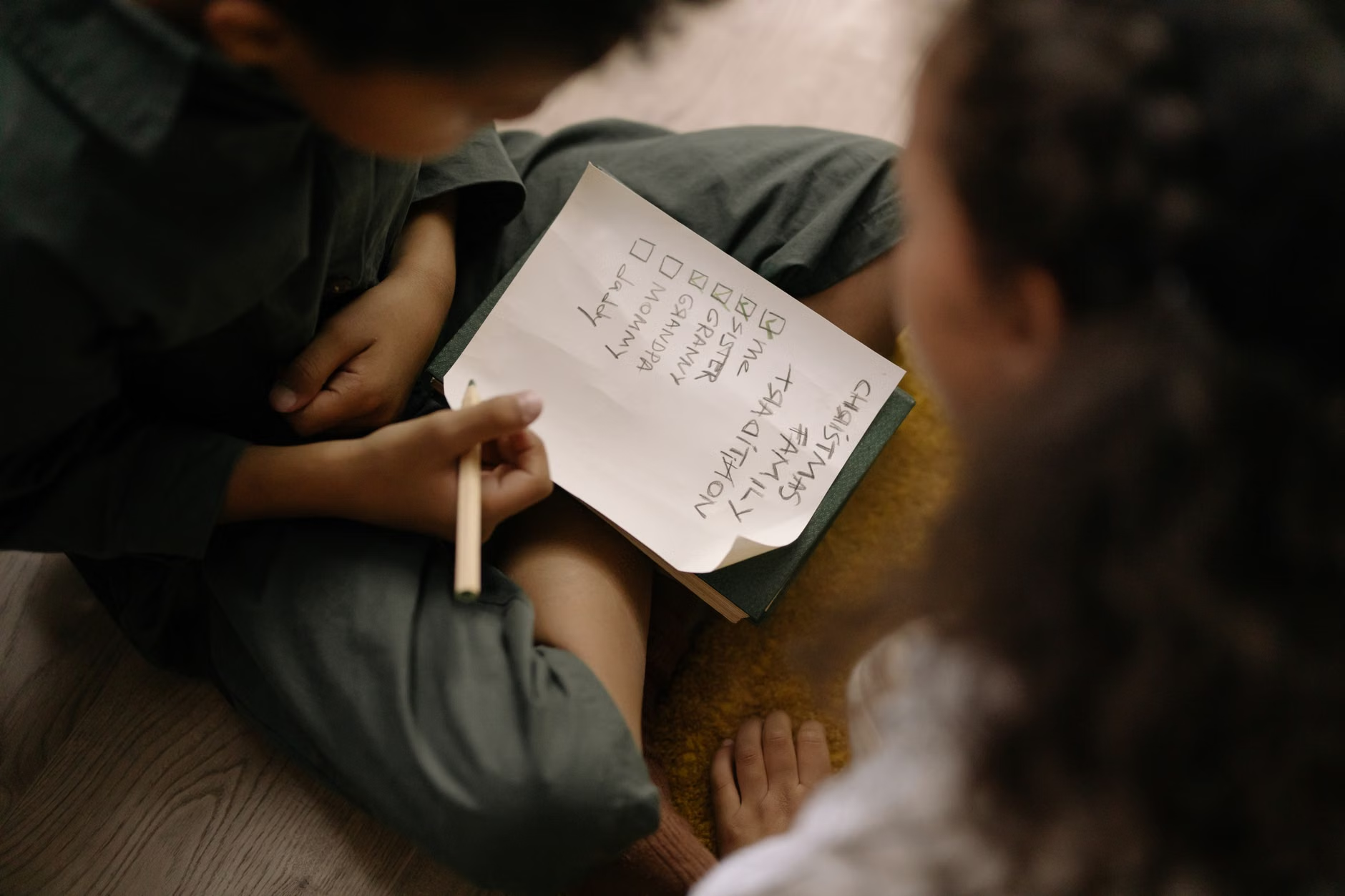
The Hidden Costs and Overlooked Variables
While the sibling-mentor model is powerful, it is not a “set it and forget it” solution. There are hidden variables that can make or break the system. One such variable is the Older Child’s Workload. If your older child has a heavy homework load of their own, asking them to mentor for an hour will lead to burnout. You must respect their time. If they have a big exam coming up, pause the mentorship for the week. The goal is to build a culture of helping, not to build a culture of resentment.
Another overlooked variable is the Learning Style Mismatch. Some children are visual learners, while others need verbal explanations. If your older child is a “do-it-your-way” learner and the younger one needs step-by-step guidance, they will clash. Observe their interaction style. If you notice they are fundamentally incompatible in how they process information, don’t force it. The sibling-mentor model is a tool, not a law.
Finally, consider the “Public vs. Private” dynamic. Some older children are embarrassed to be seen helping their younger siblings, especially if they are in middle school or early high school. If your teen is resistant, respect their social need for privacy. Do not force them to mentor in a way that makes them feel “uncool.” Keep the sessions private and emphasize the quiet, collaborative nature of the work.
Expert Insights: When to Step Back In
As a parent, your hardest job is knowing when to stay out of it. We are wired to jump in the moment we see a struggle. However, struggle is where the learning happens. If you see the older sibling struggling to explain a concept, resist the urge to jump in with the answer. Instead, ask a guiding question to both of them: “How could we break this problem down into smaller, easier steps?”
This keeps you in the role of the facilitator. By asking questions rather than giving answers, you are modeling the behavior you want the older sibling to adopt. You are essentially teaching the teacher.
Also, keep an eye on the emotional climate. If the session starts to feel like a “fight,” it’s time to call a timeout. The goal is to make homework a neutral or even positive experience, not a source of family conflict. If it becomes conflict-heavy, the model has failed. Don’t be afraid to scrap the system for a few weeks and try again later. Resilience and flexibility are the most important traits for a parent navigating these years.
Practical Next Steps for Your Family
If you are ready to try this, start small. Do not change the entire routine overnight. Pick one subject—perhaps one that is relatively low-stakes—and try the model for just 15 minutes a day.
Checklist for Success:
- Select the right time: Ensure both children are fed and rested. Never try this right after school when everyone is “hangry” and tired.
- Keep it short: 15–20 minutes is the sweet spot. Anything longer, and the “mentor” will lose interest and the “student” will lose focus.
- Provide the tools: Ensure they have scratch paper, calculators, and whatever else they need so they aren’t constantly getting up and down.
- Celebrate the win: Acknowledge the collaboration at dinner. “I saw you two working so well together today, that was great to see.”
By implementing these small, structured changes, you are doing more than just getting homework finished. You are teaching your children that they are part of a team. You are teaching them that knowledge is something to be shared, not just something to be tested. And, perhaps most importantly, you are giving yourself a little bit of breathing room to be a parent, rather than just a tutor.
Remember that every family is unique. There is no “perfect” way to handle homework. If the sibling-mentor model works for you, lean into it. If it doesn’t, that’s okay too. The most important thing is that you are actively looking for ways to reduce the friction in your daily life, creating a home environment that prioritizes connection over compliance.
Frequently Asked Questions
1. What is the ideal age gap for the sibling-mentor model?
The most effective age gap is between 2 and 4 years. This allows the older child to have enough foundational knowledge to teach, while still being close enough in age to understand the younger child’s perspective and learning style. If the gap is larger, the older child may be too disconnected from the younger child’s curriculum to be an effective mentor.
2. How do I prevent the older sibling from doing the work for the younger one?
Set strict boundaries from day one. Explain that the goal is for the younger child to learn, not for the homework to be “finished.” Use a “Consultant Rulebook” where you clearly list that giving answers is forbidden. If you catch them doing the work, interrupt the session and remind them of the rules. If it continues, pause the privilege of being the mentor for a few days.
3. Should I offer a reward or payment for the older sibling?
Avoid direct monetary payment, as this can turn a family responsibility into a transactional job. Instead, focus on “social rewards” such as choosing the movie for family night, extra screen time, or simply genuine, specific praise. You want to foster a culture of mutual support, not a system where helping is only done for a fee.
For further reading on child development and collaborative learning, you can visit the American Psychological Association’s resources on Parenting or explore the National Association for the Education of Young Children (NAEYC) for tips on supporting early academic development.