The rise of co-working spaces with integrated childcare is not just a trend for the tech-elite; it is a structural response to the “second shift” that millions of parents face every single day. If you are a parent balancing a demanding career with the unpredictable needs of a toddler, the traditional model of “home office” versus “daycare” is likely failing you. The new wave of hybrid workspaces aims to bridge this gap, offering a professional environment where your child is not an obstacle, but a neighbor in a nearby, supervised room.
- Proximity is Productivity: Having childcare on-site allows for “micro-breaks” where you can check in, reducing the cognitive load of separation anxiety for both parent and child.
- The Financial Trade-off: While these memberships are more expensive than standard co-working desks, they often consolidate the costs of commuting, separate daycare fees, and lost billable hours.
- Vetting is Critical: Unlike traditional daycare, these hubs often blur the lines between “babysitting” and “early education”—always verify the licensing, staff-to-child ratios, and safety protocols before signing up.
Do you remember the last time you tried to lead a Zoom call while your toddler decided it was the perfect moment to learn how to operate the blender? We have all been there. The “work from home” revolution promised freedom, but for many in their 30s and 40s, it actually delivered a form of 24/7 hyper-vigilance. You are never fully at work, and you are never fully “off” as a parent. This constant context-switching—jumping from a spreadsheet to a diaper change—is exhausting. It is this specific, modern exhaustion that has given rise to the “coworking-with-childcare” model.

The Evolution of the Workspace: Why Now?
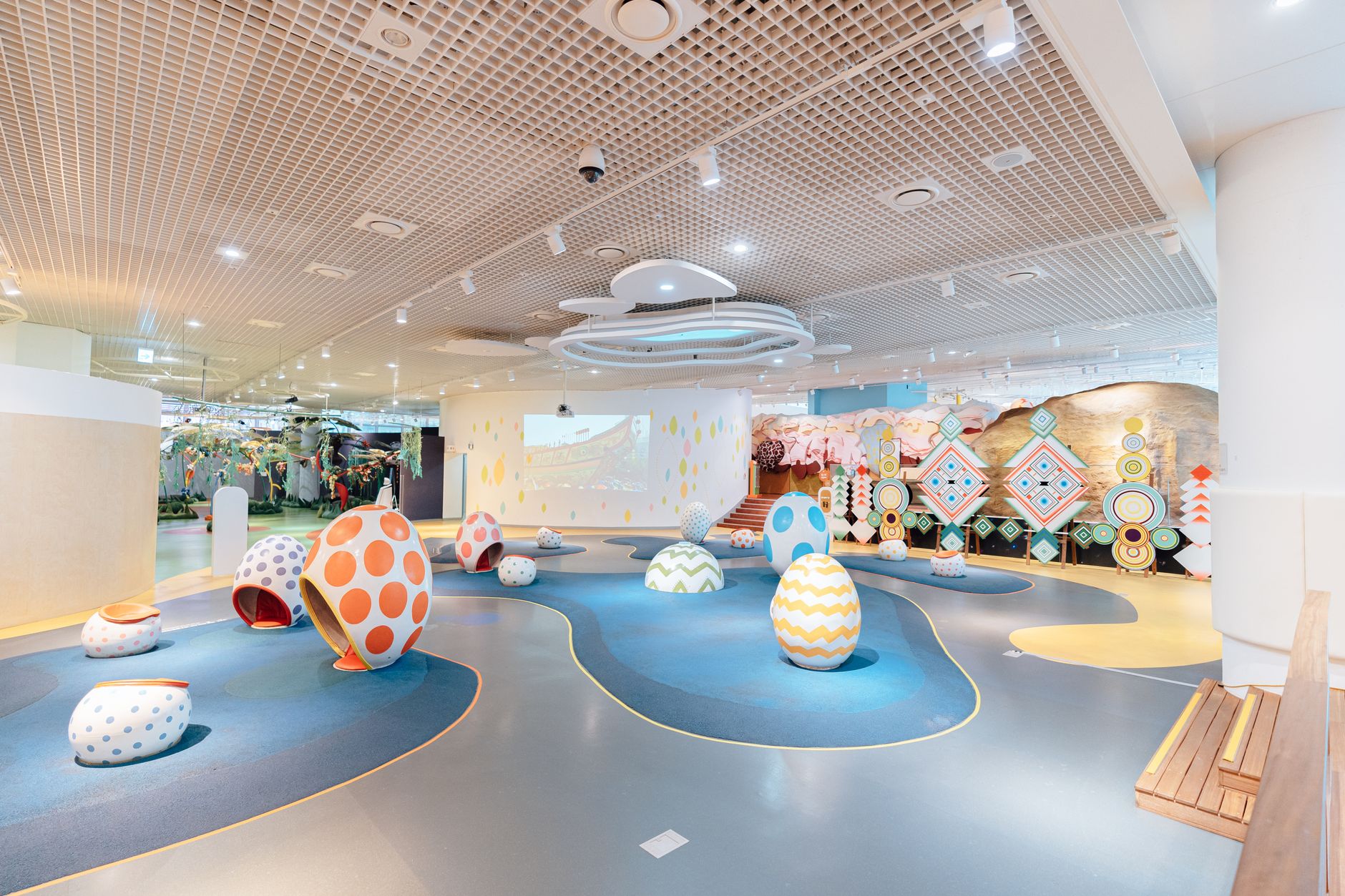
For decades, the physical office was a place of total separation. You left home, entered “work mode,” and returned home to “parent mode.” The pandemic shattered this binary. We discovered that we could work from anywhere, but we also discovered that working in the same room where your child is playing is a recipe for burnout. Enter the hybrid hub. These spaces aren’t just offices with a playpen in the corner. They are professionally managed facilities designed to provide quiet, high-focus zones for adults and engaging, safe, and developmentally appropriate environments for children.
The demographic driving this demand is clear. Millennials and older Gen Z parents are currently navigating the peak of their careers while managing the most labor-intensive years of child-rearing. According to recent workforce studies, the biggest barrier to returning to the office isn’t just the commute; it’s the lack of reliable, flexible, and high-quality childcare. When a company or a co-working space offers a solution that treats childcare as a professional necessity rather than a “perk,” it changes the entire equation.
How to Evaluate a Hybrid Hub
Not all co-working spaces with childcare are created equal. Before you commit to a monthly membership, you need to look past the aesthetic of the “cool, modern office” and inspect the bones of the operation. Here is a breakdown of what you should be looking for in a professional environment that claims to handle your child’s care.
| Feature | Standard Co-working | Co-working + Childcare |
|---|---|---|
| Focus Zones | Open plan/Hot desks | Sound-proofed pods/Dedicated quiet areas |
| Childcare Model | N/A | Licensed staff or cooperative care |
| Cost Structure | Monthly subscription | Tiered membership + hourly care fees |
| Flexibility | On-demand | Often requires advanced booking |
Staffing and Licensing: The Non-Negotiables
The most important factor is the legal status of the childcare component. Are the staff background-checked, CPR-certified, and experienced in early childhood education? A common trap is assuming that because a space looks “clean and nice,” it is safe. Always ask for the local licensing documentation. If a space claims to be a “drop-in play area” rather than a “daycare,” understand that this may mean they are not regulated by the same strict safety standards as a state-licensed facility. This is a critical distinction that can affect everything from insurance coverage to the quality of the care provided.
The “Proximity Tax”: Managing Expectations
One of the biggest psychological hurdles for parents using these spaces is the “proximity tax.” If you are working ten feet away from your child, you will be tempted to check on them constantly. While some parents find this comforting, others find it counterproductive. If you find yourself leaving your desk every 20 minutes, you aren’t actually working. The goal of these spaces is to provide a “buffer zone.” You want to be close enough to nurse or have lunch with your child, but far enough away that you can enter a “flow state” for your professional tasks. If the space doesn’t have a clear sound barrier or separation between the workspace and the play area, you might find it noisier and more distracting than your home office.

The Financial and Practical Reality
Let’s talk numbers. These spaces are almost universally more expensive than your average WeWork-style office. You are paying a premium for the convenience of having your child in the building. For many, this is a trade-off. You might be paying $800 to $1,500 a month for a membership, but if that saves you the cost of a full-time nanny, the stress of a morning commute to daycare, and the lost hours of productivity, the math starts to make sense. However, you must calculate the “hidden” costs.
Hidden Costs to Consider:
- Registration Fees: Many of these hubs charge a one-time onboarding fee for your child’s medical and emergency records.
- Hourly Caps: Some memberships only include 10 hours of care per week; additional hours can become prohibitively expensive.
- Sick Policies: Just like traditional daycare, if your child is sick, they cannot attend. If you pay for a monthly membership and your child is home sick for a week, you aren’t getting that money back.
The Social Dynamic of the Hybrid Hub
Beyond the logistics, there is an intangible benefit: community. Parenting is notoriously isolating, especially when you are trying to maintain a professional identity. In a co-working space, you are surrounded by other people who are in the exact same boat. You might be sitting next to a freelance graphic designer, a startup founder, or a remote consultant, all of whom are also dealing with the challenge of parenting. This community aspect is a massive mental health booster. It normalizes the struggle. You aren’t “the parent who is struggling to balance it all”; you are simply one of many people navigating the reality of modern work.
However, be wary of the “social trap.” If you spend all your time networking and commiserating about parenting, you aren’t getting your work done. Use the space as a professional tool first, and a social hub second. Set firm boundaries for yourself. When you are in the designated work zone, treat it as if you are in a corporate office. When you are in the common area or the play area, that is your time to be fully present with your child.
Common Pitfalls and How to Avoid Them
Even with the best intentions, things can go wrong. The most common mistake parents make is failing to conduct a “trial run.” Most of these spaces offer a day pass or a half-day trial. Use it. Bring your child. See how they react to the space. See how you react to being separated from them by a wall. If your child has separation anxiety, this transition might take weeks, not days. Don’t sign a six-month contract on day one. Start with a monthly plan and see if the rhythm works for your family’s unique needs.
Another pitfall is the “emergency” expectation. Do not assume that the childcare staff can handle a child who is having a full-blown meltdown for an hour. Most of these centers have policies about when they will call you to intervene. Make sure you understand the trigger points. If you are in the middle of a high-stakes client presentation, you need to know exactly what the protocol is if your child needs you immediately. Having a backup plan—a partner, a friend, or a grandparent on speed dial—is still essential, even if you are using a professional facility.
Is This Model Sustainable?
The long-term sustainability of these spaces depends on the local market. In high-density urban areas, we are seeing a boom in these facilities. However, in suburban or rural areas, the model is much harder to scale. The overhead costs of maintaining a professional office and a licensed childcare facility are massive. This means these spaces tend to be located in premium real estate areas. If you are living in a city where rent is already high, these memberships might be out of reach for many.
However, the shift in corporate culture is pushing companies to subsidize these memberships. We are seeing a slow movement toward “work-life integration” benefits. Instead of just offering a gym membership, some forward-thinking companies are now offering a stipend for co-working spaces that include childcare. If you are an employee, it is worth asking your HR department if they have considered this. It’s a low-risk way for them to support working parents and increase retention.
Final Thoughts: Embracing the New Normal
There is no perfect solution to the parenting-work puzzle. Every choice involves some sacrifice, whether it’s time, money, or the guilt of being away from your kids. The co-working space with childcare is not a magic fix, but it is a significant improvement over the isolated, fragmented reality that many of us have been living. It acknowledges that parents are workers, and workers are parents. It provides a physical structure that supports both roles rather than forcing them into constant, painful collision.
If you are considering this route, start by looking at your local regulations, calculating the true costs, and testing the environment with your child. Be patient with the process. It takes time to build a rhythm that feels sustainable. Most importantly, give yourself some grace. You are navigating a challenge that previous generations didn’t have to face in quite the same way. The fact that you are looking for better solutions is a sign that you are doing exactly what you need to do: finding a way to make your life work for you and your family.
Frequently Asked Questions
1. How do I know if the childcare in these spaces is high quality?
Always ask for their licensing credentials. In most regions, a facility caring for children must be registered and subject to periodic safety inspections. Ask for the staff-to-child ratio—a lower ratio (e.g., 1:3 for infants) is generally better. Don’t be afraid to ask to see their background check policies for employees.
2. Can I use these spaces if my child has special needs?
This varies by facility. Because these are often smaller, boutique operations, they may not have the resources or the trained staff to accommodate children with specific medical or behavioral needs. Always have a direct, honest conversation with the facility manager before signing up to ensure they can provide the support your child requires.
3. What happens if I have a last-minute project and need extra hours?
Most co-working spaces with childcare operate on a booking system. While some offer “drop-in” availability, it is rarely guaranteed. If you have an unpredictable work schedule, look for a membership tier that includes a higher “bank” of hours or explicitly allows for last-minute bookings. Always check the fine print on their cancellation and extra-hour pricing policies.
For more information on balancing work and family, you may find these resources helpful:
U.S. Department of Labor: Women’s Bureau (Work-Life Balance Resources)
OECD: Balancing Work and Family Life Data