Key Takeaways
- Prioritize Decompression: Transition time is not wasted time; it is a biological necessity for kids to reset after the cognitive load of the school day.
- Manage Digital Exposure: Passive screen time often exacerbates the “slump” by preventing true mental recovery, so swap tablets for movement or creative play.
- Stable Blood Sugar: A protein-rich snack is the most effective tool to stabilize mood and energy levels during the transition from school to home.
The “after-school slump”—that inevitable window between 3:30 PM and 5:30 PM where your child shifts from a functioning student to a puddle of irritability or exhaustion—is not just a parenting hurdle; it is a physiological reality. As parents navigating the digital age, we often instinctively reach for the “digital pacifier” to bridge this gap, but research suggests that this might be the very thing keeping our children from truly recharging.
If you find that your afternoons are defined by meltdowns, resistance to homework, or a general sense of friction, you aren’t failing. You are simply dealing with a child whose “cognitive battery” is depleted. Let’s look at how we can restructure these transition hours to ensure both you and your kids survive the daily slump.
Understanding the ‘Cognitive Load’ of the Modern School Day
To fix the slump, we first have to understand what causes it. Throughout the day, children are subjected to “cognitive load”—the amount of working memory being used. They are navigating social hierarchies, processing new academic information, and adhering to strict behavioral rules. By the time the final bell rings, their executive function—the part of the brain that handles impulse control and focus—is essentially out of gas.
In the past, the walk home or a stretch of unstructured outdoor play provided a buffer. Today, many children go from the classroom to after-school programs, tutoring, or sports, all while being constantly tethered to digital stimuli. When they finally get home, they aren’t just tired; they are overstimulated.
The “slump” is the brain’s way of saying, “I have no more bandwidth.” When we add digital media (which is high-dopamine and highly stimulating) into this state, we aren’t helping them rest; we are forcing an exhausted brain to continue processing complex visual and auditory information. The result? A short-circuit, which usually manifests as a tantrum or a refusal to cooperate.
The Biology of the Transition: Why Snacks Matter
Before we talk about screen time or homework, we have to talk about biology. A child’s blood sugar levels typically plummet after school. If their last meal was a light lunch at 11:30 AM, by 4:00 PM, they are essentially running on fumes. This is the physiological trigger for the “hangry” phase.
Instead of reaching for quick-fix, high-sugar snacks that cause a spike and a subsequent crash, focus on “slow-burn” energy. Proteins and healthy fats are your best friends here. Think of this snack as the fuel for the rest of the evening.
Recommended After-School Fuel
| Food Type | Example | Why it works |
|---|---|---|
| Protein | Hard-boiled eggs, Greek yogurt, string cheese | Supports neurotransmitter function and satiety. |
| Healthy Fats | Avocado slices, walnuts, almonds | Provides sustained energy for brain function. |
| Complex Carbs | Apple slices, carrot sticks, whole-grain crackers | Offers fiber to stabilize blood sugar absorption. |

The Digital Dilemma: Passive vs. Active Recovery
There is a massive difference between “passive” rest and “active” rest. Passive rest is what most of us associate with relaxation: sitting on the couch and scrolling or watching videos. However, for a child’s brain that has been working all day, passive screen time is not actually “resting.” It is keeping the brain in a state of hyper-focus, just on a different subject.
Active recovery, on the other hand, allows the brain’s default mode network—the part responsible for creativity and self-reflection—to turn on. This is where real recharging happens. If your child is in a slump, 30 minutes of “low-demand” activity is significantly more effective than 30 minutes of gaming.
What constitutes low-demand activity? It’s anything that doesn’t require high-level executive function. Playing with LEGO bricks, drawing, listening to an audiobook while lying on the floor, or simply helping with a repetitive kitchen task like washing vegetables. These activities allow the brain to move into a “flow state,” which is the neurological equivalent of a reset button.
Structuring the Transition: The ‘Buffer Zone’
One of the most effective strategies for parents is the creation of a “Buffer Zone.” This is a designated period of 30 to 60 minutes immediately after arriving home where no demands are placed on the child. No homework, no chores, no “How was your day?” interrogation.
During this time, the child is free to choose their own (non-screen) activity. This gives them a sense of autonomy that they likely lacked during the structured school day. When you remove the pressure to perform or produce, you often find that the “slump” is much shorter and less intense.
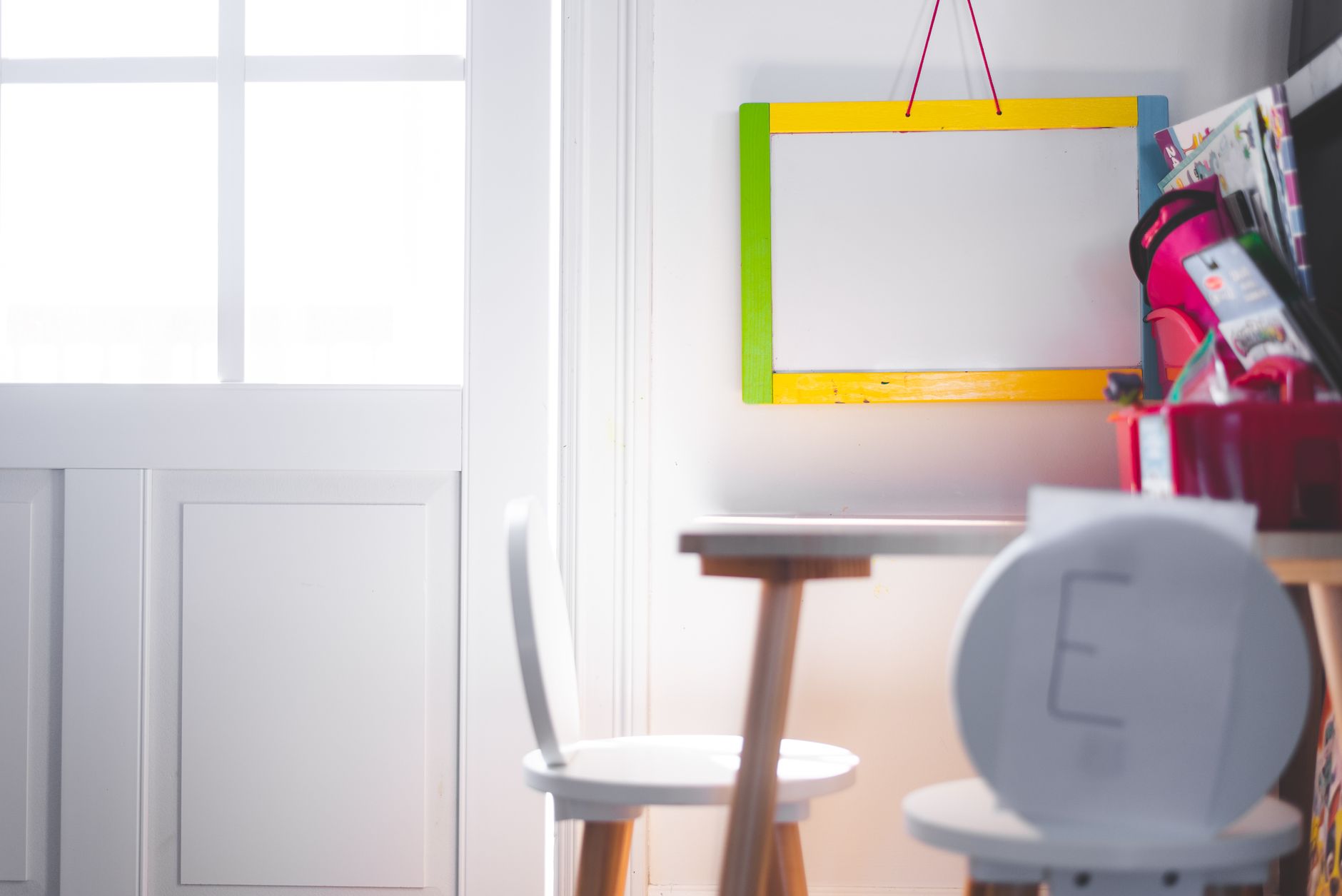
Addressing Homework: Timing is Everything
The “homework battle” is the most common casualty of the after-school slump. Trying to force a child to do complex math or writing assignments when their prefrontal cortex is exhausted is a recipe for frustration. If possible, decouple the return home from the start of schoolwork.
If your child is a “morning person,” shifting homework to the following morning can be a game-changer. If that isn’t feasible, ensure there is a clear “reset” period between school and study. This reset should involve movement—physical activity is the fastest way to flush stress hormones like cortisol out of the system. A brisk walk, a quick game of tag in the backyard, or even just jumping on a mini-trampoline can prime the brain for the mental effort required for homework.
The Role of Environment in Energy Regulation
We often underestimate how much our physical environment dictates our energy. If a child comes home to a chaotic space—cluttered surfaces, loud television, or high-intensity lighting—their nervous system is going to stay in a state of high arousal.
To manage energy levels, try to create a “sensory-friendly” home environment during the afternoon. Dim the lights, turn down the background noise, and keep the main living area relatively tidy. These small, subtle cues signal to the brain that it is time to shift from the high-input environment of school to the low-input environment of home.

Building Resilience for the Long Term
It is important to remember that the goal is not to eliminate the slump entirely—fatigue is a natural human response to a day of work. The goal is to provide our children with the tools to manage that fatigue so it doesn’t spiral into a full-blown behavioral crisis.
As your children grow older, these habits of self-regulation will serve them well beyond the classroom. Teaching a child to recognize when they are “out of gas” and to reach for an apple instead of a tablet, or to take a walk instead of doom-scrolling, is a life skill that will carry them into adulthood. Parenting in the digital age is about helping them find the balance between being constantly “on” and knowing how to effectively switch “off.”
If you continue to see extreme meltdowns that last for hours or seem disproportionate to the day’s events, it may be worth looking at the bigger picture. Sometimes, the slump is a symptom of something else—a need for more sleep at night, a struggle with a specific subject at school, or sensory processing differences. Don’t be afraid to consult with teachers or professionals if the routine changes don’t seem to make a dent in the intensity of the behavior.
Summary and Final Thoughts
Managing the after-school slump is about shifting from “control” to “co-regulation.” Instead of seeing the slump as a problem to be fixed with rules and restrictions, view it as a transition period that requires specific care. By providing the right fuel, allowing for non-digital decompression, and respecting the need for a physical reset, you can turn those difficult afternoon hours into a much calmer, more predictable part of your day.
Be patient with yourself and your kids. Like any new habit, it takes time to implement, and there will be days when the plan falls apart. That is okay. Consistency matters more than perfection.
Frequently Asked Questions
Q: Is it ever okay to allow screen time immediately after school?
A: While it’s tempting, it’s generally best to avoid it. Screen time is a high-stimulation activity. If your child is already experiencing cognitive overload from school, screens can prevent them from truly decompressing, often making them more irritable once the device is taken away.
Q: My child refuses to eat anything but “junk” after school. How do I change this?
A: Keep the “healthy” options visible and accessible, and try to make the snack a fun ritual. If they are hungry, they will eventually eat what is available. Avoid keeping high-sugar, processed snacks in the house; if it isn’t there, it can’t be chosen.
Q: How long should the “Buffer Zone” last?
A: It depends on the child, but 30 to 45 minutes is usually sufficient. The goal is to allow enough time for their nervous system to downshift. You don’t need a stopwatch; look for signs of relaxation, such as a change in posture or a quieter, more engaged demeanor.
For more reading on child development and the impacts of screen time, you can refer to the American Academy of Pediatrics (AAP) resources on digital media and the Centers for Disease Control and Prevention (CDC) guidelines on physical activity for children.