The golden rule for household appliances is simple: if the repair cost exceeds 50% of the price of a brand-new unit, or if the appliance is more than halfway through its expected lifespan, it is usually time to replace it rather than fix it.
- The 50% Rule: Avoid spending more than half the cost of a new machine on repairs for an older model.
- Lifespan Awareness: Know the average life expectancy of your appliance (e.g., 10-13 years for washers, 15+ for dryers).
- Energy Efficiency Gains: Replacing a 15-year-old appliance often pays for itself through significantly lower electricity and water bills.
We have all been there. It is 8:00 PM on a Tuesday, the laundry pile is reaching the ceiling, and the washing machine decides to make a sound like a bag of bolts hitting a concrete floor. You stare at it, wondering: Is this the end? Do I call a technician, or do I start shopping for a new one online?
In our 30s and 40s, our time is our most limited resource. Between managing school runs, work deadlines, and trying to keep the house from descending into total chaos, the last thing we need is a broken appliance turning into a multi-week saga of service calls and DIY headaches. Let’s break down how to make this decision logically, without the emotional weight of “maybe I can save it.”
Understanding the Math: The 50% Rule and Beyond
At its core, appliance management is an economic calculation. When a technician tells you it will cost $400 to replace the motor on a dishwasher that you bought for $800 six years ago, the decision feels personal. You think about the “good times” that dishwasher gave you. But the machine does not care about your history. It only cares about its remaining utility.
The 50% rule is the industry standard for a reason. It accounts for the fact that a repair only fixes one component. If the motor is failing, what else is nearing the end of its life? Sensors, belts, pumps, and circuit boards often wear out in clusters. By spending 50% of the cost of a new model, you are essentially gambling that nothing else will break in the next few years. If you lose that bet, you end up spending more in total than if you had just bought a new unit with a fresh manufacturer’s warranty.
Furthermore, we must account for the “hassle factor.” If you are a parent, your time has a dollar value. If a repair requires three days of waiting for parts and two separate visits from a technician, you are paying in more than just cash. You are paying in lost productivity and stress.
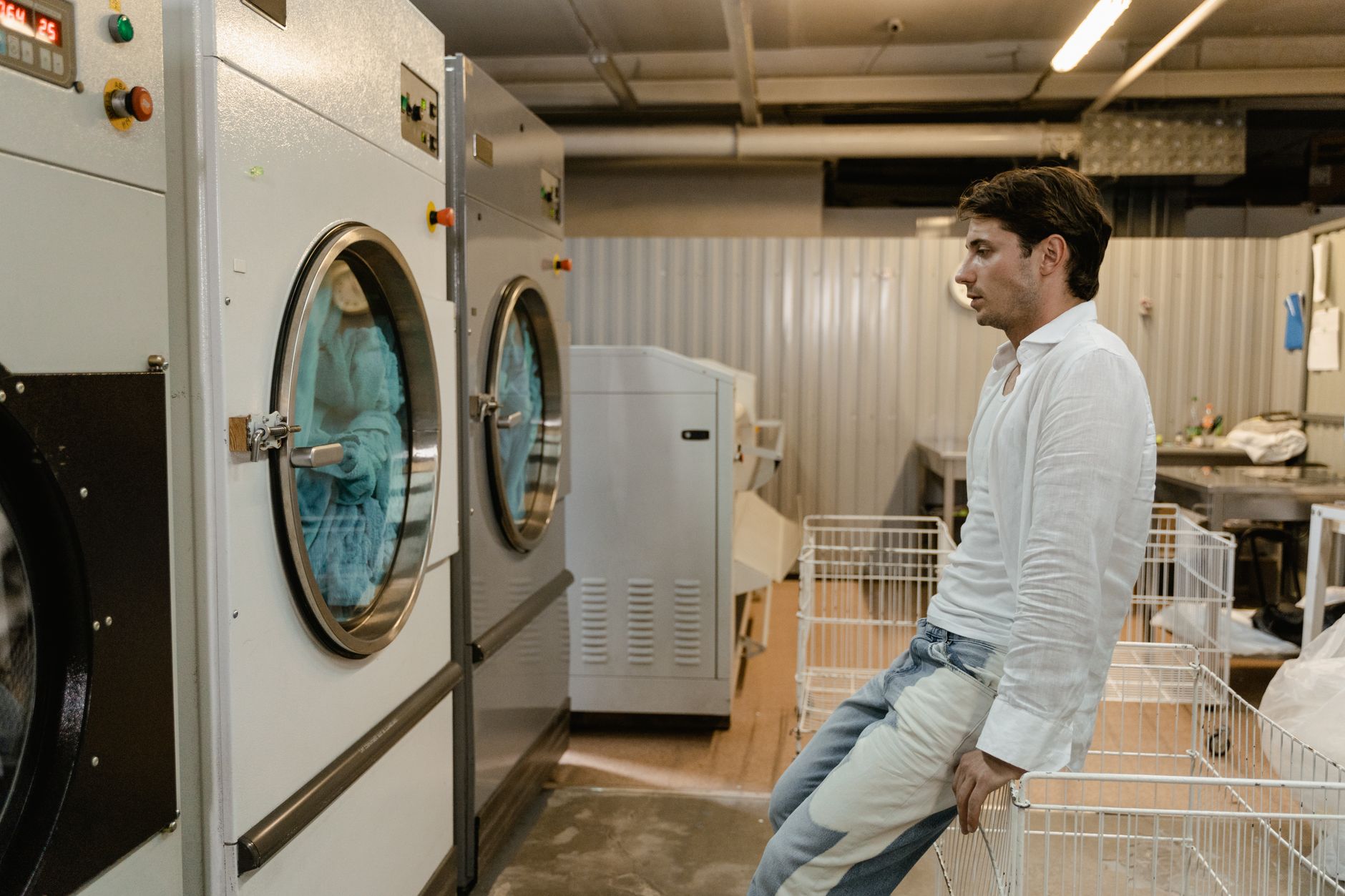
The Appliance Lifespan Cheat Sheet
Before you commit to a repair, you need to know where your appliance sits in its life cycle. Appliances, like everything else, have a “use-by” date. While high-end brands might last a few years longer, the average expectancy is remarkably consistent across the industry.
| Appliance | Average Lifespan | When to Replace |
|---|---|---|
| Refrigerator | 10–15 years | After 12 years if compressor fails |
| Washing Machine | 10–13 years | After 10 years if drum/motor fails |
| Dishwasher | 9–12 years | After 8 years if leaks occur |
| Dryer | 10–15 years | After 12 years if heating element fails |
If your appliance is nearing the end of these ranges, a repair is almost never the right financial move. Even if the repair is relatively cheap, you are simply delaying the inevitable. When the machine is in its “golden years,” you should be setting aside a “replacement fund” rather than investing in new parts.
Efficiency: The Hidden Cost of “Saving”
There is a persistent myth that “older models were built better.” While it is true that some vintage appliances had fewer electronic components, they were also significantly less efficient. Technology in the last decade has made massive leaps regarding energy and water consumption.
Consider the modern dishwasher. A unit manufactured in 2024 uses roughly 3 to 4 gallons of water per cycle. A unit from 2005 might use 10 to 15 gallons. Over the course of a year, for a family of four, that difference translates into thousands of gallons of water and a noticeable bump in your energy bill. When you calculate the “cost” of keeping an old appliance, you must include the “efficiency tax” you pay every single month.
If your current appliance is over 15 years old, replacing it is often a net positive for your household budget, even without considering repair costs. The energy savings alone can often offset the cost of a mid-range replacement over 5 to 7 years. This is a classic case where spending money actually saves you money in the long run.
The DIY Trap: When to Try and When to Walk Away
With the rise of internet tutorials, many of us feel empowered to fix everything. And for some things, that is great. Replacing a dishwasher door seal or cleaning out a dryer vent is straightforward and keeps the machine running longer. However, there is a distinct line between maintenance and high-stakes repair.
When to DIY:
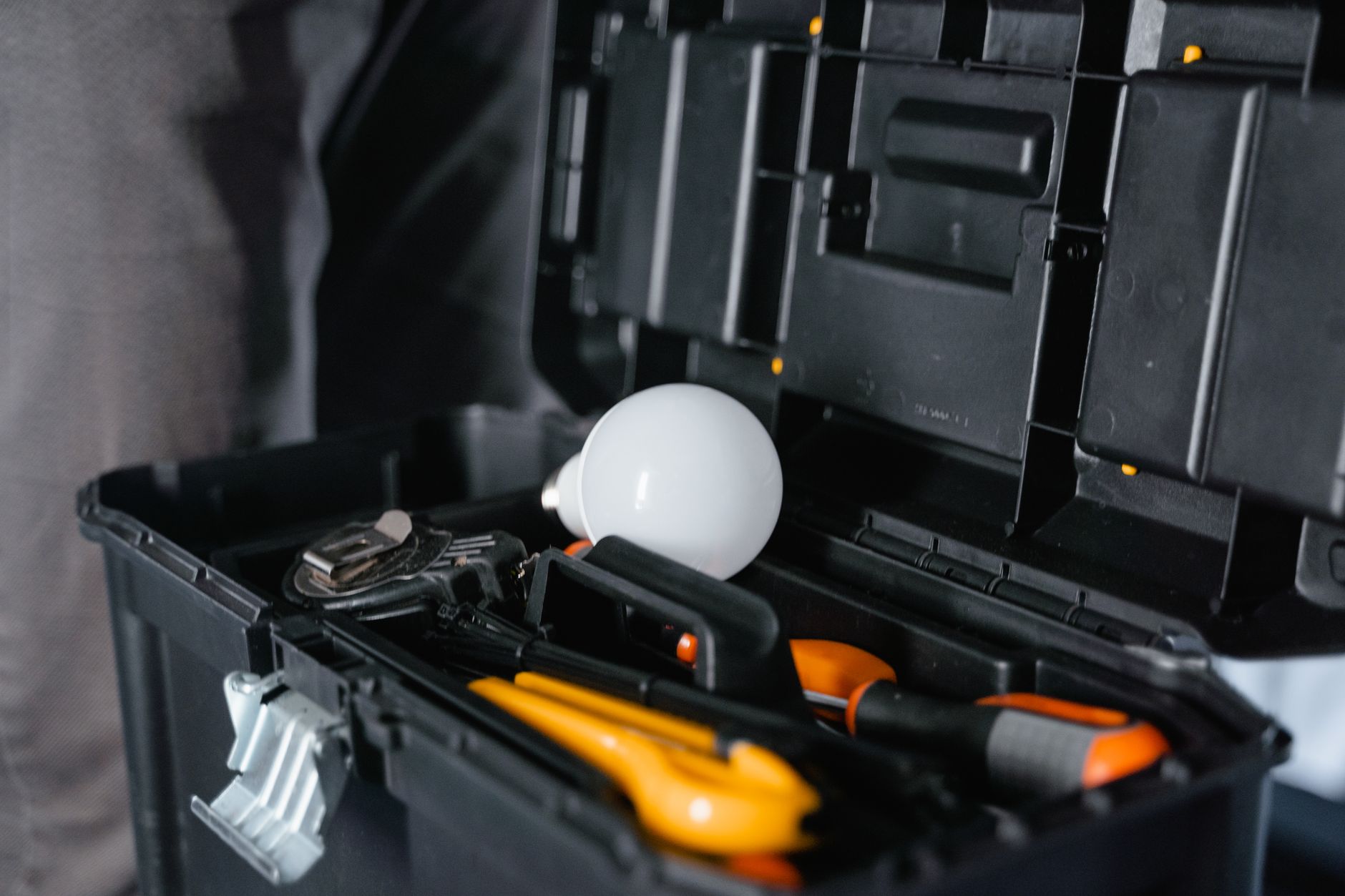
- Simple Component Swaps: Things like lint filters, knobs, light bulbs, or external hoses that require no internal wiring knowledge.
- Cleaning & Maintenance: Deep cleaning the refrigerator coils or clearing out debris from a dishwasher filter. This is “preventative maintenance” that actually extends the life of the machine.
- Troubleshooting: Using the manufacturer’s error codes to identify a specific, user-replaceable part.
When to Call a Professional (or Buy New):
- Electrical Work: If you are messing with high-voltage internal wiring, you risk fire hazards and voiding any remaining warranties.
- Sealed Systems: Refrigerators and air conditioners contain refrigerants that require specialized licensing to handle. DIY attempts here are illegal in many jurisdictions and dangerous.
- Complex Disassembly: If you have to take the entire machine apart just to reach the part that needs replacing, you are likely to break something else in the process.
The Environmental Perspective: Repair vs. Replacement
We often talk about the “carbon footprint” of our choices. Is it more eco-friendly to repair or replace? The answer is nuanced. Generally, the most sustainable appliance is the one you already own, provided it is efficient. Manufacturing a new appliance requires significant raw materials, energy for production, and logistics for shipping.
However, if the old appliance is an energy hog, keeping it running is actually worse for the environment than replacing it with a high-efficiency model. The carbon cost of the manufacturing process is eventually “paid back” by the energy savings of the new, more efficient unit. If your appliance is more than 15 years old, it is likely that the environmental cost of its continued operation outweighs the cost of manufacturing a new one.
If you decide to replace, look for appliances with certifications like Energy Star or your local equivalent. These labels indicate that the appliance meets strict efficiency criteria. Also, consider the end-of-life process for your old machine. Many retailers offer “haul-away” services that ensure the old unit is recycled properly, keeping it out of landfills.
Steps to Take Before You Call for Help
Before you panic, perform these quick diagnostic steps. They might save you a service fee or a unnecessary purchase.
- The Power Cycle: Unplug the machine for 10 minutes. Modern appliances are essentially computers. Sometimes, they just need to reboot.
- Check the Manual: It sounds basic, but most manuals have a “troubleshooting” section that lists common error codes.
- The “Simple Fix” Search: Search for your appliance model number + the specific issue on a search engine. You will often find forums where people have solved the exact same problem. If everyone says it’s a $500 part, you have your answer.
- Check the Warranty: You might be surprised to find you are still covered under an extended warranty or a specific component warranty (like a 10-year motor warranty).

Summary and Final Thoughts
Deciding between repair and replacement is not just about the machine; it is about your lifestyle. If you have a busy life with children, you need reliability. If an appliance breaks down frequently, it creates a “background stress” that affects the whole family. Do not feel guilty about replacing a machine that has reached the end of its reliable life. Investing in a new, efficient model is often the smartest choice for both your wallet and your mental well-being.
Remember, the goal of home maintenance is to make your life easier, not to turn you into an amateur technician. Keep your appliances clean, follow the manufacturer’s maintenance schedule, and when the time comes to let go, do so with the confidence that you have made the calculation based on facts, not just frustration.
Frequently Asked Questions
Q: How do I know if my appliance is worth repairing?
A: Use the 50% rule. If the repair cost is more than 50% of the price of a new unit, or if the appliance is more than halfway through its expected lifespan, replacement is usually the better financial decision.
Q: Does it ever make sense to repair an old, inefficient appliance?
A: Only if the repair is very minor (under $100) and you are certain the machine will last another few years. If the repair is significant, the long-term energy costs of an inefficient machine will quickly exceed the cost of a new, high-efficiency replacement.
Q: What is the most important maintenance step I can take to avoid repairs?
A: For almost every appliance, the most important step is cleaning. Clean the lint traps in dryers, the coils on the back of refrigerators, and the filters in dishwashers. Keeping these components clean prevents overheating and mechanical strain, which are the primary causes of premature failure.
For further reading on energy efficiency standards and appliance ratings, visit the official Energy Star website or your regional equivalent for government-backed guidance on household energy consumption.