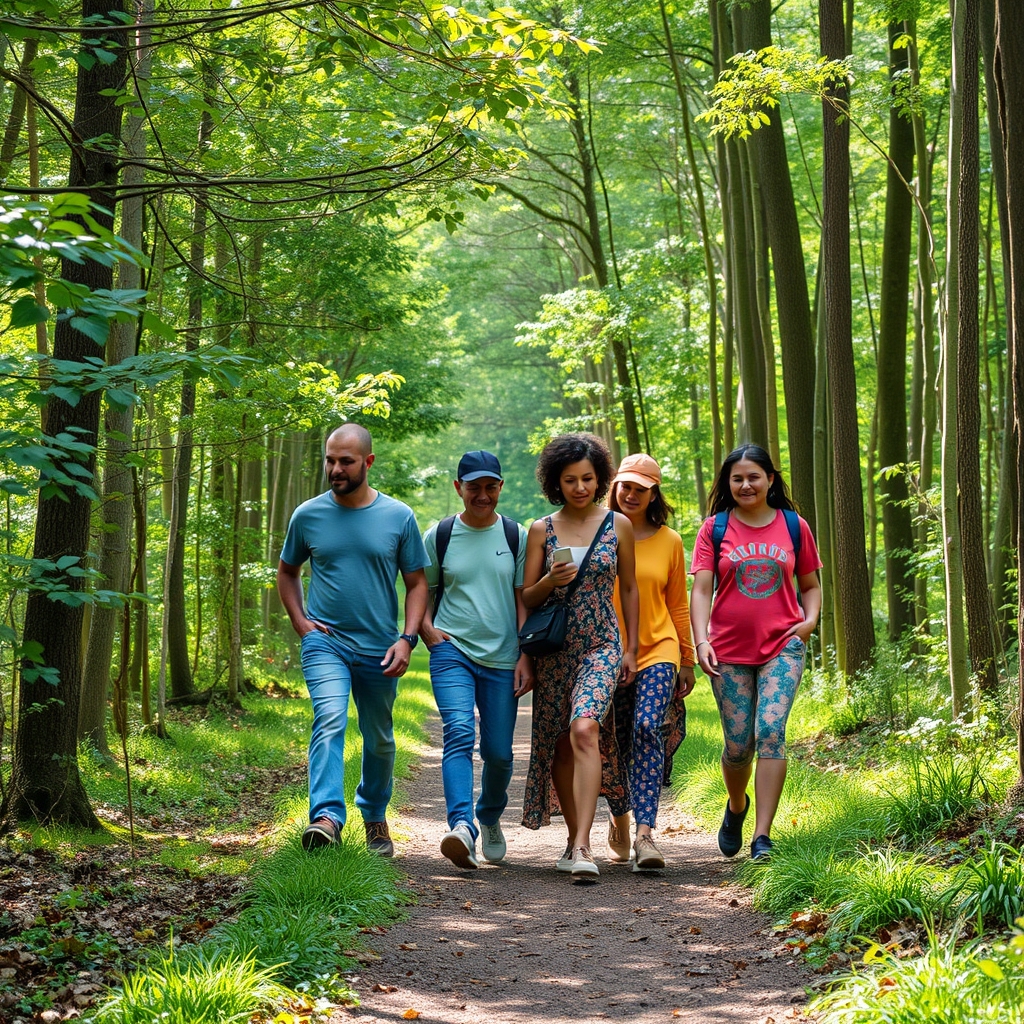
The most effective way to combat the modern “nature-deficit” in your family is not through expensive weekend trips or elaborate activity planning, but by adopting the practice of Shinrin-yoku—or forest bathing—which requires nothing more than slow, intentional time spent among trees.
Key Takeaways
- Nature-deficit is real: Modern life keeps us indoors and tethered to screens, which correlates with increased stress and attention fatigue in both adults and children.
- It’s not hiking: Forest bathing is about slowing down and engaging the senses, not reaching a destination or tracking fitness metrics.
- Consistency beats intensity: A 30-minute quiet walk in a local park once a week is more beneficial for long-term mental health than a grueling monthly hike.
If you are like most parents in their 30s or 40s, your weekends likely feel like a frantic attempt to balance laundry, grocery shopping, youth sports, and the inevitable “I’m bored” from the kids. By Sunday evening, you’re often more exhausted than you were on Friday. We live in an era where we are constantly “plugged in,” and our children are increasingly confined to indoor environments, leading to what experts call “nature-deficit disorder”—a term coined by Richard Louv that describes the psychological and physical consequences of our alienation from the natural world.
You don’t need a deep wilderness expedition to fix this. In fact, the beauty of forest bathing is that it is designed to be accessible, low-pressure, and entirely free. Let’s dive into how you can integrate this into your existing routine without adding another task to your already overflowing to-do list.
What is Forest Bathing, Really?
The term Shinrin-yoku was coined in Japan in the 1980s. It translates literally to “taking in the forest atmosphere.” It is not exercise. You aren’t trying to burn calories, reach a peak, or hit a step count. It is a sensory practice.
Think of it as a form of “environmental mindfulness.” When we are home, our brains are constantly processing “urgent” stimuli: the ping of a notification, the hum of the dishwasher, the ticking clock of a deadline. When you enter a forest or a wooded park, your brain shifts. The fractal patterns in leaves, the soft white noise of rustling branches, and the earthy scent of damp soil act as a reset button for your nervous system.
Research published in the International Journal of Environmental Research and Public Health has consistently shown that spending time in forests can lower cortisol levels, decrease blood pressure, and improve parasympathetic nerve activity. In simpler terms? It tells your body it’s okay to stop fighting and start resting.
Why Your Weekend Routine Needs a Reset
We often treat weekends as “catch-up” time. We try to cram in all the chores we missed during the week. But the problem with this approach is that it leaves zero space for cognitive restoration. By Sunday night, your prefrontal cortex—the part of the brain responsible for focus and decision-making—is fried.
Integrating nature into your routine isn’t just about “being nice to yourself.” It’s a functional strategy to improve your performance as a parent and as a professional. When you take your family into the woods, you are engaging in a shared experience that lacks the competitive or high-pressure nature of organized sports or structured playdates.
| Feature | Traditional Hike | Forest Bathing |
|---|---|---|
| Goal | Fitness / Distance | Sensory Immersion |
| Pace | Fast / Consistent | Slow / Erratic |
| Tech | GPS / Trackers | None / Airplane Mode |
| Focus | Performance | Presence |
How to Start: A Practical Framework for Busy Families
You don’t need to drive three hours to a national park. The best place for forest bathing is the one you can actually visit consistently. It could be a local city park with a wooded section, a botanical garden, or even a quiet trail behind your local library. If it has trees and a path, it works.
Step 1: The “No-Tech” Rule
This is the hardest part. You must leave the phone in your pocket or, better yet, the car. If you have a child old enough to have a phone, they need to leave it behind too. The goal is to disconnect from the digital world so you can reconnect with the physical one. If you use your phone for photos, limit yourself to one or two shots, then stow it away.
Step 2: Engage the Senses (The 5-4-3-2-1 Technique)
Children often struggle with the idea of “doing nothing.” Give them a purpose. Ask them to identify:
- 5 things they can see: Look for different shades of green, patterns in bark, or movement in the canopy.
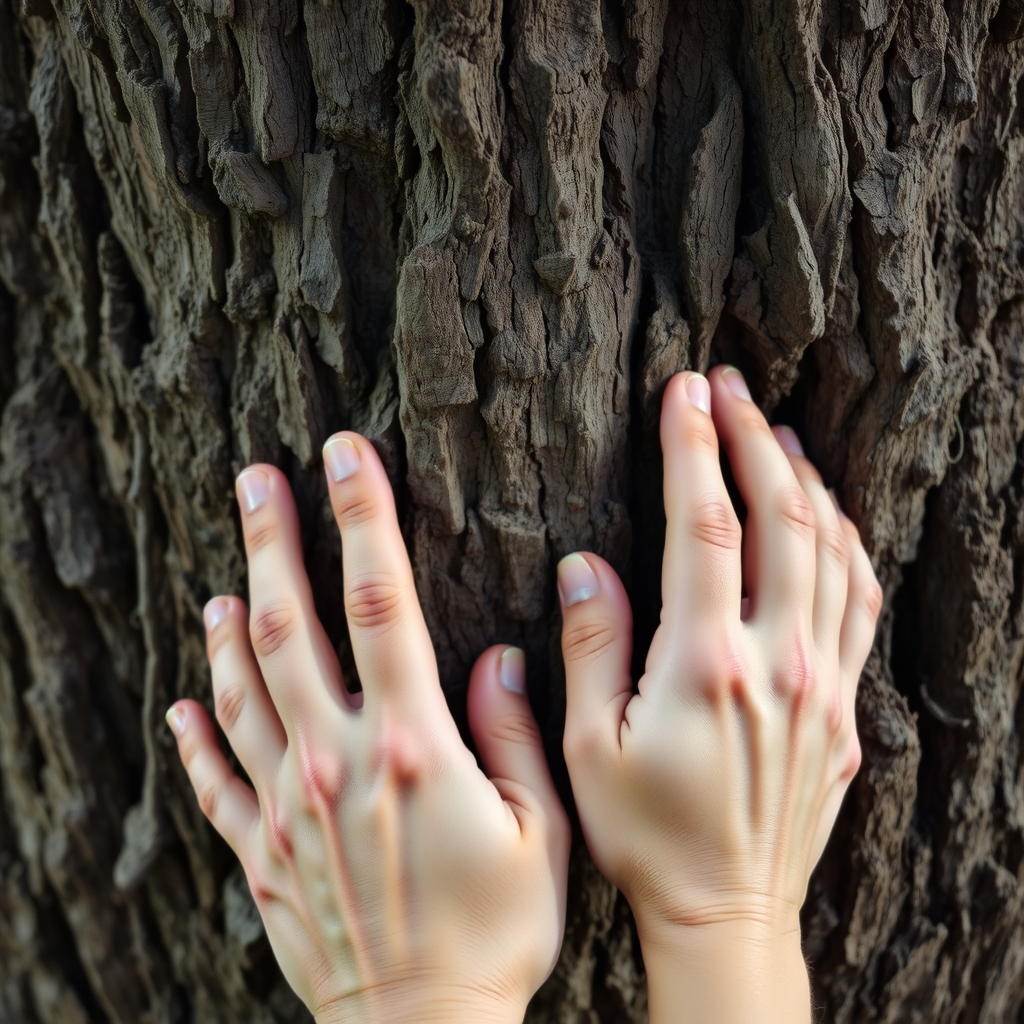
- 4 things they can touch: Feel the texture of moss, the roughness of pine bark, or the coolness of a stone.
- 3 things they can hear: Wind in the leaves, distant birds, or their own footsteps.
- 2 things they can smell: Earth, pine needles, or damp wood.
- 1 thing they can taste: (Usually, we skip this unless you’ve brought a snack to eat at the end of the session).
Step 3: Keep it Short
Don’t try to make this an all-day event. Start with 20 to 30 minutes. If you try to force a two-hour hike, the kids will get tired, get hungry, and start complaining—which is the exact opposite of the relaxing atmosphere you’re trying to create. A successful 20-minute session is better than a failed three-hour ordeal.
Addressing the “But My Kids Are Bored” Objection
If your children are used to high-stimulation environments, they will find silence uncomfortable at first. Boredom is not a failure; it is the gateway to creativity. When you are in the woods, let them lead. If they want to stop and look at a beetle for ten minutes, let them. If they want to collect acorns or sticks, that’s part of the engagement.
Avoid the urge to “teach” them about the trees. You don’t need to be a botanist. You don’t need to identify every plant. Just be there. The point is the experience of being in nature, not the accumulation of facts about nature.
Overcoming the Logistical Hurdles
The biggest barrier to a new habit is friction. If you have to spend 30 minutes packing a massive bag every time you want to go out, you won’t go out. Keep a “nature kit” ready by the door.

Your kit should be minimal:
- Water bottles: One for everyone.
- Simple snacks: Nothing messy. Think apples or granola bars.
- Basic first aid: Band-aids for the inevitable scrape.
- A small notebook: For sketching or leaf rubbing if the kids get restless.
By keeping this bag packed, you remove the “prep” time. When the weather is decent and you have an hour, you just grab the bag and go. No planning, no stress.
The Science of Phytoncides: Why It Actually Works
It’s not just the “vibe.” Trees emit organic compounds called phytoncides—essentially essential oils that protect the trees from rot and insects. When we breathe in these compounds, our bodies respond by increasing the activity of natural killer (NK) cells. These are the white blood cells that help our bodies fight off viruses and even tumors. While you don’t need to memorize the chemistry, it’s helpful to understand that there is a physiological mechanism at play. You are literally inhaling health.
Furthermore, the visual complexity of nature—the way branches overlap, the way light hits the forest floor—is what neuroscientists call “fractal.” Our brains are wired to find these patterns soothing. In contrast, the straight lines and sharp angles of our modern homes and offices are cognitively demanding. Being in the forest allows our “directed attention” to rest, which is why we feel so refreshed after even a short session.
One of the great things about forest bathing is that it can be done in any weather. Winter forests are quiet, stark, and beautiful. Spring is full of new life. Summer offers shade, and autumn provides a sensory explosion. The key is appropriate clothing. If your family is cold or wet, they will not be able to relax. Invest in decent rain jackets and comfortable walking shoes. As the saying goes, “There is no such thing as bad weather, only bad gear.”
If you live in an urban environment where a forest is not accessible, look for the “greenest” space possible. A well-maintained city park with mature trees can provide many of the same benefits, even if it isn’t a “true” forest. The goal is to get away from the noise and the concrete, not to find the most pristine wilderness in the country.
Common Pitfalls and How to Avoid Them
We all have the best intentions, but life gets in the way. Here are a few ways to ensure this actually happens:
- Don’t make it a “chore”: If you frame it as “We have to go to the forest for our mental health,” your kids will resist. Frame it as “Let’s go explore the woods for a bit.” Keep the tone light.
- Don’t over-schedule: Don’t try to squeeze this in between a birthday party and a piano lesson. Make it a standalone event, or attach it to a low-stress activity like a trip to the library or a slow morning breakfast.
- Be okay with “doing nothing”: If you spend your time in the woods worrying about whether you are doing it “right,” you’ve already failed. The only way to do it wrong is to stay home.
If you find that your family is still resistant, start small. Take a 10-minute walk around the block, but treat it like a nature walk. Look for the trees that are changing color, or listen for the birds in the neighborhood. Build the habit of observation first; the depth of the practice will follow naturally.
Implications for Long-Term Family Wellness
The goal of integrating this into your weekend routine isn’t to fix your life overnight. It’s about building a buffer. When you and your children are accustomed to stepping away from the noise and into the quiet, you develop a resilience to stress. You learn that it is possible to hit the “pause” button on the world.
In a few years, your children won’t remember the specific chores you finished on a Saturday, or the emails you cleared from your inbox. They will remember the time you spent walking together, the texture of the leaves, and the feeling of being in a place where they didn’t have to be anything other than themselves. That is the true value of the nature-deficit antidote.
Start this weekend. Don’t plan a trip. Don’t buy gear. Just find a patch of trees, leave the phone in the car, and start walking slowly. Your nervous system—and your family—will thank you.
Frequently Asked Questions
1. Do I really need to leave my phone behind?
Yes. Even if you aren’t using it, the mere presence of a phone triggers “anticipatory stress.” Your brain remains on alert for notifications. To get the full benefits of forest bathing, you need to be completely disconnected from the digital world for the duration of your walk.
2. My child finds the woods boring. How do I keep them engaged?
Shift the focus from “hiking” to “scavenger hunting.” Give them small tasks: “Find three different types of leaves,” or “Find a stick that looks like a letter of the alphabet.” By giving them a sensory mission, you engage their curiosity without needing to provide constant entertainment.
3. How often should we do this to see actual benefits?
Research suggests that just two hours per week—which can be broken down into smaller chunks—is sufficient to see significant improvements in mental well-being. Even 20 to 30 minutes once a week is a great starting point for busy families.
For further reading on the science of nature and mental health, you may find these resources useful: