The secret to a successful hand-me-down system isn’t just about having enough storage space; it is about creating a rigorous, label-centric rotation cycle that turns chaotic piles of outgrown clothes into a streamlined inventory system.
- Categorize by Size, Not Season: Always sort stored clothing by size tags first, as this is the primary indicator of when an item will be needed next.
- The “Wash-Repair-Store” Workflow: Never store clothes that are stained or damaged; treat stains and mend buttons before they go into long-term storage to prevent permanent degradation.
- Visibility is Efficiency: Use clear, airtight containers and detailed inventory lists to avoid the “buy-duplicate” trap when a new season rolls around.
If you have spent a Saturday afternoon digging through a basement full of mystery-sized onesies, you know the specific frustration of the “hand-me-down shuffle.” It is a rite of passage for parents in their 30s and 40s: the realization that your living space is slowly being overtaken by tiny garments you aren’t ready to let go of, but have no idea how to manage.
The goal here isn’t to turn your home into a professional garment warehouse, but rather to implement a system that saves you money, reduces the mental load of seasonal shopping, and preserves the quality of items that could otherwise last through three or four children.
The Philosophy of Curated Hand-Me-Downs
The first step is a mental shift: not every piece of clothing is a candidate for the hand-me-down pile. We often keep items out of guilt—”it was a gift,” or “it cost a lot of money.” However, hoarding worn-out, stained, or ill-fitting clothes creates a barrier to finding the items you actually need. A high-functioning hand-me-down system is a curated one.
Start by establishing a “Keep, Donate, Discard” threshold. If an item has a permanent stain, a broken zipper that isn’t worth the effort to fix, or has lost its elasticity, it shouldn’t be clogging up your storage bins. By discarding or repurposing these items into rags immediately, you reclaim space for the high-quality pieces that actually merit the storage investment.
The Workflow: From Outgrown to Stored
The most common point of failure in the hand-me-down system is the “storage limbo”—that period where clothes are tossed into a bag or a cardboard box without being sorted, only to be rediscovered two years later when the younger child has already outgrown them.
To prevent this, you must treat the transition of clothes as a process:
| Stage | Action |
|---|---|
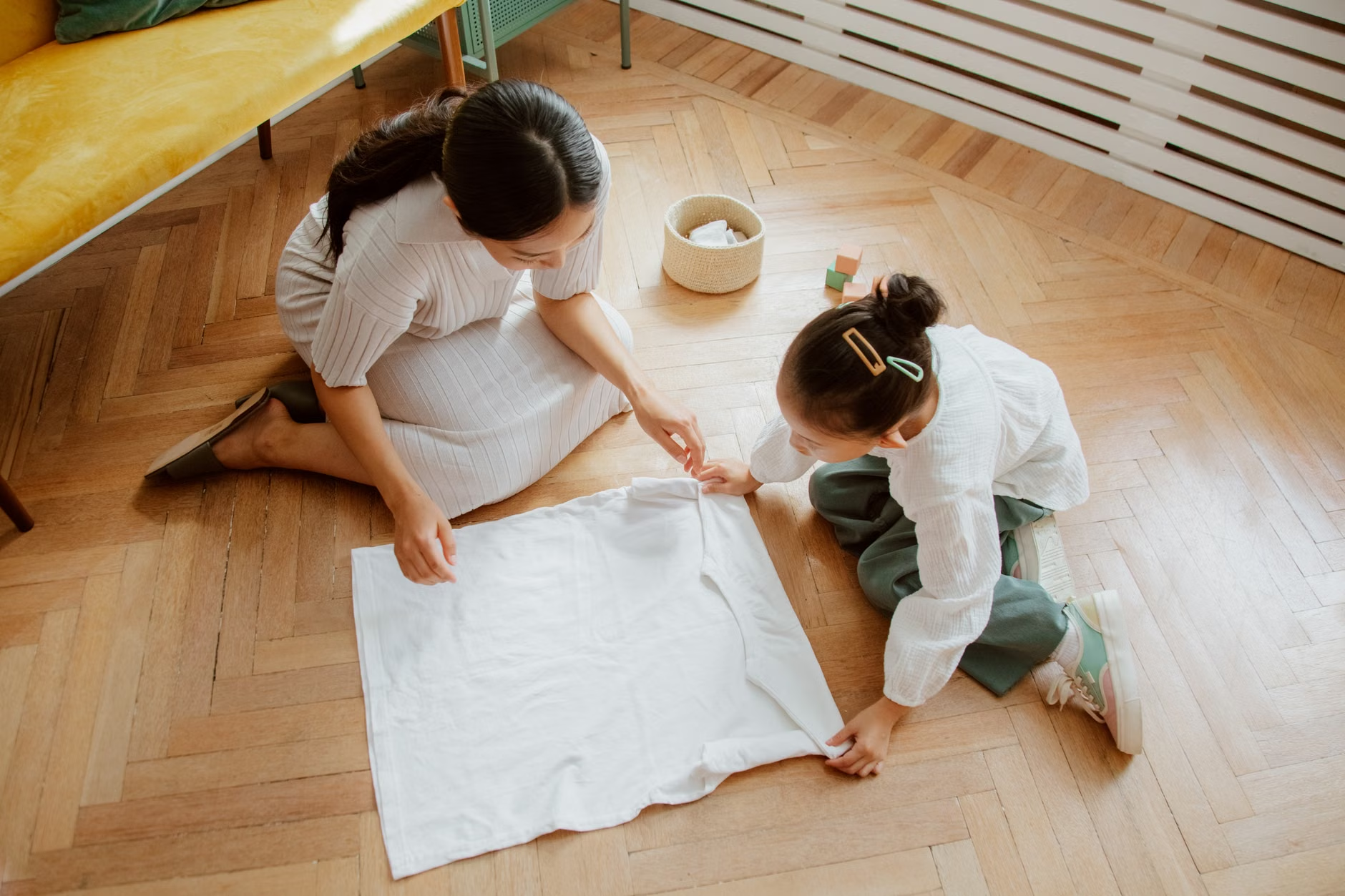
| Immediate Sorting | Separate outgrown items from the current rotation as soon as they become too tight. |
| Stain Assessment | Check for organic stains (milk, food, grass). If not treated, these set into the fibers over time. |
| Repair Check | Fix loose buttons or minor tears before storage. |
| Labeling | Use a consistent labeling system (e.g., Size 12M-18M Summer). |
This workflow ensures that when your next child hits the right size, you are unpacking a “ready-to-wear” collection rather than a box of chores.
The Mechanics of Long-Term Storage
Many parents make the mistake of storing clothes in cardboard boxes. While accessible, cardboard is a magnet for moisture, silverfish, and dust. Over time, cardboard can degrade, and its acidity can even yellow delicate fabrics. For long-term storage, high-quality, clear, airtight plastic bins are the gold standard.
Why clear plastic? Because if you can’t see what’s inside, you’ll never use it. The “out of sight, out of mind” phenomenon is why many parents end up buying new clothes for a child who already has an entire wardrobe tucked away in a dark corner of the attic.
The Vacuum-Seal Debate
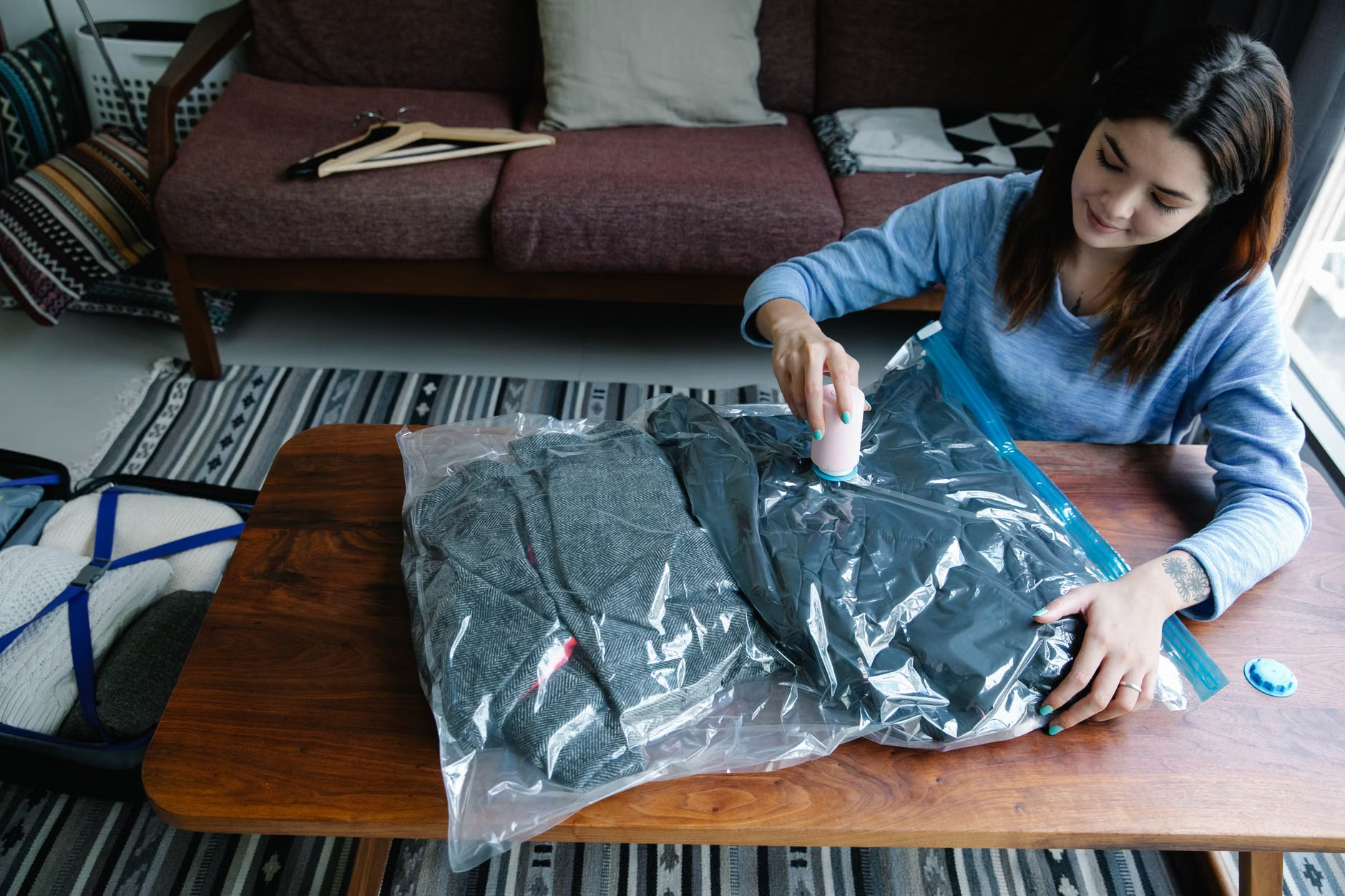
Vacuum-seal bags are a double-edged sword. They are excellent for saving space, especially for bulky items like winter coats or thick sweaters. However, they can be problematic for natural fibers like wool or high-quality cotton that need to “breathe” slightly. If you use them, ensure the items are 100% clean and dry. Any moisture left in the fibers will lead to mildew within a month of vacuum sealing.
Categorization Strategies for Busy Parents
How you categorize your bins depends on your child’s age and your available storage space. The most common mistake is sorting by season (e.g., “Winter Box”). While this sounds logical, children grow at different rates, and what fits in the winter of one year might not fit in the winter of the next.
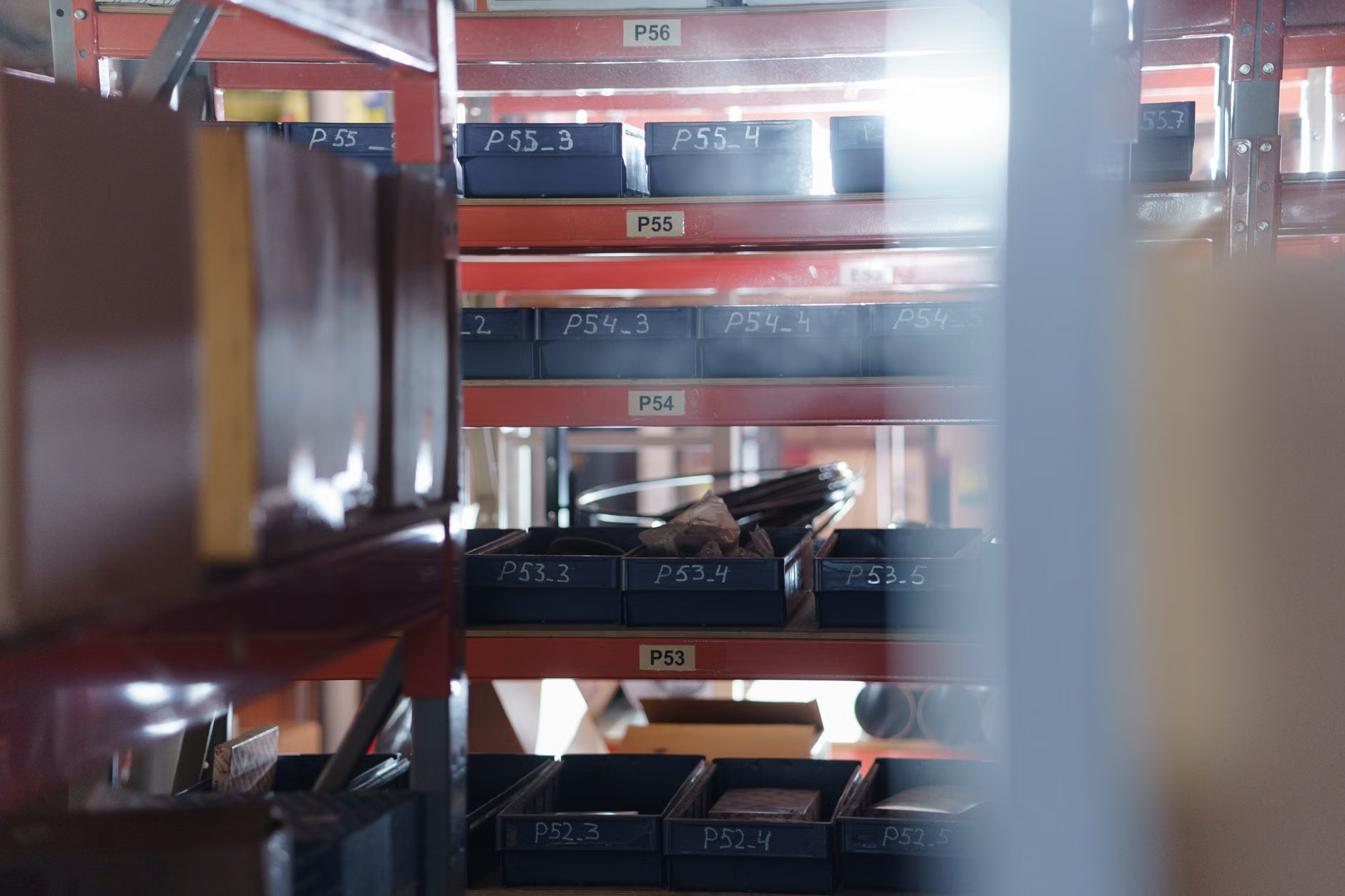
Instead, prioritize sorting by Size. Use a simple, standardized labeling system on the side of every bin, not the lid. When bins are stacked, you want to be able to read the label without moving the entire stack.
For example, use a label format like this:
- Size Range: (e.g., 6-12 Months)
- Seasonality: (e.g., All-Season or Mixed)
- Date Stored: (e.g., Oct 2023)
By including the date, you get a quick sense of how long the items have been sitting. If you find a bin that’s been sitting for five years and you don’t have another child coming along, it’s a clear signal that it’s time to donate or pass them on to friends.
Maintaining the “Live” Inventory
If you want to take your organization to the next level, create a simple digital inventory. This doesn’t need to be an app; a simple note on your phone or a spreadsheet will do. List your bins by number: “Bin 1: 12M-18M, mostly summer.”
When the season shifts, you don’t have to pull down every bin to see what’s inside. You check your list, identify the bin you need, and pull it down. This prevents the “storage room cyclone” where you empty everything just to find one specific pair of jeans.
Handling Special Items and Heirlooms
Not all clothes are created equal. You likely have a few pieces—the “coming home from the hospital” outfit, a hand-knitted sweater from a grandparent, or a dress worn for a special holiday—that you want to preserve for decades rather than just a few months.
These items require a different storage approach. Do not store these in plastic bins with everyday play clothes. Use acid-free archival tissue paper to wrap these items individually. This prevents the fabric from yellowing and protects the fibers from the breakdown that occurs when different fabrics touch each other for years.
Store these in a cool, dry place away from direct sunlight. Sunlight is the enemy of color vibrancy. If you are storing these in a closet, ensure they aren’t pressed against exterior walls where temperature fluctuations (which cause condensation) are most likely to occur.
The Psychology of Letting Go
Finally, we must address the emotional aspect of the hand-me-down system. Many parents feel a sense of loss as they pack away clothes. It is a tangible marker of your child’s growth. If you find yourself struggling to let go of clothes that are clearly outgrown, it is helpful to set a “memory limit.”
Pick a small box—perhaps a shoebox size—and designate it as the “keepsake box.” You are allowed to keep only what fits in that box. Everything else must go into the rotation system or be donated. This allows you to honor the memory of those early stages without turning your home into a museum of your child’s past.
Remember that clothes are meant to be worn. By passing them down or donating them, you are extending the life of those garments and helping another family. It is a cycle of utility that is both practical and sustainable.
Common Pitfalls and How to Avoid Them
Even with the best intentions, things can go wrong. Here are a few common issues and how to troubleshoot them:
- The “Musty” Smell: Even in airtight bins, clothes can develop a stale odor after a year. Always wash and dry clothes thoroughly before storing. Adding a small, breathable sachet of dried lavender or cedar can help keep the storage environment fresh.
- The “Missing Match” Syndrome: If you have sets (like pajama tops and bottoms), always store them together. Use a rubber band or a small mesh bag to keep the set intact. If you lose the bottom, the top often becomes useless.
- Over-Packing: Never force clothes into a bin. If you have to sit on the lid to close it, you are likely wrinkling the fabric and potentially damaging the structural integrity of the bin. Use a larger bin or divide the items into two.
Implications for Sustainable Parenting
Adopting a hand-me-down system is one of the most effective ways to reduce your environmental footprint. The fashion industry, including children’s clothing, is resource-intensive. By ensuring that one garment serves two, three, or even four children, you are effectively dividing the environmental cost of that item by the number of users.
This isn’t just about saving money; it’s about participating in a circular economy within your own home. When you manage your resources well, you teach your children the value of maintenance and care. They see that clothes aren’t disposable commodities, but items that require respect and upkeep.
Frequently Asked Questions
Q: How do I handle clothes that have sentimental value but no longer fit?
A: Limit yourself to a specific “keepsake box.” Choose only the most significant pieces (like a baptismal gown or a first birthday outfit) and use acid-free tissue paper for storage to prevent fabric degradation. Donate or pass on the rest.
Q: Is it better to donate clothes immediately or hold onto them for a potential future child?
A: If you are certain you want more children, keep the high-quality essentials. If you are undecided, a “one-year rule” is helpful: if you haven’t needed them in a year and you aren’t sure about the future, donate them. You can always replace clothes later, but you cannot reclaim the storage space you’ve lost.
Q: What is the best way to handle stains before long-term storage?
A: Do not store a stained item hoping to “deal with it later.” The stain will set, and it will likely become permanent. Use an enzyme-based stain remover or a soak in oxygen-based bleach (if safe for the fabric) immediately after the stain occurs. If the stain doesn’t come out, consider repurposing the item as a cleaning rag or donating it to a textile recycling center rather than storing it.
By treating your children’s wardrobe with the same care you would your own, you transform a chore into a system of efficiency. It takes time to set up, but the dividends—a clearer home, a lower monthly clothing budget, and the satisfaction of a well-run household—are well worth the effort.
For more information on textile care and sustainable storage, you may refer to resources from the Textile Exchange for industry standards on fiber longevity.