You do not need to drop thousands of dollars on high-end outdoor gear or book a five-star luxury resort to experience the magic of glamping with your family. The secret to an affordable outdoor getaway lies in “hybrid glamping”—a strategy that combines pre-furnished rental structures with your own low-cost, multi-purpose home items to keep costs down while keeping comfort high.
- Choose the right structure: Opt for “unfurnished” or “semi-furnished” cabins and yurts managed by state or national parks, which are significantly cheaper than private luxury glamping sites.
- BYO-Comfort: Bring your own high-quality linens, pillows, and ambient lighting from home to eliminate the “roughing it” feel without paying for premium amenities.
- Smart Meal Planning: Avoid expensive onsite catering or restaurant runs by prepping “glamping-friendly” gourmet meals at home that only require a simple heat-up on a portable stove.
If you are in your 30s or 40s, you likely remember the days when “camping” meant sleeping on a thin foam pad and praying your tent didn’t leak during a thunderstorm. Now that we have kids, the idea of hauling a mountain of expensive equipment—only to spend half the trip setting up and the other half cleaning—is less than appealing. Yet, the price of modern “glamping” sites, which often cost as much as a hotel room, can be a major deterrent for the average family budget.
The good news is that the middle ground between “backpacker grit” and “luxury resort” is wide open. It is entirely possible to enjoy the outdoors with a roof over your head and a decent mattress underneath you without breaking the bank. Here is how to navigate the world of low-cost glamping.
The Art of Choosing the Right “Shell”
The most expensive part of glamping is the markup for the “experience.” When you book a site that promises “curated decor,” “organic breakfast baskets,” and “hand-stitched bedding,” you are paying for hospitality, not for the nature itself. To save money, you need to look for the “shell.”
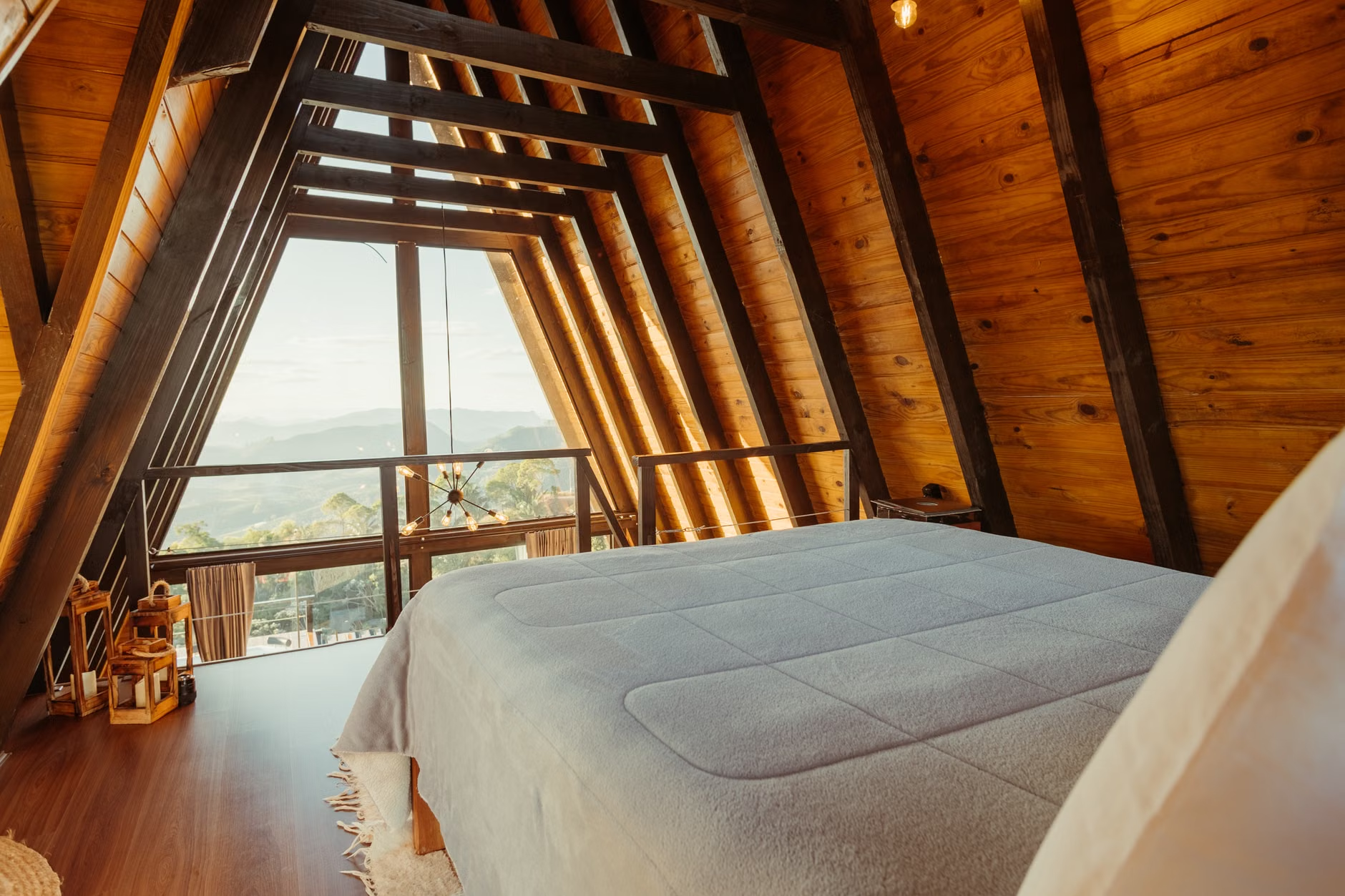
Many state parks, provincial parks, and national forest services offer structures that are essentially glamping-lite. Look for terms like “Camper Cabins,” “Yurts,” or “Wall Tents” on official government booking websites. These structures provide a sturdy floor, a weather-proof roof, and sometimes a basic bed frame, but they lack the interior design aesthetic that drives up private-sector prices.
Think of these as blank canvases. Because they are government-run, they are often located in prime wilderness spots that private glamping resorts can’t access. The price difference can be staggering—sometimes costing $50–$80 a night compared to $250+ at a boutique site. The trade-off? You have to bring your own sleeping bags or sheets, and you might have to walk a short distance to a central washroom block.
Why Location Matters More Than Amenities
When you are scouting locations, prioritize proximity to activities rather than onsite luxury. If your kids want to go swimming, hiking, or biking, a basic cabin near a lake is worth far more than a luxury dome situated in the middle of a private field with no access to public trails. Before you book, pull up a satellite view on a map application. Is there a playground nearby? Are there hiking trails accessible by foot? If the answer is yes, you have found a winner, regardless of how “fancy” the cabin looks.
Transforming a “Basic” Rental into a “Glamping” Experience
Once you have secured a budget-friendly cabin, the goal is to elevate the comfort level without purchasing expensive “outdoor” specific gear. Most of the things that make a space feel like “glamping” are items you already have at home.
1. Lighting is everything: The biggest difference between a sterile cabin and a cozy glamping retreat is the lighting. Overhead fluorescent lights are the enemy of relaxation. Bring a few strings of battery-operated fairy lights or warm-toned LED lanterns. Drape them over the bed frame or hang them from the ceiling. The soft glow instantly changes the atmosphere from “dorm room” to “boutique escape.”
2. The “Home Bedding” Rule: Do not use thin, scratchy sleeping bags if you don’t have to. If you are driving to your destination, bring your own pillows, a duvet, and a soft throw blanket from home. It takes up space in the car, but it guarantees a comfortable sleep. When you wake up well-rested, the entire trip feels more like a vacation and less like a survival test.
3. Creating a “Living Room”: Most budget cabins have a wooden deck or a small porch. Instead of sitting on hard plastic chairs, bring a few floor cushions or a lightweight, foldable camping rug. This creates an outdoor “living room” where you can sit with a coffee in the morning or play games in the evening.
Eating Well Without the Restaurant Bill
Glamping food often falls into two traps: the “hot dog and s’mores” rut or the “over-prepared, complicated gourmet” trap. To save money and stress, aim for the middle: The Prep-Ahead Strategy.
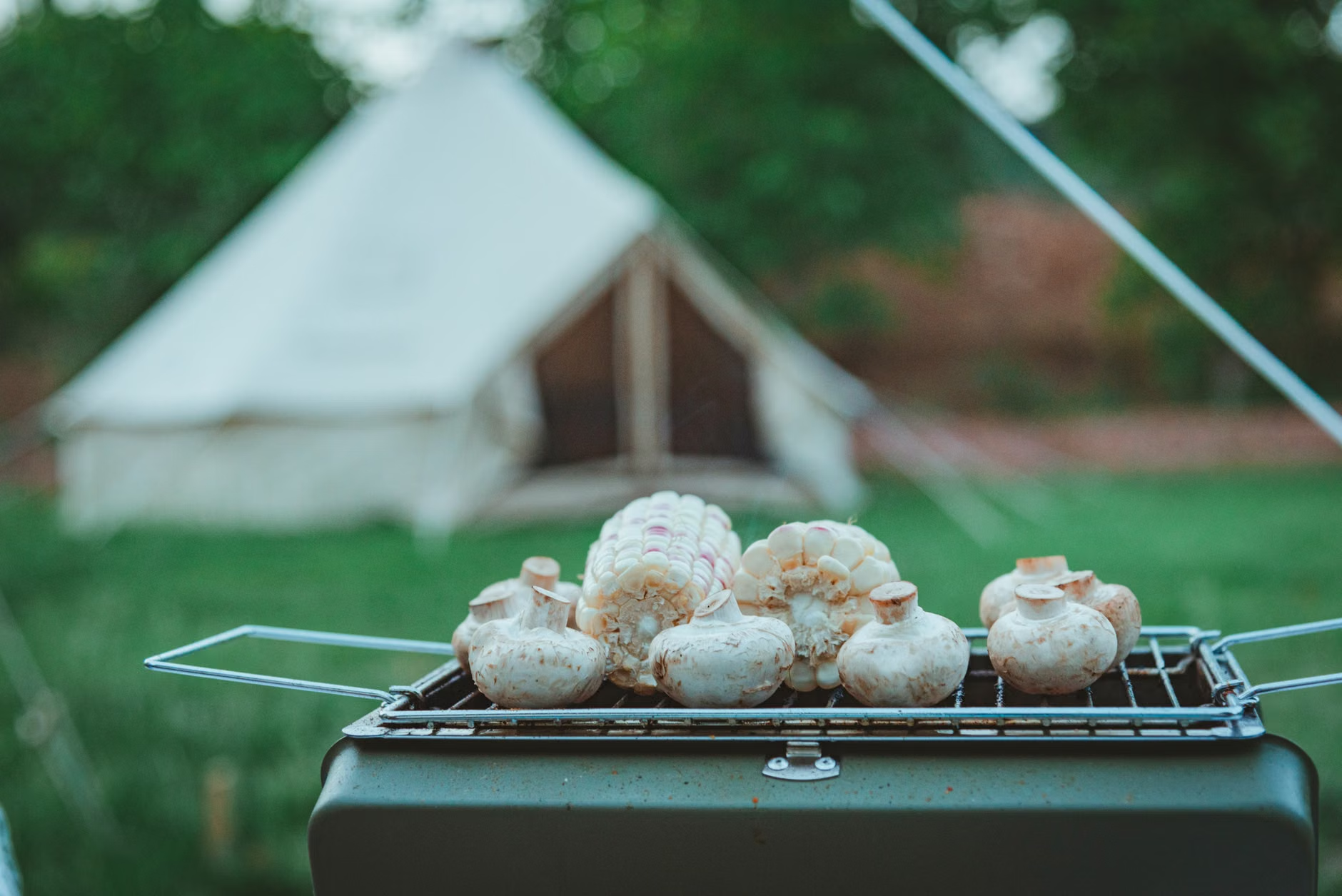
If your budget cabin has a basic kitchenette or even just a fire pit, you can eat like royalty. The secret is doing the heavy lifting at home. Chop all your vegetables, marinate your proteins, and pre-mix your pancake batter before you leave. Store these in sealed containers in a cooler. When you get to your destination, your “cooking” is reduced to simple assembly and heating.
| Meal Type | Budget-Friendly Glamping Hack |
|---|---|
| Breakfast | Pre-mixed dry ingredients in a jar; just add water/milk and shake. |
| Lunch | “Charcuterie” boards using grocery store staples (crackers, hard cheese, cured meats, fruit). |
| Dinner | One-pot meals like chili or curry, pre-cooked and reheated in a cast-iron skillet. |
| Snacks | Bulk-buy trail mix and fruit rather than individual pre-packaged snacks. |
By avoiding the urge to eat out at local tourist trap restaurants, you can save hundreds of dollars over a weekend trip. Plus, cooking together over an open fire or a small camp stove is often the highlight of the trip for children.
The Logistics: What You Actually Need (and What You Don’t)
It is easy to get sucked into buying “glamping gear” marketed on social media. Before you hit the “buy” button, ask yourself: Do I have something at home that does this?
The “Do Not Buy” List:
- Expensive “Camping” Dinnerware: Use your old mismatched plates and bowls from home. If they break, they were on their way out anyway.
- Fancy “Outdoor” Chairs: Your backyard lawn chairs are perfectly fine.
- High-End Coolers: Unless you are camping for a week in 100-degree heat, a standard cooler with extra ice packs will suffice.
- Portable Power Stations: A simple, inexpensive power bank for your phones is usually enough. Unless you have medical needs, try to unplug.
The only things worth investing in are items that improve safety or hygiene, such as a high-quality, non-toxic insect repellent, a basic first-aid kit, and perhaps a decent pair of waterproof boots for the kids. Everything else is usually just “lifestyle clutter.”
Managing Expectations with Kids
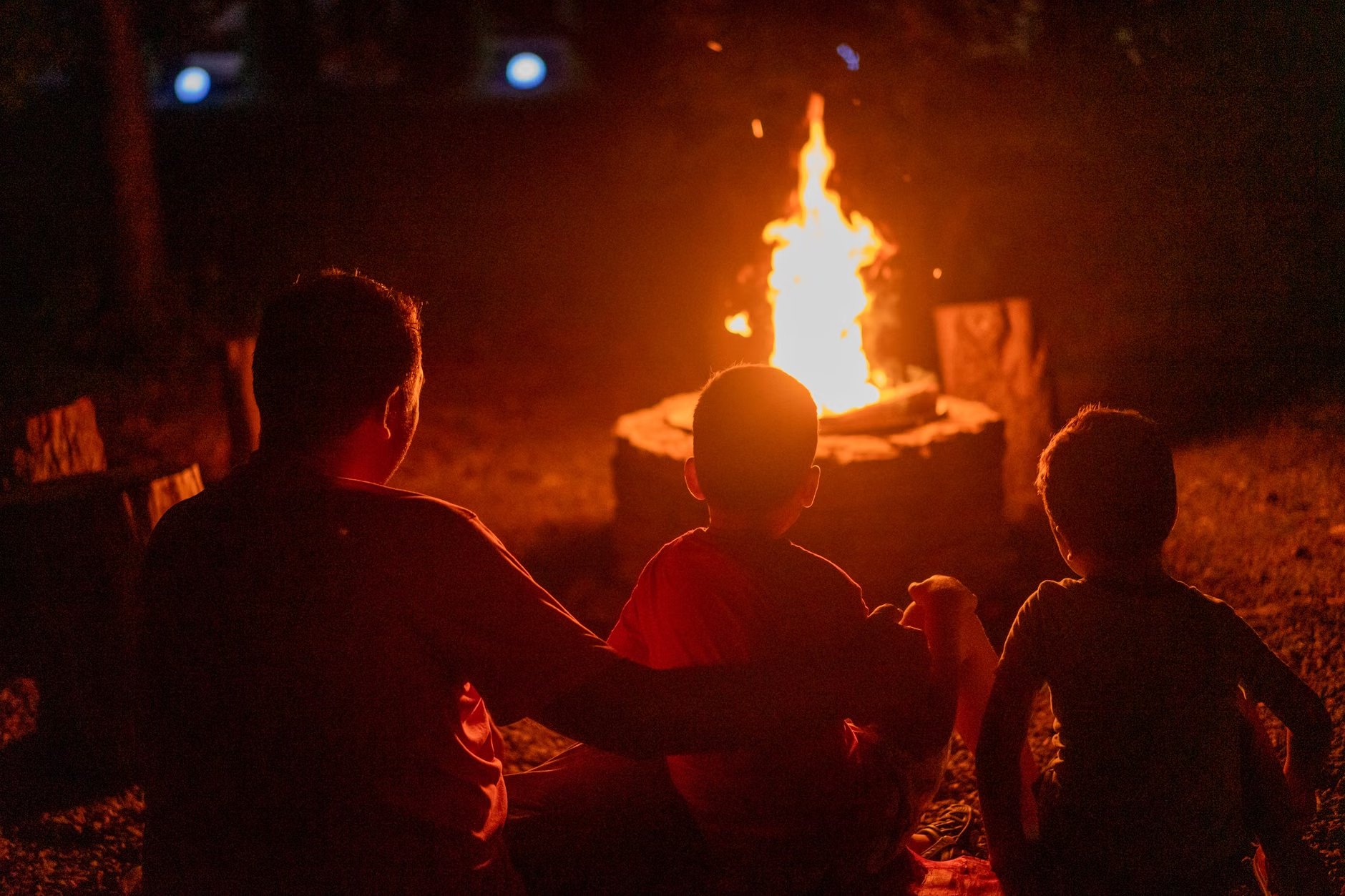
Glamping is often sold as a “perfect” experience, but let’s be honest: kids are kids. Whether you are in a tent or a cabin, they will get dirty, they might get bored, and they will likely wake up early. The beauty of glamping is that you have a bit more space to manage these realities than you would in a cramped tent.
Bring a “nature kit” for the kids. This doesn’t need to be expensive. Include a magnifying glass, a notebook for sketching, and a list of things to find (a smooth rock, a pinecone, a specific leaf). This keeps them occupied while you enjoy your coffee. Remember, the goal isn’t to create a perfectly curated Instagram moment; it’s to step away from the digital noise and spend time together. If the kids end up playing with sticks for two hours, you have succeeded.
Cautions and Considerations
While budget glamping is a fantastic way to travel, there are a few things to keep in mind. First, always check the “what’s included” list carefully. Some cabins provide mattresses, but not mattress protectors or pillows. Others provide electricity, but no running water. Knowing exactly what is provided saves you from a frantic trip to the store on your first night.
Second, respect the environment. Even if you are in a “glamping” structure, you are still in nature. Follow “Leave No Trace” principles. Pack out everything you pack in, and be mindful of local wildlife. Secure your food, especially if you are in bear country, regardless of how “glamorous” the cabin seems.
Finally, keep your expectations grounded. You are paying for a budget experience, which means you might encounter some dust, a few spiders, or a neighbor who is a bit too loud. This is part of the charm of the outdoors. If you approach the trip with a sense of adventure rather than a demand for perfection, you will find that the lack of luxury is actually a relief.
Glamping doesn’t have to be a luxury purchase. By choosing government-run facilities, using items you already own, and keeping your meal plans simple, you can reclaim the outdoors for your family without the financial stress. It is about the shared experience, the fresh air, and the memories you build—not the thread count of your sheets.
Frequently Asked Questions
Q: Is it really “glamping” if I have to bring my own bedding?
A: Glamping is defined by the comfort of a structured shelter (like a cabin or yurt) rather than a tent. Bringing your own bedding is a standard practice for many budget-friendly rentals and is actually a great way to ensure you sleep on materials you are comfortable with.
Q: How do I find these “budget” glamping sites?
A: Use official government websites for national, state, or provincial parks. Search for “cabins,” “yurts,” or “rentals” within their recreation portals. Avoid third-party booking platforms that specialize in luxury glamping, as they often have significant service fees.
Q: What should I do if the cabin has no bathroom?
A: Most “camper cabins” are located near a communal washroom block. If you are worried about late-night trips, bring a high-quality flashlight or headlamp and consider a portable, battery-operated lantern for the kids. It’s a minor inconvenience that is usually well worth the cost savings.
For more information on planning your next outdoor adventure, check out these resources:
National Park Service (USA)
Parks Canada
Recreation.gov (Federal Recreation Reservations)