The most important rule of solo-parent travel is that simplicity is your greatest safety net: by reducing the variables—luggage, complex transit schedules, and impulsive itinerary changes—you gain the mental bandwidth to handle the unexpected.
- Simplify your transit: Opt for direct flights and pre-booked private transfers to eliminate the stress of navigating public transport with luggage and children.
- Document redundancy: Carry both physical and digital copies of all identification, medical records, and travel consent forms for every international border crossing.
- Accommodation strategy: Choose apartment-style stays or hotels with 24/7 reception to ensure you have a secure, “home-like” base that provides support services if needed.
There is a specific kind of internal dialogue that happens when you realize you are the only adult in the room—or in this case, the only adult in the airport terminal, the train carriage, or the foreign city square. You are the navigator, the luggage porter, the snack dispenser, and the crisis manager all rolled into one.
Solo-parent travel isn’t about being a superhero; it is about being an efficient project manager. When you have no partner to trade off with, the “logistics of one” becomes the primary framework for your trip. If you are in your 30s or 40s, you likely value efficiency over the chaotic spontaneity of your twenties. You want to see the world with your child, but you also want to make sure everyone makes it to the hotel without a meltdown or a lost passport.
The Art of the Pre-Departure Audit
Before you even step out of your front door, your safety begins with an audit. Most travel mishaps for solo parents stem from a lack of preparation regarding “what-if” scenarios. You need to treat your trip like a small-scale expedition.
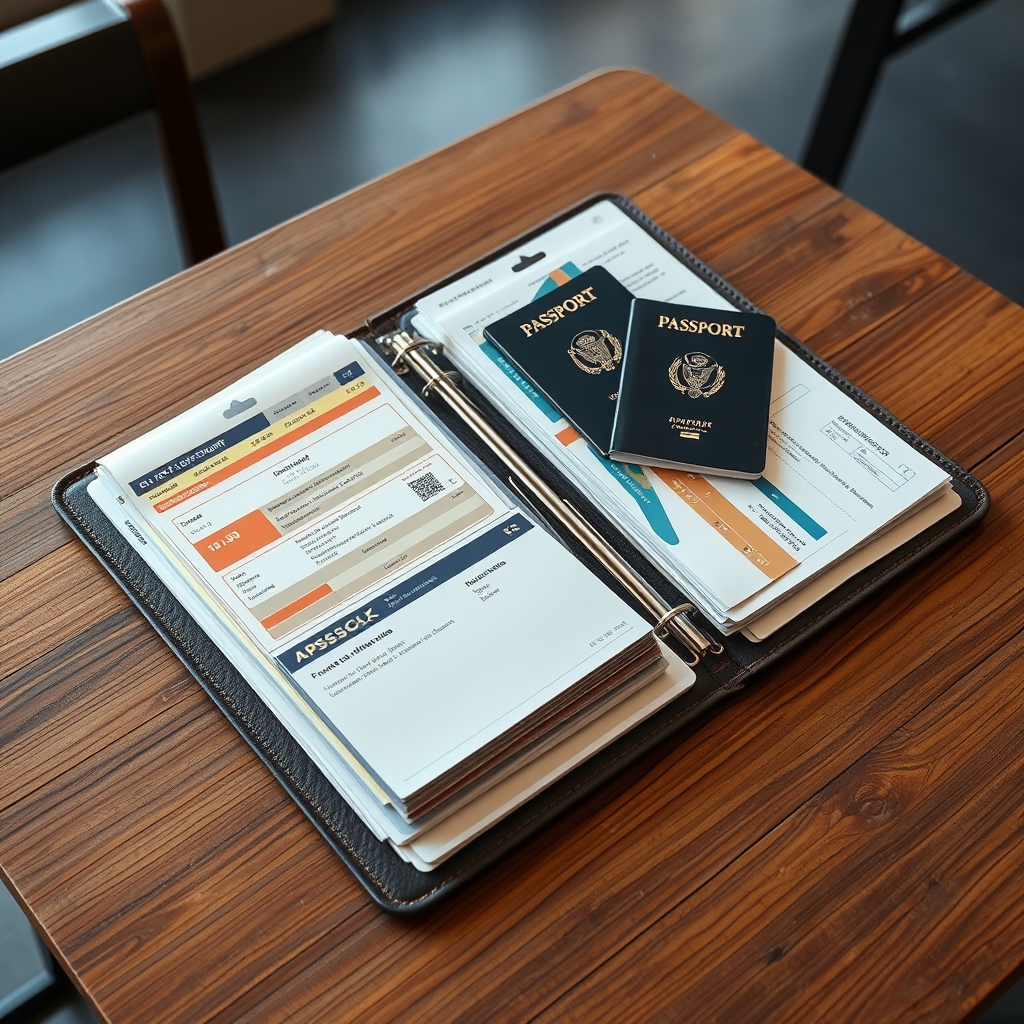
Start by centralizing your information. I suggest a physical binder or a dedicated, waterproof folder. Digital apps are fantastic, but they can fail when your battery dies or you lose signal in a remote area. A physical folder containing your flight confirmations, accommodation addresses, emergency contact numbers, and medical history for your child is a non-negotiable insurance policy.
The “Solo-Parent” Document Checklist:
| Document Type | Purpose |
|---|---|
| Notarized Consent Form | Required for international travel if the other parent is not present. |
| Medical History Summary | Allergies, blood type, and current medications for your child. |
| Consulate/Embassy Info | The location and contact of your home country’s nearest mission. |
| Insurance Policy | Full contact details for your travel insurance provider. |
Beyond the paperwork, check the local laws of your destination regarding solo parents. Some countries have specific entry requirements to prevent international child abduction. Even if you are the sole legal guardian, having a court order or a birth certificate that shows your parental status can save you hours of interrogation at customs.
Strategic Luggage: Why Less is Actually More
The biggest physical threat to your sanity as a solo traveler is excess weight. If you cannot manage your luggage and your child simultaneously, you are vulnerable. You need to be able to move quickly if a train is delayed or a taxi drop-off point is further from the hotel than expected.
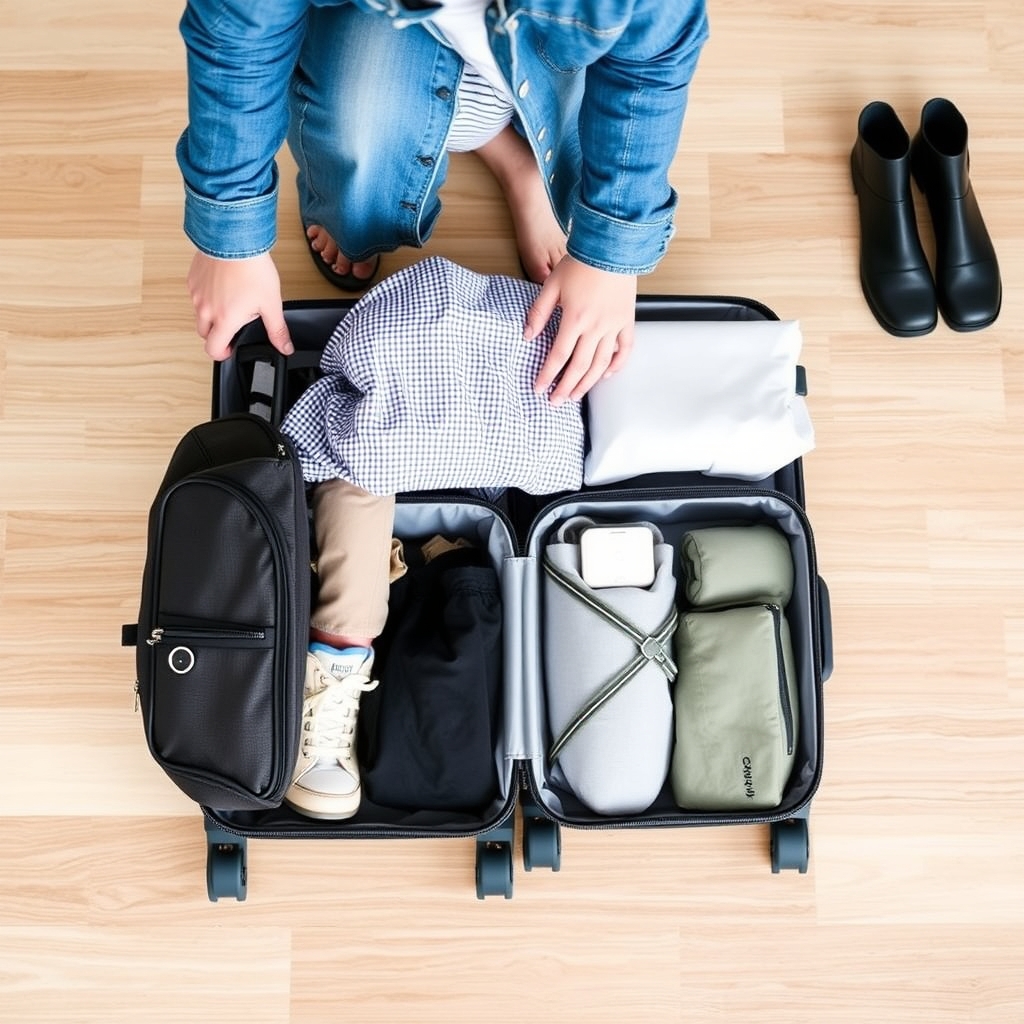
The “one-hand rule” is my favorite heuristic: you should always have one hand free to hold your child’s hand or to grab a document. If you are dragging two oversized suitcases, you are compromised. Invest in high-quality, lightweight luggage with four spinner wheels. A backpack for your child (if they are old enough) is a great way to encourage independence while reducing your own load.
When packing, think in “capsule” terms. We often overpack because we fear not having the right item for a specific situation. However, most cities have pharmacies and grocery stores. You are not traveling to a moon base; you are traveling to a place where other parents also live and work. If you forget a specific brand of diapers or a favorite toy, you will survive.
Packing Strategy:
- The “Go-Bag”: Keep a small bag with essentials (passports, snacks, tablets, chargers) that stays on your person at all times, never in checked luggage.
- The 48-hour rule: Pack enough clothing for 48 hours for both of you in your carry-on. If your checked bag is lost, you have two days of breathing room.
- Tech minimalism: Bring one universal power adapter and one power bank. Avoid bringing a laptop unless absolutely necessary; a tablet or smartphone can handle most travel bookings.
Public transport is a wonderful way to experience a culture, but when you are the only adult, the cognitive load of navigating subway maps, ticket machines, and crowded platforms can be overwhelming. During the first 24 hours of any trip, prioritize private transfers.
Many parents fear that using private cars or taxis is “too expensive,” but consider the cost of an error. If you get on the wrong train or get lost in a transit hub, the stress levels for both you and your child will spike. Using a service like a pre-booked airport pickup means you have a driver waiting with a sign. It is a controlled, safe transition from the airport to your accommodation.
Once you are settled and rested, you can experiment with local transit. By then, you will have a better feel for the layout of the city and the rhythm of the local commuters. Never rush a transition. If you are tired, take a break. The most dangerous moments in travel occur when you are rushing to meet a schedule.
Choosing the Right Accommodation
The hotel you choose when you are traveling with a partner is not necessarily the same one you should choose when you are on your own. You need a “safe harbor.”
Look for accommodations with 24-hour reception. In some regions, boutique Airbnbs are charming, but if you have a plumbing emergency, a lost key, or a medical issue at 3:00 AM, you want the support of a front-desk staff. A hotel or a serviced apartment complex offers that layer of security. It also provides a physical address that is easily recognized by local emergency services and taxi drivers.
Check the location against a “safety map” of the city. While general tourism safety is important, for a solo parent, you also want to be near a supermarket and a park. Having a green space to let your child run around after a day of sightseeing is essential for their mood—and by extension, your peace of mind.
The Daily Routine: Managing Energy and Safety
Solo parenting while traveling requires a shift in how you view the day. You cannot do everything. If you try to fit in three museums, a walking tour, and a fancy dinner, you will burn out by noon. Aim for one primary activity per day. Everything else is a bonus.
This “one-activity” rule preserves your energy. When you are the only adult, you are the only one who can spot a dangerous situation or notice that your child is becoming overstimulated. If you are exhausted, your situational awareness drops.
Establish a “check-in” routine. Every morning, tell your child where you are going and what the plan is. Use “if-then” scenarios: “If we get separated in this park, we go to the fountain.” This keeps safety in the conversation without turning it into a fear-based lecture. Make it a game. In crowded areas, use a “buddy system” or, if your child is very young, consider a discreet tracking device or a temporary tattoo with your phone number on their arm.
Common Pitfalls and How to Avoid Them:
- The “Dinner Time” Trap: Eating out alone with a child at 8:00 PM is a recipe for disaster. Aim for earlier dinners or embrace the “picnic” culture. Buying high-quality local food from a market and eating in your room is often more relaxing.
- Ignoring the “Hangry” Factor: Always carry snacks. Never assume you will find a restaurant exactly when you need one.
- Over-Sharing: When talking to strangers, do not volunteer that you are traveling alone. If asked, say, “My partner is meeting us later” or “We are meeting friends.” It is a small white lie that adds a layer of social security.
Digital Safety and Connectivity
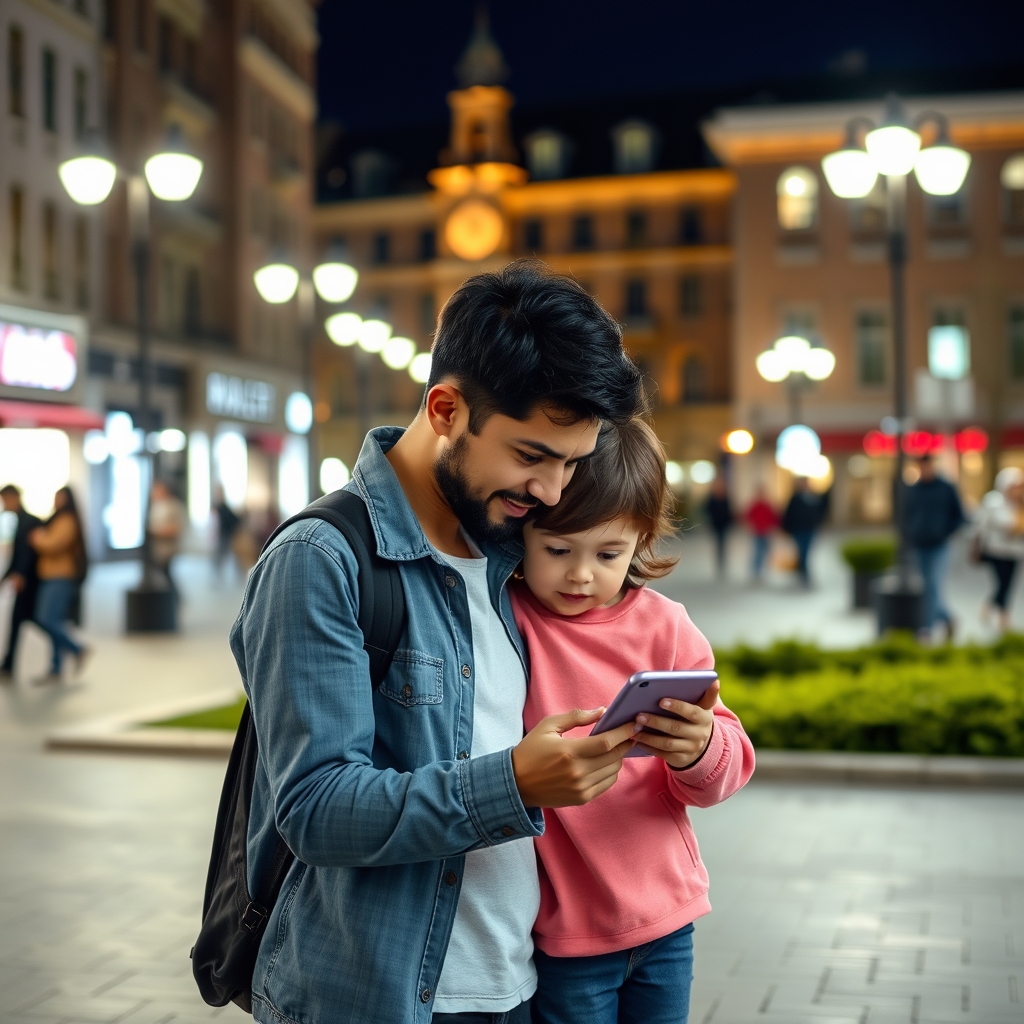
In the modern era, connectivity is your lifeline. Before you leave, ensure your phone plan includes international roaming or purchase a local eSIM. An eSIM (embedded SIM) is a game-changer. You can set it up before you land, and you will have data the moment you walk off the plane. Having Google Maps, translation apps, and your hotel’s contact info at your fingertips is essential.
However, do not let technology become a distraction. When you are walking through a city, put the phone away. If you need to check the map, duck into a shop or a quiet corner. Standing on a street corner, looking confused while staring at a phone, marks you as a tourist—and specifically, a vulnerable one. Be intentional about your environment.
Legal and Medical Preparedness
It is uncomfortable to think about, but what happens if you get sick? You should have a plan. Keep a list of English-speaking clinics or hospitals in the city you are visiting. Many travel insurance companies have a 24/7 hotline that can direct you to vetted medical facilities. Knowing this information beforehand prevents panic.
Furthermore, ensure your child’s vaccinations are up to date and that you have a supply of any regular medication they take, plus a basic first-aid kit. I carry a small kit with rehydration salts, basic pain relief, and antiseptic wipes. These items are often harder to find in a foreign pharmacy due to language barriers.
The Psychological Aspect of Solo Travel
There is a unique pride in managing a trip on your own. You will find that you are more observant and more connected to your child because you aren’t distracted by an adult conversation. You are building a shared narrative that is entirely yours.
However, acknowledge that you will feel lonely at times. This is normal. Bring a book, a journal, or a podcast to listen to during the quiet moments. Use the evenings to reflect on the day. Remember that your child is learning independence and resilience by watching you navigate the world with confidence.
If things go wrong—and they likely will at some point—take a deep breath. A missed bus or a spilled drink is not a catastrophe. It is just a story you will tell later. By keeping your cool, you teach your child that obstacles are simply problems to be solved, not reasons to give up.
Frequently Asked Questions
1. Is it safe to travel solo with a child in a foreign country?
Yes, millions of parents do it every year. Safety is largely about preparation. By choosing well-traveled destinations, staying in secure, reputable accommodations, and maintaining a high level of situational awareness, you can significantly mitigate risks. Always research the specific safety culture of your destination before booking.
2. What should I do if I feel overwhelmed during the trip?
Stop. Change the environment. If you are in a crowded city center, head to a park or back to your hotel. It is perfectly fine to have a “down day” where you do very little. Prioritizing your mental well-being ensures you remain a capable, alert guardian for your child.
3. How do I handle legal requirements for international border crossings?
Always carry a notarized letter of consent from the other parent if they are not traveling with you. This document should state that you have permission to travel with the child and include contact information. Check the embassy website of your destination country for specific “minor travel” requirements, as these vary significantly by region.
Solo-parent travel is a masterclass in logistics, but it is also a profound way to bond with your child. You are showing them that the world is accessible and that you are capable of navigating it. Keep your plans simple, your documents organized, and your expectations grounded. The rest will fall into place.
For more information on international travel requirements, you can consult the U.S. Department of State’s travel portal or your country’s equivalent foreign affairs department. These resources provide updated security levels and entry requirements for every country on earth.