A minimalist nursery isn’t just about achieving a clean aesthetic for your Instagram feed; it is a scientifically grounded approach that significantly reduces sensory overload and promotes deeper, more meaningful developmental play.
- Reduced Sensory Overload: Fewer visual distractions help infants and toddlers focus on the task at hand, whether it is sleep or play.
- Enhanced Creativity: When playrooms are not cluttered with plastic gadgets, children are forced to use their imagination to invent new ways to interact with simple objects.
- Easier Maintenance: A minimalist room is faster to tidy, which reduces parental stress and gives you more time to focus on quality interaction rather than constant cleanup.
If you are in your 30s or 40s, you likely remember a childhood where your toy box was a chaotic abyss of plastic parts, half-finished board games, and stuffed animals that hadn’t seen the light of day in years. Fast forward to today, and the market for baby gear is even more aggressive. From smart cribs that monitor breathing to interactive light-up floor mats, the sheer volume of “developmental” tools can feel overwhelming. But have you ever noticed that after a day of being surrounded by blinking lights and noise, your child seems more irritable, not more engaged?
This is where the concept of “less is more” enters the conversation. Minimalism in the nursery is not about depriving your child; it is about curating an environment that allows their brain to process information without being bombarded by unnecessary stimuli.
The Science of Sensory Overload and Your Child’s Brain
The human brain, especially in its early stages of development, is an information-processing machine. When an environment is filled with too many colors, flashing lights, and competing sounds, the brain has to work harder to filter out what is important. This is known as sensory overload. While adults can often tune out a cluttered desk or a noisy coffee shop, infants and toddlers are still developing these executive function skills.
Research published in journals like Infant Behavior and Development suggests that toddlers with fewer toys in their immediate environment actually engage in higher quality play. When you remove the clutter, you aren’t just making the room look bigger; you are giving your child the mental bandwidth to explore the properties of a single block, a piece of fabric, or a wooden car. They aren’t constantly switching their attention from one toy to the next, which is the hallmark of the “boredom” we often mistakenly try to solve by buying more things.
Think of it like a buffet. If you are presented with 50 different dishes, you are likely to take a small bite of everything and end up feeling unsatisfied or overwhelmed. If you are presented with one high-quality, nutritious meal, you focus on the flavors and the experience of eating. The nursery should be treated with the same philosophy.
Curating the Environment: What Stays and What Goes
Transitioning to a minimalist nursery doesn’t mean you have to throw everything away. It is about intentionality. Start by evaluating the items currently in the room. Ask yourself: Does this toy encourage open-ended play? Is it durable? Does it require the child to do the work, or does the toy do the work for them?
A “toy that does the work” is something that flashes, makes noises, and moves on its own. These items provide instant gratification but very little long-term engagement. Conversely, open-ended toys—blocks, scarves, wooden figures, or simple puzzles—require the child to supply the imagination. These are the tools that build problem-solving skills and spatial awareness.
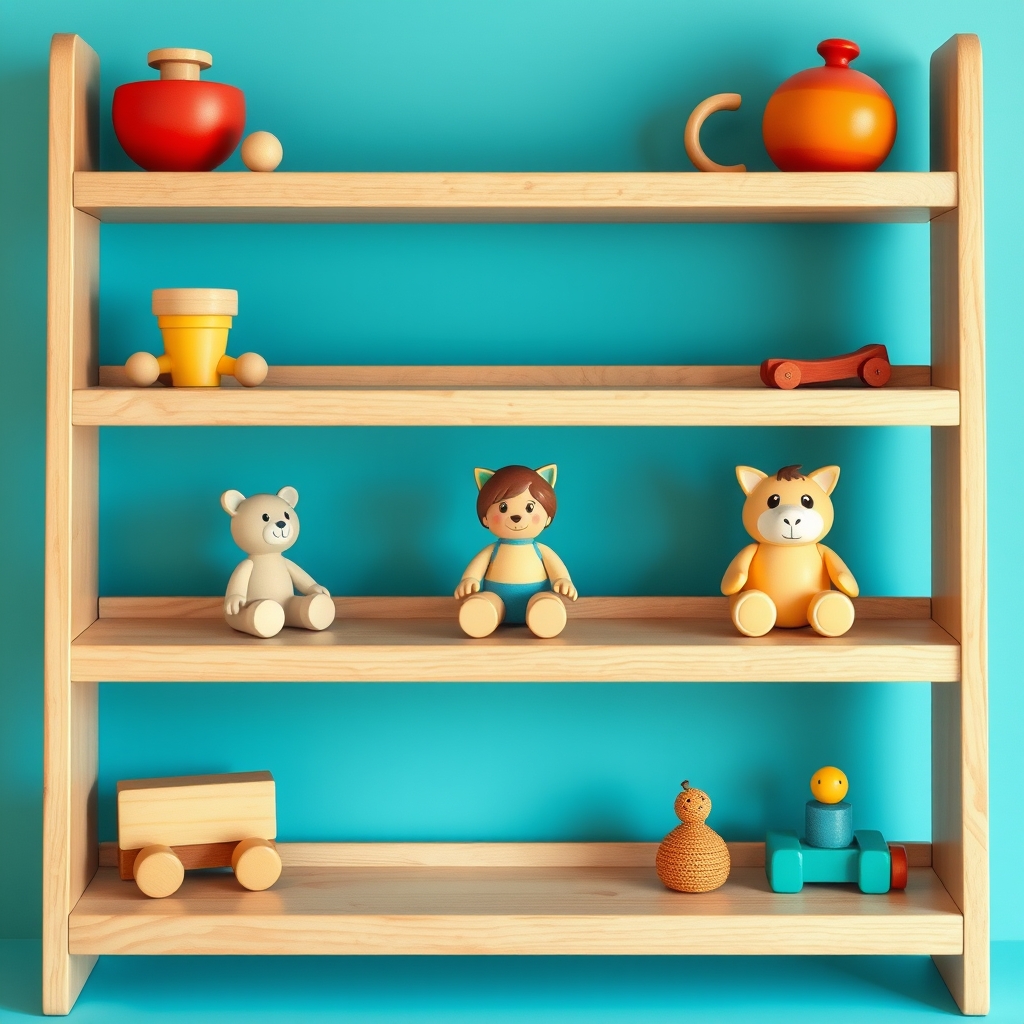
To help you organize, consider this simple framework for rotating your child’s environment:
| Category | Action | Reasoning |
|---|---|---|
| The Floor | Clear 80% of floor space | Allows for gross motor movement and safe exploration. |
| The Toy Box | Implement a rotation system | Keeps toys “fresh” and prevents sensory burnout. |
| Visuals | Use soft, neutral palettes | Reduces cortisol levels and creates a calming sleep space. |
The Power of the Rotation System
Many parents worry that a minimalist room will feel “boring.” This is a common misconception. The secret to keeping a minimalist room engaging is the rotation system. Instead of having all 50 toys available at once, keep 40 of them in a closet or a storage bin in the garage. Display only 10 items at a time on low, accessible shelves.
Every two weeks, swap the items out. When the “old” toys come back out of storage, they are greeted with the same excitement as a new gift. This not only keeps the room clean but also teaches children to respect and care for their belongings. They learn that they don’t need everything at once to have a good time.
This approach also helps parents in their 30s and 40s who are already juggling professional lives and household management. When you have fewer items to manage, the mental load of “tidying up” decreases significantly. A room that takes five minutes to reset is a room that you are more likely to keep organized, which in turn models good habits for your children.
Creating a Dedicated Space for Deep Work (Play)
Just as we adults need a quiet space to focus on a report or a project, children need a dedicated space for deep play. This doesn’t require a separate playroom. Even a corner of a shared bedroom can be transformed into a “workstation” for your child.
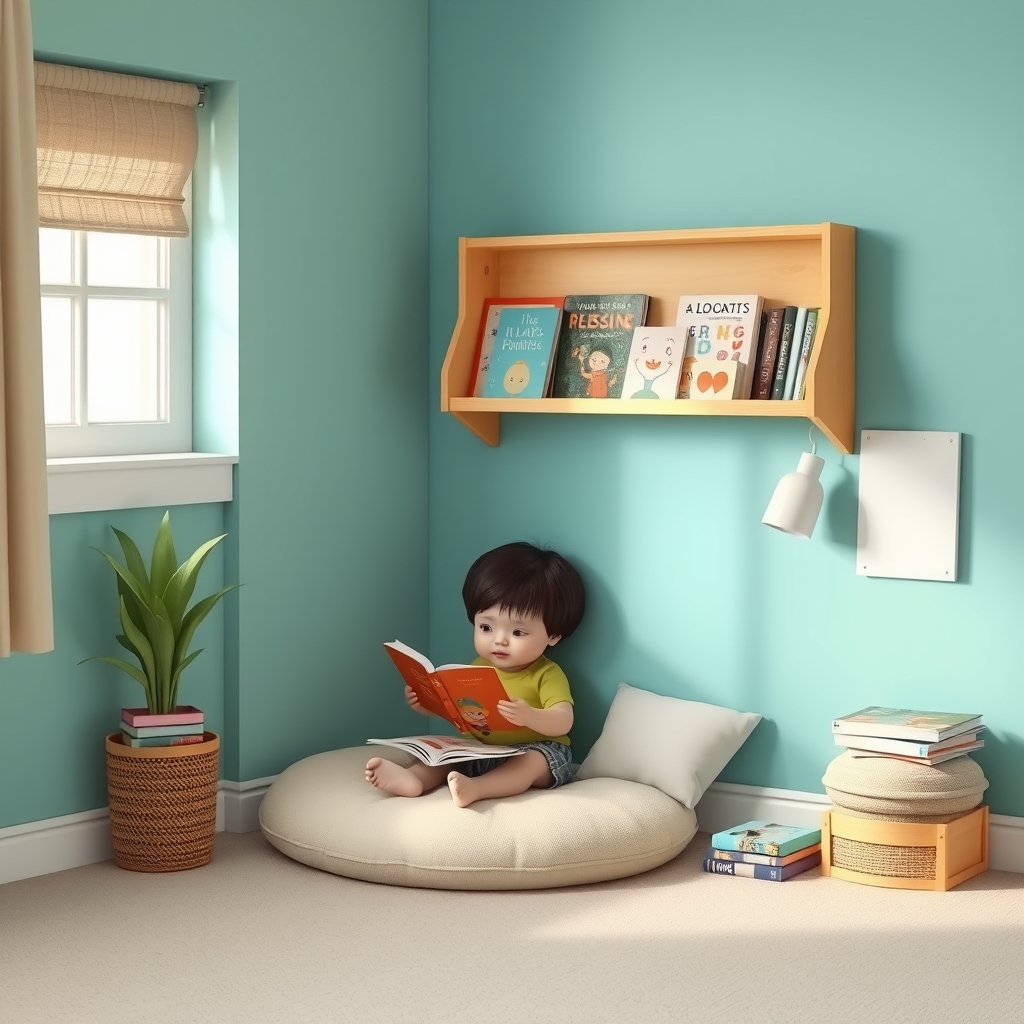
In this corner, keep the items limited. A soft floor rug, a small, sturdy bookshelf (with books facing outward so the covers are visible), and perhaps a basket with a few specific items like blocks or a soft doll. By designating this area as the “play zone,” you are signaling to your child that this is where they go to focus on their activities. It separates the “active” energy of play from the “restful” energy of the sleep area, even in a small room.
Avoid placing electronic devices, tablets, or even too many stuffed animals in this specific zone. The goal is to keep the stimuli low so the imagination can run high. If your child is struggling to sit with a toy, observe them. Are they overwhelmed by the sheer number of options? Often, simply removing two or three items from their immediate view is enough to help them settle into a period of sustained, calm play.
Addressing Common Misconceptions: Is Minimalism Cold?
A common critique of the minimalist aesthetic is that it feels “clinical” or “cold.” It is easy to look at a Pinterest photo of an all-white room and feel like it lacks the warmth of childhood. However, minimalism is not about removing personality; it is about removing distraction.
You can (and should) incorporate warmth into a minimalist nursery. Use natural materials like wood, wool, organic cotton, and rattan. These textures are inherently tactile and provide sensory input that is much more grounding than the slick, synthetic feel of plastic. A hand-knitted blanket, a piece of artwork from a family member, or a small plant can add significant character to a room without contributing to visual clutter.
The goal is a room that feels “breathable.” When you walk into the room, your shoulders should drop. If you feel like you are walking into a warehouse of toys, it is time to reassess. Your child will thrive in an environment where they feel at ease, and a calm, organized room is one of the best gifts you can provide for their developing nervous system.
Practical Tips for Implementation
If you are ready to start, don’t feel like you need to overhaul the entire room in a weekend. Start small. Here are some actionable steps to get you moving:
- The 15-Minute Edit: Spend 15 minutes once a week looking at the toy bin. Remove any broken items, toys that have lost their appeal, or duplicates. Donate or recycle them.
- Vertical Storage: Use wall-mounted shelves to keep the floor clear. This makes the room feel larger and makes cleaning the floor much faster.
- Labeling with Pictures: If you use bins, use small picture labels. This helps children learn to put things back in their proper place, which is a key part of the Montessori-inspired approach to independence.
- Lighting: Swap out bright, overhead lights for warm, indirect lighting like a floor lamp or a salt lamp. This helps regulate the child’s circadian rhythm, especially in the evening.
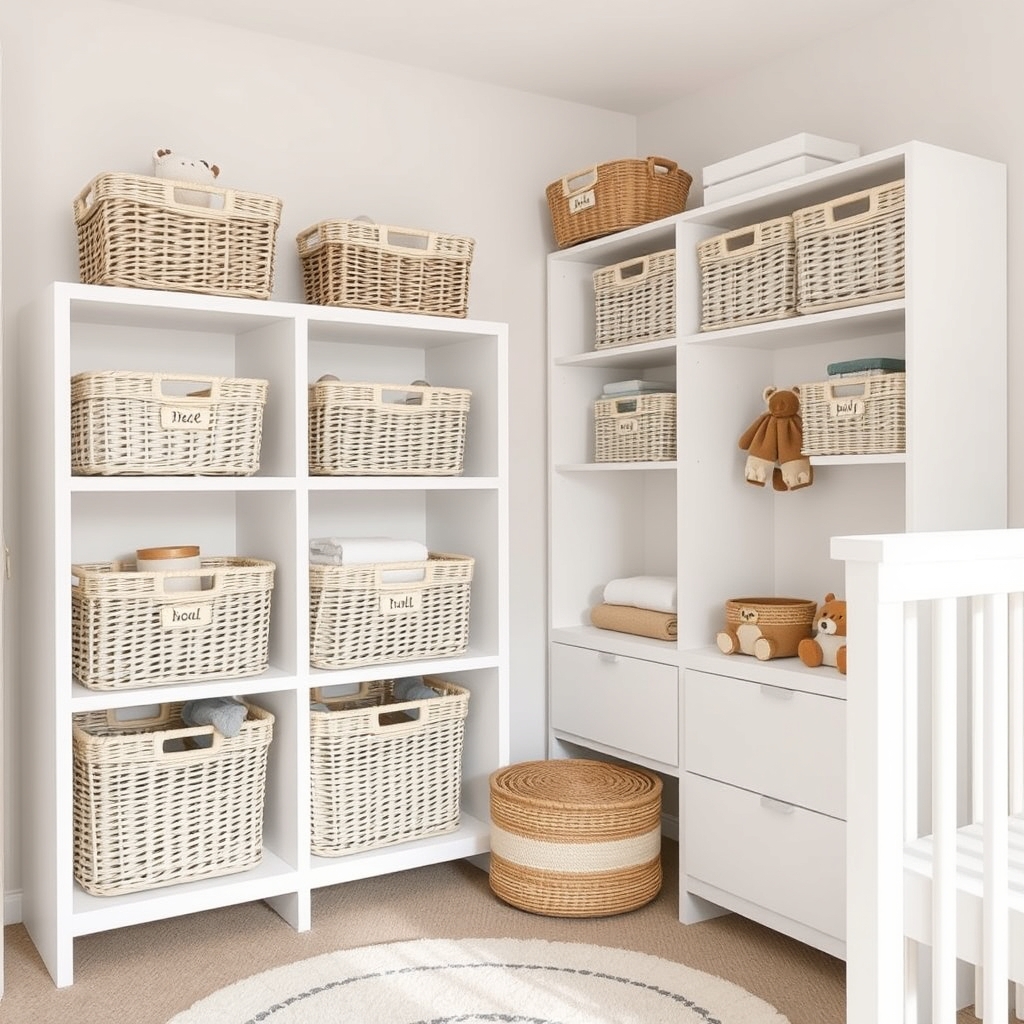
Remember that you are the primary filter for your child’s environment. You decide what comes into the house. Before purchasing a new toy, ask yourself: Does this add value to my child’s development, or is it just a temporary distraction? Being a “gatekeeper” for your home’s inventory is one of the most effective ways to practice minimalism.
The Long-Term Implications for Family Life
Adopting a minimalist nursery is not just about the child; it is about the entire family dynamic. When the house is less cluttered, the ambient stress level of the parents drops. You spend less time searching for missing toy parts and more time sitting on the floor, observing your child’s discoveries. You move from being a “manager of stuff” to a “facilitator of growth.”
As your child grows, this minimalist foundation will serve them well. They will learn the value of quality over quantity. They will understand that they are responsible for their space. They will develop the ability to focus—a skill that is becoming increasingly rare in our modern, hyper-connected world. These are life skills that extend far beyond the toddler years.
If you find yourself feeling guilty about not having a room filled with the latest “must-have” items, remind yourself of the objective. Your child doesn’t need a room that looks like a toy store aisle. They need a parent who is present, a space that is safe, and the freedom to explore at their own pace. Less clutter equals more freedom, and in the context of child development, that is the ultimate luxury.
Frequently Asked Questions
1. Is a minimalist nursery too boring for a child to grow in?
Not at all. In fact, it is the opposite. When a room is not filled with passive, battery-operated toys, the child is forced to become the active participant in their play. They use their imagination to transform simple objects, which is far more stimulating for a developing brain than watching a toy perform for them.
2. How do I handle gifts and toys from well-meaning relatives?
This is a common challenge. You can be grateful for the gift while being firm about your home’s needs. Try rotating the gifted toys into your system. If they don’t fit your minimalist goals, you can always donate them to a local shelter or family in need. You are not obligated to keep every gift your child receives; the priority is maintaining a healthy, manageable environment for your child.
3. Does minimalism mean I have to get rid of all my child’s favorite things?
Minimalism is not about deprivation. It is about curation. If your child has a “lovey” or a specific toy they are deeply attached to, keep it! The goal is to remove the excess that causes distraction and clutter, not to remove the items that bring your child genuine comfort and joy. Use your judgment to identify what is truly being played with and what is just taking up space.
Official Resources for Further Reading:
- American Academy of Pediatrics (AAP) – Healthy Children: Provides general guidance on child development and safe play environments.
- ZERO TO THREE: An excellent resource for understanding how infants and toddlers learn through their environment.
The path to a minimalist nursery is a journey, not a sprint. Start by clearing one shelf or one bin. Observe how your child interacts with the space afterward. You will likely find that they are calmer, more focused, and ultimately happier with fewer distractions. Keep it simple, keep it intentional, and enjoy the peace that a decluttered home brings to your daily life.