- The 2026 updates mandate that manufacturers provide spare parts and repair manuals for a wider range of household appliances and digital devices, not just smartphones.
- Software locks, which previously prevented third-party repairs, are now legally restricted, meaning you can finally replace parts like screens or batteries without losing core functionality.
- You should prioritize “repairability scores” when shopping for new appliances, as this will directly impact your ability to fix them independently in the coming years.
If you have ever spent a frustrating afternoon waiting for a “certified technician” to tell you that your three-year-old washing machine is “too expensive to fix,” you are not alone. The landscape of consumer ownership is shifting dramatically. As of 2026, new international legislative frameworks are finally catching up to our reality: we want our stuff to last, and we want the right to fix it ourselves.
The “Right-to-Repair” movement has moved from niche hobbyist forums into mainstream law. This isn’t just about saving a few dollars on a service call; it is about reclaiming control over the expensive hardware that runs our households. Whether it is a smart oven that won’t heat or a laptop that has slowed to a crawl, the 2026 updates mean manufacturers are legally obligated to provide the tools, parts, and information you need to keep your gear running.

Why 2026 is the Turning Point for Consumer Rights
For years, the “planned obsolescence” model—where products are designed to fail or become unsupported after a few years—has been the industry standard. Companies argued that allowing users to open their devices posed safety risks or intellectual property threats. In reality, it was a strategy to force expensive upgrades.
The 2026 updates change the math. By requiring manufacturers to make parts available for a minimum of seven to ten years (depending on the product category), the law essentially forces companies to design for longevity. For those of us in our 30s and 40s, this is a massive win for the family budget. When a dishwasher breaks, the choice is no longer between “buy a new $1,200 unit” or “pay $400 for a repair that takes two weeks.” The third option is now viable: buy the $40 part, pull up the manufacturer’s official manual, and handle it on a Saturday morning.
This shift matters because it changes the “Total Cost of Ownership” (TCO). When you factor in the ability to perform basic maintenance, a slightly more expensive machine that is “repair-friendly” becomes significantly cheaper over its lifetime than a “disposable” model that requires a proprietary technician for every minor hiccup.
New Categories Added: Beyond Smartphones
While the initial wave of right-to-repair legislation focused heavily on mobile phones and tablets, the 2026 expansion casts a much wider net. We are now looking at protections for a variety of home-centric technologies.
1. Large Kitchen Appliances
Refrigerators, washing machines, and dishwashers are finally being brought into the fold. Manufacturers must now provide public access to service manuals and ensure that critical components—like door seals, pumps, and control boards—are available to the public for a reasonable price. No more “part not available” excuses for a machine that is only four years old.
2. Power Tools and Gardening Equipment
If you have ever had a cordless drill become useless because the proprietary battery pack was discontinued, you know the pain. New regulations now require standardized battery interfaces or the continued production of replacement batteries for a set period. This prevents the “buy a whole new kit” trap.
3. Smart Home Ecosystems
The “Internet of Things” (IoT) often meant that if a company shut down its cloud servers, your smart thermostat or security camera became an expensive paperweight. The 2026 standards include requirements for “local control” or “offline functionality” modes, ensuring that hardware remains functional even if the manufacturer pivots their business model.
Understanding the “Repairability Score”
One of the most practical changes you will notice in 2026 is the introduction of standardized repairability labels at the point of sale. Similar to energy efficiency ratings, these scores tell you exactly how difficult a device is to repair before you take it home.
| Score Category | What it Means for You | Actionable Advice |
|---|---|---|
| High (8-10) | Standard screws, modular parts, accessible manuals. | Ideal for DIY enthusiasts and long-term value. |
| Medium (5-7) | Some proprietary tools needed; limited access to internal parts. | Check if your local repair shop is authorized to work on it. |
| Low (1-4) | Glued-in batteries, proprietary software locks, non-replaceable parts. | Avoid if you plan to keep the device for more than 3 years. |
The score isn’t just a number; it’s a decision-making tool. If you are buying a high-end coffee machine, for instance, a high repairability score should be weighted just as heavily as the brewing quality. If a machine has a score of 2, you are essentially renting it until it breaks, at which point it becomes landfill.
The Battle Against Software Locks
Perhaps the biggest hurdle in the past was the “software lock.” Even if you managed to physically replace a screen or a battery, the device’s software would often refuse to recognize the new part, rendering it useless. This was effectively a digital handcuff.
The 2026 regulations strictly limit this practice. Manufacturers are now required to provide “pairing” tools that allow an owner to calibrate a new part to the system. This means that if you replace the display on your laptop, the system will accept the new hardware without disabling features like biometric security or touch sensitivity. This is a technical nuance, but for the end-user, it represents the difference between a successful repair and a bricked device.
Practical Steps to Becoming a Household “Repairer”
You don’t need to be an engineer to take advantage of these laws. Here is how you can start integrating these practices into your life:
- Keep a “Repair Folder”: When you buy a new appliance, download the digital PDF manual and save it in a cloud folder specific to your home inventory. Do not rely on the manufacturer’s website to host it forever.
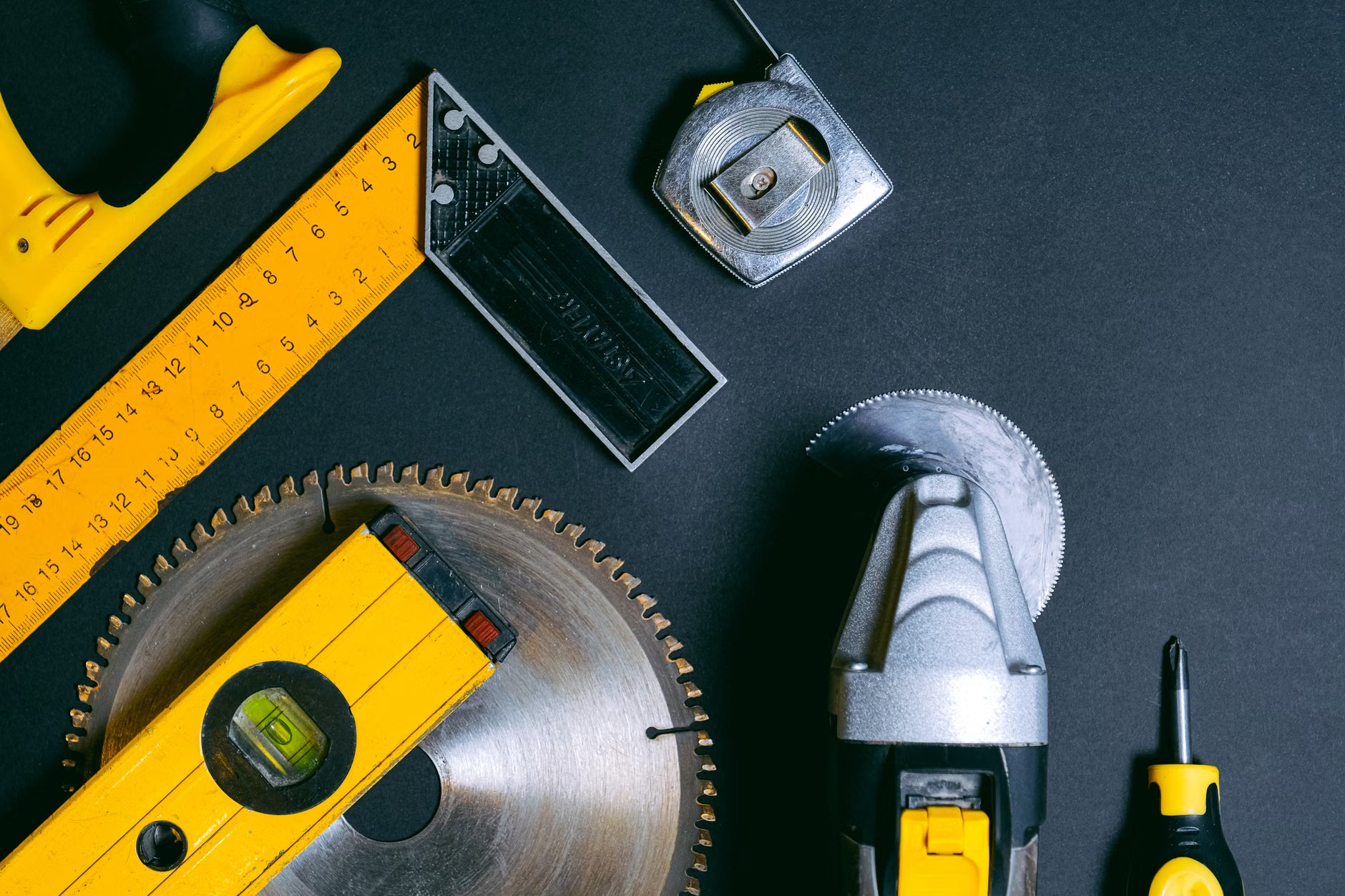
- Invest in a Basic Toolkit: You don’t need a full workshop. A high-quality set of precision screwdrivers (including Torx and Pentalobe bits), a plastic prying tool (spudger), and a magnetic mat are sufficient for 90% of home electronics repairs.
- Check for “Official” Parts: Since 2026, manufacturers are required to list “Authorized Parts” on their websites. Use these rather than cheap, unverified third-party knockoffs from online marketplaces, which often lack the necessary safety certifications.
- Document the Issue: If you are unsure, take a video of the appliance’s error code or behavior. Most repair manuals now include troubleshooting flowcharts that correspond to these codes.
The Hidden Costs of Repair: What to Watch Out For
While the right to repair is a massive step forward, it is important to be realistic. “Right to repair” does not mean “easy to repair.” Some devices are inherently complex. A high-end dishwasher with a touch-screen control panel is still a complex piece of engineering. If the motherboard fails, the repair will still be costly, even if the parts are legally available.
Another overlooked variable is the “Safety-First” rule. If you are dealing with high-voltage appliances like microwaves or large heating elements, there is a legitimate risk of electrical shock. The 2026 laws mandate that manufacturers provide safety warnings, but they cannot replace common sense. If a repair involves opening a sealed high-voltage capacitor, do not attempt it unless you have specific training. The goal is to empower you, not to put you in danger.
Furthermore, consider the “Time vs. Value” trade-off. If you have a busy life with children, you have to weigh the time spent researching and performing a repair against the cost of a professional service. Sometimes, the most efficient path is to use the official manual to identify the exact part needed, order it yourself, and then hire a technician just for the labor. You save the “mark-up” on the part and ensure the job is done with the correct components.
Building a Sustainable Home Culture
Beyond the personal financial benefits, this shift is part of a larger, necessary move toward sustainability. We live in an era where electronic waste is one of the fastest-growing waste streams globally. By extending the life of our appliances by even two or three years, we collectively reduce the demand for raw materials and the energy required to manufacture, package, and ship new units.
Teaching our children that things can be fixed rather than discarded is a valuable lesson. When you sit down to replace a battery in a toy or fix a loose hinge on a cabinet, you are modeling a mindset of stewardship. It moves us away from the “disposable” culture that has defined the last two decades and toward a more thoughtful, intentional way of living.
As we move through 2026 and beyond, watch for how companies respond. Some will embrace this as a branding opportunity, marketing their “Repairability Score” as a badge of honor. Others will try to comply with the letter of the law while making the process as obscure as possible. Your power as a consumer lies in your choice to support the companies that make repairability a core feature of their design philosophy.
Start today by checking the repair status of the devices you use most often. Are the batteries replaceable? Is there a manual available? Knowing the answers to these questions will help you make better decisions the next time you need to upgrade your home tech. Remember, the goal isn’t to turn everyone into a professional technician, but to ensure that when your device encounters a problem, you have the choice to fix it.
Frequently Asked Questions
Q: Does the 2026 Right-to-Repair law force manufacturers to fix my device for free?
A: No. The law mandates that manufacturers must provide the means for repair—such as spare parts, diagnostic tools, and manuals—at a reasonable cost. It does not mandate free repairs or free labor. You are still responsible for the cost of parts and the labor involved, whether you perform it yourself or hire a professional.
Q: Can I use third-party parts, or am I forced to buy from the manufacturer?
A: You are free to use third-party parts, but the 2026 updates specifically ensure that the manufacturer cannot use software locks to prevent your device from working with those parts. However, for safety and compatibility, using official parts is still recommended, especially for critical components like batteries or power supplies.
Q: Does this apply to all electronic devices, including my older models?
A: The 2026 legislation generally applies to new products sold after the implementation date. While some manufacturers may voluntarily provide support for older models, they are not legally obligated to retroactively provide parts or manuals for devices that were discontinued years before the law took effect.
For more detailed information on specific regional implementations of these laws, please refer to the official documentation from the Federal Trade Commission (FTC) regarding consumer protection or your local equivalent trade authority.