The most restorative family weekend you can have right now isn’t found at a distant resort or a crowded theme park; it is found by strictly limiting your travel radius to within 10 kilometers of your front door.
- The 10-Kilometer Rule: By capping travel at 10km, you eliminate “transition fatigue”—the stress of packing, traffic, and long-haul logistics—allowing for immediate relaxation.
- Depth Over Breadth: Hyper-local tourism focuses on repeated visits to specific neighborhood hubs, allowing children to develop a sense of ownership and familiarity with their own environment.
- Sustainable Efficiency: This approach significantly reduces carbon footprints while lowering weekend spending, typically saving 40-60% compared to traditional weekend getaways.
If you are in your 30s or 40s, you know the specific brand of exhaustion that comes with planning a “family weekend away.” By the time you have coordinated the logistics, packed the secondary bags, navigated the highway traffic, and checked into a hotel, you are already spent. The irony is that the actual leisure time is often dwarfed by the transit time. This is why the shift toward “hyper-local” tourism—exploring the immediate vicinity of your own home—is becoming more than just a trend; it is a necessary survival strategy for the modern working parent.
Why the “Travel” Mindset is Actually Hindering Your Rest
We often conflate “vacation” with “distance.” There is a persistent cultural narrative that for a trip to count, it must involve a significant change in geography. However, for parents managing careers, school schedules, and household maintenance, this distance is a liability. When you travel 200 kilometers away, you are essentially moving your domestic responsibilities to a different, less convenient location. You still have to manage snacks, nap times, and temper tantrums, but now you have to do it in an unfamiliar space where you don’t know where the nearest pharmacy is or which parks are actually toddler-friendly.
Hyper-local tourism flips this script. It treats your immediate surroundings—the neighborhood you live in, the next town over, or the district you work in—as a destination. When you stop viewing your local area as a “commute zone” and start viewing it as a “discovery zone,” your perspective shifts. You are no longer navigating transit; you are curating experiences.

The primary benefit here is the reduction of cognitive load. By staying within a 10km radius, you eliminate the “what if” anxiety associated with long-distance travel. If you forget a crucial item—a specific toy, an extra pair of socks, or even a charger—the “cost” of that mistake is a 15-minute trip home rather than a ruined afternoon. This low-stakes environment is exactly what allows parents to actually relax rather than constantly managing risks.
The Mechanics of a Successful Hyper-Local Weekend
To make a hyper-local weekend feel like a genuine getaway rather than just “another Saturday at home,” you need to apply the same intentionality you would to a trip to Paris or a mountain cabin. It requires a departure from your standard routine. If your normal Saturday is spent running errands, your hyper-local weekend must be spent doing things you would only do if you were a tourist in your own city.
Step 1: The “Tourist” Audit. Most of us live in areas with hidden gems we ignore because they are “always there.” Search your local municipal tourism board or community Facebook groups for “hidden spots” or “small local museums.” You are looking for places you have never visited. If you have lived in your neighborhood for five years and haven’t visited the local library’s rare book collection or the community botanical garden, that is your target.
Step 2: The “No-Chore” Boundary. This is the hardest part. You must treat the weekend as if you are staying in a hotel. Do not do laundry. Do not grocery shop for the week. Do not clean the garage. If you are physically present in your home, you will be tempted to work. If you find this impossible, physically leave the house at 9:00 AM and return only when it is time to sleep.
Step 3: Curate the Itinerary. Treat your 10km radius like an itinerary. Pick one “anchor” activity for the day—perhaps a visit to a local artisan market or a specific park you’ve never been to—and let the rest be flexible. The goal is to spend 70% of your time in a “leisure state” rather than a “maintenance state.”
| Activity Category | Standard Weekend (Maintenance) | Hyper-Local Weekend (Tourism) |
|---|---|---|
| Food | Cooking at home, cleaning dishes. | Trying a local cafe or bakery you drive past daily. |
| Activity | Errands, grocery shopping, chores. | Visiting a local gallery, park, or historic site. |
| Logistics | Stressful packing, long traffic. | Walking or short local transit (max 20 mins). |
As shown in the table above, the shift is primarily about the intent behind your movements. By intentionally choosing to eat out or visit a cultural site, you elevate the day from a routine weekend to a curated event. This is the difference between “getting through the weekend” and “investing in your family’s memory.”
Common Pitfalls and How to Avoid Them
The most common mistake people make when attempting a hyper-local weekend is “over-scheduling.” Because you aren’t spending hours in the car, you might feel the urge to pack your schedule with five different activities to “make the most of it.” This is a trap. The value of hyper-local tourism is the slowness. If you rush from a museum to a park to a restaurant, you are just recreating the stress of a commute, just with more walking.
Another pitfall is the “home-trap.” If you stay in your house, your brain remains in “work mode.” You will see the pile of mail, the unwashed dishes, or the room that needs painting. To truly disconnect, you need to change your environment. If you want to stay in your neighborhood, find a local cafe or a public space where you can sit and read. The goal is to create a physical separation from your domestic responsibilities.
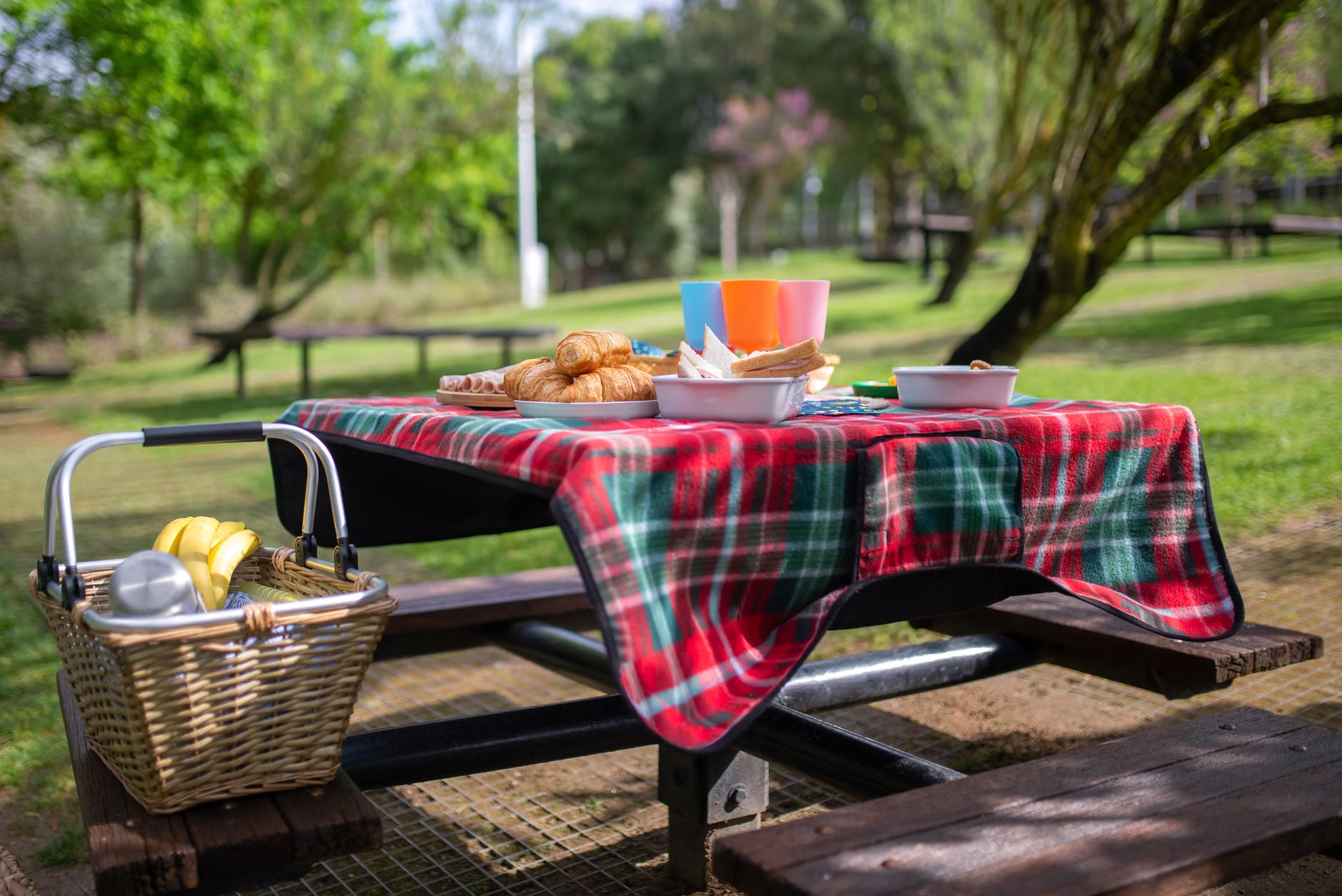
Finally, avoid the “comparison trap.” You might feel that because you aren’t going to a “real” destination, your weekend is less meaningful. This is a cognitive bias. Children do not care about the distance traveled; they care about the novelty of the experience and the undivided attention of their parents. A treasure hunt in a local park is often more memorable for a seven-year-old than a long, stressful flight to a resort where they are expected to sit still for hours.
The Economic and Environmental Reality
Let’s talk about the practical side of things. A typical family weekend getaway—including fuel, tolls, accommodation, and dining out—can easily cost between $500 and $1,500 depending on the location and length of stay. By keeping your weekend within 10 kilometers, you eliminate the accommodation and transport costs entirely. Even if you spend $150 on a nice lunch and some local activities, you are looking at a fraction of the cost of a traditional trip.
This financial freedom allows you to reallocate funds toward higher-quality local experiences. Instead of spending your budget on a mid-tier hotel two hours away, you can spend that money on a private workshop, a high-quality local meal, or an entrance fee to an exhibit that you might have otherwise deemed “too expensive.”
From an environmental perspective, the benefits are clear. The vast majority of carbon emissions from family tourism come from transportation. By choosing to stay local, you are making the single most effective individual choice for reducing your travel-related carbon footprint. This is a tangible way to model sustainable living for your children, showing them that pleasure and adventure don’t always require consumption or long-distance transit.
Developing a “Neighborhood Ownership” Mindset
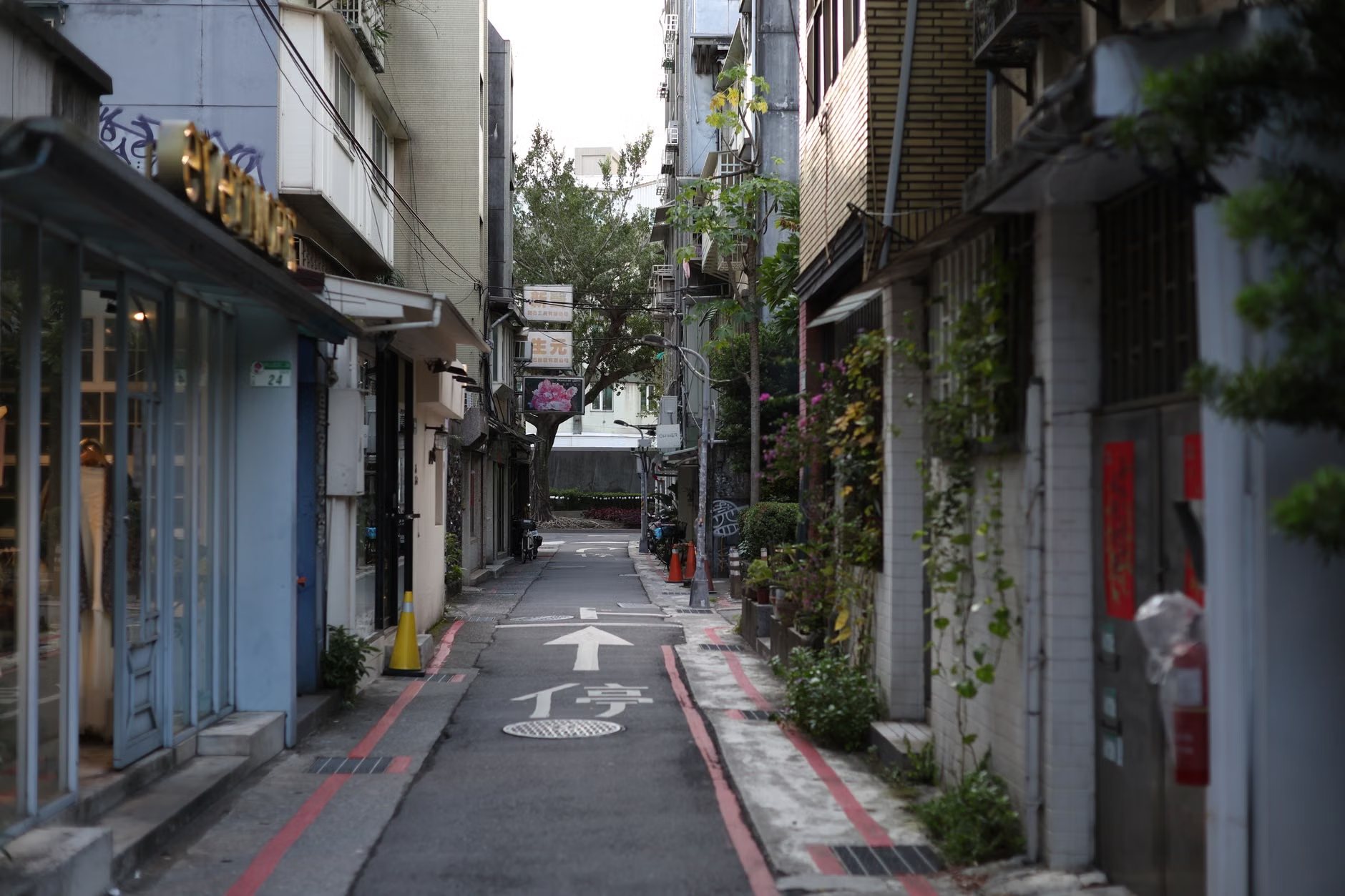
There is a psychological phenomenon called the “familiarity heuristic,” where we tend to value things we know and understand. When you move to a new city, you are an outsider. You don’t know the rhythm of the streets, the best times to visit parks, or the secret entrances to local attractions. By staying local, you eventually move past the “tourist” phase and into the “resident” phase. You start to recognize the staff at the local cafe. You know which park has the best shade at 3:00 PM. You know the exact timing of the local street performers or the quietest hours at the local library.
This sense of belonging is incredibly powerful for children. It gives them a sense of place. When they see their own neighborhood as an exciting, explorable space, they feel more grounded and secure. It turns the “boredom” of being home into the “adventure” of being in their own territory. You are effectively building a map of their world, one weekend at a time.
Practical Steps to Launch Your First Hyper-Local Weekend
If you are ready to try this, don’t just “wing it.” Treat your next weekend like a project. Here is a simple, actionable framework to get you started:
1. The Thursday Night Briefing: Sit down with your partner or family on Thursday. Pick one location within 10km that no one has visited. It doesn’t have to be a major landmark. It could be a local community garden, a specific playground in the next town, or a small independent bookstore. Make this the “anchor” of your Saturday.
2. The “No-Logistics” Prep: On Friday, make sure your car is fueled or your transit cards are topped up. Set out the clothes you need. Do not save these tasks for Saturday morning. The goal is to wake up on Saturday and leave without having to think about “getting ready.”
3. The Digital Detox: While you are out, keep your phone usage to a minimum. Use it only for maps or photos. If you are constantly checking work emails or social media, you are not really “away.”
4. The Post-Trip Ritual: On Sunday evening, ask your kids (or each other) what the “best part” of the weekend was. Often, it won’t be the big event you planned. It will be the ice cream you found on the way, or a funny thing you saw in a park. Document this. It helps to reinforce the idea that local adventures are just as valuable as “vacations.”
5. The “Fail-Safe” Rule: What happens if it rains? What happens if the kids are cranky? Have a “Plan B” that is also hyper-local. Maybe it’s a local indoor climbing gym, a library, or a museum. Because you are close to home, your Plan B is just as easy to access as your Plan A.
Addressing Common Concerns: Is It Enough?
A common fear is that “local” equals “boring.” We are conditioned to believe that excitement requires novelty. But novelty is fleeting. What truly creates satisfaction is engagement. When you visit a new city for a weekend, you are skimming the surface. You are seeing the tourist traps and eating at the most popular (often crowded) restaurants. When you dive deep into your own region, you are finding the nuance.
Consider the difference between reading a book summary and reading the book itself. A weekend trip to a major city is a summary. A series of hyper-local weekends is the book. You learn the history, the culture, and the people of your own area. You become a part of the fabric of your community. For parents in their 30s and 40s, this is often more rewarding than the superficial rush of a “big trip.”
Furthermore, consider the “return on investment” of your energy. After a long week of work, do you really want to spend 4 hours in a car? Or would you prefer to spend those 4 hours playing, resting, or eating with your family? The hyper-local shift is ultimately about reclaiming your time. It is about recognizing that time is the only finite resource you have, and choosing to spend it in a way that minimizes stress and maximizes presence.
Beyond the Weekend: Long-Term Benefits
This is not just about a single weekend. Over the course of a year, this habit changes your lifestyle. You become more connected to your community. You start to support local businesses, which in turn makes your area more vibrant and enjoyable. You develop a deeper appreciation for your own environment, which can lead to better local advocacy and engagement.
Your children learn that adventure doesn’t require a jet plane. They learn to observe the world around them, to find beauty in the mundane, and to be curious about their own backyard. These are skills that will serve them far better than the passive experience of being a tourist in a distant land.
Ultimately, the hyper-local shift is about changing your relationship with your environment. It is about moving from a state of “constantly seeking elsewhere” to a state of “deeply appreciating here.” It is a radical act of contentment, and it might just be the best decision you make for your family this year.
Frequently Asked Questions
1. What if my neighborhood is genuinely boring or lacks “tourist” attractions?
If you think your neighborhood is boring, you likely haven’t looked hard enough. Every neighborhood has a history, a local ecology, and a community. Look for historical markers, local parks, independent shops, or even community centers. If the area is residential, focus on the “nature” aspect—local parks, walking paths, or even just exploring different streets with interesting architecture. The goal is to change your mindset, not necessarily to find a world-class attraction.
2. How do I prevent my kids from complaining about “staying home” on the weekend?
The key is to frame it as an “adventure” rather than “staying home.” Don’t call it “staying in the area.” Call it an “Expedition to the [Name of local park or district].” Build anticipation on Friday night. Treat it with the same excitement you would a trip to a theme park. When you show enthusiasm, your children are much more likely to follow suit.
3. Can I still do big vacations if I adopt the hyper-local approach?
Absolutely. The hyper-local approach is not about banning travel; it is about changing your default behavior for the average weekend. By saving the money and energy you would have spent on frequent, stressful short trips, you will actually have more resources—both financial and emotional—to put toward one truly great, long-distance vacation once or twice a year.
For further inspiration on local exploration and sustainable tourism, you may want to check these resources:
Start small. Pick one Saturday next month, keep it within 10 kilometers, and see how it feels. You might be surprised at how much you’ve been missing in your own backyard.