Traveling to coastal destinations during the “shoulder season”—the weeks just before or after the peak summer rush—is the single most effective way to cut your vacation costs by 30% to 40% while significantly reducing the stress of parenting in crowded public spaces.
- The 4-Week Rule: Aim for the two weeks immediately preceding or following the peak summer school holiday period to secure the best balance of weather and lower prices.
- Service Availability Check: Coastal towns often hibernate; always verify if local grocery stores and emergency clinics remain open during your specific dates.
- Layering Logistics: Off-peak coastal weather is unpredictable; prioritize high-quality, wind-resistant layers over heavy winter coats to maximize your packing efficiency.
If you have spent your 30s and 40s dragging a stroller through a sweltering, overcrowded boardwalk while dodging tourists, you know that the “peak season” premium isn’t just financial—it’s emotional. The noise, the wait times for basic meals, and the sheer volume of humanity can turn a relaxing getaway into a logistical nightmare. The alternative is not staying home; it is shifting your calendar. By embracing the off-peak, you gain access to the same geography at a fraction of the cost, with the added benefit of actually being able to find a seat at a restaurant.
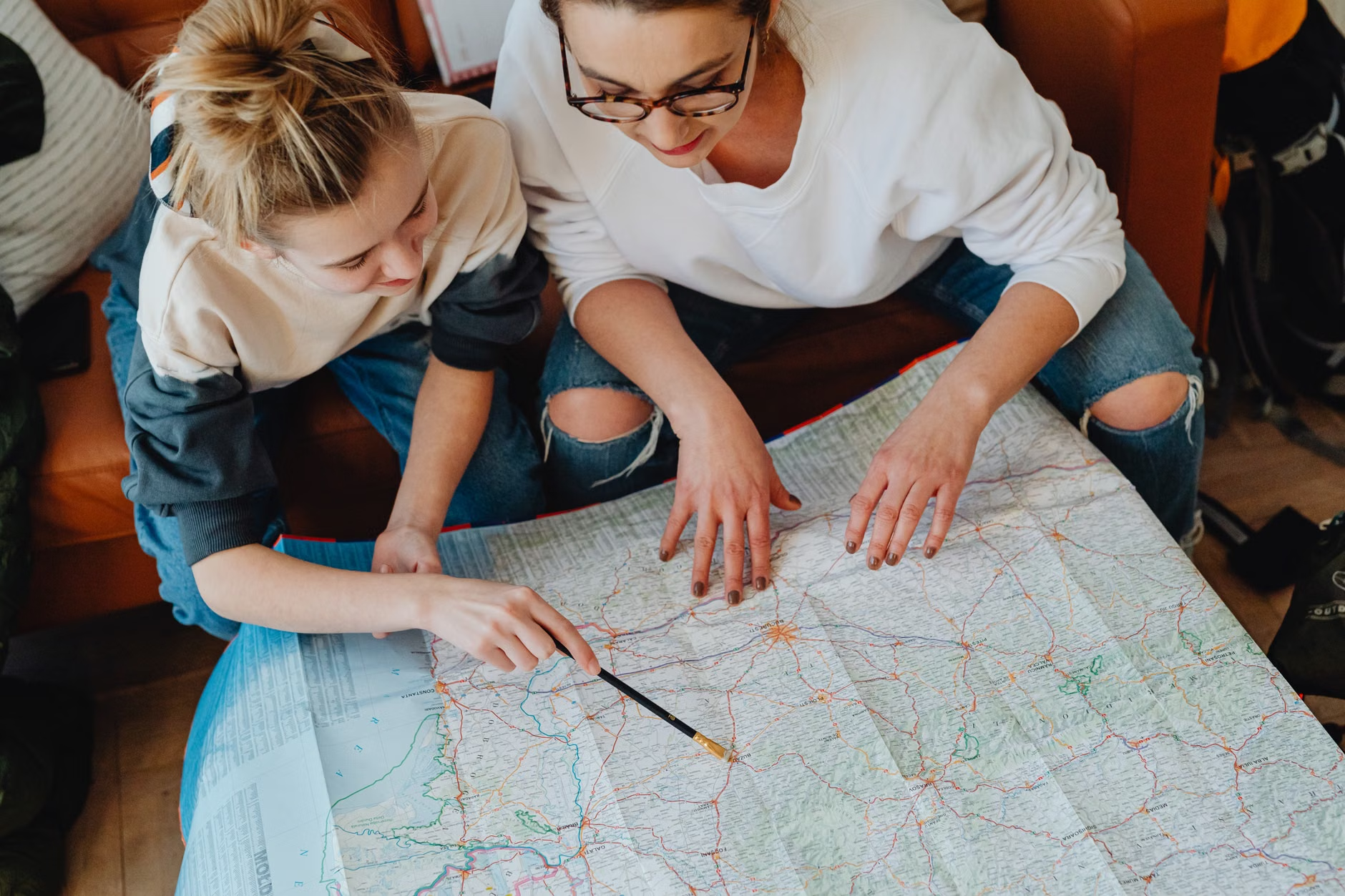
Why the Shoulder Season is the Sweet Spot for Parents
When we talk about off-peak, we aren’t suggesting you visit a beach in the dead of winter when the temperature is sub-zero and the town is boarded up. We are talking about the “shoulder season.” For the Northern Hemisphere, this usually means late May to early June, or September through early October. For the Southern Hemisphere, it’s the inverse.
Why does this matter? Beyond the obvious 40% reduction in accommodation costs, the psychological benefit of uncrowded spaces cannot be overstated. When you are traveling with children, your stress levels are directly correlated with the “friction” of the environment. High friction looks like a 45-minute wait for a table with a hungry toddler or a beach where you cannot see your child five feet away because of the density of umbrellas.
In the shoulder season, that friction disappears. You are no longer “managing” your children in public; you are simply existing with them. This shift allows for genuine connection. You aren’t constantly on high alert, scanning for potential collisions or lost kids. Instead, you can actually sit in a beach chair for ten minutes without interruption. That, for a parent in their 30s or 40s, is the true luxury.
The Hidden Risks: What Could Go Wrong?
It is important to be realistic. Off-peak travel is not perfect. The primary trade-off is infrastructure. Many coastal towns operate on a “seasonal economy.” This means that when the tourists leave, the local businesses often shutter.
Common mistakes include assuming that because a town is a “tourist destination,” it will be fully operational year-round. This is rarely the case. We have seen families arrive in a coastal village in late September only to find that the only grocery store in town has reduced its hours to 10:00 AM to 2:00 PM, and the local pharmacy is closed entirely.
How to Audit a Destination for Off-Season Viability
Before you hit “book,” perform a quick digital audit. Do not rely on the tourism board’s website, which is designed to make the town look inviting 365 days a year. Instead, follow these steps:
| Step | Action | Goal |
|---|---|---|
| 1. Google Maps Check | Search for “Grocery Store” and “Pharmacy” in the area. | Verify if they are marked as “temporarily closed” or have limited hours. |
| 2. Social Media Pulse | Check the tagged photos of the location from last year’s shoulder season. | See if the area looks “alive” or like a ghost town. |
| 3. Property Manager Inquiry | Ask the host: “Are local restaurants within walking distance open in [Month]?” | Get a local’s perspective on the town’s activity level. |
If you find that the town is essentially empty, this isn’t necessarily a deal-breaker, but it changes the nature of your trip. You will need to be self-sufficient. This means packing more food, bringing your own medical kit, and ensuring your accommodation has a functional kitchen. The “hidden cost” here is the extra effort in planning, but for many, this is a fair trade for the solitude.
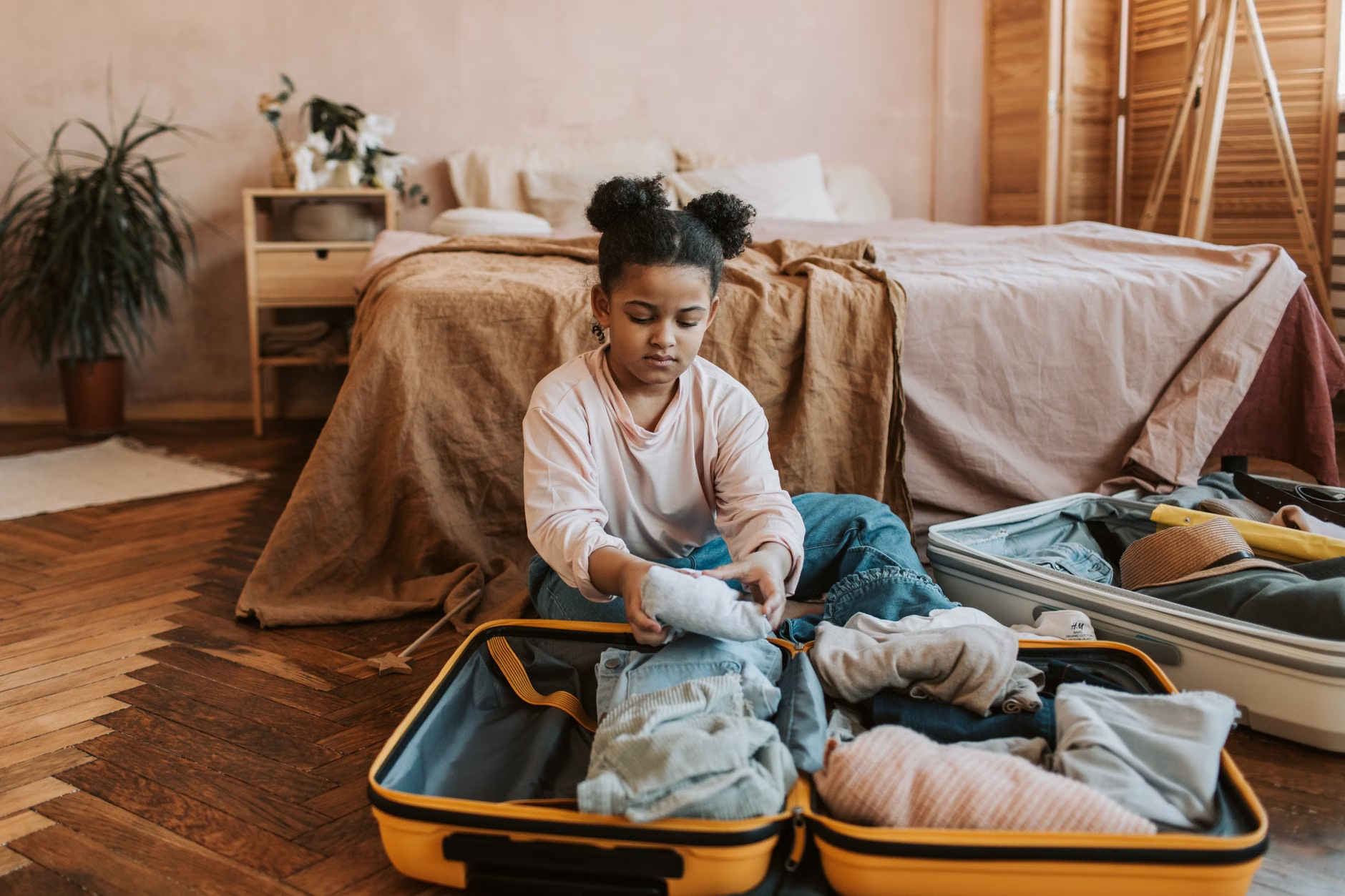
Packing Strategies for Unpredictable Coastal Weather
The biggest misconception about coastal off-peak travel is that you need “summer clothes.” While you might get lucky with a 25°C day, the reality is often closer to 16°C with a stiff, salty breeze. If you pack like you are going to a tropical resort, you will spend the entire trip shivering in the lobby of your hotel.
The strategy here is “technical layering.” Forget the bulky sweaters that take up half your suitcase. Focus on three layers:
- The Base: Moisture-wicking synthetic or merino wool t-shirts. These are essential if you are doing any walking or hiking.
- The Mid: A lightweight fleece or down vest. This is the most versatile item for coastal weather. It keeps your core warm while allowing for arm mobility.
- The Shell: A windproof, water-resistant jacket. This is non-negotiable. Coastal winds can cut through a thick sweater in minutes, but a thin, windproof shell will keep you comfortable.
By using this system, you can adjust to temperature swings throughout the day. A common mistake is packing only for the “highs” of the day. Remember that your mornings and evenings by the coast will be significantly cooler than the inland areas you might be coming from.
Managing Family Logistics: The “Low-Friction” Mindset
Traveling with children in your 30s and 40s often feels like a military operation. To make the most of an off-peak trip, you need to strip away the “must-see” itinerary. The beauty of the off-peak coast is the silence and the space. If you fill your schedule with museum visits and long drives to “must-see” landmarks, you are recreating the very stress you were trying to escape.
Instead, adopt a “base-camp” approach. Pick one location—a rental home or a suite with a kitchen—and make that your home for the duration of the trip. The goal is to minimize transitions. Every time you pack the car, buckle the kids in, and drive to a new location, you invite potential meltdowns.
When you are in a quiet, off-peak destination, you can afford to be slow. You can spend the entire morning on a beach that is completely yours. You can walk to a local bakery without fighting a crowd. This slow pace is the antidote to the “always-on” lifestyle that most parents in their 30s and 40s are currently navigating.
Financial Planning: Where the Savings Actually Go
It is not just about the hotel price. When you travel off-peak, the secondary costs drop as well. Parking fees are often suspended or reduced in the off-season. Many regional attractions, if they are open, offer lower entry fees. Even the cost of dining out can be lower, as you aren’t paying the “tourist tax” associated with high-demand dining spots.
However, be aware of the “scarcity premium.” If you are traveling to a remote coastal area, you might find that while the accommodation is cheap, the lack of competition for goods means that the few local shops might charge a premium for basic necessities like milk or bread. Always do a “pantry check” before you leave home. Packing non-perishables like coffee, snacks, and favorite pantry staples can save you from paying double at a local convenience store that has a monopoly on the neighborhood.
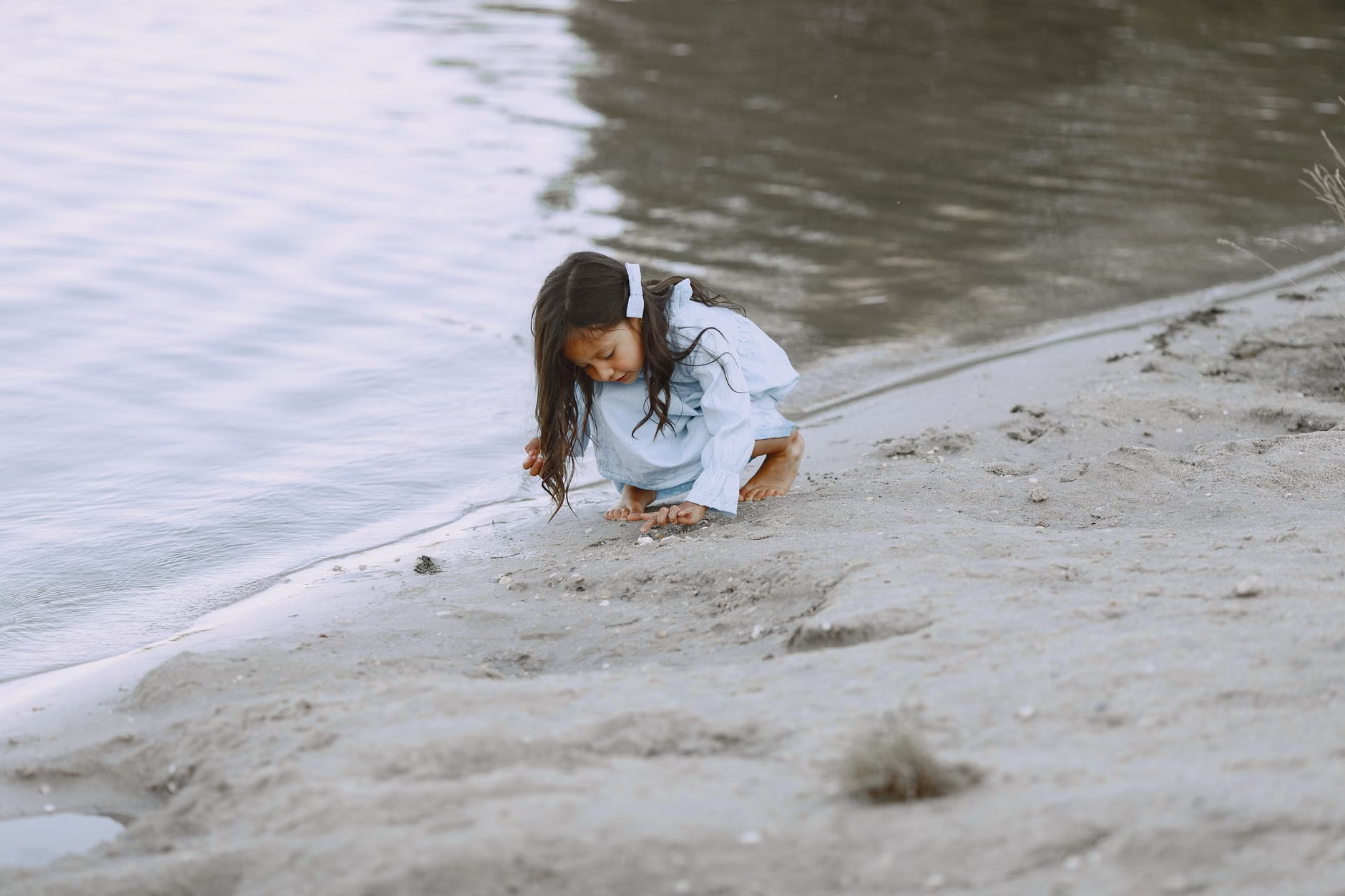
The “Emergency” Reality Check
We need to talk about safety. When you are in a bustling city, you are never more than five minutes from a pharmacy, a hospital, or a 24-hour convenience store. In an off-peak coastal town, that safety net is much thinner. If your child wakes up with a fever at 2:00 AM, you cannot just run to the corner store.
Your “off-peak kit” should include:
- A comprehensive first-aid kit: Don’t just rely on bandages. Include thermometers, fever reducers, rehydration salts, and any prescription medications you or your children might need.
- A “go-bag” for the car: Include extra blankets, water, and non-perishable snacks. If you break down on a quiet coastal road, you don’t want to be waiting for a tow truck in the cold.
- Local emergency numbers: Do not rely on Google Maps. Find the actual phone number for the local police station or the nearest 24-hour clinic and save it in your phone.
This isn’t about being paranoid; it’s about being prepared. When you have the basics covered, you can relax and actually enjoy the quiet. Knowing that you are self-sufficient is the greatest form of freedom a parent can have.
Why Flexibility is Your Greatest Asset
The most successful off-peak travelers are those who are willing to pivot. If you arrive at your destination and the weather is unexpectedly harsh, or a local service you were relying on is closed, don’t force the original plan. The beauty of traveling in the shoulder season is that you aren’t fighting for resources. If the beach is too windy, find a local trail. If the restaurant is closed, lean into the “pantry challenge” and have a fun, indoor “picnic night” with the kids.
This flexibility also applies to your booking. When booking off-peak, look for properties with flexible cancellation policies. Because demand is lower, hosts are often more willing to accommodate changes than they would be in the middle of July. Always read the fine print, but don’t be afraid to reach out to the owner and ask if they can be flexible with check-in or check-out times. In the off-season, they are often happy to have guests, and they have the bandwidth to be accommodating.
The Long-Term Value of the Off-Peak Habit
Once you start traveling in the shoulder season, it is very hard to go back to the peak. You begin to realize that the “peak experience” is often just a marketing construct. You don’t need the 30°C heat to enjoy the ocean. You don’t need the crowded boardwalk to have a fun family memory. You actually get more out of the experience when you are not constantly battling the environment.
For parents in their 30s and 40s, this is about reclaiming your time and your sanity. It is about choosing to spend your money on experiences rather than on the convenience of a “fully operational” tourist town. It is about teaching your children that the world is beautiful even when it isn’t “perfectly curated” for a vacation brochure.
If you take nothing else from this, take this: The best time to visit the coast is when everyone else has gone home. The water is just as blue, the air is just as fresh, and the memories you make will be far more peaceful.
Frequently Asked Questions
1. Is it too cold to swim in the ocean during the shoulder season?
It depends entirely on the latitude. In tropical regions, the water temperature remains pleasant year-round. However, in more temperate zones, the water will likely be quite brisk. Most families find that the beach remains a great place for playing in the sand, collecting shells, and walking, even if full-scale swimming is off the table. If swimming is your primary goal, check the average water temperature for your specific destination during your travel month before booking.
2. How do I find out if a specific town is “too dead” during the off-season?
The best way is to look at current, real-time data. Use Google Maps to check the “popular times” graph for local restaurants and grocery stores. If the data shows a steep decline in activity, you can be sure the town is quiet. Additionally, calling a local business—like a coffee shop or a bookstore—and asking, “Are things pretty quiet there in October?” will give you a much more honest answer than any tourism website.
3. Should I worry about my kids getting bored if there aren’t many “attractions”?
On the contrary, children often thrive in environments with fewer scheduled attractions. Without the constant input of tourist traps, kids are forced to use their imagination. Bring a few staples like buckets, shovels, a soccer ball, or a kite. You will likely find that they spend more time playing with these simple items on an empty beach than they would standing in line for a crowded theme park. The “boredom” is actually the space for them to create their own fun.
For more information on planning safe and sustainable family travel, you can check resources like the CDC’s guidance on traveling with children and general travel safety tips from the U.S. Department of State.