The most effective way to help a sensory-sensitive child manage their environment is not by removing every stimulus, but by providing a predictable, structured period of “Quiet Time” that allows their nervous system to recalibrate.
- Consistency is Key: Quiet Time works best when it is a non-negotiable part of the daily rhythm, not a punishment for bad behavior.
- Low-Stimulation Environment: The goal is to reduce sensory input—visual, auditory, and tactile—to allow the brain to switch from “alert” to “rest.”
- Choice and Agency: Giving children a limited set of low-energy activities helps them feel in control rather than feeling forced into isolation.
The Reality of Sensory Overload in a High-Speed World
If you live with a child who seems to “go from zero to sixty” in a matter of seconds, you are likely intimately familiar with the concept of sensory overload. We live in an era of constant connectivity, flashing screens, and a perpetual background hum of white noise. For a child with sensory processing differences, this isn’t just “busyness”—it is a physiological barrage.
When a child’s sensory threshold is reached, their brain essentially signals a “system error.” The result? Meltdowns, withdrawal, or hyperactive behavior that leaves parents feeling exhausted and confused. It is important to note that this isn’t necessarily a behavioral problem; it is a neurological one. Their brain is struggling to filter out the “noise” of the world, and they simply haven’t learned how to turn the volume down yet.
This is where the Quiet Time strategy comes in. Unlike a “time-out,” which is often punitive and isolating, Quiet Time is a therapeutic, restorative practice. It is a scheduled window where the house goes quiet, the lights dim, and the goal is simply to be still. Think of it as a mandatory “battery recharge” for both the child and the parent.
Why “Quiet Time” Differs From Traditional Naps
Many parents assume that once their child outgrows the daily nap, the need for a mid-day break vanishes. However, for a sensory-sensitive child, the physical need for downtime often persists well into middle childhood. The difference is that while a nap is about sleep, Quiet Time is about regulation.
Quiet Time is a period where the child stays in a designated “calm zone” for a set duration, engaging in activities that require low cognitive load. It is not about forcing sleep, but about forcing the nervous system to shift from the sympathetic (fight-or-flight) state to the parasympathetic (rest-and-digest) state. When we remove the pressure to “be productive” or “play,” we give the child’s brain the space it needs to process the morning’s sensory information.

Establishing the “Quiet Zone”: Where and How
The success of this strategy hinges on the environment. If you try to enforce Quiet Time in the middle of a chaotic living room, you will fail. You need a space that acts as a sensory buffer. This doesn’t require a dedicated playroom or expensive equipment. Often, a corner of the bedroom or a specific spot on a sofa can serve the purpose perfectly.
Key Elements of a Successful Sensory Corner
- Lighting Control: Use blackout curtains or lamps with warm-toned bulbs to avoid the harshness of overhead lighting.
- Tactile Comfort: Weighted blankets, soft pillows, or textured rugs can provide “proprioceptive” input, which is deeply grounding for many children.
- Auditory Barriers: If the house is noisy, consider noise-canceling headphones or playing a low-volume track of ambient sound, like rain or gentle white noise.
- Clutter Management: A space overflowing with toys is visually overstimulating. Keep the “Quiet Time” space clear of excessive clutter.
Curating the “Quiet Time” Menu
One of the biggest mistakes parents make is simply telling a child to “go be quiet.” For a high-energy child, this is an impossible instruction. They need a “menu” of approved activities that are inherently calming and low-stimulus. This provides them with a sense of agency—they are choosing their activity, rather than being told what to do.
| Activity Type | Examples | Why it Works |
|---|---|---|
| Tactile/Kinesthetic | Playdough, kinetic sand, coloring | Repetitive motion is naturally soothing to the brain. |
| Auditory | Audiobooks, gentle music | Focuses the brain on one input, blocking out external noise. |
| Visual/Quiet | Picture books, puzzles, building blocks | Engages the mind without requiring high-speed decision making. |
It is vital to rotate these items. If the same toys are out every day, they become “boring” or lose their novelty. Keep a “Quiet Time Box” that is only accessible during this specific period. This creates a psychological association: “When this box comes out, it is time to be calm.”
The Role of Visual Schedules
Transitioning into Quiet Time is often where the battle begins. Sensory-sensitive children often struggle with transitions because they rely on the predictability of what they are currently doing. A visual schedule helps bridge this gap.
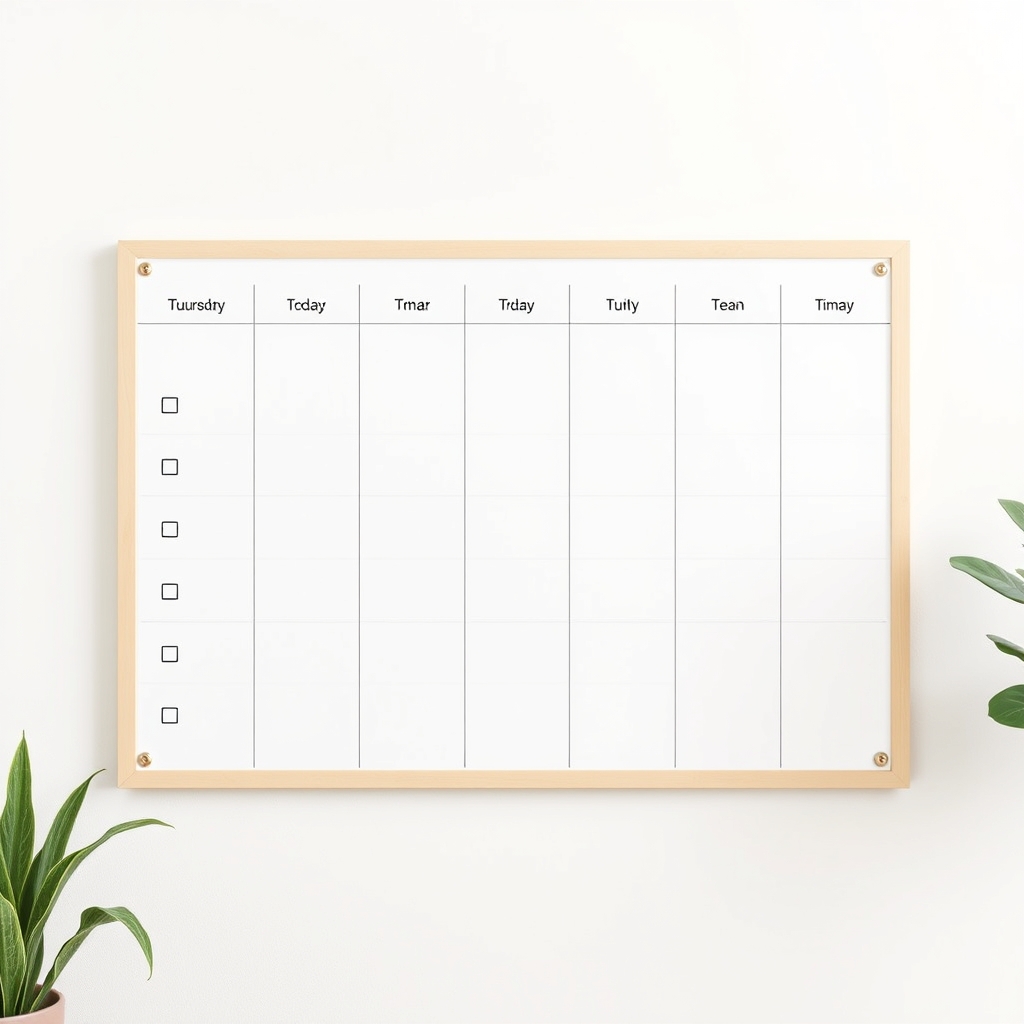
If your child knows that “Lunch” is always followed by “Quiet Time,” and they can see that on a board, the resistance decreases. You might use a simple timer—an analog clock or a visual timer that shows the time “disappearing”—so they can see exactly how long they need to remain in the quiet zone. This removes the “how much longer?” anxiety that often plagues the experience.
Let’s be realistic: this won’t work perfectly on day one. Your child will likely test the boundaries. They will get up, they will talk, or they will ask for a snack for the fifth time. The key is in your reaction. If you get frustrated and engage in a high-energy debate, you have effectively ruined the Quiet Time.
The “Broken Record” Approach: When they come out of their room or space, calmly say, “It is still Quiet Time. You can go back to your books or your puzzle.” Do not lecture them about why they need to be quiet. Do not engage in a negotiation. Keep your voice low, flat, and neutral. You are the anchor; if you stay calm, they are more likely to eventually follow suit.
Another common mistake is setting the time for too long initially. Start with 15 minutes. That’s it. Once they master 15 minutes, you can bump it to 20 or 30. Expecting a child who is used to constant stimulation to suddenly be quiet for an hour is a recipe for failure.
The Parent’s Role: Modeling the Silence
You cannot demand silence if you are busy vacuuming, taking work calls, or watching loud television in the next room. Quiet Time is a household shift, not just a child-specific rule. If possible, use this time to model the behavior. Sit in a nearby chair and read a book or do a quiet chore. When the child sees that the entire house has shifted into a “low-power mode,” they are far more likely to accept the situation.
This is also a crucial period for your own mental health. As parents in our 30s and 40s, we are often managing careers, household logistics, and the emotional labor of parenting. Use this time to step back from your own screen. The blue light and the constant notifications of your phone are just as overstimulating for you as the noise is for your child.

Refining the Strategy Over Time
As your child matures, their sensory needs will evolve. What worked when they were five might not work when they are eight. You should treat the Quiet Time strategy as an iterative process. Hold a “family meeting” (if the child is old enough) to discuss what activities they find most relaxing. Maybe they prefer drawing over reading. Maybe they prefer listening to a podcast over playing with blocks. By involving them in the planning, you increase their “buy-in,” which is essential for long-term adherence.
Additionally, pay attention to the timing. Some children have a “sensory dip” right after school. Others are fine until late afternoon. Observe your child’s energy patterns for a week. If they consistently melt down at 4:00 PM, try scheduling Quiet Time for 3:30 PM. Being proactive rather than reactive is the hallmark of a successful sensory management plan.
Addressing Potential Setbacks
There will be days when the strategy falls apart. Perhaps the child is sick, or there is a major change in the family routine. Do not view this as a failure of the system. View it as a minor disruption. If you skip Quiet Time for a day, simply resume it the following day without fanfare. The goal is long-term regulation, not daily perfection.
If you find that your child is consistently resisting, consider if the “Quiet Zone” has become too stimulating. Is there a screen visible? Is the room too bright? Is there an enticing toy that they are desperate to play with, which is causing them frustration? Sometimes, the simplest environment is the most effective. Strip the room back to the bare essentials and see if the resistance decreases.
Scientific Context: Why Sensory Regulation Matters
According to research from the American Occupational Therapy Association, sensory processing differences occur when the brain has trouble receiving and responding to information that comes in through the senses. When the brain is overwhelmed, it can impact executive function—the ability to plan, focus, and regulate emotions.
By implementing a Quiet Time strategy, you are essentially providing “sensory diet” components that help the brain organize input. It is similar to how we need sleep to consolidate memories; children need moments of low-stimulus to organize the data their senses have collected throughout the day. Without these breaks, the “data” piles up, leading to the overflow we recognize as a meltdown.
Frequently Asked Questions
What if my child refuses to stay in their designated quiet space?
Start with very short intervals—even 5 to 10 minutes—and provide a high-value, low-stimulus activity they only get during this time. Use a visual timer to show them when they are “done.” If they leave the space, gently but firmly return them to it without engaging in conversation. The goal is to make the space a place of neutral rest, not a battleground.
Can Quiet Time replace nap time entirely?
For many children, yes. As they transition out of naps, Quiet Time serves as the bridge. It provides the same restorative benefit to the nervous system without the pressure of needing to fall asleep. If they happen to fall asleep during Quiet Time, that is a bonus, but it should not be the primary goal.
Is it okay for my child to use a tablet during Quiet Time?
Generally, no. Screens provide high-intensity visual and auditory stimulation that can keep the brain in an “alert” state, which is the opposite of what we want during Quiet Time. Even “educational” apps are often designed to be fast-paced and stimulating. Stick to analog activities like books, puzzles, or art supplies to ensure the nervous system is truly resting.
Final Considerations for a Calmer Home
Implementing a Quiet Time strategy is an investment in your family’s overall equilibrium. It requires patience, consistency, and a willingness to step back from the modern pressure to be constantly “doing.” By normalizing the need for stillness, you aren’t just helping your child survive the day—you are teaching them a vital life skill: the ability to recognize when their own internal system is overloaded and the tools to fix it.
Remember, you are the architect of your home’s atmosphere. By prioritizing calm, you provide the foundation for your child to grow, learn, and regulate in a world that rarely stops moving. Start small, stay consistent, and give both yourself and your child the grace to adjust as you find your rhythm.
For more information on sensory processing and developmental support, you may find these resources helpful: