The secret to surviving a train journey with a toddler is not about preventing every tantrum, but about having a pre-planned strategy to manage the inevitable chaos while keeping your own blood pressure in check. Train travel is arguably the most forgiving mode of transport for families with young children, offering the freedom to move, access to restrooms, and a sensory experience that planes simply cannot match, provided you go in prepared.
Key Takeaways for Train Travel
- Prioritize Space: Always book seats with a table or in a family carriage if available to give your child a dedicated surface for activities.
- The “New Toy” Rule: Pack 3-4 small, inexpensive items that your child has never seen before to keep their interest piqued during long stretches.
- Strategic Snacking: Avoid high-sugar snacks that lead to energy spikes; opt for protein-rich, slow-release foods that require time to consume.
If you are in your 30s or 40s, you likely remember the days when travel meant grabbing a book, a pair of headphones, and perhaps a coffee, then settling into a seat for a few hours of uninterrupted calm. Fast forward to today, and that same journey involves a diaper bag the size of a carry-on, a toddler who has suddenly decided that the aisle is their personal racetrack, and the constant, gnawing worry that you are bothering the businessman in 4B. Let’s demystify the process and turn that anxiety into a manageable logistical exercise.
Choosing the Right Train and Seat Configuration
Not all train tickets are created equal when you are traveling with a toddler. The biggest mistake most parents make is assuming that any seat will do. In reality, the physical environment of your seat dictates your stress levels for the entire trip.
When booking, look for “Family Carriages” or “Quiet Zones.” While Quiet Zones are great for solo travelers, they are your worst nightmare with a toddler. Conversely, many rail operators now offer dedicated family areas that feature wider aisles, extra space for strollers, and sometimes even a small play area. If these aren’t available, your next best bet is a seat with a table.
A table seat acts as a physical barrier and a workspace. It provides a flat surface for coloring, tablet viewing, or snack time. If you are traveling with a partner, try to book seats facing each other. This creates a “pod” feel, which keeps the child contained within your immediate space rather than letting them wander toward the seat rows in front or behind you.
Consider the proximity to the restroom. You do not want to be at the far end of the train when your toddler whispers, “I need to go potty,” with thirty seconds of urgency remaining. However, you also don’t want to be right next to the door, where the constant foot traffic and door-opening noises will distract your child. Aim for the middle of the carriage; it is the sweet spot for balance.
The Art of Packing: Less is More, but Specific is Better
There is a fine line between being prepared and being overloaded. If you bring too much, you’ll spend the entire trip digging through bags. If you bring too little, you’ll be at the mercy of the onboard café’s limited (and often overpriced) menu.
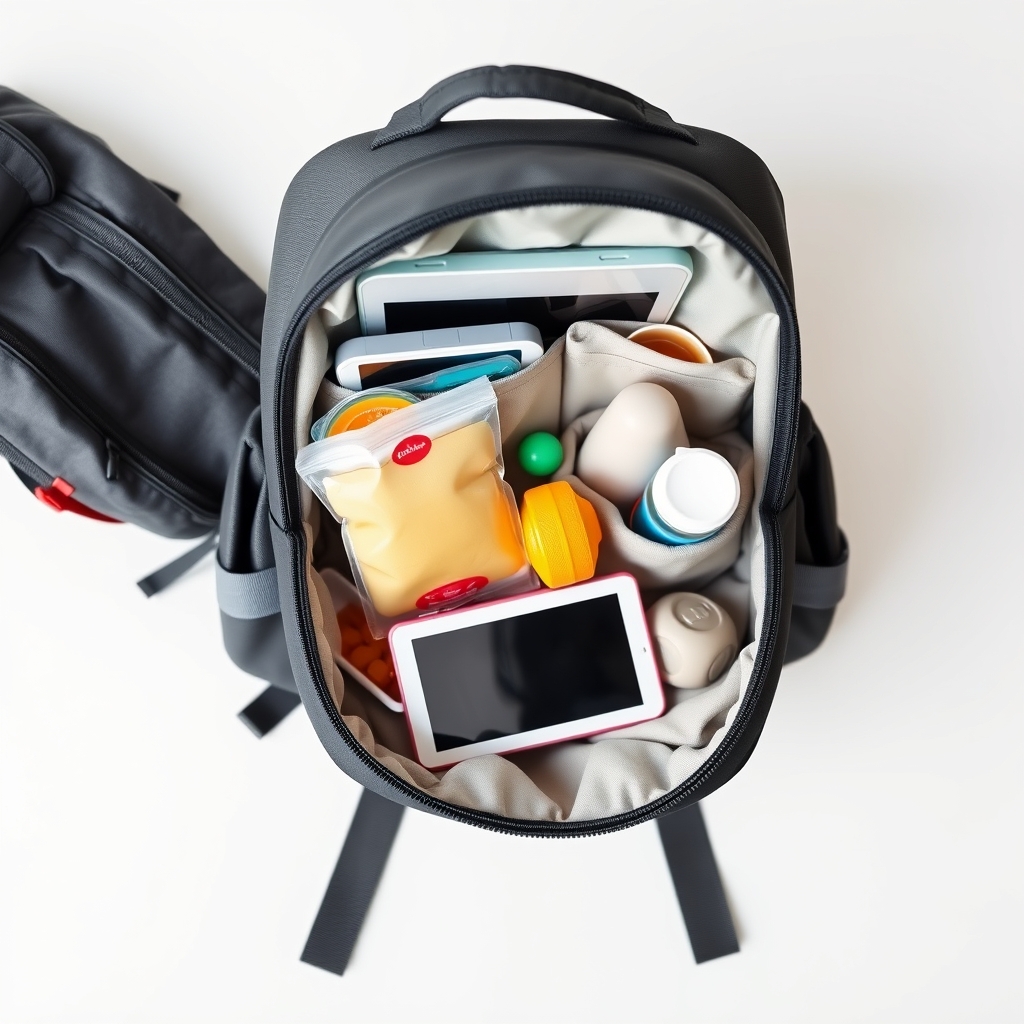
The “Survival Kit” should be a separate, easily accessible bag—not the one you put in the luggage rack above your head. This kit needs to be within arm’s reach at all times. Here is a breakdown of what should be inside:
| Category | Items to Include |
|---|---|
| Snack Station | Low-mess foods: apple slices, cheese sticks, crackers, protein bars. |
| Quiet Tech | Tablet with pre-downloaded offline content and child-safe headphones. |
| The “New” Box | 3-4 small, wrapped items: stickers, fidget toys, new crayons. |
| Emergency Gear | Extra set of clothes for the child AND a spare top for the parent. |
The “New Toy” rule is a game changer. The novelty of a new item can buy you 20 to 30 minutes of focused play. Do not reveal all of them at once. If the child gets restless, introduce one item. Once they lose interest, move to the next. By the time you’ve rotated through three or four items, you’ve likely covered a significant portion of the travel time.
Managing the “Aisle Wander” and Physical Energy
Toddlers are biologically programmed to move. Expecting them to sit still for a three-hour train ride is setting yourself up for failure. Instead of fighting the urge to move, incorporate it into your schedule.
Plan “walk breaks” every 45 to 60 minutes. Take your toddler for a walk down the length of the train. The change in scenery, the rhythmic sound of the tracks, and the simple act of walking can help reset their mood. Use this time to go to the restroom, visit the café car for a change of pace, or simply stand in the vestibule area (the space between carriages) for a few minutes to watch the landscape blur by.
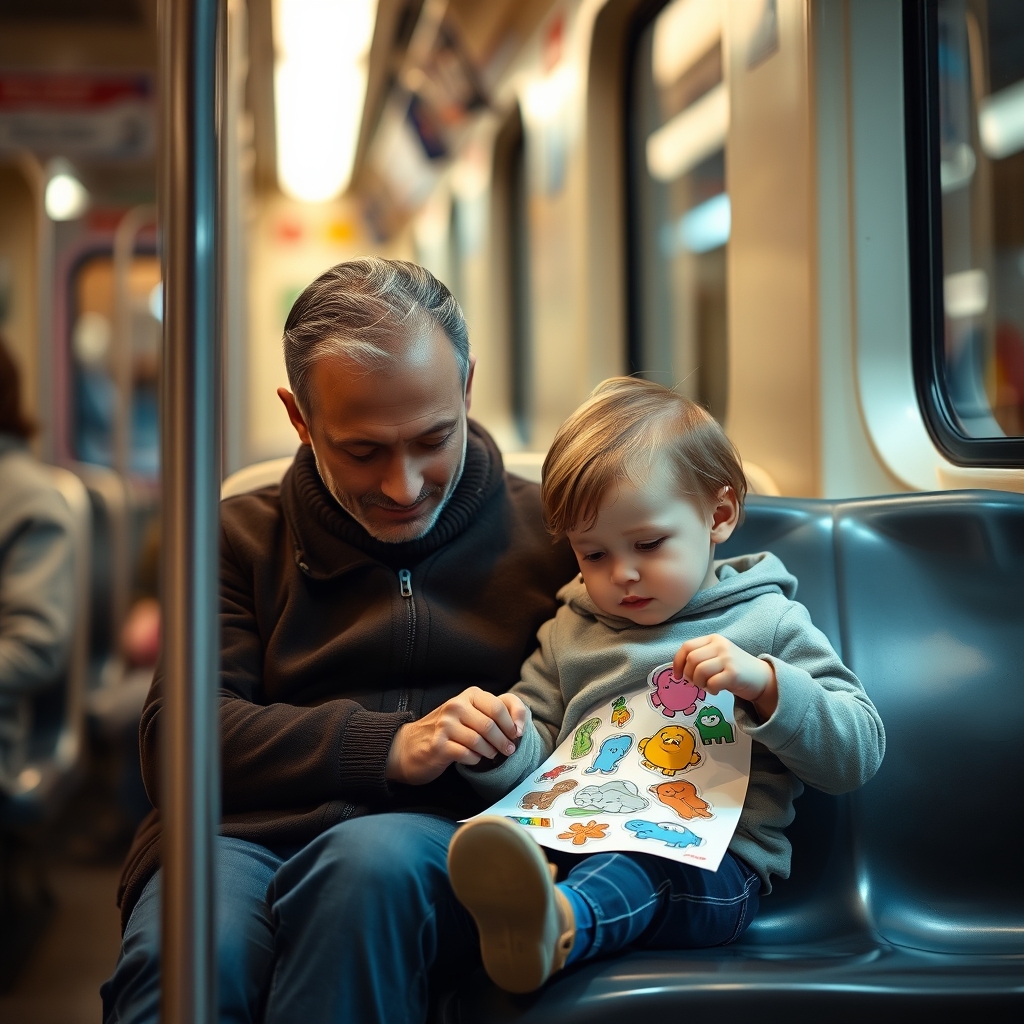
If your child is a sensory seeker, bring items that provide tactile feedback. A busy board, a small tub of playdough (only if you are vigilant about cleaning up), or even a roll of painter’s tape can be incredibly effective. Painter’s tape is fantastic because it peels off tray tables and windows without leaving a residue, and kids love peeling it off and sticking it back on.
Traveling with a toddler often triggers a form of “parental guilt” where we feel we need to apologize for our child’s existence. Let’s be clear: you have every right to be on that train. However, being a courteous traveler goes a long way in making the journey pleasant for everyone.
If your child starts to cry, don’t panic. The sound of a crying child is stressful, but it happens. The best approach is to remain calm and address the need. If they are having a full-blown tantrum, sometimes the best move is to step into the vestibule area. This gives you a moment to breathe away from the eyes of other passengers and provides a neutral space for your toddler to de-escalate.
When it comes to technology, don’t feel guilty about using screens. Train travel is not the time to enforce strict digital detox rules. If a show keeps your toddler occupied for an hour, use it. Just ensure the volume is off or that they are using kid-safe headphones to avoid bothering others.
Regarding food, avoid anything that is overly sticky or crumbly. Avoid sugary snacks that will cause a crash later. Think in terms of “slow-burn” foods like yogurt pouches, fruit, or sandwiches that take time to eat. If you are traveling through a region with specific food regulations, ensure your snacks are compliant, though this is rarely an issue on domestic rail lines.
Preparation at the Station: The Pre-Boarding Routine
The stress of train travel often begins at the station. If you are arriving with a stroller, a toddler, and luggage, you are essentially a one-person moving circus. The key here is to arrive early enough to find your platform, but not so early that you are standing on a cold platform for 45 minutes.
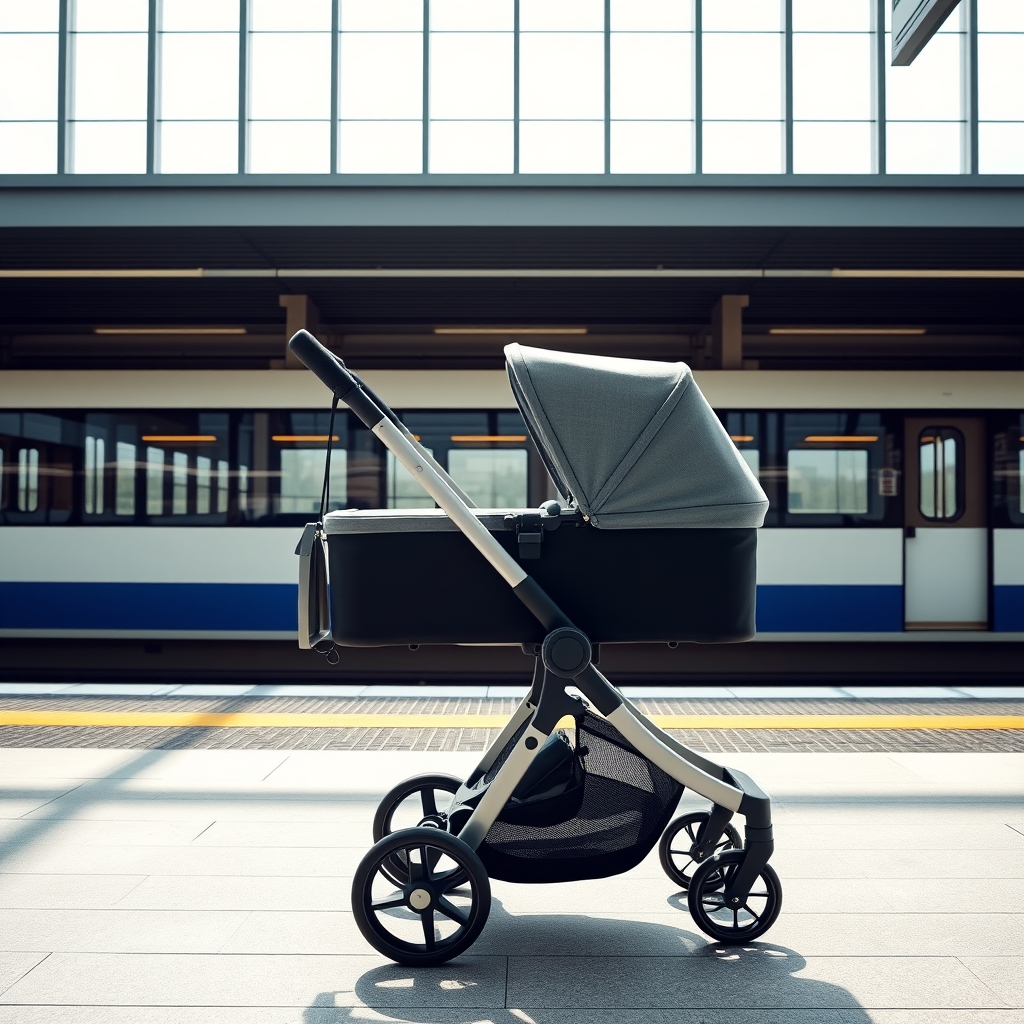
Check the train layout online before you arrive. Many rail operators provide carriage maps. Knowing exactly where your carriage will stop on the platform saves you from the frantic “toddler-in-tow” sprint when the train pulls in. If you are traveling with a stroller, ensure it is a compact, “travel-friendly” model that can be folded with one hand.
Before you board, make one final trip to the restroom. Even if your toddler says they don’t have to go, encourage them to try. It is much easier to manage a quick bathroom break on the platform than it is to navigate the cramped, moving bathroom of a train carriage.
Dealing with Delays and Unexpected Disruptions
No matter how well you plan, things will go wrong. Trains get delayed, connections are missed, and toddlers have meltdowns. When the unexpected happens, the most valuable tool you have is your own attitude.
If there is a delay, use it as an opportunity. If you are stuck at a station, get off the train. Walk around, let your toddler run on the platform (safely), and grab a fresh snack. If you are stuck on the train, change the environment. Move to a different carriage if it’s less crowded, or start a new, more engaging activity.
Always have a “Plan B” for entertainment. If the tablet battery dies, have a backup book or a drawing pad. If the snacks run out, have a small emergency stash of something special, like a few crackers or a fruit bar, that you keep for absolute emergencies.
Why Train Travel Remains the Best Option
Despite the challenges, train travel remains vastly superior to flying with a toddler. You are not confined to a seat for the duration of the flight. You don’t have to worry about air pressure causing ear pain. You can bring liquids, snacks, and gear without the scrutiny of security checkpoints. You have access to space, and you can see the world moving past your window, which in itself can be a great conversation starter for a curious toddler.
Remember that the goal is to get from point A to point B safely. If the journey is a little loud, or if the floor is covered in crumbs, that is perfectly fine. The people around you likely have their own stresses, and most are far more understanding than you fear. Focus on your child, keep your own stress in check, and lean into the rhythm of the rails.
Frequently Asked Questions
1. Is it better to book a child their own seat?
Once a child reaches the age of two, most rail operators require a ticket. Even if they don’t, if your budget allows, having a dedicated seat for your toddler is a massive advantage. It gives them space to sleep, play, and sit comfortably, and it prevents you from having to hold a squirming child for the entire duration of the trip.
2. How do I handle a stroller on a train?
If you have a compact stroller, most modern trains have dedicated luggage areas or space at the end of the carriage where you can store it. If your stroller is large and bulky, consider investing in a lightweight travel stroller specifically for trips. Always aim to board early so you can secure a spot for your gear before the luggage racks fill up.
3. What should I do if my toddler has a meltdown in the middle of the carriage?
Stay calm. Your own anxiety can feed into the child’s distress. If the meltdown is escalating, pick them up and move to the vestibule area between carriages. This provides a change of scenery and a bit more privacy. Often, the movement of the train and the change in environment are enough to distract them and help them reset.
For more specific information on rail travel, you can check the official passenger guides provided by major operators like Amtrak for North American travel or Eurail for those planning trips across Europe. These sites often contain specific details about family amenities and luggage policies that vary by route.
Travel is an adventure, and while a toddler in tow adds a unique layer of complexity, it also brings a new perspective to the experience. Pack smart, stay flexible, and enjoy the journey.