Key Takeaways for Your Digital Footprint
- Ownership is Evolving: New 2026 regulations mean you have a legal right to move your photos, contacts, and purchase history between competing services with minimal friction.
- Beyond Just Downloading: It is no longer just about getting a raw zip file; it’s about “direct-to-service” transfers that make switching platforms as easy as changing your mobile carrier.
- Security First: While portability increases your freedom, it also places the burden on you to manage your credentials securely across multiple platforms.
If you have ever tried to switch your family’s photo library from one cloud service to another, or attempted to move your Spotify playlists to a different music app, you know the frustration. It often feels like you are trapped in a digital “walled garden.” However, as we move through 2026, the regulatory landscape regarding “data portability” has shifted significantly, moving from a vague ideal to a functional, legal requirement for big tech companies.
For those of us juggling careers, school drop-offs, and the endless digital clutter of modern life, this is a big deal. It means that your digital history—the stuff you have spent years curating—is finally becoming truly yours, not just “yours as long as you keep paying the subscription.”
What Exactly is Data Portability in 2026?
Data portability is the legal principle that you, as a user, should be able to take your data from one service provider and transfer it to another. Think of it like your mobile phone number. Years ago, you were tied to a carrier because changing meant losing your number. Now, “number portability” is standard. Data portability applies that same logic to your photos, your contacts, your calendar events, and even your historical purchasing data.
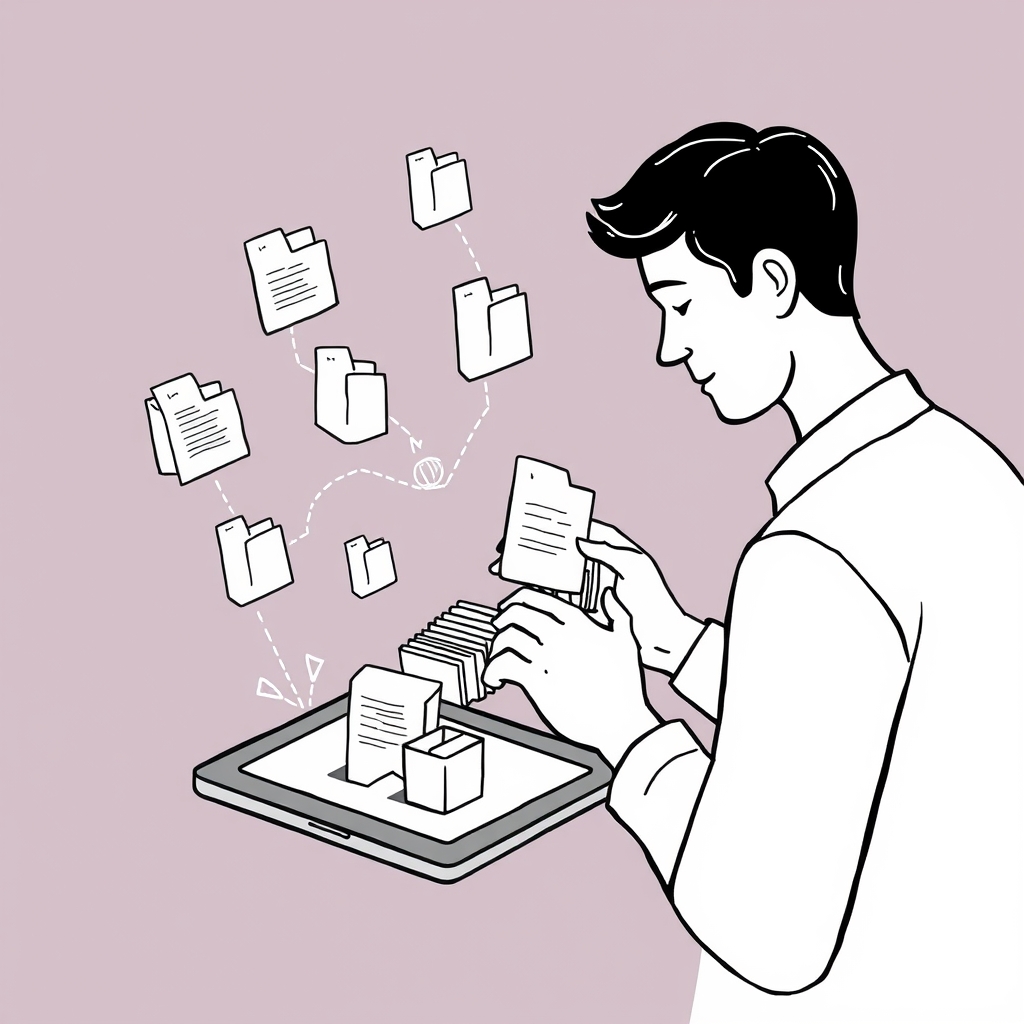
By 2026, the implementation of these rights has matured. We are moving away from the “data dump” era—where companies would give you a massive, unreadable file of raw data—into the “data transfer” era. Now, services are increasingly required to offer APIs (Application Programming Interfaces) that allow for direct, machine-to-machine transfers. You click a button, and your data flows from Service A to Service B without you ever having to download a single file to your desktop.
Why This Matters for Your Daily Life
You might be thinking, “I like my current apps, why should I care?” The answer lies in the unpredictability of digital platforms. Companies change their terms of service, raise their prices, or—in some cases—simply shut down. If your entire family’s memories are locked in a proprietary format, you are at the mercy of that company’s business decisions.
Consider the “parenting tax” of digital life. We have thousands of photos, school records, and shared calendars. If a service decides to pivot its focus or suddenly introduces a massive subscription fee increase, having the ability to move that data effortlessly isn’t just a convenience; it’s a form of digital insurance. It prevents “vendor lock-in,” which is the tech industry’s way of saying “we have you right where we want you, and you can’t leave without losing everything.”
Breaking Down the 2026 Regulatory Landscape
The global regulatory environment has tightened. In the European Union, the Digital Markets Act (DMA) has set the gold standard, and other regions—including parts of North America and Asia—are following suit with similar frameworks. These laws now demand that “gatekeeper” platforms ensure interoperability. This means that if they want to operate in these markets, they must provide tools for you to export your data in a format that is actually usable by their competitors.
| Feature | Old Way (Pre-2024) | New Way (2026+) |
|---|---|---|
| Ease of Access | Complex, buried menus | Clear “Data Portability” dashboard |
| Format | Proprietary/Raw JSON | Standardized, usable formats |
| Transfer Method | Manual download/upload | Direct, automated API transfer |
The “Hidden” Challenges of Moving Your Digital Home
While the laws are making it easier to move, the technical reality is still a bit messy. Just because you can move your data doesn’t mean it will look exactly the same on the other side. Think of it like moving furniture between two houses with different layouts. The furniture (your data) makes it, but you might need to reorganize it to fit the new space.
One of the biggest hurdles remains “metadata loss.” For example, when you move photos from one cloud provider to another, you might lose the GPS location data or the specific “album” structure you had previously created. While the law mandates that the core content must be portable, it doesn’t always guarantee that every single customization will survive the trip.
Common Pitfalls When Migrating Data
Before you hit the “transfer” button, there are a few things you need to watch out for to avoid a digital headache:
- The “Ghost” Data: Some services keep copies of your data even after you request a transfer. Always check your account settings to ensure you are actually deleting your old account if that is your intent.
- Authentication Tokens: When you transfer data, you often have to grant “permission” for the new service to access the old one. Always revoke these permissions once the transfer is complete to keep your accounts secure.
- Timing is Everything: Large transfers—especially if you have terabytes of family videos—can take days. Don’t start a transfer right before you need to access a specific file for a project or a school event.
Taking Control of Your Digital Legacy
For those of us in our 30s and 40s, we are the generation that digitized our lives. We have photos from our early 20s, documents from our first jobs, and files that track our growth as families. Data portability is not just about convenience; it is about the long-term preservation of our digital legacy.
If you lose access to a platform, you lose that chapter of your life. By being proactive and understanding your rights, you can ensure that your digital footprint remains under your control. It’s worth spending one weekend a year “auditing” your data. Where is it? How easily can I get it out? Is there a backup?
Practical Steps to Exercise Your Portability Rights
You don’t need a degree in computer science to take advantage of these new laws. Most major platforms now have a dedicated “Privacy” or “Data” section in their settings. Here is how to approach it:
- Locate the Dashboard: Look for settings labeled “Data & Privacy,” “Download Your Data,” or “Manage Your Data.”
- Check for Direct Transfer: Look for options that allow you to “Transfer to another service” rather than just “Download.” The former is much faster and more reliable.
- Verify the Format: If you are downloading, ensure you are choosing a common format like JPEG for photos, CSV for contacts, or PDF for documents.
- Test Before You Delete: Never delete your original account until you have verified that the data in the new location is complete and accessible.
The Future: A More Interoperable Web
Looking ahead, the goal is for the internet to become more like the telephone network. You don’t worry about whether your friend uses a different carrier because the networks talk to each other. As we move closer to 2027 and beyond, expect to see more “plug-and-play” compatibility between social networks, productivity tools, and cloud storage providers.
This shift will likely lead to more competition. When it is easy for users to leave, companies have to work harder to keep you there—not by locking you in, but by offering better features, better security, and better pricing. In the end, that is a win for all of us.
Final Thoughts on Managing Your Digital Life
Data portability is a powerful tool, but it is not a “set it and forget it” solution. It requires a bit of vigilance. The laws have caught up to the technology, but the responsibility to manage our own digital footprint still rests with us. By staying informed and occasionally checking your data hygiene, you can enjoy the benefits of modern technology without the fear of being held hostage by it.
Take some time this weekend to peek at those privacy settings. You might be surprised at how much control you actually have, and how easy it is to start moving your digital life toward platforms that better serve your needs today.
Frequently Asked Questions
Q: Does data portability mean I can move my social media posts to a different platform?
A: Yes, in many jurisdictions, you can now export your posts, images, and videos. However, moving them to another platform is still complex because different social media sites use different formats. While you can get your data out, “importing” it into a new, competing site might still be a manual process depending on the specific features the new platform offers.
Q: Is there any cost associated with exercising my right to data portability?
A: No. Under most modern regulations like the GDPR in Europe or the Digital Markets Act, companies are prohibited from charging you a fee to access or transfer your own personal data. If a company asks for a fee to download your data, you should immediately check their compliance policy or contact their support team.
Q: What should I do if a company refuses to provide my data or makes it impossible to move?
A: First, document the issue. If they are in a region with strong data protection laws, you can file a complaint with your local data protection authority. Companies that fall under “gatekeeper” regulations are under strict scrutiny to ensure their tools for portability are functional and accessible. Often, simply mentioning your rights under local data privacy laws to their support team is enough to resolve the issue.
Official Resources and Further Reading
For those interested in the official frameworks, you can explore the following resources:
- The EU Digital Markets Act (DMA) Overview – Understanding the regulations driving global portability standards.
- GDPR Guide on Data Portability – A deep dive into the legal rights granted under EU law regarding your personal information.
- FTC Privacy and Security Guidance – Useful information on how data rights are evolving in North American contexts.
Stay curious, keep your digital house in order, and remember that your data is, and should remain, your own.