The most effective way to manage food allergies in a busy household is to leverage smart kitchen technology that centralizes ingredient transparency, automates cross-contamination prevention, and simplifies the complex task of label reading.
- Data-Driven Safety: Smart appliances and apps help track hidden ingredients that are easily missed during rushed meal prep.
- Cross-Contamination Control: Using dedicated smart small appliances can isolate allergen-prone cooking processes.
- Centralized Inventory: Smart pantries allow you to scan items and receive alerts about potential allergens before you even start cooking.
If you are a parent managing a food allergy, you know the feeling: the constant, low-level hum of anxiety that accompanies every meal. Whether it is a peanut allergy, celiac disease, or a dairy sensitivity, the kitchen—the heart of the home—can quickly become a minefield. Between reading labels, sanitizing surfaces, and ensuring that the “safe” snack didn’t accidentally touch the “unsafe” one, the mental load is immense.
We often talk about smart kitchens in terms of convenience: preheating the oven from the commute or seeing what is inside the fridge while at the grocery store. But for families managing allergies, the “smart” aspect is less about luxury and more about risk mitigation. Technology, when used correctly, acts as a secondary set of eyes, providing a layer of safety that manual checks sometimes miss.
Beyond the Label: How Tech Bridges the Knowledge Gap
The biggest challenge in an allergy-conscious kitchen is the invisibility of ingredients. You might know that your child is allergic to tree nuts, but do you know every single derivative, hidden additive, or shared-line manufacturing risk in a brand-new box of crackers? While apps cannot replace your vigilance, they can organize it.
Smart kitchen ecosystems now allow for ingredient databases that cross-reference your family’s specific needs against the products in your pantry. By scanning a barcode, many platforms can now alert you to ingredients that fall under the “may contain” umbrella—a category that is notoriously difficult to track manually.
It is important to remember that these tools are not foolproof. They rely on manufacturer data, which can change without notice. Think of these as a “first line of defense” rather than a replacement for your own due diligence. They help you filter out the obvious risks, leaving you more mental bandwidth to focus on the truly complex scenarios.
Building a Smart Allergy-Safe Workflow
Creating a smart kitchen for allergy management isn’t just about buying the most expensive oven on the market. It’s about building a workflow. If you want to integrate tech into your kitchen safety routine, start by mapping out where your biggest risks occur.
| Risk Area | Smart Tech Solution | Safety Benefit |
|---|---|---|
| Label Reading | Barcode-scanning allergen apps | Instant cross-referencing against your saved profiles. |
| Cross-Contamination | Dedicated smart air fryers/toasters | Isolated heating elements prevent residue transfer. |
| Inventory Errors | Smart fridge/pantry cameras | Visual verification of products without opening containers. |
| Cooking Precision | Smart meat thermometers | Ensures thorough cooking without constant lid opening. |
Let’s talk about that “dedicated appliance” strategy. If you have a child with a severe wheat allergy, the crumb tray of a shared toaster is a nightmare. Using a smart, small appliance—like a dedicated smart air fryer—that is reserved solely for allergen-free cooking can be a game changer. These devices often feature app-based controls, meaning you can preheat or set timers from another room, ensuring you don’t accidentally use the “regular” appliance for the “safe” meal.
The Role of Smart Inventory Management
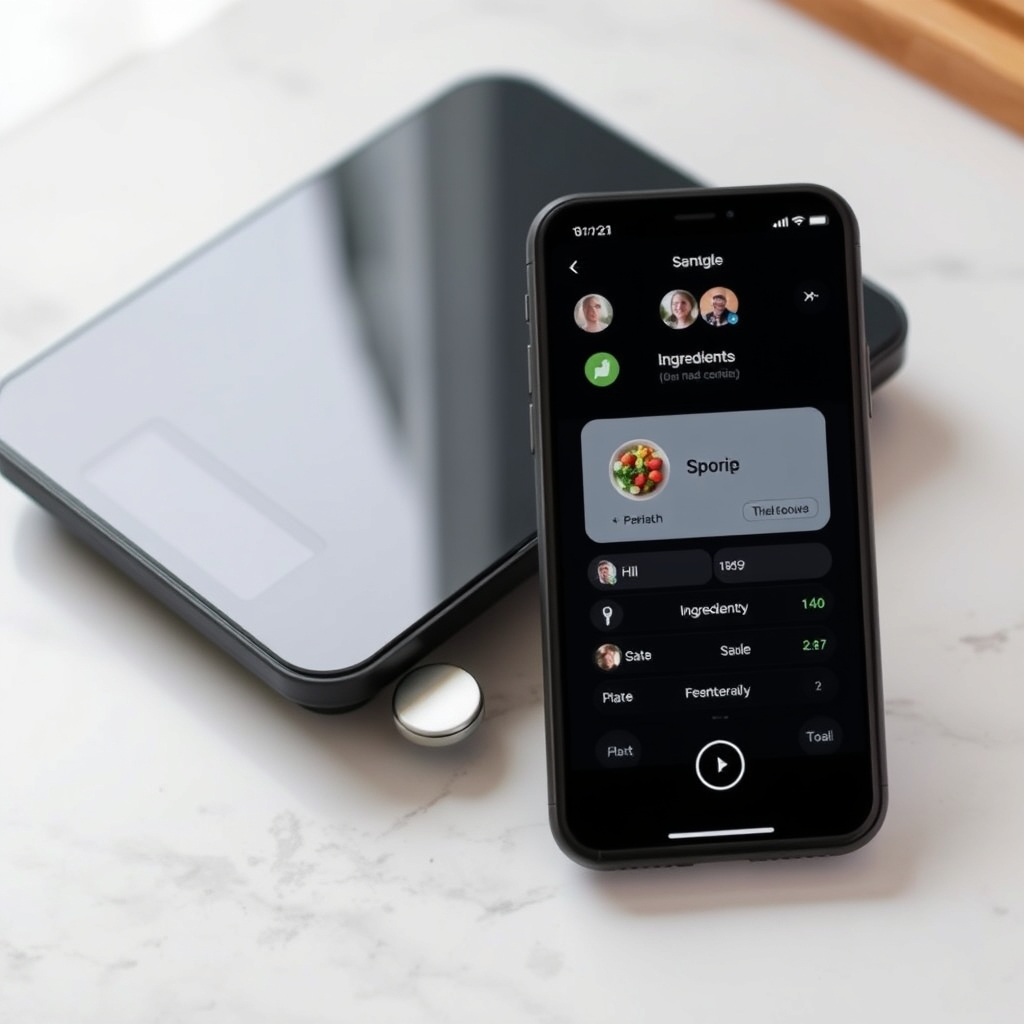
How often have you bought a product only to realize once you got home that it contains an ingredient your child needs to avoid? It happens to the best of us. Smart pantry management systems, which often use a combination of smart scales and mobile apps, can help track your inventory in real-time.
By keeping a digital log of what is in your kitchen, you can set up alerts. For instance, if you are looking to purchase a new snack, you can quickly check your digital inventory to see if you have any existing items that are safe. It sounds like a small convenience, but when you are trying to minimize the number of products entering your home, it is a significant safety upgrade.
However, there is a catch: the “data entry” hurdle. These systems are only as good as the information you put into them. If you buy a bulk item and don’t scan it, the system doesn’t know it’s there. My advice? Keep your scanner or phone near your grocery bag drop-off zone. Make the “scan-in” part of your post-shopping routine, just like putting the milk in the fridge. If it isn’t easy, you won’t do it, and the system becomes useless.
Precision Cooking: Why Temperature Matters
Cooking is chemistry, and for those with allergies, it’s also a high-stakes balancing act. Many people don’t realize that certain cooking temperatures can affect the structure of proteins in food. While this is primarily a concern for those with specific, medically supervised dietary needs, the principle of precision remains the same for general safety.
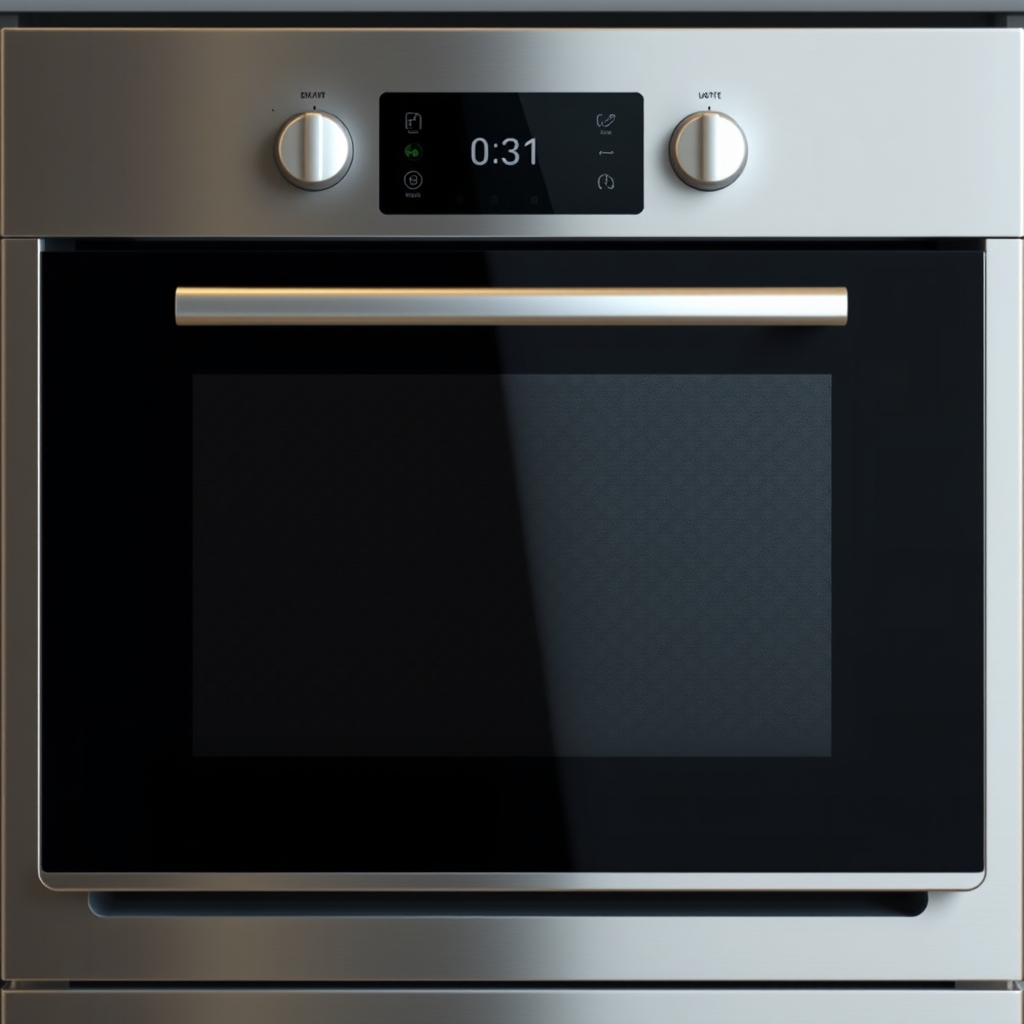
Smart meat thermometers and oven probes allow you to monitor the internal temperature of your food without hovering over the stove. Why does this matter for allergies? It reduces the need for constant stirring or checking, which minimizes the movement of airborne particles or the risk of accidental drips from one spoon to another. The less you have to “interfere” with the food while it is cooking, the lower the risk of incidental cross-contamination.
Furthermore, many smart ovens come with convection settings that are highly adjustable. If you are baking something that is allergen-free, you want to ensure it is cooked perfectly in one go, so you aren’t stuck with a half-baked mess that requires you to pull out a second appliance or put it back into a potentially contaminated environment.

Common Mistakes to Avoid
The most common mistake I see parents make is “automation complacency.” This is when you rely so heavily on the app or the smart device that you stop double-checking the physical label. Remember: technology is a tool, not a human. Sensors can fail, apps can have outdated databases, and labels can change.
Another mistake is over-complicating the setup. If you need a degree in computer science to make toast, you are going to get frustrated and stop using the safety features. Start with one area—perhaps your pantry inventory or your toaster—and master that before adding more tech. You want your kitchen to feel safer, not more stressful.
Also, beware of “smart” features that are actually just gimmicks. Does your blender need to be connected to Wi-Fi? Probably not. Does your pantry scale need to notify you when you are low on flour? Maybe. If a feature doesn’t directly contribute to the safety or efficiency of your allergy-management routine, don’t let it clutter your digital life.
The Future of Allergy-Friendly Kitchens
We are seeing a rise in “smart sensors” that claim to detect specific allergens in food. While these are still largely in the experimental or high-end professional kitchen phase, it is worth keeping an eye on the industry. Imagine a future where a small, handheld device can scan a liquid or solid and give you a high-confidence reading on whether a specific protein is present.
Until then, the focus should remain on “process management.” The best smart kitchen is one that creates a rigid, repeatable process for how food enters, is stored, and is cooked in your home. Technology should be the guardrail that keeps you on that path, not the driver.
Practical Steps to Get Started Today
If you are feeling overwhelmed, don’t try to upgrade your whole house at once. Follow this simple, phased approach to build a smarter, safer kitchen:
- Audit your current risks: Identify the top three items or scenarios that cause you the most anxiety. Is it hidden ingredients in snacks? Is it the toaster? Start there.
- Choose one digital tool: Start with an app that helps you store your family’s allergy profiles. Use it to check labels at the store before you even put items in your cart.
- Isolate one appliance: If you have the space, dedicate one small, smart appliance to allergen-free preparation. Label it clearly so everyone in the family knows it is the “Safe Zone.”
- Review your routine: Every two weeks, check in with your system. Is it working? Are you actually using the data, or is it just becoming digital noise? Adjust accordingly.
Remember that the goal is not to create a sterile, laboratory-like environment. The goal is to create a home where you can breathe a little easier, knowing that you have taken every reasonable step to protect your family. The technology is there to support you, but you are the expert on your child’s needs.
Managing food allergies is a marathon, not a sprint. If you have a bad day, or if you accidentally miss an ingredient, don’t beat yourself up. Use the incident as a learning moment to update your system. Maybe you need a better labeling system, or maybe you need to adjust your app settings. Every small adjustment makes the next meal a little safer.
Frequently Asked Questions
1. Can smart kitchen appliances actually detect allergens?
Most consumer-grade smart appliances currently on the market do not have built-in molecular sensors to detect specific allergens like peanuts or gluten in food. They are designed to help with inventory tracking, temperature control, and cross-contamination prevention. Always rely on ingredient labels and manufacturer information rather than expecting an appliance to “test” for allergens.
2. Are barcode-scanning apps accurate for all food products?
Most apps are highly accurate for major brands and common grocery items. However, they rely on user-submitted data or manufacturer APIs. If a company updates their recipe or changes their manufacturing facility, the app might not reflect that change immediately. Always perform a physical check of the label on the package, even if the app marks it as “safe.”
3. Is it worth investing in expensive smart appliances for allergy management?
It depends on your budget and the severity of the allergy. For many, the value isn’t in the appliance itself, but in the peace of mind it provides. A dedicated smart toaster or air fryer can be a cost-effective way to prevent cross-contamination without needing to renovate your entire kitchen. Prioritize tools that solve a specific, recurring problem in your daily routine.
For more information on managing food allergies and staying updated on safety recalls, visit official resources such as FARE (Food Allergy Research & Education) or your local national health authority’s allergy guidelines.