Sustainable boutique camping is the ultimate solution for parents in their 30s and 40s who crave the restorative power of the outdoors but have zero interest in sleeping on a rock or wrestling with a tangled mess of tent poles at midnight. It offers a refined, low-impact way to introduce your children to nature while maintaining the comforts—like proper beds, functional kitchens, and manageable waste systems—that make a family trip actually feel like a vacation rather than a survival exercise.
- Prioritize Impact: Look for sites that use renewable energy, greywater filtration systems, and strictly enforce “leave no trace” policies.
- Comfort is Sustainable: Boutique camping focuses on durable, long-lasting infrastructure rather than cheap, disposable plastic gear.
- Planning Matters: Booking sites that emphasize local biodiversity and support regional economies helps ensure your family trip gives back to the environment.
The Modern Family’s Dilemma: Convenience vs. Conscience
If you are in your mid-30s or 40s, you probably remember camping as a high-effort, low-reward experience: leaking tents, lukewarm canned beans, and the distinct feeling of being “closer to nature” primarily because you were covered in mud. As we get older, our priorities shift. We want to show our kids the stars, but we also want a decent night’s sleep so we aren’t completely non-functional the next morning. More importantly, we have become increasingly aware of the environmental footprint of our leisure time.
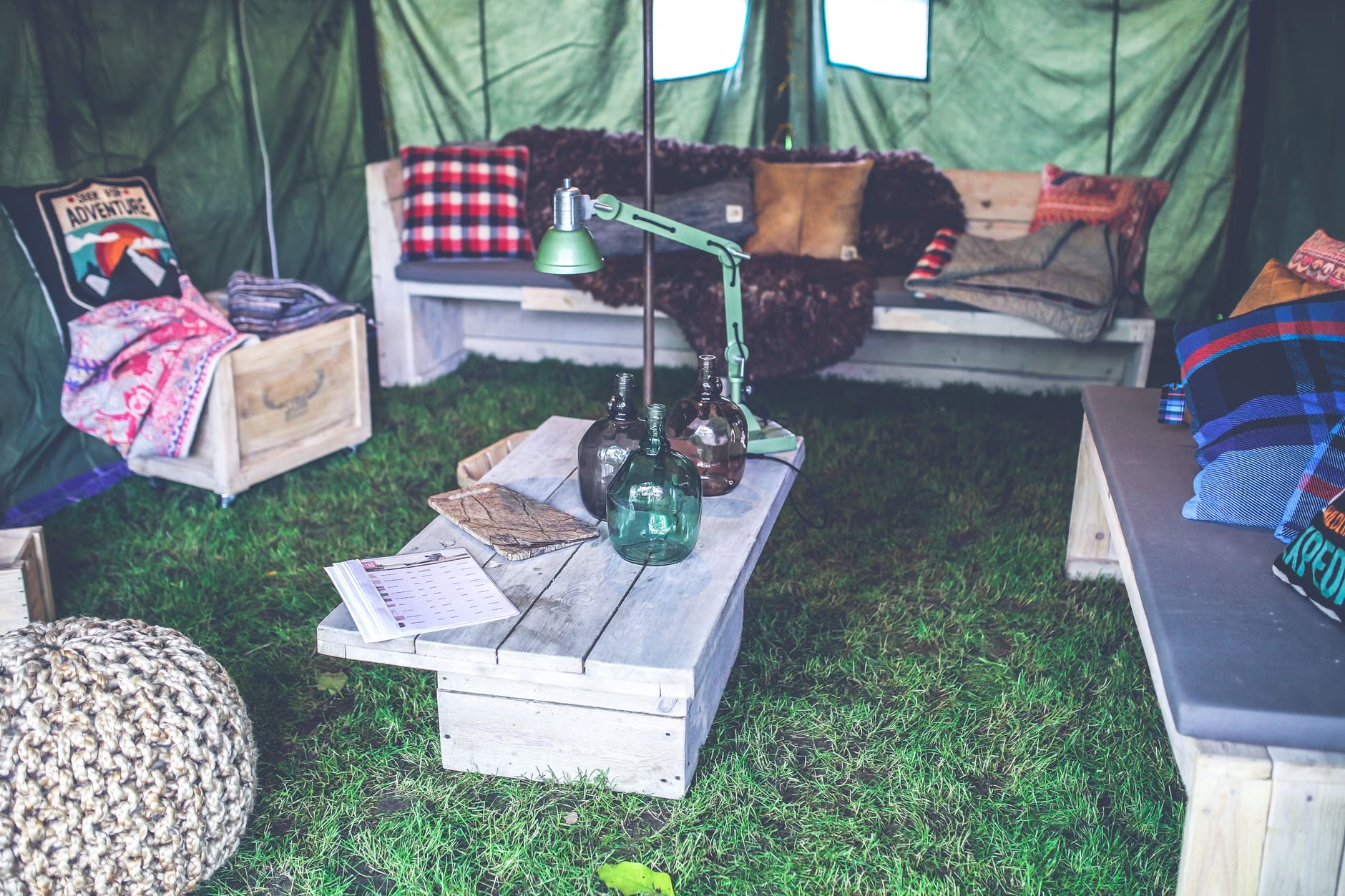
The rise of boutique camping—often called “glamping” but with a stronger focus on environmental stewardship—is a direct response to this need. It is not just about fancy decor; it is about intentional design. It bridges the gap between the rugged backcountry and the high-end resort, creating a space where families can thrive without the heavy carbon cost of international air travel or the waste associated with traditional, gear-heavy camping.
What Actually Defines ‘Boutique’ Sustainable Camping?
The term “boutique” implies something curated and small-scale, while “sustainable” in this context refers to the operational footprint. To distinguish a truly green site from one that is just “green-washed,” you need to look for specific indicators. These sites aren’t just selling a tent; they are selling an ecosystem of services.
Energy and Water Management
A legitimate sustainable site will rarely be hooked into the municipal grid. Instead, you will see solar arrays, wind turbines, or micro-hydro systems powering the LED lighting and low-voltage outlets. Water management is even more critical. Look for sites that utilize rainwater harvesting for non-potable needs (like cleaning or garden irrigation) and advanced biological filtration for greywater—the water that goes down the drain from sinks and showers.
Construction Materials and Longevity
Traditional campsites often rely on cheap, mass-produced plastic structures that end up in landfills after a few seasons. Boutique sites invest in semi-permanent structures like canvas bell tents, geodesic domes, or reclaimed-wood cabins. These materials are breathable, durable, and repairable. When you see a site using locally sourced timber or recycled materials for their decks and communal areas, they are signaling a commitment to a circular economy.
The ‘Leave No Trace’ Philosophy
This is the gold standard for outdoor ethics. A good boutique operator will not just have a trash bin; they will have a comprehensive waste-diversion program. This includes on-site composting for organic waste and strict recycling protocols. If a site provides a “zero-waste welcome kit” with reusable bottles and compostable toiletries, you know they are serious about their impact.
Selecting the Right Site for Your Family
Not every site that calls itself “eco-friendly” is going to be a good fit for a family with young children or teenagers. When researching your next getaway, filter your search based on specific, actionable criteria rather than just looking at pretty photos on social media.
| Feature | What to Look For | Why It Matters |
|---|---|---|
| Waste Management | On-site composting/recycling | Reduces landfill contribution significantly. |
| Energy Source | Solar/Wind/Off-grid | Ensures your stay isn’t powered by fossil fuels. |
| Accessibility | Walking distance to trails | Minimizes the need for car travel once you arrive. |
| Food Sourcing | Farm-to-table partnerships | Supports local farmers and reduces food miles. |
Evaluating the “Family Factor”
Are there safety features for younger children? Is the terrain suitable for their activity level? Boutique camping sites often have a smaller footprint, which can be a huge bonus. Unlike massive, noisy RV parks, boutique sites usually limit the number of guests. This creates a quieter, more intimate environment where you don’t have to worry about your kids wandering into a busy parking lot or being kept awake by late-night parties.
Packing Like a Pro: The Sustainable Way
One of the biggest mistakes families make is over-packing. We tend to bring a “just-in-case” version of everything, which leads to excessive waste and unnecessary weight. When you are heading to a boutique site, the philosophy changes from “bring everything” to “bring the essentials.”

The Minimalist Checklist
Before you pack, check the site’s “what’s provided” list. Most boutique setups include high-quality linens, towels, and basic cooking utensils. If you don’t need to bring the kitchen sink, don’t. Here is how to streamline your gear:
- Reusable Water Systems: Bring high-quality, insulated stainless steel bottles. Most boutique sites provide filtered water stations to avoid single-use plastic bottles.
- Biodegradable Toiletries: Even if the site has a sewer system, using phosphate-free, biodegradable soap is a good habit that protects local waterways.
- Multi-Purpose Clothing: Focus on layers. Synthetic materials are often plastic-based and shed microfibers; try to prioritize wool or organic cotton for base layers, as they are more durable and naturally odor-resistant.
- Digital Entertainment: Instead of bringing a pile of board games that might get damp or lost, lean into the environment. Bring a few high-quality field guides for local birds or plants. It turns a walk into an educational scavenger hunt.
Practical Challenges and How to Handle Them
Let’s be honest: even at a “boutique” site, you are still outside. There will be insects. It might get cold at night. The Wi-Fi might be spotty. Managing these expectations is part of the experience, both for you and your children.
The “Unplugged” Transition
Children in their teens might struggle with the lack of constant connectivity. Instead of fighting it, use the lack of signal as a forced reset. Download movies or games to their devices *before* you leave home, but set a “device-free” schedule for the day. Use the time to teach them skills that are actually useful: how to start a fire (safely), how to identify local flora, or even just how to cook a simple meal over an open flame.
Weather Resilience
Sustainable camping often means living in structures that are more connected to the elements. If you are sleeping in a canvas tent, humidity is your enemy. Keep your bedding off the floor using a cot or a platform bed. If the site doesn’t provide them, consider bringing a small, battery-operated dehumidifier or simply ensuring your tent is well-ventilated during the day. Moisture management is the secret to a comfortable night’s sleep.
The Economic and Social Impact of Your Choice
When you book a stay at an independent, sustainable boutique site, you are often supporting a small business owner who lives in the community. This is a far cry from booking a stay at a massive, corporate-owned resort where profits are siphoned off to shareholders in a different country. Your money stays local, which helps fund the preservation of the very landscape you are enjoying.
Furthermore, these sites are often pioneers in sustainable technology. By staying there, you are providing the market validation that these eco-conscious business models work. It encourages other landowners to transition away from traditional, high-impact tourism toward models that prioritize conservation. You aren’t just taking a vacation; you are participating in a shift in how we travel.
Common Mistakes to Avoid
Even with the best intentions, it is easy to slip up. Here are a few pitfalls to watch out for:
- Ignoring the “Local” Aspect: Don’t drive three hours to a site and then drive another hour to a big-box grocery store. Buy your food from the farm stands and markets near your campsite. It reduces your carbon footprint and improves the quality of your meals.
- Over-estimating Your Comfort Threshold: If you or your partner are genuinely sensitive to temperature or noise, look for sites that offer “hard-shell” options like yurts with insulation or small eco-cabins rather than canvas-only tents. There is no shame in choosing the structure that ensures everyone actually gets some rest.
- Forgetting to Check the Rules: Some eco-sites have very strict rules about noise or light pollution to protect local wildlife. Read the fine print. Being a good guest is part of the sustainable experience.
Refining Your Family’s Outdoor Culture
Sustainable boutique camping isn’t a one-off event. It is a way to build a family culture around appreciation for the natural world. By consistently choosing destinations that respect the environment, you are teaching your children that travel doesn’t have to be a extractive process—it can be a restorative one.
When you return home, take a moment to discuss what worked and what didn’t. Did the kids enjoy the lack of screens? Was the food better when prepared with local ingredients? These conversations are just as important as the trip itself. They help solidify the values you are trying to impart, turning a simple weekend away into a foundational family memory.
As you plan your next trip, remember that the goal is not perfection. You don’t have to be a survivalist to enjoy the woods, and you don’t have to live off-grid to be a responsible traveler. You just need to be intentional. Choose quality over quantity, support local operators, and leave the campsite better than you found it. The rest—the fresh air, the quiet, and the family connection—will follow naturally.
Frequently Asked Questions
1. Is boutique camping actually “sustainable” or is it just a marketing term?
It depends entirely on the operator. True sustainability involves measurable practices: the use of renewable energy, water conservation systems, and a commitment to protecting local ecosystems. Look for certifications like “Certified B Corporation,” “Green Key,” or specific eco-tourism awards from regional conservation groups. If a site cannot explain how they manage their waste or energy, be skeptical.
2. How do I know if a site is suitable for young children?
Look for sites that explicitly mention “family-friendly” or “kid-safe” amenities. Check for level ground, proximity to swimming areas (which should have safety barriers if they are ponds or lakes), and availability of basic comforts like high chairs or cots. Many boutique sites have smaller, more manageable layouts that are actually much safer for toddlers than large, sprawling campgrounds.
3. What should I do if the weather turns bad?
Most boutique camping operators are prepared for varying weather conditions. However, you should always check the site’s cancellation and “rainy day” policy before booking. If you are in a canvas tent, ensure it has a proper rainfly or is waterproofed. Pack high-quality, breathable rain gear for the whole family; often, some of the best memories are made during a rainy day spent playing cards or reading in a cozy, dry tent.
For further reading on sustainable travel practices, you can consult resources such as the Global Sustainable Tourism Council (GSTC) or the Leave No Trace Center for Outdoor Ethics. These organizations provide excellent frameworks for understanding how to minimize your impact while maximizing your family’s enjoyment of the outdoors.