The most effective way to protect your middle-schooler online isn’t by installing invasive tracking software, but by teaching them the principles of “digital hygiene”—the equivalent of brushing teeth or washing hands, but for their online existence.
- Digital hygiene is a habit, not a one-time setup: It requires consistent routines rather than a single lecture.
- Privacy is a skill: Teach them to view data as currency; they should never give it away for free or without understanding the cost.
- Balance is the ultimate filter: When a child is physically active and socially engaged offline, they are naturally more resilient to digital pitfalls.
If you have a child between the ages of 11 and 14, you’ve likely noticed the shift. They aren’t just playing games or watching videos anymore; they are navigating complex social ecosystems, managing multiple accounts, and encountering algorithms designed to keep them scrolling. It’s a bit like watching them drive a car for the first time—you know they need the license, but the road is full of unexpected turns.
What Exactly is Digital Hygiene?
In the physical world, hygiene is about preventing illness through simple, daily actions. Digital hygiene is the exact same concept applied to the virtual world. It is the practice of maintaining healthy, secure, and balanced habits to protect one’s identity, mental well-being, and long-term digital footprint. For a middle-schooler, this covers everything from password management to understanding how a “like” can affect their mood.
Many of us grew up in the era of “don’t talk to strangers online.” While that is still valid, it’s woefully insufficient for today’s landscape. Today, the risks are often internal—the pressure to curate a perfect image, the habit of doom-scrolling, or the vulnerability of sharing too much information with a platform that is harvesting that data to sell ads.
Teaching digital hygiene isn’t about fear-mongering; it’s about empowerment. It’s about giving your child the tools to be the master of their technology, rather than the product of it.
The Foundation: Privacy as Personal Property
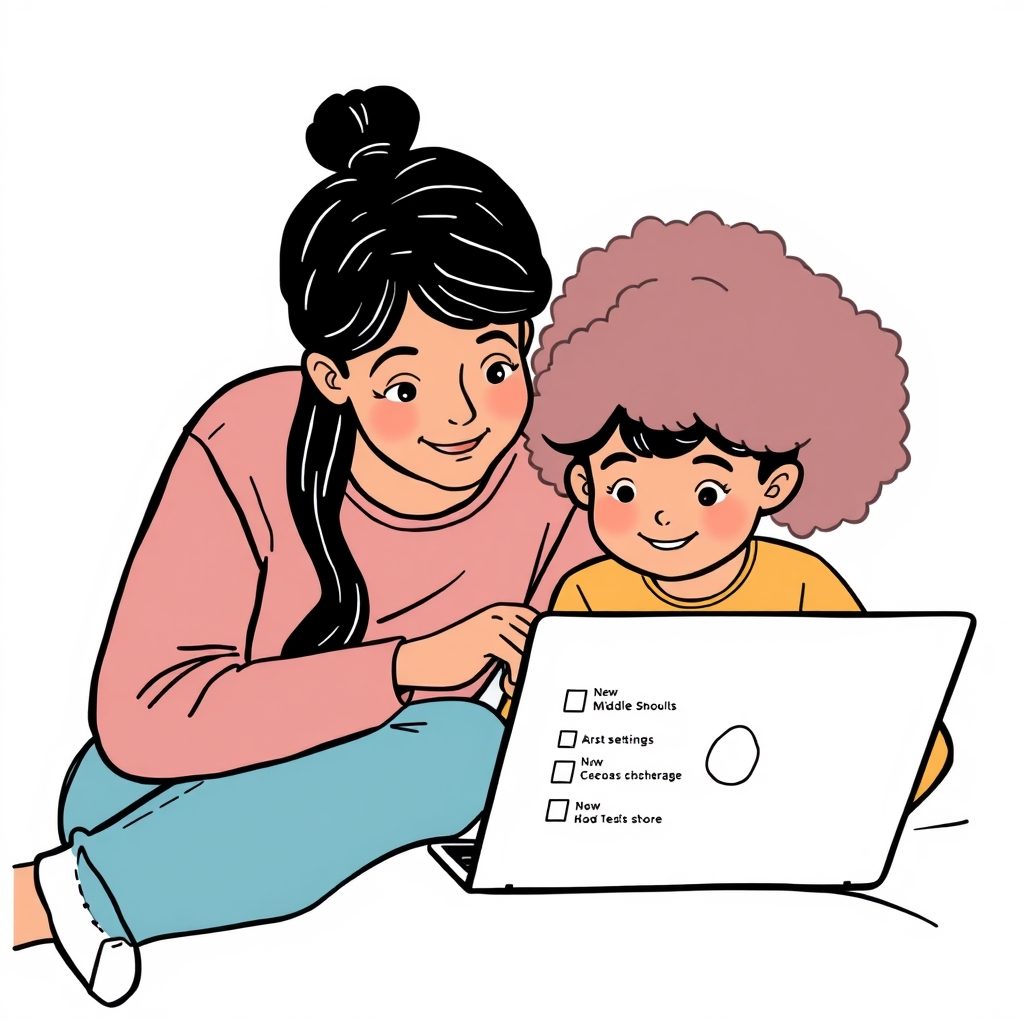
The first step in teaching digital hygiene is reframing how children view their personal information. Most middle-schoolers treat their name, location, school, and interests as public information. They need to understand that this data is essentially their digital currency.
Start by explaining the concept of “Data Footprints.” Everything they do—every search, every “like,” every location check-in—leaves a mark. This mark doesn’t disappear. It builds a profile that marketers, future employers, and potentially malicious actors can see.
The “Is it worth it?” Test
When your child wants to sign up for a new game or a social media platform, ask them to identify what information the app is asking for. If a simple puzzle game wants access to their contacts, camera, and location, it’s a red flag. Teach them to ask: “Does this app actually need this information to function?” If the answer is no, the “hygiene” move is to deny access or uninstall the app.
Password Hygiene: Beyond “123456”
We all know the struggle of forgotten passwords, but using the same password across ten different sites is the digital equivalent of using one key for your house, your car, your office, and your safe. If one is stolen, everything is compromised.
Introduce them to the concept of a “passphrase”—a string of four or five random words that is easy to remember but incredibly hard for a computer to guess. And, if they are old enough, introduce a password manager. It’s a tool that does the heavy lifting for them, ensuring every account has a unique, complex key.
Curating the Digital Environment
Just as we teach kids to keep their bedrooms clean so they can find things and sleep well, we need to teach them to keep their “digital rooms” clean. A cluttered digital space leads to a cluttered mind.
The Notification Purge
Notifications are designed to trigger dopamine hits. They are the digital equivalent of someone tapping you on the shoulder every five minutes. Teach your child to turn off non-essential notifications. If an app isn’t messaging a real-life friend, it probably doesn’t need to ping them. This simple change can significantly reduce screen time and improve focus during homework.

The “Follow” Audit
Middle school is when social comparison hits its peak. A major part of digital hygiene is the “Follow Audit.” Encourage your child to periodically look through who they follow. If an account makes them feel bad about themselves, insecure, or annoyed, it’s time to hit unfollow. This is a powerful lesson in agency: they have the right to curate their own environment to protect their mental health.
| Action | Why It Matters | How to Do It |
|---|---|---|
| Notification Audit | Reduces distractions | Go to Settings > Notifications and turn off all but essential human-to-human apps. |
| Privacy Check | Limits data exposure | Set social profiles to ‘Private’ and review who can see posts. |
| App Cleanup | Improves security | Delete any app that hasn’t been opened in 30 days. |
| Password Update | Prevents identity theft | Switch to unique passphrases for every major account. |
Managing the Physical-Digital Interface
One of the most common mistakes parents make is focusing entirely on the “what” (the apps) and forgetting the “where” (the physical environment). Digital hygiene is heavily dependent on where, when, and how devices are used.
The Nighttime Lockdown
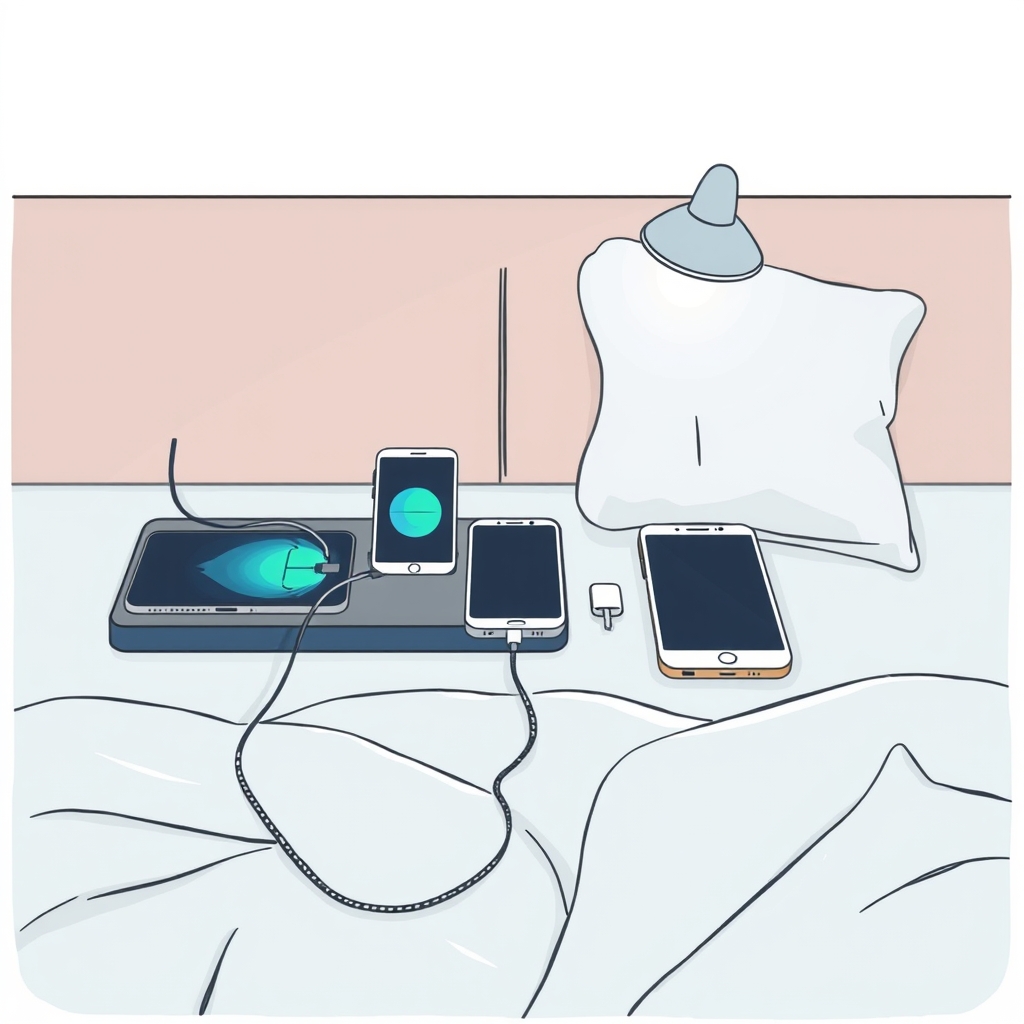
Sleep is non-negotiable for a middle-schooler’s brain development. Bringing a phone into the bedroom is the ultimate digital hygiene failure. The blue light suppresses melatonin, and the constant threat of a notification keeps the brain in a state of hyper-arousal. Establish a “charging station” outside of bedrooms. All devices go there at a set time, no exceptions.
The “No-Device” Zones
Create physical spaces in your home that are strictly analog. The dining table is a classic example. If the family is eating together, devices stay in the other room. This isn’t just about manners; it’s about signaling to the brain that there is a time and place for digital engagement, and there is a time for presence.
The “Pause Before You Post” Protocol
Middle schoolers are impulsive by nature; their prefrontal cortex—the part of the brain responsible for impulse control—is still under construction. Digital hygiene must include a “buffer” for this impulsivity.
Teach the 24-hour rule: If you are angry, upset, or feeling a strong urge to react to something online, wait 24 hours before posting or replying. This is the digital version of “counting to ten.” Most of the time, the emotional urgency will fade, and they will realize that the post wasn’t worth the trouble it might cause.
The “Grandma Test”
Another helpful heuristic is the “Grandma Test.” Before posting a photo, comment, or video, ask: “Would I be comfortable showing this to my grandmother?” If the answer is no, it doesn’t belong online. This helps them visualize the permanence of the internet and the reality that their digital audience is much broader than just their friends.
Middle schoolers often feel they need to be “always on” to maintain their social standing. This creates a cycle of anxiety. Digital hygiene involves teaching them that being “offline” is a perfectly valid and healthy state. You don’t need to reply to every message instantly, and you don’t need to acknowledge every post you see.
Encourage them to have hobbies that don’t involve a screen. Whether it’s sports, reading, painting, or just walking the dog, these activities provide the “digital detox” necessary to reset their internal baseline. When they feel good in the real world, they are less likely to seek validation through digital means.
Addressing Common Misconceptions
Parents often believe that “tech-savvy” means their child knows how to handle themselves online. This is a dangerous assumption. Knowing how to use an app is not the same as understanding the implications of the data sharing, the algorithmic influence, or the permanence of the content created. A child can be a genius at video editing but still be susceptible to cyberbullying or phishing attempts.
Another myth is that monitoring software is enough. While parental controls have their place, they are a temporary bridge. The goal is to build internal self-regulation. If you rely solely on blockers, your child will never learn how to make good decisions when you aren’t looking—and eventually, they will be out of your direct supervision.
The Long-Term View: Resilience
Digital hygiene is a lifelong process. As your child grows, the threats will change. Phishing will become more sophisticated, social media pressures will shift from “likes” to “professional branding,” and the amount of data they generate will increase. By teaching them the core principles now—privacy, intentionality, balance, and skepticism—you are giving them a framework that can adapt to whatever the tech landscape looks like in five or ten years.
Remember, the goal isn’t to create a perfect digital citizen. The goal is to create a person who is aware, in control, and capable of using technology as a tool for their own development rather than being used by it. Stay patient, stay involved, and keep the conversation open. If you treat digital hygiene like a collaborative family project rather than a list of rules, you’ll find that your child is much more willing to listen and learn.
Frequently Asked Questions
1. How early should I start teaching digital hygiene?
You can start as soon as your child begins using any device with internet access. For young children, it starts with simple concepts like “not clicking on pop-ups.” By middle school, you should be moving into the more complex topics like data privacy and social media etiquette.
2. What if my child resists these new rules?
Resistance is normal. Frame the conversation around their autonomy. Explain that these rules aren’t about controlling them; they are about giving them the “keys” to their digital life so they can navigate it without getting hacked, harassed, or overwhelmed. Make it a shared experiment rather than a mandate.
3. How do I know if my child is struggling with their digital habits?
Look for changes in behavior rather than just looking at the screen time numbers. If they are irritable when they aren’t online, if their sleep is suffering, or if they seem withdrawn from offline activities they used to enjoy, it’s a sign that their digital hygiene needs a reset. Focus on the impact, not just the duration.
For further reading and resources on digital safety and child development, you may find these official sources helpful:
- Common Sense Media – Provides excellent reviews and guidance on apps, games, and digital trends.
- FTC Children’s Privacy Guidance – Offers official information on how data is handled and your child’s rights online.
Teaching these habits takes time, but like any other life skill, the effort you put in now will pay dividends as they navigate their teenage years. Stay grounded, keep the lines of communication open, and remember that you are their best model for healthy digital behavior.