- The second-hand travel gear market offers high-end, durable equipment at 40–70% off retail prices, making it perfect for families managing tight budgets.
- Reliability depends on inspection; prioritize items with lifetime warranties, like high-end hard-shell luggage or technical outdoor packs.
- Key platforms include specialized outdoor consignment shops, certified refurbished sections of major brands, and community-focused resale marketplaces.
The smartest way to upgrade your travel kit isn’t by rushing to a department store for the latest “revolutionary” suitcase; it is by tapping into the robust, often overlooked economy of pre-owned professional-grade travel gear. If you are in your 30s or 40s, you know the drill: between school runs, work deadlines, and the rising cost of family vacations, dropping $400 on a single piece of luggage feels less like an investment and more like a financial headache. Yet, we still need gear that survives the chaos of airports and the wear of family adventures.
The good news is that the second-hand market for travel gear is currently experiencing a renaissance. People are increasingly conscious of the environmental impact of “fast fashion” and disposable travel equipment. Whether you are looking for a rugged hiking pack for a weekend getaway or a set of reliable hardshell luggage, the items are out there, often barely used and significantly cheaper than their brand-new counterparts.
Why the Second-Hand Market is a Goldmine for Parents
When you are traveling with kids, your gear takes a beating. Strollers get gate-checked, backpacks get tossed into the back of rental vans, and tech organizers are spilled on. Buying top-tier, “indestructible” gear brand new is expensive, but buying it second-hand is a masterclass in value. Most high-end travel brands—think brands like Osprey, Patagonia, or Briggs & Riley—build their products to last for decades. They offer lifetime warranties that often follow the product, not the original owner.
This is the “secret” that seasoned travelers have known for years. A backpack that costs $300 new might show up on a resale site for $120 because the original owner simply didn’t like the color or decided they wanted a different configuration. The structural integrity is often 99% intact. By buying used, you aren’t just saving money; you are keeping perfectly functional, high-quality materials out of landfills. It is a win for your wallet and a small, tangible win for the environment.
Where to Look: Beyond the Local Thrift Store
If you head to your neighborhood donation shop, you might find a decent suitcase, but it’s a game of luck. For reliable, high-performance gear, you need to go where the enthusiasts go. The internet has democratized access to high-quality used gear, but you need to know which platforms are actually worth your time.
| Platform Type | Best For | Pro Tip |
|---|---|---|
| Brand Resale Programs | Technical gear, hiking packs, jackets | Check the “Worn Wear” or “Pre-Loved” tabs on official brand websites. |
| Specialized Consignment | Camping equipment, high-end luggage | These shops often inspect items for quality before listing. |
| Community Marketplaces | General travel accessories, cameras | Filter by “Like New” or “Excellent” condition. |
1. Official “Pre-Loved” Brand Programs
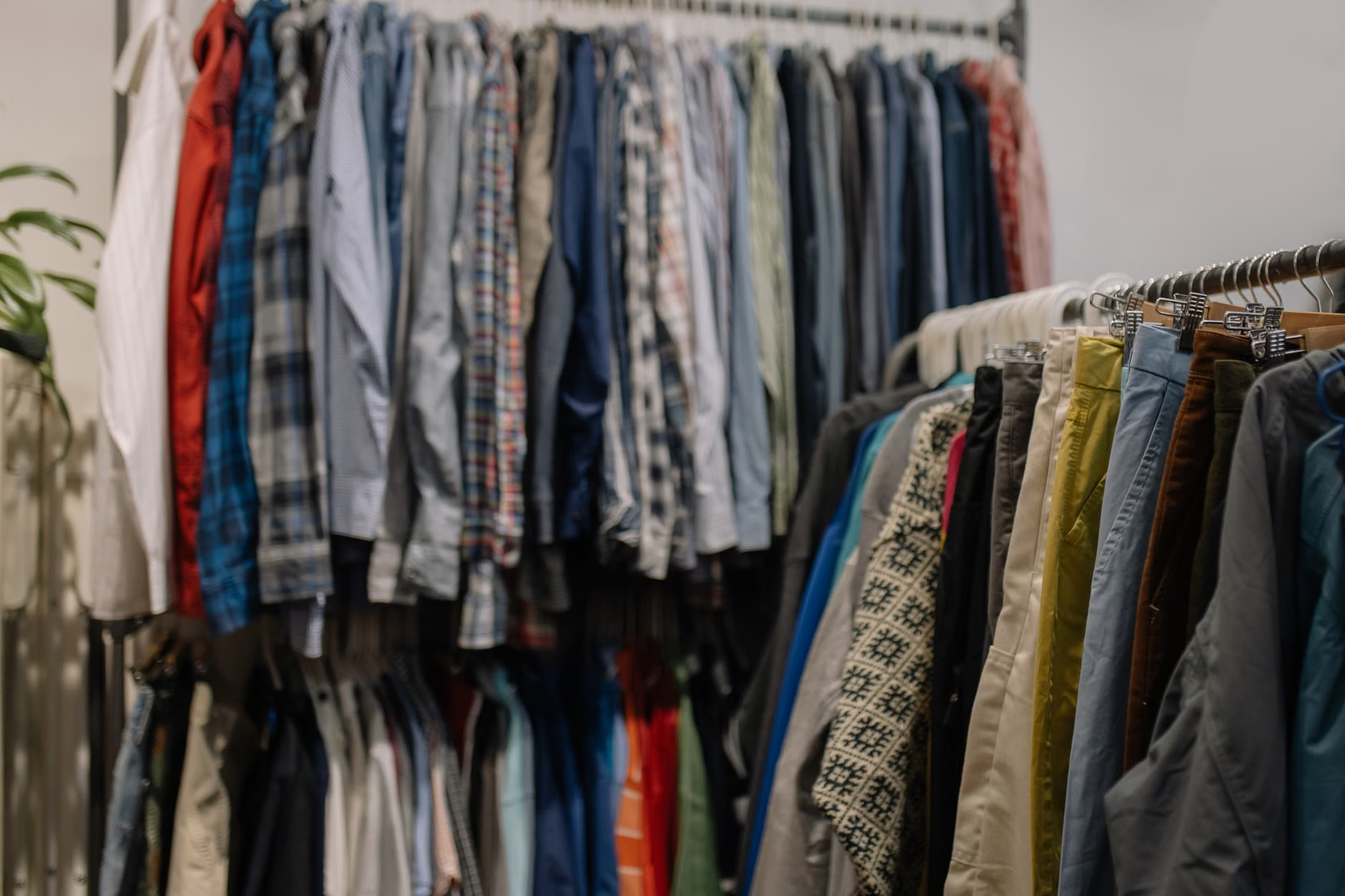
Many premium outdoor and travel brands have launched their own resale platforms. This is the gold standard for buying used. Why? Because the brand itself inspects, cleans, and sometimes repairs the item before putting it back on the shelf. You get the benefit of a professional quality check, and you often still get a limited warranty. Look for programs from companies like Patagonia (Worn Wear), REI (Used Gear), and various luggage manufacturers that offer “certified refurbished” units.
2. The Niche Online Marketplaces
Platforms like Geartrade or specialized Facebook groups for gear-heads are excellent. Unlike general-purpose auction sites, these communities are populated by people who actually use the equipment. They know the difference between a “good” backpack and a “great” one. When you buy from a niche community, you are more likely to get an honest description of the item’s history, including any scuffs or issues.
The “Inspection Checklist”: How to Avoid Lemons
Buying used requires a different mindset than buying new. You aren’t just clicking “Add to Cart”; you are performing a mini-audit. Even if you are buying from a reputable seller, you need to know what to look for to ensure the item will survive your next trip. If you are shopping online, ask the seller for high-resolution photos of these specific areas.
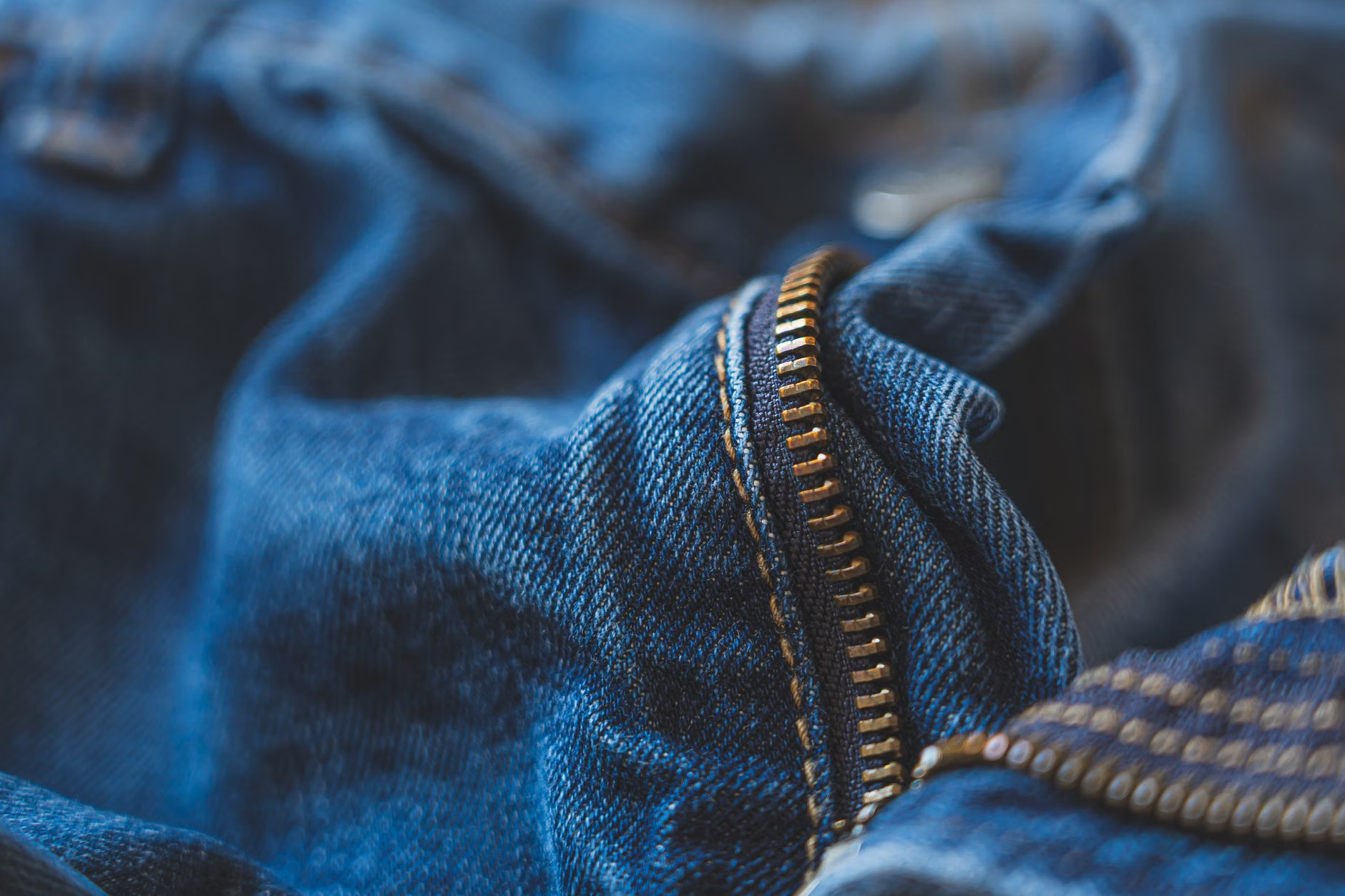
- Zippers: This is the number one point of failure. Ask for a photo of the zipper tracks. Are there any missing teeth? Does the zipper pull feel loose? If it sticks, it’s a red flag.
- Internal Lining: Look for signs of “flaking.” If the bag is waterproof, it likely has a polyurethane coating. If that coating is peeling or sticky, it’s reaching the end of its life.
- Stitching and Seams: Check the stress points—where the shoulder straps meet the body of the bag, or where the handle attaches to the suitcase. Look for fraying or loose threads.
- Hardware: Are the buckles cracked? Is the telescopic handle on the suitcase smooth, or does it catch?
If you are buying in person, take your time. Don’t be afraid to pull on the straps or zip the bag open and closed five times. If the seller acts annoyed, walk away. A good seller knows that gear is meant to be tested.
Let’s be realistic: not every deal is a good deal. There are risks involved in the second-hand economy, particularly regarding hygiene and security. When buying items like sleeping bags or apparel, always check if they have been professionally cleaned. If you are buying a used backpack, a simple wipe-down with a disinfectant cloth is a good first step once you get it home.
Another risk is the “counterfeit” market. High-end brands are frequently copied. If the price looks too good to be true, it probably is. Check for consistent branding, high-quality hardware (genuine YKK zippers are a standard in high-end gear), and serial numbers. If the seller cannot provide a photo of the tag or a serial number, proceed with extreme caution.
Building Your Kit Over Time
You don’t need to replace your entire travel arsenal in one go. In fact, that is the opposite of the sustainable approach. Start by identifying the “pain points” in your current setup. Is your current carry-on bag too heavy? Is your daypack uncomfortable for long walks? Focus on replacing one item at a time with a high-quality, pre-owned version.
This strategy allows you to slowly curate a collection of gear that is significantly better than what you would have been able to afford if you bought everything new. Over a few years, you will find yourself with a “pro-level” kit that cost you a fraction of the retail price. It’s a rewarding process, and it turns the chore of shopping into a bit of a treasure hunt.
Remember that the best piece of travel gear is the one that allows you to focus on the trip, not on the equipment. If you aren’t worried about your bag falling apart or your stroller collapsing, you can spend more time enjoying the experience with your family. That peace of mind is worth more than the brand-new price tag.
Common Pitfalls and How to Avoid Them
One of the biggest mistakes people make when entering the second-hand market is “feature creep.” You might see a piece of gear that looks amazing but is far more complex than what you actually need. Just because a backpack has a dedicated laptop sleeve, a hydration bladder port, a hidden passport pocket, and an integrated rain cover doesn’t mean you need all those features. Buying used is a great opportunity to get exactly what you need, rather than what a marketing team wants you to buy.
Another pitfall is ignoring the “fit” of the gear. If you are buying a backpack, the suspension system is crucial. Even if the bag is in perfect condition, if it doesn’t fit your torso length or your body type, it will be uncomfortable. If possible, go to a store and try on the model new, then search for that specific model second-hand. This is the “try before you buy” hack that ensures you get both the quality you want and the comfort you need.
Final Thoughts on Smart Consumption
The second-hand travel gear economy is not just about saving money; it is about changing our relationship with the things we own. By choosing to buy pre-owned, we are acknowledging that quality items have a long life cycle and that we don’t need to contribute to the cycle of constant consumption. It requires a bit more research and a bit more patience, but the rewards—in terms of both financial savings and the quality of your travel experience—are undeniable.
As you build your kit, keep in mind that the most important part of any trip is the memories you make. Whether your suitcase is brand new or has traveled across three continents with a previous owner, it is simply a tool to help you get where you are going. Treat your gear with respect, maintain it well, and when you are eventually done with it, pass it on to someone else. That is how we keep the cycle going.
For those interested in verifying the durability of specific brands or learning more about the repairability of gear, I highly recommend checking out resources like the Outdoor Industry Association for insights on sustainability, or the official repair guides often published by top-tier manufacturers. These resources can help you identify which brands truly stand behind their products, making them the safest bets for your second-hand purchases.
Frequently Asked Questions
1. Is it safe to buy used travel gear online?
Yes, provided you use reputable platforms that offer buyer protection or escrow services. Always check the seller’s ratings and read recent reviews. If a listing lacks detailed photos of the item’s current condition, ask for them before committing to a purchase.
2. Are there any items I should avoid buying second-hand?
While most gear is fine, avoid buying used safety-critical equipment like climbing helmets, car seats, or anything where the structural integrity cannot be verified by a visual inspection. For these items, the risk of hidden damage outweighs the potential savings.
3. How do I clean used gear to ensure it is hygienic?
Most soft goods like backpacks and clothing can be cleaned according to the manufacturer’s instructions. For synthetic materials, use a mild, non-detergent soap and warm water. Always ensure the item is completely dry before storage to prevent mold or mildew, which can degrade fabrics over time.
Disclaimer: The information provided is for educational purposes and based on general research into the second-hand market. Always exercise your own judgment and perform thorough inspections before purchasing pre-owned items.