The “Quiet-Adventure” trend is gaining momentum because modern travelers are realizing that the most memorable experiences rarely happen in front of a famous monument surrounded by thousands of selfie sticks. Instead, the real value of a vacation—especially for those of us juggling careers, mortgages, and the chaotic logistics of parenting—lies in the intentional, low-stress discovery of “hidden gems” that don’t require an itinerary packed with hour-long queues.
- Intentionality over Visibility: Quiet-adventure travel prioritizes personal connection and peace over checking items off a “must-see” list.
- Economic and Social Impact: Visiting lesser-known destinations helps prevent over-tourism in popular hubs while supporting local, authentic economies.
- Practical Planning: Success requires moving away from social media algorithms and toward local research, offline maps, and flexible scheduling.
If you are in your 30s or 40s, you likely remember a time when travel was about discovery. Today, it feels more like a performance. We scroll through Instagram or TikTok, see the same five spots in Santorini or Kyoto, and feel a strange pressure to replicate those exact shots. But then we actually go, and the reality hits: the crowd, the noise, the overpriced coffee, and the realization that your kids are miserable because they’ve spent three hours waiting in a line just to see a statue that looked better online.
This frustration is the exact catalyst for the quiet-adventure movement. It is not about being elitist or avoiding popular cities entirely; it is about choosing the “second city” or the “next town over” to find the soul of a destination. It is the art of opting for the local bakery in a quiet neighborhood over the Michelin-starred tourist trap.
Why We Are All Seeking the “Quiet”
The term “Quiet-Adventure” has emerged as a direct response to the phenomenon of over-tourism. According to recent data from organizations like the World Travel & Tourism Council, a handful of global “super-destinations” are absorbing the vast majority of visitor growth. This creates a feedback loop: more visitors lead to higher costs, more restrictive local laws, and a degraded experience for both locals and travelers.
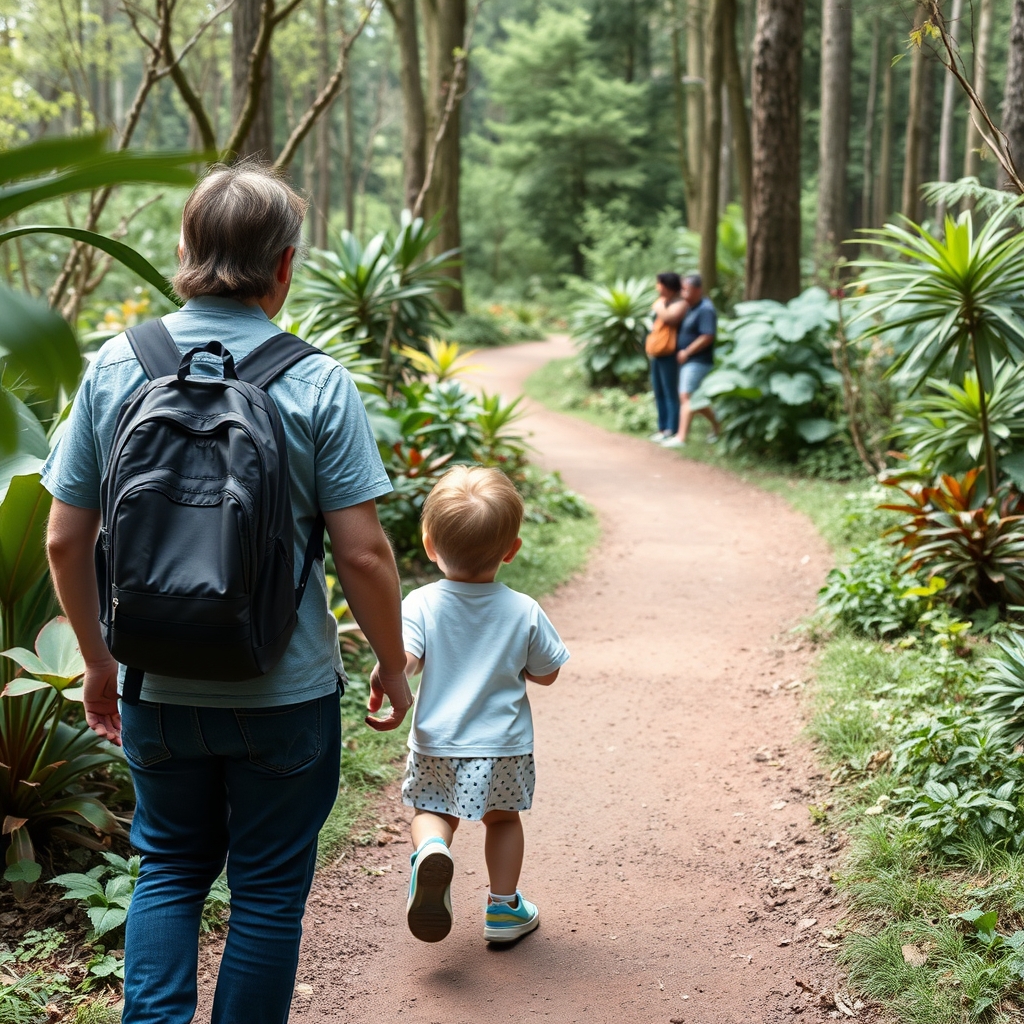
For parents, the “Quiet-Adventure” approach is a survival mechanism. When you travel with children, your “bandwidth” for frustration is much lower. If you lose your cool because of a massive crowd, the day is effectively over. By choosing locations that are off the beaten path, you reduce the sensory overload that makes family travel exhausting. You aren’t just saving money; you are saving your sanity.
Furthermore, there is a psychological shift occurring. We are becoming more aware of our environmental footprint. Traveling to less-visited areas distributes tourism revenue more equitably. It forces us to engage with cultures as they are, rather than as they are packaged for mass consumption.
How to Identify a Genuine “Hidden Gem”
The term “hidden gem” is often used as a marketing buzzword, but in reality, it is a specific type of destination. It is a place that has enough infrastructure to be functional—reliable water, decent food, safe accommodation—but lacks the “Instagram-famous” branding that draws the masses.
| Feature | Mass Tourism Destination | Quiet-Adventure Destination |
|---|---|---|
| Planning | Pre-booked months in advance | Flexible, local-based research |
| Interaction | Transactional (tourist-to-provider) | Relational (guest-to-local) |
| Pace | Rapid, checklist-style | Slow, immersion-style |
| Budget | Premium/Inflated | Value-driven/Local pricing |
To find these places, stop using broad search terms like “best places to visit in Italy.” Instead, look for regional tourism boards, local university blogs, or obscure travel forums. If you find a place that has a local museum, a public park, and a market, you have everything you need for a successful trip. You don’t need a world-famous landmark to have a world-class experience.
The Practical Guide to Executing a Quiet-Adventure
Transitioning from a traditional tourist to a quiet adventurer requires a change in your technical toolkit. You can no longer rely on the “top 10” lists generated by AI or SEO-optimized travel blogs. You need to become your own researcher.
1. Master the “Second City” Strategy
If you want to visit a popular country, look at a map and pick a city or region that is at least a three-hour train ride away from the primary transport hub. For instance, instead of spending your entire trip in the center of London, consider the coastal towns of Norfolk or the quieter inland villages of the Cotswolds. The accommodation will be cheaper, the locals will be more relaxed, and your children will have space to breathe.
2. Embrace the “No-Plan” Afternoon
One of the biggest mistakes parents make is over-scheduling. In a quiet-adventure model, you schedule one “anchor” activity for the day—a hike, a museum visit, or a local festival—and leave the rest of the day open. This allows you to follow the local rhythm. If you see a small playground or a local market that looks interesting, you can stop without worrying about missing your next scheduled appointment.
Part of the “quiet” experience is disconnecting from the constant barrage of digital notifications. Download offline maps (Google Maps allows this, as does Maps.me) and rely on them. This keeps your phone from becoming a distraction and encourages you to look at your surroundings rather than your screen.
Common Pitfalls and How to Avoid Them
Even when you intend to have a “quiet” trip, things can go sideways. The most common mistake is assuming that “quiet” means “empty of culture.” A town that is not a tourist hub is still a living, breathing place. Be respectful. Do not treat your destination like a private theme park. Quiet-adventure is about being a guest, not an intruder.
Another pitfall is underestimating the need for logistics. Just because a place is quiet doesn’t mean it has high-speed Wi-Fi or 24/7 food service. If you are traveling with children, ensure you have the basics—snacks, a basic first aid kit, and a clear idea of where the nearest grocery store is located. The lack of convenience stores on every corner is part of the charm, but it requires a bit of pre-planning.

The Economic and Social Implications of Your Choice
When you choose to skip the “big” destination, you are making a quiet statement about the kind of world you want to support. Mass tourism often leads to the “Disney-fication” of historic sites, where the local population is pushed out and replaced by souvenir shops and chain restaurants. By spreading your travel budget to smaller towns, you are supporting family-run guesthouses, local farmers, and independent artisans.
For parents, this is a great way to teach children about global citizenship. When they see that life in a small village in rural France or a mountain town in Japan is different from their life at home, they learn to appreciate variety. They see that there is no “right” way to live, only different ways to be human. This is the ultimate lesson of the quiet-adventure.
Refining Your Travel Mindset
To truly embrace this trend, you must let go of the “FOMO” (fear of missing out). You will not see the Eiffel Tower on this trip. You will not stand in the line for the Sistine Chapel. But you might spend an entire afternoon in a local park watching a community soccer game, or you might find the best piece of local cheese you have ever tasted in a shop that doesn’t even have a website.
Ask yourself: What is the goal of this vacation? If the goal is to rest, reconnect with your family, and experience something new, then a quiet-adventure is almost always superior to a high-intensity tourist trip. If the goal is to prove to your social network that you were in a specific place, then this trend might not be for you. But for those of us in our 30s and 40s, the “proof” of a good trip is increasingly found in the quality of our memories, not the quality of our photos.
Practical Tips for Sustainable Family Travel
- Slow Down: Stay in one place for at least 5–7 days. It reduces the stress of moving luggage and allows you to build a routine.
- Use Public Transport: Even in rural areas, buses and trains are often more reliable than they seem. It’s also an adventure for kids.
- Prioritize Local Food: Eat what is in season and what the locals are eating. It’s usually healthier, cheaper, and more authentic.
- Learn Basic Phrases: A simple “Hello,” “Please,” and “Thank you” in the local language goes a long way in smaller, non-touristy towns.
As we look toward the future of travel, it is clear that the “bigger is better” mentality is fading. We are moving toward a model of travel that values quality over quantity, and peace over prestige. This is a positive shift, especially for families who need their travel time to be restorative rather than draining.
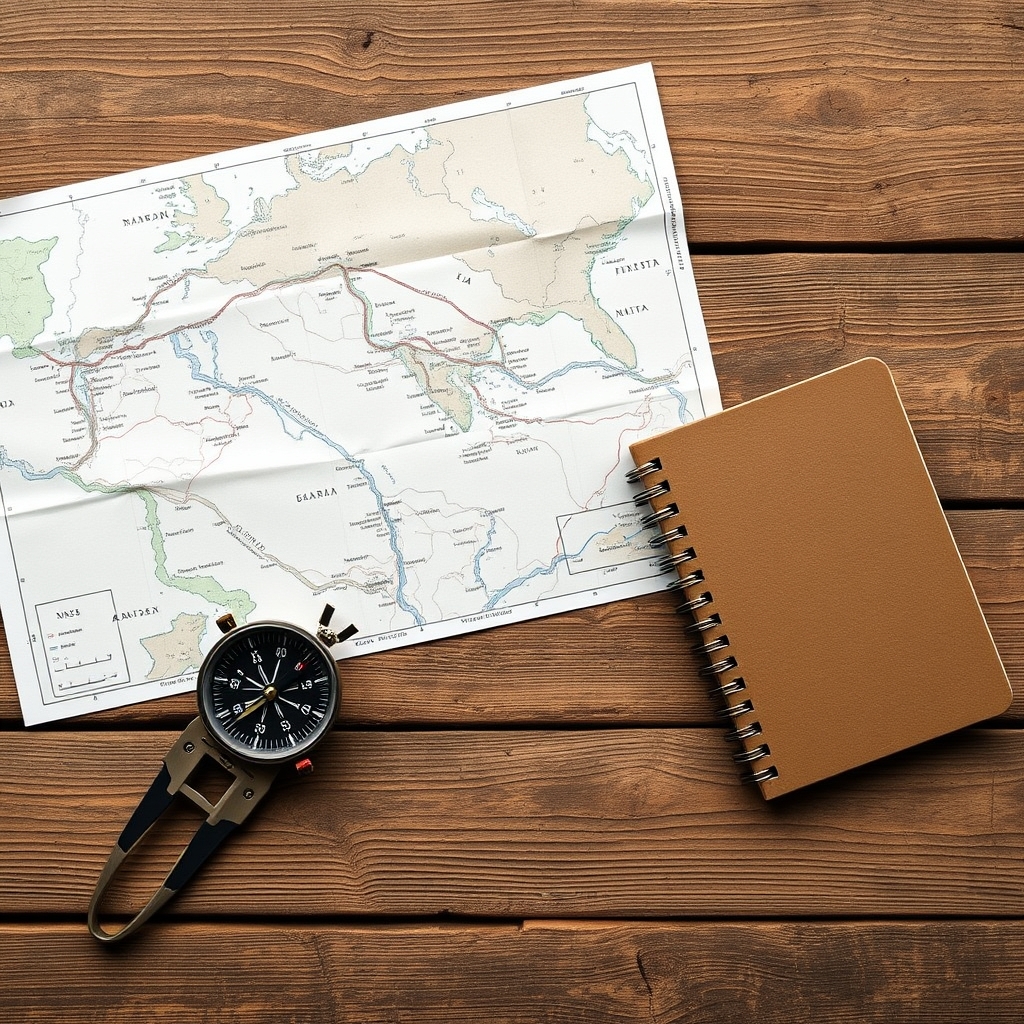
While the allure of the world’s most famous landmarks will never truly vanish, the “quiet-adventure” movement offers a sustainable, sane, and deeply rewarding alternative. It is an invitation to look for the beauty in the overlooked, the value in the quiet, and the connection in the simple. So, next time you are looking at a map, skip the capital city. Look for the small dot in the middle of nowhere. That is where your next great story is waiting to be written.
Frequently Asked Questions
Is “Quiet-Adventure” travel more expensive than traditional travel?
Generally, no. In fact, it is often significantly cheaper. While you might pay a premium for specific, non-chain accommodations, your daily costs for food, activities, and transport in smaller, less-visited towns are typically much lower than in major tourist hubs. You are avoiding the “tourist tax” that is applied to everything in famous cities.
How do I handle language barriers in non-touristy areas?
Language barriers are actually part of the charm of a quiet-adventure. Most modern smartphones have excellent translation apps, such as Google Translate, which allow for real-time conversation or text translation. Beyond technology, a smile, hand gestures, and a polite attitude go a long way. Most locals in smaller towns are very patient and appreciative of visitors who make an effort to communicate.
Is this style of travel safe for families with young children?
Yes, but it requires a different kind of safety approach. You are less likely to encounter the petty crime associated with crowded tourist areas, but you are also further from emergency services and English-speaking hospitals. Always ensure you have comprehensive travel insurance, keep a list of local emergency numbers, and have a clear plan for your child’s medical needs before you head into remote areas.
For more information on responsible tourism and finding off-the-beaten-path destinations, visit the World Travel & Tourism Council or explore regional guides provided by UNESCO’s Sustainable Tourism initiatives.