Organizing a neighborhood clothing swap is the single most effective way to refresh your wardrobe, clear out the clutter that accumulates during family life, and embrace the principles of slow fashion without spending a dime.
- Circular Economy: Clothing swaps keep textiles out of landfills and reduce the demand for fast-fashion production.
- Community Building: These events foster local connections, turning an errand into a social opportunity for busy parents.
- Practical Execution: Success relies on clear rules regarding item quality, a simple ticketing system, and a plan for leftover donations.
If you are in your 30s or 40s, you probably know the feeling all too well: the closet is overflowing, yet you feel like you have nothing to wear. Between the kids growing out of their clothes every six months and your own style preferences shifting as your lifestyle changes, the “closet fatigue” is real. You want to be more sustainable, but the sheer effort of selling clothes on online marketplaces or researching the ethics of every single brand can feel like a part-time job you didn’t sign up for.
This is where the neighborhood clothing swap comes in. It is not just about getting rid of old stuff; it is a localized, high-impact way to practice the “slow fashion” movement. Slow fashion isn’t just about buying expensive, organic cotton. It is about valuing what we already have, extending the lifecycle of garments, and rejecting the cycle of constant, disposable consumption.
Why the ‘Slow-Fashion’ Swap is Perfect for Your Busy Life
The beauty of a clothing swap lies in its simplicity. Unlike selling clothes online, which requires taking photos, writing descriptions, handling shipping, and dealing with potential returns, a swap is a closed-loop system. You bring what you don’t need, and you take what you do. It’s a literal manifestation of the “reduce, reuse, recycle” mantra that actually saves time.
For parents, the benefits are twofold. First, children’s clothing is notoriously short-lived. Kids outgrow items before they even show signs of wear. A swap allows you to pass these items to other parents in your neighborhood while simultaneously sourcing the next size up for your own children. Second, for adults, it allows you to experiment with your style. If you’ve been wanting to try a new silhouette or color palette but don’t want to invest in new retail prices, a swap is the perfect, low-risk environment to do so.
Furthermore, the environmental impact is significant. According to the Environmental Protection Agency (EPA), millions of tons of textiles end up in landfills annually. By keeping these items in circulation, you are actively participating in a circular economy. You aren’t just cleaning your house; you are helping your community reduce its collective carbon footprint.

Phase 1: Planning and Logistics
Don’t let the word “organizing” intimidate you. You don’t need a professional event planner background to pull this off. You just need a clear framework. Start by picking a date and a venue. If you don’t have a large enough home, consider a local community center, a church hall, or even a public park if the weather permits.
When choosing a date, aim for the start of a season. People are naturally more inclined to declutter their closets when the weather changes. A Saturday morning or afternoon is generally best for parents, as it aligns with school-free time. Once the date is set, you need to decide on the “rules of engagement.”
Setting the Rules
The biggest pitfall in any swap is the quality of items. You don’t want your event to become a dumping ground for stained, ripped, or damaged clothing. Set a firm policy: Only bring items you would feel comfortable giving to a friend. This creates a culture of mutual respect among participants.
Consider whether you want to implement a “ticket” system. A simple system works best: for every item a person brings, they get one token or “swap credit.” This ensures that people aren’t just taking everything without contributing. If you want a more relaxed vibe, you can skip the tokens, but be prepared for a “free-for-all” scenario that might overwhelm some participants.
The Checklist for Success
| Task | Description |
|---|---|
| Marketing | Use local Facebook groups, neighborhood apps, or physical flyers in coffee shops. |
| Sorting Stations | Label areas by size (e.g., Kids 2T-4T, Women’s M, Men’s L) to prevent chaos. |
| Donation Plan | Identify a local charity that will accept all leftover items at the end of the day. |
| Refreshments | Keep it simple—coffee, water, and easy finger foods encourage lingering and socializing. |
Phase 2: Curating the Experience
The “slow” in slow fashion refers to mindfulness. Encourage your neighbors to treat the swap as a shopping experience rather than a rummage sale. This means creating a welcoming atmosphere. Play some music, provide a full-length mirror, and ensure there is a private area for trying things on. If people feel like they are “shopping” in a boutique, they are more likely to appreciate the items they find.
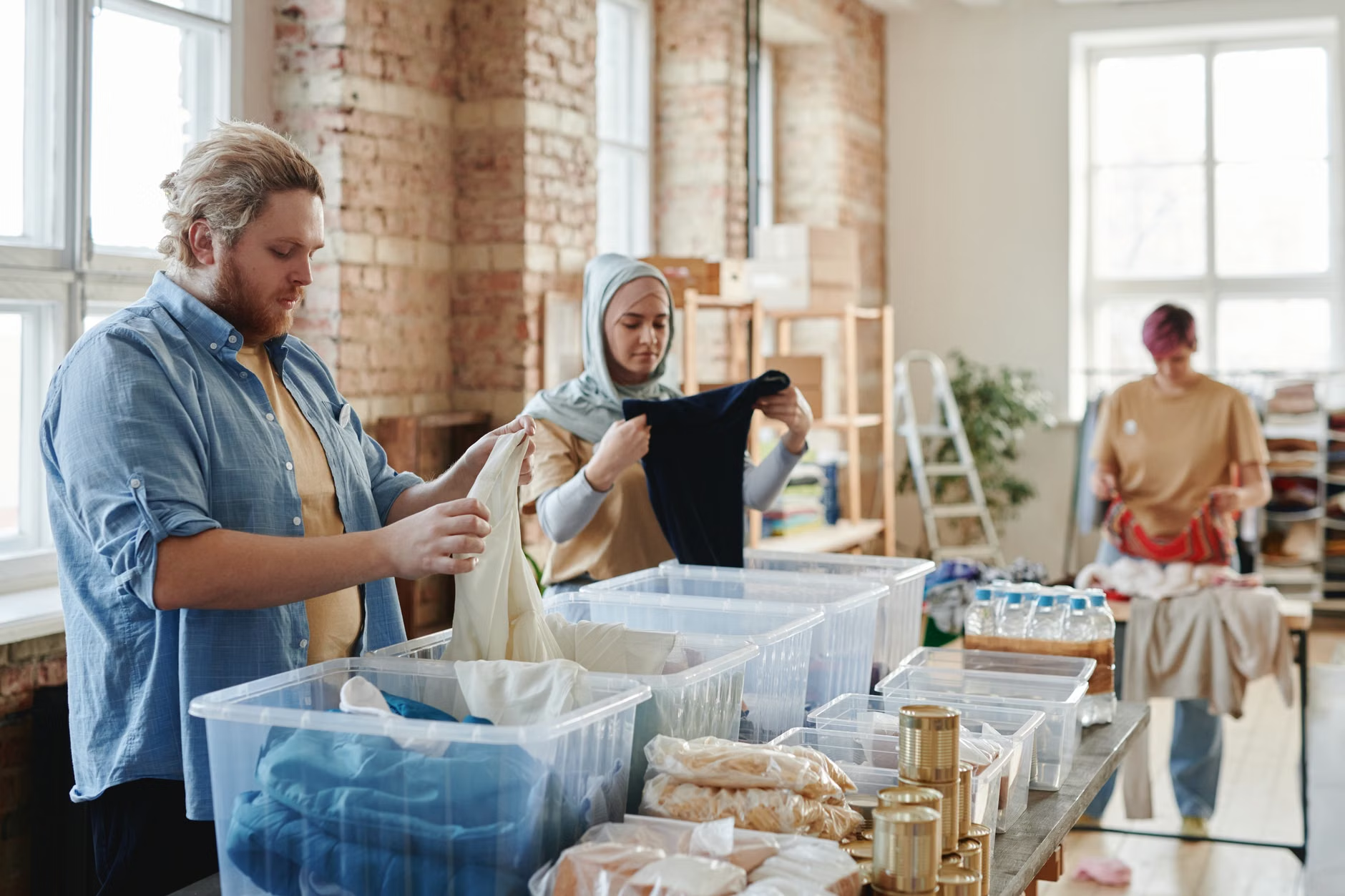
It is also helpful to encourage participants to bring items that are organized. Ask people to bring their clothes in bags or boxes labeled by size. This saves you hours of sorting time on the day of the event. If you have a few friends helping you organize, assign them roles: one person at the door managing the “check-in,” one person monitoring the sorting bins, and one person managing the “donation outflow.”
Addressing Potential Challenges
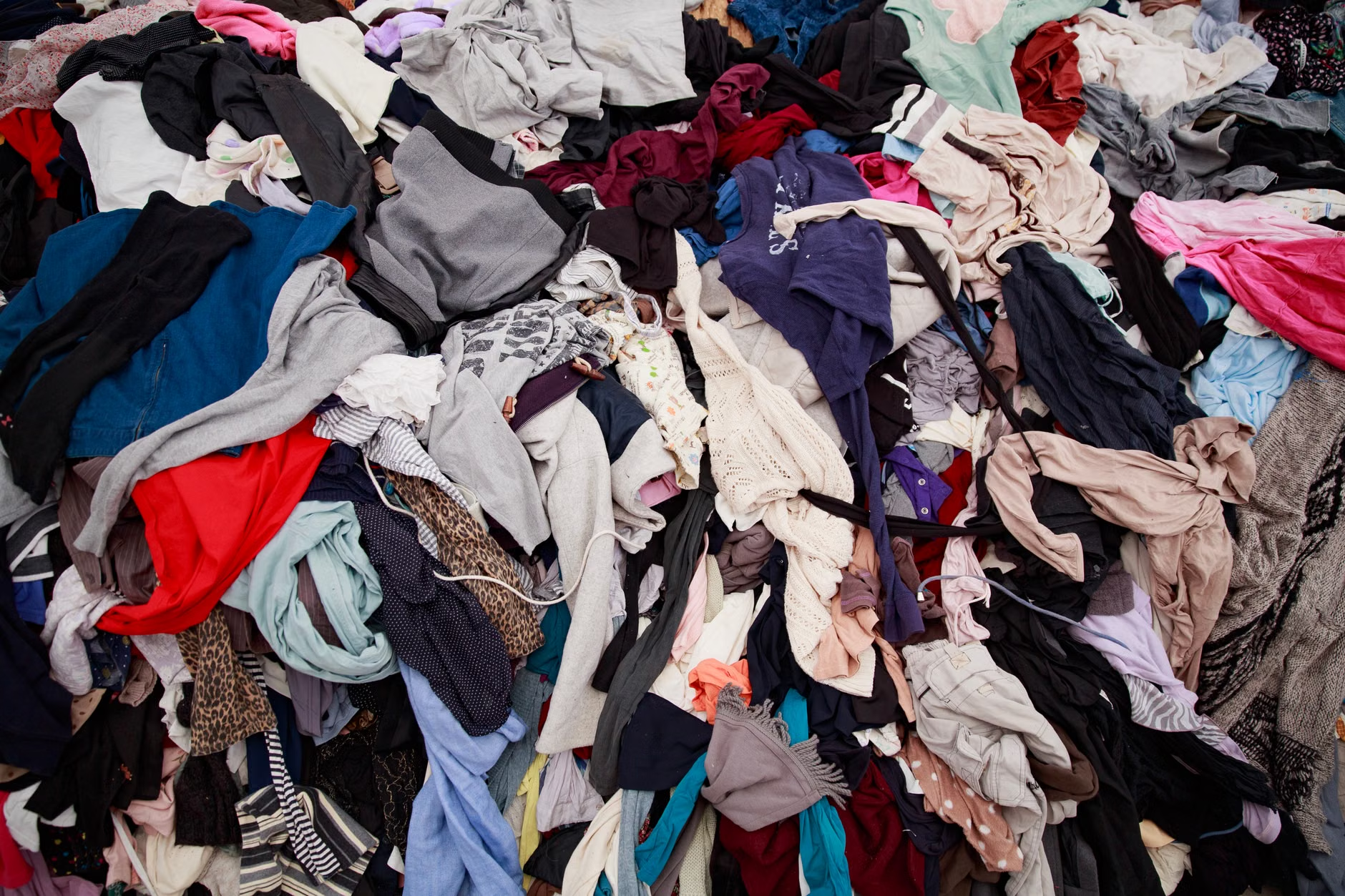
No matter how well you plan, there will be hiccups. The most common issue is the “leftover problem.” What happens to the items that nobody wants? If you don’t have a plan, you will end up with a mountain of clothes in your own home, which is the exact opposite of what you were trying to achieve.
Pro-tip: Before you even advertise the event, call three local charities or shelters. Ask them what their current needs are and if they accept drop-offs. Some charities have specific guidelines regarding the volume of items they can accept. Knowing this in advance prevents the awkwardness of being turned away at the door of a thrift shop with twenty bags of unsold clothes.
Another challenge is the “social dynamic” of the event. Sometimes, people feel self-conscious about their body shape or their style preferences. By keeping the event casual and emphasizing that it is a community-building exercise, you can lower the pressure. Remind everyone that this is about sustainability and fun, not about who has the “best” wardrobe.
The Philosophy of Slow Fashion in Daily Practice
Once you’ve successfully hosted a swap, you might find that your perspective on shopping changes. You start to look at your closet differently. You begin to ask, “Do I really need this? Could I swap for this later? Is this item high quality enough to last?”
This is the essence of slow fashion. It is about slowing down the process of acquisition. We have been conditioned by the fast-fashion industry to believe that we need new items every week to stay current. But the most stylish people are often those who have curated a collection of pieces they truly love and that stand the test of time. A swap helps you identify what those pieces are by allowing you to let go of the “filler” items that were bought on impulse.
Consider the “Cost Per Wear” metric. A fast-fashion shirt might be cheap, but if you wear it once and it loses its shape, the cost per wear is high. A quality piece, even if bought second-hand, can be worn dozens of times. By swapping, you are effectively increasing the utility of these items without adding new materials into the world.
Integrating Sustainable Habits into Family Life
Hosting a swap is a great way to teach children about sustainability. Involve them in the process. Ask them to help you go through their closet and decide which toys or clothes they have outgrown. Frame it as “passing things on to friends” rather than “getting rid of things.” This shifts the narrative from loss to generosity.
You can also use this as an opportunity to talk about why we don’t just throw things in the trash. Explain how clothes are made and why it’s important to take care of them. These small, practical lessons are often more effective than abstract lectures on climate change. When they see their old sweater being worn by a neighbor’s child, they understand the value of reuse in a tangible way.
Refining Your Swap Strategy
After your first event, take a moment to reflect. What worked? What didn’t? Was the venue too small? Did people bring too many items? Use this feedback to improve the next event. Many organizers find that hosting these swaps quarterly or bi-annually keeps the clutter at bay perfectly.
Don’t be discouraged if the first event is small. The goal is to create a habit, not to host a massive festival. Even a swap with five neighbors is a success if it keeps items out of the landfill and helps everyone find something they enjoy. Consistency is more important than scale.
If you find that your community is really into it, consider expanding the scope. Maybe you can include a “repair cafe” corner where someone skilled at sewing can help people fix minor tears or replace buttons. This adds another layer to the slow-fashion experience—teaching people how to maintain their clothes rather than replacing them.
Common Misconceptions About Clothing Swaps
There are a few myths that often keep people from participating in or hosting a swap. Let’s address them head-on:
- “Only low-quality clothes are swapped.” This is rarely true. People often swap items that are perfectly fine but just don’t fit their current lifestyle, size, or style. You will often find high-quality, name-brand, or even vintage items at these events.
- “It’s too much work.” Yes, there is some organizational effort involved, but compare that to the time spent browsing online stores, dealing with shipping, and the guilt of discarded items. The time invested in a swap pays dividends in terms of community and sustainability.
- “I don’t have anything worth swapping.” You don’t need to have a wardrobe full of designer items. Everyone has pieces they bought but rarely wear. That item is exactly what someone else is looking for.
Final Thoughts on Building a Circular Community
Organizing a neighborhood clothing swap is a powerful act of community stewardship. It challenges the prevailing culture of disposable consumption and replaces it with one of sharing and care. It’s a practical, grounded way for us in our 30s and 40s to manage the chaos of our daily lives while keeping our values intact.
Remember, the goal isn’t perfection. You don’t need to have the most organized bins or the most attendees. You just need to create a space where people can connect, clear their space, and find joy in the items they already have. By doing so, you are proving that sustainability isn’t just a buzzword—it’s a lifestyle that fits perfectly into the everyday reality of a busy family.
Start small, be clear about your expectations, and don’t forget to enjoy the process of seeing your neighbors find new life in your old favorites. It’s a small step, but it’s a step in the right direction.
For more information on the impact of textile waste and how you can further your sustainable journey, you can look into resources from the Environmental Protection Agency on textile recycling or explore the Fashion Revolution movement, which provides excellent insights into the ethics of the global clothing industry.
Frequently Asked Questions
1. How do I handle people who bring items that are in poor condition?
The best way to handle this is to be very clear in your initial communication (the invitation or flyer). Use the “friendship rule”: “Only bring items you would be happy to give to a friend.” If someone brings a bag of stained or damaged items, kindly explain that the event is for high-quality, wearable items and suggest they take those specific pieces to a textile recycling center instead.
2. Is it better to host the swap in a public space or a private home?
Both have pros and cons. A private home is more intimate and easier to manage, but it limits the number of people who can attend comfortably. A public space, like a community center, allows for more participants and feels more like a “neutral ground,” but it may require a small fee to rent or more coordination to secure. Choose based on your expected turnout and your comfort level.
3. How do I ensure that the event doesn’t become a “free-for-all”?
Setting up clear zones is the key. Use signs to mark areas for different types of clothing (e.g., “Activewear,” “Business Casual,” “Kids: 0-24 months”). Additionally, having a “check-in” person who explains the rules as people arrive helps set the tone. If you are worried about behavior, a token system where people receive one credit for every item they donate is the most effective way to ensure fairness.