The secret to a stress-free family weekend in your 30s or 40s isn’t a high-stakes vacation; it’s the rise of the “Local-Micro-Festival”—small, hyper-local gatherings that offer the festive atmosphere of a major event without the logistical nightmare of long-distance travel.
- Low Friction, High Reward: Micro-festivals eliminate airport stress, hotel costs, and the exhaustion of long-distance transit.
- Community Connection: These events foster a sense of belonging and allow children to interact with their own neighborhood environment.
- Manageable Duration: Unlike week-long trips, micro-festivals are usually 2–6 hour commitments, making them perfect for busy parenting schedules.
Let’s be honest: the “family getaway” often feels less like a vacation and more like a logistical operation. Between packing for three days, managing nap schedules, and the inevitable “are we there yet” chorus, many parents return home more tired than when they left. By the time you’ve unpacked the suitcase and dealt with the mountain of laundry, the “relaxing” weekend has essentially become a net-negative for your mental health.
This is where the shift toward local-micro-festivals comes in. We aren’t talking about massive music festivals with thousands of attendees and overpriced tickets. We are talking about neighborhood block parties, seasonal harvest markets, town-square art walks, or community “heritage” days. They are small, they are usually free or low-cost, and they are happening right under your nose.
What Exactly Is a ‘Local-Micro-Festival’?
A micro-festival is defined by its scale and its radius. While a traditional festival might draw people from across the country, a micro-festival typically draws from a 5-to-10-mile radius. These are curated, intimate experiences that focus on a specific niche—perhaps a local food truck gathering, a neighborhood plant swap, an outdoor cinema night in a city park, or a small-scale music showcase featuring local talent.
Why are they suddenly everywhere? The shift is part of a broader cultural movement toward “slow living” and hyper-localism. As global travel has become increasingly expensive and chaotic, families are re-evaluating the value of their immediate surroundings. Research suggests that “staycations” and local tourism have seen a steady uptick in interest since 2022, as families prioritize financial stability and time-efficiency over the “Instagrammable” but exhausting long-haul trip.
Think of it as the “third space” evolution. We have the home (first space) and the workplace (second space). The micro-festival provides a curated, temporary “third space” where you can be a part of a crowd without having to perform or travel to get there.
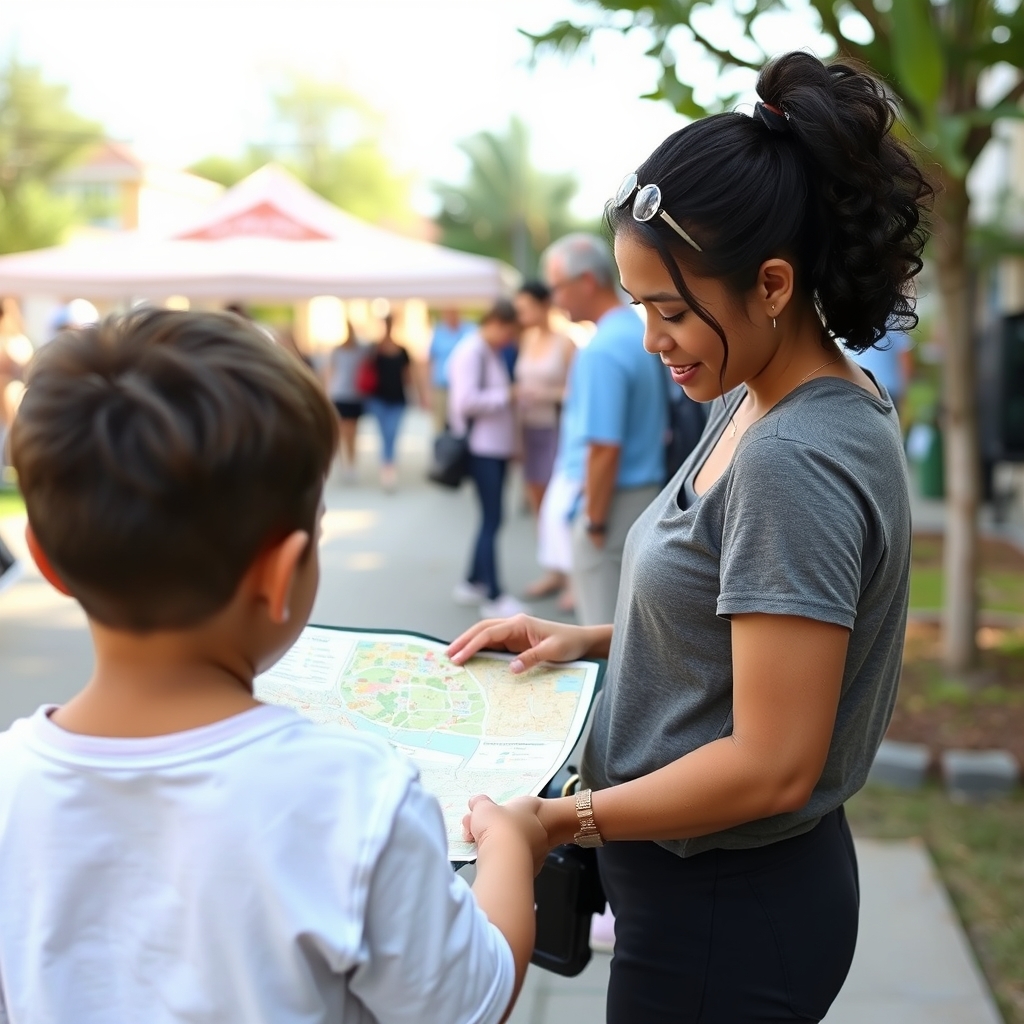
The Logistics of ‘Low-Friction’ Parenting
The primary benefit of a micro-festival is the reduction of the “transition cost.” In physics, transition cost is the energy required to move from one state to another. In parenting, it’s the energy required to get everyone dressed, fed, packed, and transported to a location. When you travel two hours to a destination, you’ve already spent half your energy reserves before the fun begins.
With a local event, the transition cost is near zero. If a toddler has a meltdown, you are twenty minutes from your own living room. If you forgot the sunscreen, you can run back to the house. This creates a psychological safety net. When parents feel less anxious about potential emergencies, they are naturally more present and relaxed.
Table 1: Comparing Traditional Travel vs. Local Micro-Festivals
| Feature | Traditional Weekend Trip | Local Micro-Festival |
|---|---|---|
| Preparation Time | Hours (Packing/Planning) | Minutes (Grab-and-go) |
| Financial Cost | High (Lodging/Gas/Dining) | Low (Entry/Snacks) |
| Stress Level | High (Managing logistics) | Low (Easy exit) |
| Duration | 2–3 Days | 2–6 Hours |
| Post-Trip Fatigue | Significant | Minimal |
How to Find Your Next Micro-Adventure
Finding these events requires a different search strategy than booking a vacation. You aren’t looking for “top 10 family destinations”; you are looking for “community calendars.” Most of these events aren’t heavily marketed on global travel sites, which is exactly why they stay intimate.
1. Master the Local Digital Ecosystem
Start with your local municipal website. Most town or city councils maintain a “Parks and Recreation” or “Community Events” calendar. These are often updated monthly and contain the hidden gems that don’t make it onto social media algorithms.
2. The ‘Community Hub’ Strategy
Physical bulletin boards at local libraries, independent coffee shops, and community centers are the gold standard for micro-festival discovery. If you see a flyer for a “Spring Garden Day” or a “Street Music Afternoon,” take a photo. These grassroots events are usually run by passionate volunteers, ensuring a genuine, non-commercial vibe.
3. Hyper-Local Social Media Groups
Join the “Neighbors of [Your Town/Neighborhood]” groups on Facebook or Nextdoor. While these groups can sometimes be filled with complaints about lawn maintenance, they are also where organizers post about upcoming festivals, pop-up markets, and block parties. Use the search bar in these groups to look for keywords like “festival,” “market,” “fair,” or “music.”
Managing Expectations: The Reality of Small-Scale Events
It is important to manage expectations. A micro-festival will not have the polished, high-production value of a major theme park or a commercial music festival. There might be a slight delay in service at a food stall. The music might be a little off-key. The “activities” for kids might be simple crafts like rock painting or beanbag tosses rather than high-tech VR rides.
However, this “imperfection” is a feature, not a bug. It teaches children that entertainment doesn’t have to be curated by a corporation. It teaches them to engage with their community, appreciate local artisans, and find joy in simple activities. When you remove the pressure of “having the perfect experience,” you leave room for the genuine connections that actually make for a memorable weekend.
Common Mistakes to Avoid:
- Over-scheduling: Don’t try to “hit” three different micro-festivals in one day. The beauty is the slow pace. Pick one, stay for a few hours, and leave before the kids get over-stimulated.
- Ignoring the Weather: Because these are often held in parks or town squares, there is rarely a “rain plan.” Check the forecast and have a backup “home day” ready if the weather turns.
- Assuming “Free” Means “Zero Cost”: While entry is often free, the food and artisan goods are where you might spend money. Set a budget just like you would for a larger trip.
The Psychological Benefit of ‘Slow Parenting’
In our 30s and 40s, we are often caught in a cycle of optimization. We try to optimize our careers, our fitness, our children’s education, and our limited leisure time. We feel that if we aren’t “doing something productive” with our weekends, we are wasting them. This leads to burnout.
Micro-festivals offer an antidote to this optimization culture. They represent “low-stakes leisure.” You aren’t investing thousands of dollars or days of planning. If you get there and it’s not for you, you can leave after twenty minutes with no regret. This freedom is psychologically liberating.
Furthermore, these events encourage “parallel play” for families. You and your partner might be chatting with neighbors while the kids are engaged in a simple activity nearby. You aren’t constantly managing their experience; you are allowing them to exist in a public, social space alongside you. This builds confidence in children and provides a much-needed break for parents who are usually in constant “supervision mode.”
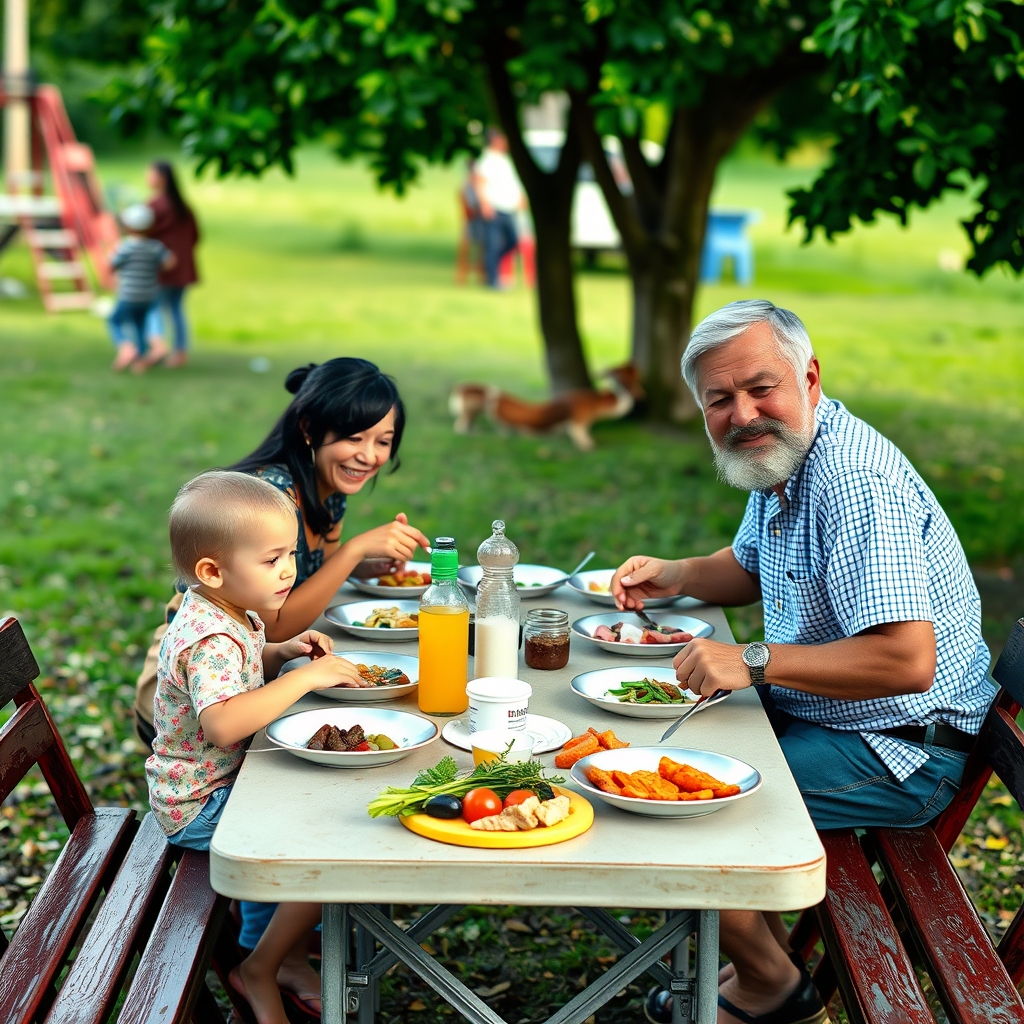
Building Your Own Micro-Festival Toolkit
To make these outings even smoother, keep a “go-bag” ready in your car or by the door. You don’t need a massive suitcase, but having a few essentials ensures you can stay comfortable for those 3–4 hours.
The Micro-Festival Kit:
- A Compact Picnic Blanket: Look for one that is waterproof on the bottom and folds into a small pouch.
- Reusable Water Bottles: Staying hydrated is key, and many local festivals have refilling stations.
- Sun/Rain Protection: A small bag with sunscreen, hats, and two compact umbrellas.
- Portable Power Bank: In case you’re taking photos or need to check maps.
- Comfortable Footwear: You’ll likely be walking on grass, pavement, or gravel.
By keeping this kit ready, you remove the “prep” barrier entirely. On a Saturday morning, if you see an event pop up on your feed, you can be out the door in ten minutes. That ease of execution is what turns a “maybe one day” idea into a regular family habit.
The Future of Community-Centric Travel
As we move further into a digital-first world, the demand for physical community connection is only going to grow. We are seeing a resurgence of “third places” where people can gather without the pressure of a commercial transaction. Micro-festivals are at the center of this. They are sustainable, they support the local economy, and they provide a healthier, more balanced approach to family leisure.
We shouldn’t view these events as “lesser than” a big vacation. We should view them as a different category of leisure. A vacation is a reset; a micro-festival is a recharge. And in the busy middle years of life, most of us need far more recharging than we do resetting.
So, this coming weekend, stop scrolling through travel sites for a trip you don’t have the energy to plan. Open your local city council website, check the community board at your local coffee shop, and see what’s happening in your own backyard. You might just find that the best weekend getaway was only five miles away all along.
Frequently Asked Questions
1. How can I find micro-festivals if my town doesn’t have a large events calendar?
If your town’s official site is sparse, look at the “Events” tab on local businesses’ Facebook pages. Breweries, independent bookstores, and local parks often host their own small-scale gatherings that aren’t centrally listed. Also, check the websites of nearby community colleges or arts centers, as they frequently host public-facing craft fairs or music showcases.
2. Are these events really suitable for young children?
Most micro-festivals are designed with families in mind. However, because they are smaller, they lack the “kid-zone” infrastructure of a theme park. Bring your own backup entertainment—a sketchbook, a small toy, or a deck of cards—to help bridge the gap during transitions. Most importantly, the lower noise levels and smaller crowds make these events much less over-stimulating for young children compared to massive festivals.
3. How do I handle the ‘no restroom’ anxiety at small outdoor events?
This is a valid concern. Before heading out, do a quick Google Maps check of the venue. If it’s a public park, check if there are permanent facilities. If it’s a street fair, look for nearby coffee shops or public buildings that are likely to have restrooms. If you’re truly worried, plan your visit for the middle of the event rather than the start or end, as this often gives you a window of time where you can quickly pop into a nearby business if needed.
For more information on community event planning and the benefits of local engagement, you can explore resources provided by Project for Public Spaces, which offers insights into how community-led events improve neighborhood resilience and social connection.