The secret to successful “train-to-trail” travel is realizing that you don’t need a different wardrobe for the city and the mountain; you simply need versatile gear that performs double duty.
- Versatility is King: Choose clothing that transitions from a city cafe to a hiking trail without looking out of place.
- The 1:1 Packing Rule: Pack for one week regardless of the trip length; laundry is a universal skill that saves your back.
- Weight Distribution: Prioritize a high-quality, lightweight backpack over rolling luggage for seamless transitions between public transport and rugged paths.
We have all been there. You are standing on a train platform, your flight is delayed, or you have a two-mile walk to your rental, and suddenly that “just in case” pair of boots feels like it’s filled with lead. When you are in your 30s or 40s, balancing the desire for adventure with the reality of back pain and the need for efficiency, the traditional “pack for every scenario” approach stops being fun.
The “train-to-trail” philosophy isn’t about extreme minimalism where you suffer for the sake of a light bag. It is about strategic editing. It is about knowing that if you choose the right base layers and footwear, you can comfortably explore a historic European city center in the morning and hike a mountain ridge by the afternoon, all while carrying less than 15 pounds on your back.
The Psychology of the Minimalist Pack
Why do we overpack? Usually, it’s fear. We fear the cold snap, the accidental spill, or the fancy dinner invitation we didn’t plan for. But the reality of modern travel—especially for parents who are already juggling the mental load of logistics—is that convenience beats preparation 99% of the time. If you run out of socks, you buy socks. If you get cold, you layer up with the three items you brought.
The “train-to-trail” mindset requires a shift in perspective. Instead of asking, “Will I need this?” ask, “What is the consequence if I don’t have this?” If the consequence is a minor inconvenience that can be solved with a quick shop or a bit of creativity, leave the item at home. This mindset frees up physical space and, perhaps more importantly, mental bandwidth.
The Foundation: Footwear and Clothing
Your feet are the most critical component of this travel style. Most people pack a pair of heavy hiking boots and a pair of “nice” shoes. That is two heavy, bulky items that take up half your bag. The modern solution is the hybrid trail runner. Brands have spent years perfecting shoes that look like sleek, urban sneakers but feature the aggressive lugged soles and structural support needed for technical hiking trails.
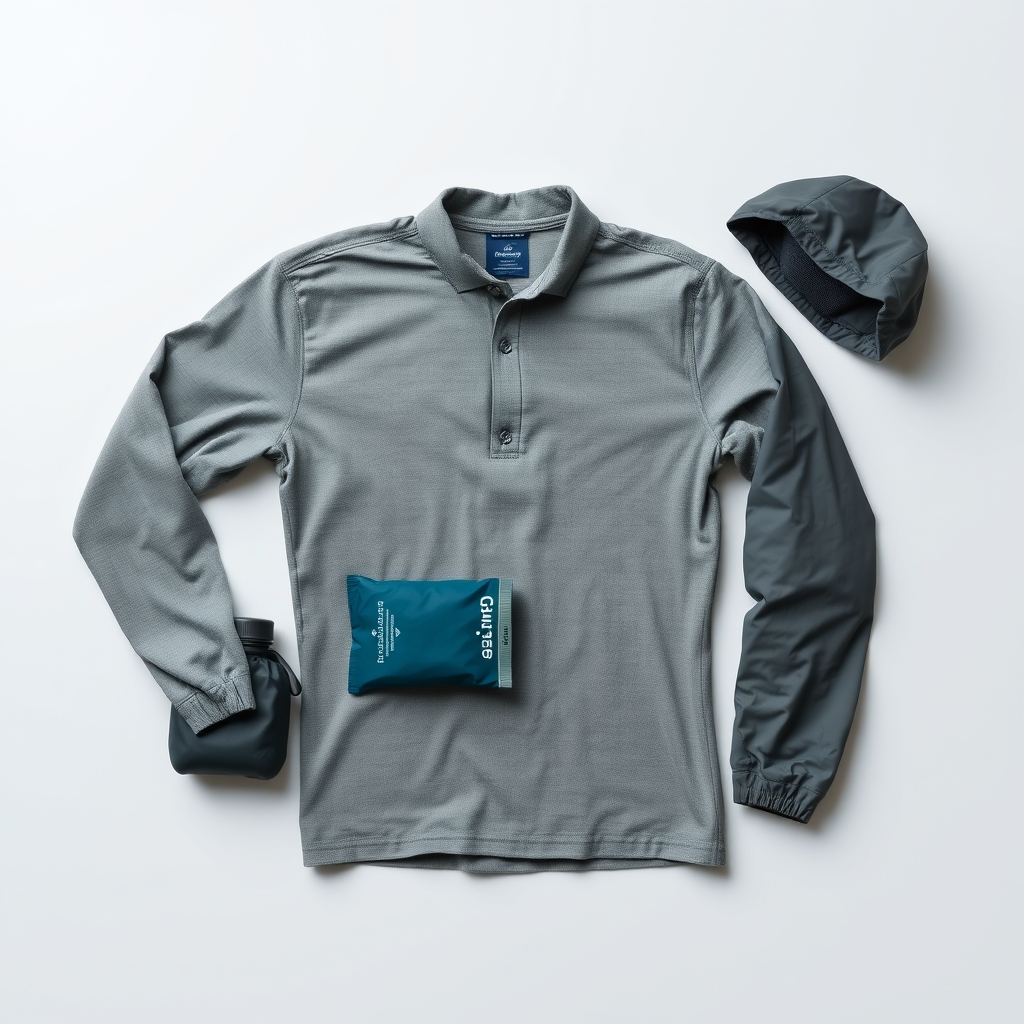
When it comes to clothing, the material is the only thing that matters. Forget cotton. Cotton is heavy, takes forever to dry, and holds odors. You want a capsule wardrobe based on merino wool or high-performance synthetic blends. These fabrics are naturally odor-resistant, meaning you can wear the same shirt for three days of active travel without needing a wash. This is the cornerstone of packing light: if you don’t need to pack for every day of the trip, your gear weight drops by half.
The Capsule Wardrobe Strategy
For a trip ranging from a weekend to two weeks, your clothing list should look roughly like this:
| Item | Quantity | Why? |
|---|---|---|
| Merino Wool T-Shirts | 2 | Odor-resistant, quick-drying, temperature regulating. |
| Convertible Trousers/Technical Chinos | 2 | Looks professional for dinner, functional for the trail. |
| Lightweight Down/Synthetic Jacket | 1 | Compressible, provides warmth without bulk. |
| Breathable Rain Shell | 1 | Essential for wind and weather protection. |
| Underwear/Socks | 4-5 | Wash in the sink; they dry overnight. |
Managing the Transitions: The Tech and Gear Factor
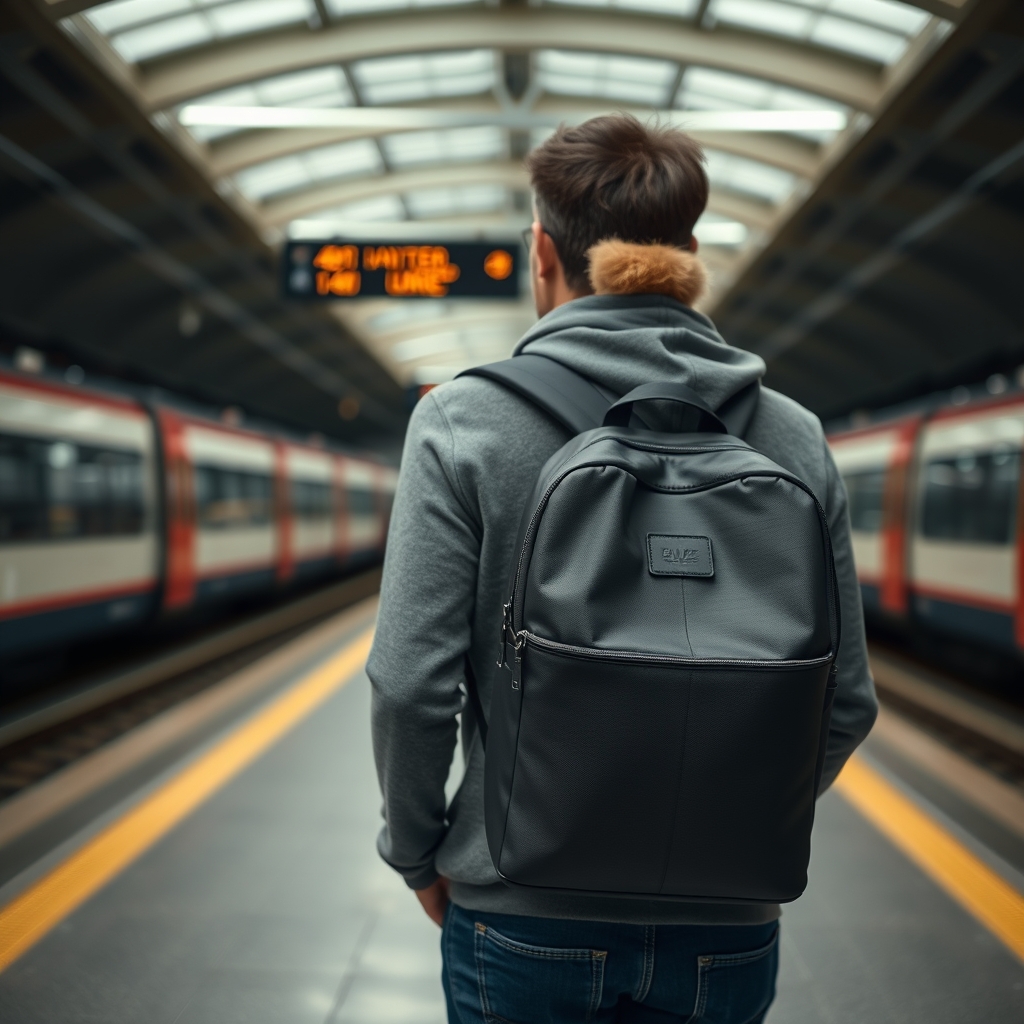
Moving from a train station to a trailhead means you need a pack that works in both environments. A rolling suitcase is a liability the moment you leave the paved sidewalk. You need a 30L to 40L travel backpack with a dedicated laptop sleeve and a comfortable harness system. The key here is external carry capability.
Look for packs that have side compression straps. These are not just for tightening your bag; they are for securing a rain jacket, a tripod, or even a child’s water bottle when you are on the move. When you arrive at your destination, the bag should be small enough to fit under a train seat or in an overhead rack, meaning you never have to deal with the stress of checking a bag.
Tech Organization for the Modern Parent
As parents, we often carry more tech than we intend. Tablets, chargers, power banks, and headphones can quickly turn into a tangled mess. Use a single “tech pouch” to house all your cables and adapters. If it doesn’t fit in the pouch, it doesn’t come. Also, consider the weight of your power bank. Does it need to charge your laptop for 10 hours, or just your phone for a day? Downsizing your power bank is one of the easiest ways to shave weight off your daily carry.
Common Pitfalls and How to Avoid Them
The most common mistake people make when transitioning to ultralight travel is “optimizing for the worst case.” They pack a heavy parka for a potential cold snap in a region where the temperature rarely drops below 50°F (10°C). If you are traveling in the shoulder season, check the historical averages for your destination rather than relying on your intuition.
Another pitfall is the “just in case” toiletry kit. Unless you are going into the deep wilderness, you can buy shampoo, toothpaste, and soap anywhere in the world. Stick to the absolute essentials: a solid soap bar (no leaks!), a small tube of toothpaste, and your necessary prescriptions. You don’t need a full-sized shaving kit or a massive supply of skincare products. If you use it every single day, bring it. If you use it twice a week, reconsider.
The Power of Packing Cubes
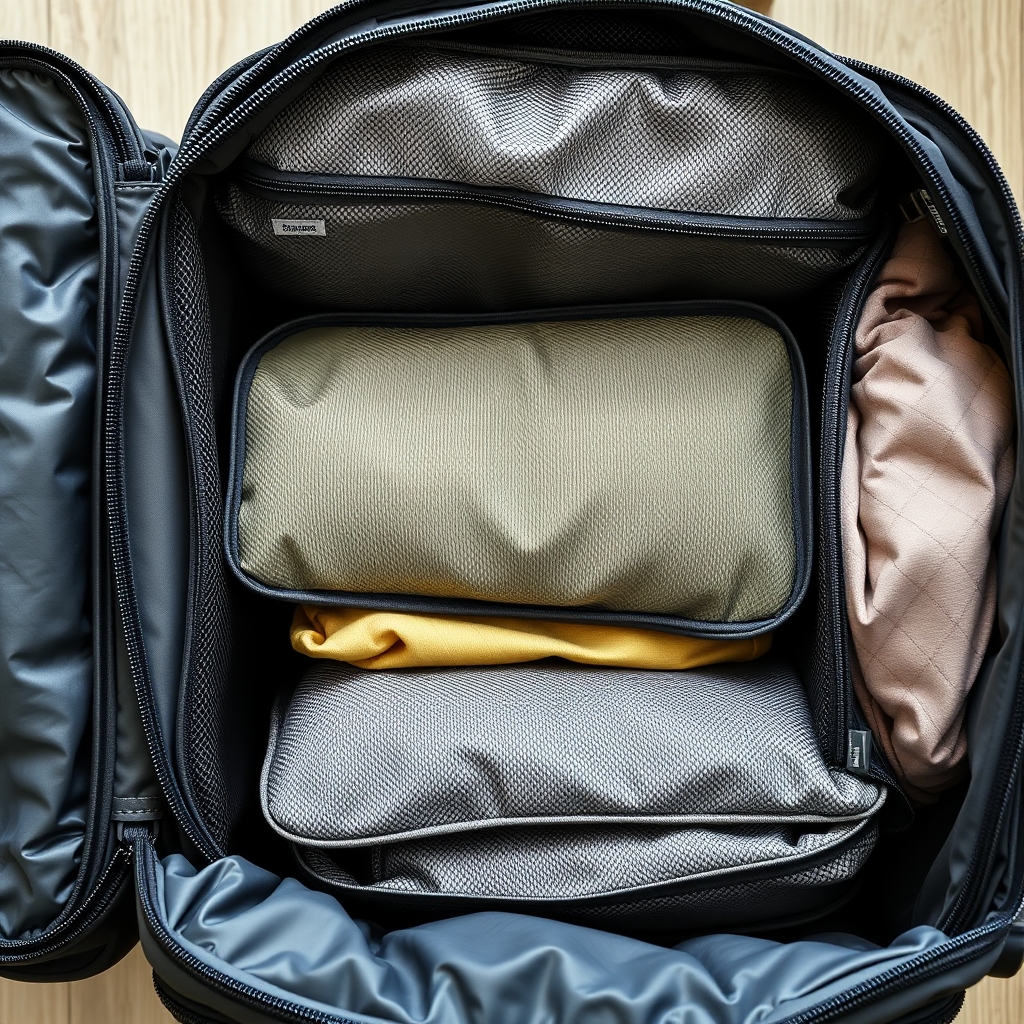
If you aren’t using packing cubes, you are losing space. They aren’t just for organization; they are for compression. By using a compression cube, you can shrink the volume of your clothes by nearly 30%. This allows you to fit more into a smaller bag, which keeps your center of gravity closer to your back—essential for when you are hiking or navigating a crowded transit system.
The “Train-to-Trail” Workflow: A Step-by-Step Guide
To master this, you need a workflow. It starts three days before your trip. Lay everything you think you need on your bed. Now, remove one-third of the items. This is a classic travel hack, but it works because we almost always overestimate our needs. Once you have your core set, organize it by weight. The heaviest items (like your laptop or extra shoes) should be closest to your back, while lighter items (like socks and underwear) go to the front or bottom.
When you are on the train, keep your “access essentials”—passport, phone, snacks, and a light layer—in the top pocket of your bag. When you reach the trailhead, you should be able to transition in under five minutes. This means swapping your glasses for sunglasses, tightening your backpack straps, and perhaps changing your socks if you’ve been wearing thin city socks. If the transition takes longer, you have too much gear.
Evaluating Your Gear: A Critical Look
It is easy to get caught up in the “gear acquisition” phase of travel. We think that if we just buy the right titanium spork or the latest carbon-fiber tripod, we will become more adventurous. The truth is, the best gear is the gear you already own and know how to use. Before you spend money on “ultralight” versions of your equipment, look at what you have. Can you replace a heavy sweater with a lighter, more versatile fleece? Can you use a dry bag you already own instead of buying a new specialized pack?
Focus on multi-functionality. A buff can be a headband, a neck gaiter, or a face mask. A carabiner can hold your keys or your water bottle. A sarong can be a towel, a picnic blanket, or a wrap for a chilly evening. The more roles an item can play, the more valuable it is to your pack.
The Reality of Laundry on the Road
The biggest barrier to packing light is the fear of dirty clothes. For parents, this is especially daunting if you are traveling with children. However, the “sink wash” method is surprisingly effective. Bring a small, concentrated bottle of travel detergent. In the evening, wash your base layers in the sink, wring them out in a dry towel to remove excess moisture, and hang them to dry. They will be ready by morning. This allows you to get away with bringing only two or three shirts for a trip of any length.
If you are staying in a place with a washing machine, great. But don’t build your trip around it. Treat it as a luxury, not a requirement. By knowing you can wash your clothes anywhere, you lose the anxiety of “running out,” which is the primary driver of overpacking.
Sustainability and the Minimalist Mindset
Traveling light is also a form of sustainable travel. When you carry less, you rely more on public transport. You don’t need a taxi to haul your massive suitcases from the train station to your hotel. You walk. You take the bus. You blend in. This reduces your carbon footprint and allows for a more authentic experience of the places you visit. You aren’t a tourist hauling a fortress of belongings; you are a traveler moving through the landscape with grace and efficiency.
Furthermore, by choosing high-quality, durable gear that lasts for years, you are actively participating in the “buy less, buy better” movement. This is better for your wallet in the long run and much better for the environment. It’s a win-win that makes the whole process of planning a trip feel less like a chore and more like a curated exercise in freedom.
Final Thoughts on the Journey Ahead
The goal of the train-to-trail lifestyle isn’t to reach the summit of every mountain or explore every city street with military precision. It is to remove the friction between you and your experiences. When your bag is light, you are more likely to take that extra walk, explore that hidden alleyway, or hop on a train to a neighboring town on a whim. You are agile, you are prepared, and you are ready for whatever the day brings.
Remember, the best travel memories aren’t tied to the gear you brought; they are tied to the moments you were present for because you weren’t worried about your luggage. Start small, test your system on a weekend trip, and adjust as you go. You will find that the less you carry, the more you actually get to see.
For more information on gear standards and travel safety, you can check resources like the REI Expert Advice section or the Lonely Planet travel tips for region-specific requirements.
Frequently Asked Questions
1. How do I handle heavy items like laptops or cameras in an ultralight setup?
The trick is to count these as “fixed weight.” If you must carry a laptop, use a dedicated, slim sleeve and keep it as the heaviest item, placed vertically against the back panel of your bag. For cameras, consider a small, padded “camera cube” that fits inside your main backpack rather than carrying a separate camera bag. This keeps your gear consolidated.
2. Is it really possible to travel for two weeks with only a carry-on?
Yes, absolutely. The secret is the “capsule wardrobe” and the willingness to do laundry once or twice. If you pack for one week and wash your base layers mid-trip, you have everything you need for two weeks or even two months. The weight savings are massive, and you will never have to wait at a baggage claim again.
3. What if I am traveling with kids? Does this still apply?
The principles remain the same, but the implementation changes. You might need to carry more “essentials” for them, so your personal gear must be even more streamlined to compensate. Focus on high-utility items for the kids, and use the same packing cube system to keep their items separate and accessible. A light pack for you means you have more energy to manage the logistics of traveling with children.