The most important rule of solo-parent travel is that redundancy is not a luxury—it is your primary survival mechanism. When you are the only adult in charge, every decision must account for the reality that there is no “backup” person to hold the bags, watch the kids, or make a phone call if something goes wrong. By shifting your logistical approach from “managing a vacation” to “managing a mission,” you can turn a daunting solo trip into a manageable, memorable experience for both you and your children.
Key Takeaways for the Lone Adventurer
- Prioritize Transit Efficiency: Choose direct flights and private airport transfers whenever possible to eliminate high-stress transition points.
- The “One-Hand Rule”: If you cannot manage your luggage and your child simultaneously with one hand free, you are carrying too much.
- Digital Decentralization: Never rely on a single device or service; store offline copies of documents, maps, and emergency contacts in at least three distinct locations.
We have all been there: standing in the middle of a crowded train station, a child tugging on your sleeve, a heavy suitcase threatening to tip over, and the sudden, creeping realization that the person who usually handles the tickets or the map is nowhere to be found. It is a moment of pure, unfiltered panic. But here is the thing: solo parenting abroad is not about being a superhero; it is about being a master of preparation.
If you are in your 30s or 40s, you are likely balancing a career, a household, and the constant hum of parental anxiety. Adding travel to that mix can feel like a recipe for burnout. However, by treating your logistics with the same rigor you apply to a work project, you can mitigate the chaos. Let’s break down how to actually pull this off without losing your mind.
The Logistics of Movement: Why Less is Always More
The biggest mistake solo parents make is overpacking. When you are traveling with a partner, you can divide and conquer. When you are alone, you are the pack mule, the navigator, and the entertainer all at once. If you cannot move your luggage through a subway turnstile, up a flight of stairs, and into a hotel elevator without help, you have failed the first logistical hurdle.
Start by adopting the “One-Hand Rule.” Every piece of equipment you bring must be able to be managed while holding your child’s hand or carrying them in an emergency. This means rolling luggage that is lightweight, backpack-style carriers for infants, and a strict “no-checked-bag” policy if you can manage it. If you have to wait 45 minutes at a baggage carousel while your child is melting down, you have already lost the day.
| Item Category | Solo Parent Strategy | Why It Works |
|---|---|---|
| Luggage | Backpacks only | Keeps hands free for kids and tickets. |
| Transportation | Pre-booked private transfers | Avoids the stress of navigating public transit with gear. |
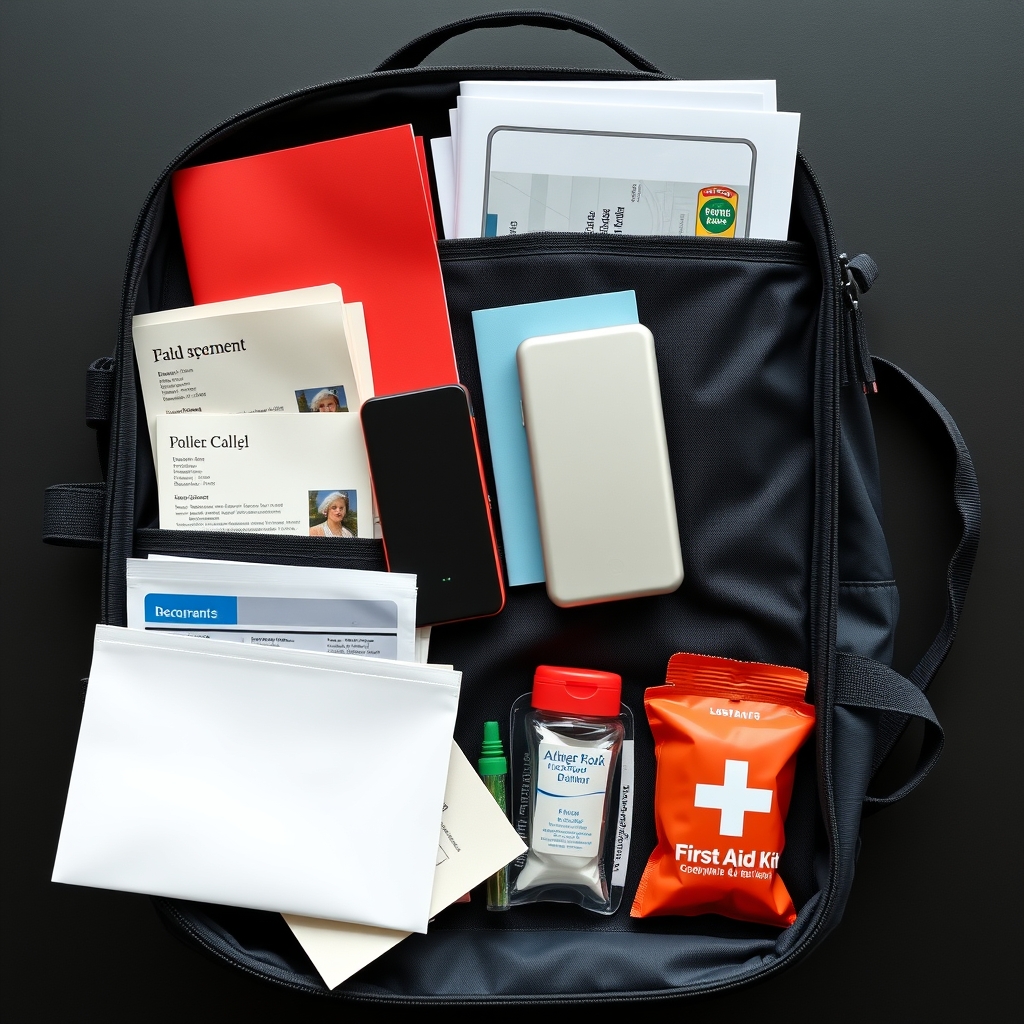
| Documents | Digital + Physical copies | Protects you if a phone dies or is stolen. |
| Schedule | One major activity per day | Prevents exhaustion for both parent and child. |
Digitizing Your Safety Net: The Offline Protocol
We live in an age of constant connectivity, which makes us lazy. We assume that if we are lost, we can just open Google Maps. But what happens when you are in a tunnel, a remote area, or your phone battery hits 4%? Your “safety net” needs to be analog as well as digital.
Before you leave, create a “Master Folder” in your phone. This should include photos of your passports, birth certificates, travel insurance policies, and any medical prescriptions. However, do not stop there. Store these in a cloud service (like Google Drive or iCloud) that allows for offline access, and keep a physical folder in your carry-on with printed copies. It sounds archaic, but in a crisis, a piece of paper does not need to be charged.
Furthermore, ensure you have a “Communication Plan.” If you are traveling internationally, buy an eSIM before you land. Services like Airalo or Holafly allow you to download a local data plan before you even leave your house. Having data the moment you step off the plane is not a luxury—it’s a safety requirement. It allows you to call an Uber, check a map, or translate a sign without fumbling with SIM cards.
The Art of the “Safe Base”
Choosing the right accommodation is the single most important decision you will make. When you are traveling solo, your hotel room is not just a place to sleep; it is your command center. You need a space that provides a buffer between you and the outside world.
Avoid “budget” options that are located in areas with high foot traffic or complex access requirements. Prioritize hotels with 24-hour reception. Having a human being at the front desk who knows your face and your room number is a massive security advantage. If you are using platforms like Airbnb, look for “Superhosts” with recent reviews specifically mentioning solo travelers or families. Read the reviews for mentions of safety, noise levels, and the reliability of the host.
Once you arrive, perform a “Security Sweep.” Check the door locks, locate the fire exits, and identify the nearest hospital or police station on your map. It sounds like overkill, but it takes five minutes and provides the peace of mind necessary to actually sleep. Remember, if you are not rested, you are not an effective navigator.
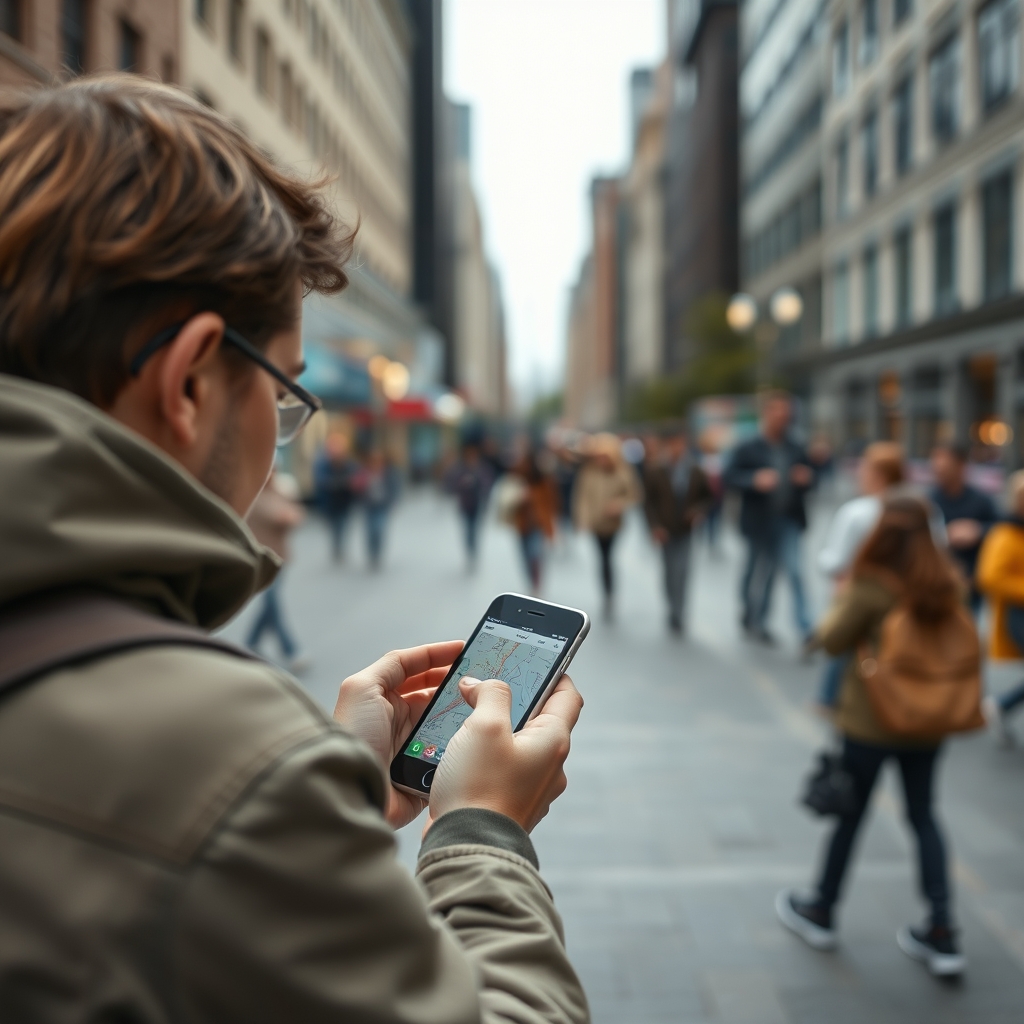
When you are alone with your kids, you are a target for two things: pickpockets and unwanted solicitations. The best defense is to look like you know exactly where you are going, even when you are completely lost. If you need to check a map, duck into a coffee shop or a public building. Never stand on a street corner staring at your phone.
Maintain “situational awareness.” This is a buzzword, but it simply means keeping your head up. If you are looking at your phone, you aren’t looking at your surroundings. If you are wearing noise-canceling headphones, you aren’t hearing the environment. Use one earbud if you must, but keep the other ear open to the world. And teach your children the “buddy system.” Even if they are young, they should know that if they get separated from you, they should look for a “helper”—a person in a uniform or a fellow parent with children.
The Daily Schedule: Managing Energy, Not Just Time
A common trap for parents is the “must-see” list. You want to show your kids the world, so you pack the itinerary with museums, landmarks, and tours. This is a disaster in the making. A solo parent has no one to swap with when the kids get cranky, hungry, or bored.
Adopt the “One-Plus-One” rule. Plan one “must-do” activity in the morning, and leave the afternoon flexible. If everyone is happy after the morning activity, you can do something else. If the kids are reaching their limit, you go back to the hotel for downtime. Downtime is not “wasted time.” It is the time you need to recharge, check your logistics for the next day, and ensure your gear is ready.
Also, prioritize meal times. A hungry child is a difficult child, and a difficult child is a solo parent’s worst nightmare. Always carry snacks—not just a single granola bar, but a “snack kit” that can sustain you through a missed meal or a delayed train. If you are going to a restaurant, check the menu online first. Knowing what you are going to order before you sit down saves time and avoids the “I don’t know what I want” meltdown.

When Things Go Wrong: The Contingency Mindset
Even with the best planning, things will go wrong. You will miss a bus, someone will get sick, or a credit card will be declined. The difference between a crisis and a minor inconvenience is how you react. This is where your “Contingency Mindset” comes in.
First, have a “Financial Buffer.” Never travel with just one card. Keep a secondary credit card and a small amount of local cash in a separate location, like a different bag or a hidden pocket in your wallet. If your primary wallet goes missing, you aren’t stranded.
Second, have a “Medical Kit.” You don’t need a full pharmacy, but you do need the basics: pain relievers for both you and your children, rehydration salts, band-aids, and any prescription medications. If your child gets a fever in the middle of the night, you do not want to be wandering the streets of a foreign city looking for a pharmacy.
Finally, keep a contact list. Write down the address of your hotel, the local emergency number, and the contact details of your embassy on a card and keep it in your child’s pocket or backpack. If you are ever incapacitated, that card is the most important thing you have.
Embracing the Solo Journey
Traveling alone with your children is a profound way to bond. Without the distractions of partners or other adults, you are forced to engage directly with your kids. You become a team. You learn to solve problems together. You experience the world through their eyes in a way that is simply not possible in a larger group.
Yes, it is hard. Yes, it requires a level of logistical planning that can feel exhausting. But the reward is a sense of capability that translates back into your daily life. When you return home, the challenges of work and parenting feel a little smaller because you know that you have navigated the world on your own terms.
Do not let the fear of logistics keep you at home. Start small. Take a weekend trip to a nearby city. Test your gear. Refine your process. Learn what works for you and your children. The world is waiting, and you are more than capable of showing it to them.
Frequently Asked Questions
What is the best way to handle luggage when traveling alone with kids?
The golden rule is to keep it manageable. Use a high-quality, lightweight backpack for yourself and a smaller, age-appropriate backpack for your child. Avoid checked luggage if possible to bypass the carousel wait, and always ensure you have at least one hand free to hold your child’s hand. If you must have larger bags, look for luggage with multi-directional wheels that can be pushed or pulled with minimal effort.
How do I manage safety if I am the only adult?
Safety is about visibility and preparedness. Stay in well-lit, populated areas, and avoid looking lost by planning your routes in advance. Always have a backup plan for communication (offline maps, international data plans) and keep physical copies of important documents in a separate bag. Most importantly, trust your instincts; if a situation or a person feels “off,” remove yourself and your children immediately, even if it seems rude.
What should I pack in an emergency kit for a solo parent?
Beyond standard travel items, your emergency kit should include: a printed list of emergency contacts and your hotel address, a small stash of local currency, basic over-the-counter medications (fever reducers, antihistamines, rehydration packets), extra charging cables and a high-capacity power bank, and a few “high-value” snacks to keep kids calm during delays. Keep this kit in your carry-on, not in checked bags.
For further information on international travel safety and requirements, you can consult official resources such as the U.S. Department of State’s travel advisories or your local government’s foreign travel advice portal. Always check your specific destination’s entry requirements well in advance of your departure date.