Traveling during the off-season is the single most effective strategy for securing five-star luxury accommodations at a 40% to 60% discount compared to peak-season rates. While most travelers fixate on the “perfect” weather of high season, those who understand the nuances of shoulder-season travel gain access to premium experiences, personalized service, and tranquil environments that are otherwise unavailable during the peak tourist rush.
Key Takeaways
- Financial Efficiency: Off-season rates aren’t just cheaper; they often include value-added perks like room upgrades or spa credits that resorts use to maintain occupancy.
- Quality of Experience: Fewer guests mean more attentive service, easier dinner reservations, and an authentic, peaceful atmosphere.
- Strategic Planning: Success depends on researching local “shoulder” windows—the weeks flanking the peak season—to balance weather risks with cost benefits.
For those of us in our 30s and 40s, life is a constant balancing act. Between managing professional responsibilities, school schedules, and the general chaos of family life, the idea of a “luxury vacation” often feels like a distant fantasy reserved for the ultra-wealthy. We look at the prices for a week at a top-tier resort during school holidays and immediately close the tab. But what if the secret isn’t finding more money, but changing the timing of your departure?
Understanding the Economics of the ‘Shoulder Season’
The hospitality industry operates on a strict supply-and-demand model. Peak season—defined by school breaks, major holidays, and optimal weather—is when resorts maximize their profit margins. During these times, you are paying a premium for the privilege of being there when everyone else is. However, the costs of maintaining a luxury property—staff salaries, pool maintenance, landscaping, and infrastructure—do not disappear just because occupancy drops.
This is where the “shoulder season” comes in. This is the period immediately before or after the peak season. In the Caribbean, this might be May or November. In the Mediterranean, it could be late September or early October. In these windows, the weather is usually still pleasant, but the influx of tourists has slowed to a trickle. Resorts are desperate to fill rooms, leading to lower base rates, aggressive promotional packages, and staff who are far less harried than they would be in August or December.
When you shift your mindset from “I need to travel when the weather is perfect” to “I need to travel when the value is highest,” you unlock a new tier of travel. You aren’t just saving money; you are upgrading your lifestyle. That suite that was $1,200 a night in July might drop to $450 in October. Suddenly, a luxury experience becomes a realistic annual goal rather than a once-in-a-decade indulgence.
Why Less Crowded Equals More Luxury
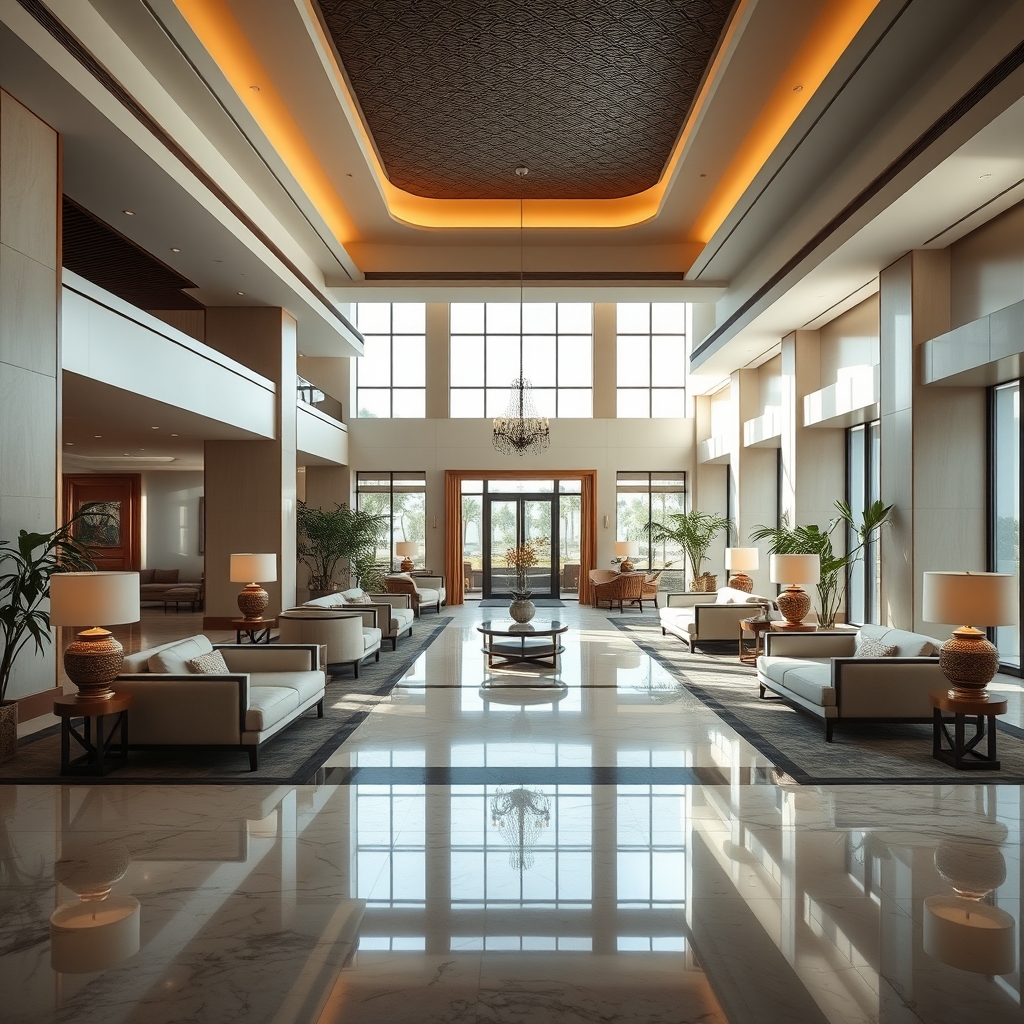
Luxury is defined not just by thread counts and marble floors, but by the quality of attention you receive. During peak season, even the most expensive resorts struggle to maintain a high level of personalized service because the staff is stretched thin. You wait for a table, you fight for a lounge chair at the pool, and the concierge is too busy to help you curate a truly unique experience.
In the off-season, the dynamic shifts entirely. You become one of a select few guests. The service levels often soar because the staff-to-guest ratio is significantly higher. You might find that the resort manager personally checks in on your stay, or that the poolside attendants remember your name and your drink order by the second day. This is the “hidden” luxury of the off-season: an environment where you aren’t just a room number, but a valued guest.
Furthermore, consider the environment. If you are seeking a vacation to recharge, a crowded pool deck is the enemy of tranquility. In the off-season, you can enjoy the infinity pool, the private beach, or the resort gardens in near-total silence. This creates a sense of exclusivity that is impossible to replicate during peak times, even if you are staying in the most expensive villa on the property.
Identifying the ‘Sweet Spot’ for Your Destination
Not all off-seasons are created equal. The key to successful off-season travel is identifying the window where the weather remains acceptable for your specific goals. If you are heading to a tropical destination, you need to be aware of the “hurricane season” risks. While the risk of a major storm is statistically low in certain months, it is a variable you must account for.
For Mediterranean destinations, the “sweet spot” is often the end of the season. By mid-September, the water is still warm from the summer sun, but the sweltering heat has subsided, and the crowds have returned to work and school. This is the optimal time for a family trip or a couple’s getaway. You get the best of both worlds: great weather and a relaxed atmosphere.
When researching, use a simple 3-step verification process:
| Step | Action | Objective |
|---|---|---|
| 1 | Check 3-year weather trends | Understand the actual temperature and rainfall, not just averages. |
| 2 | Verify amenity availability | Ensure the specific pools, clubs, or restaurants you want are not closed for maintenance. |
| 3 | Review recent guest feedback | Read reviews specifically from the month you intend to travel. |
Always check if a resort is undergoing renovations. Hotels often use the off-season to perform major upgrades. While a lobby refresh might not bother you, a construction site next to your balcony is a deal-breaker. A quick email to the concierge before booking can save you from a noisy surprise.
Strategic Packing for Variable Weather
One of the trade-offs of traveling in the shoulder season is that the weather can be more unpredictable than in the peak of summer. You might have three days of perfect sunshine and one day of overcast skies or a light breeze. This requires a smarter approach to packing.
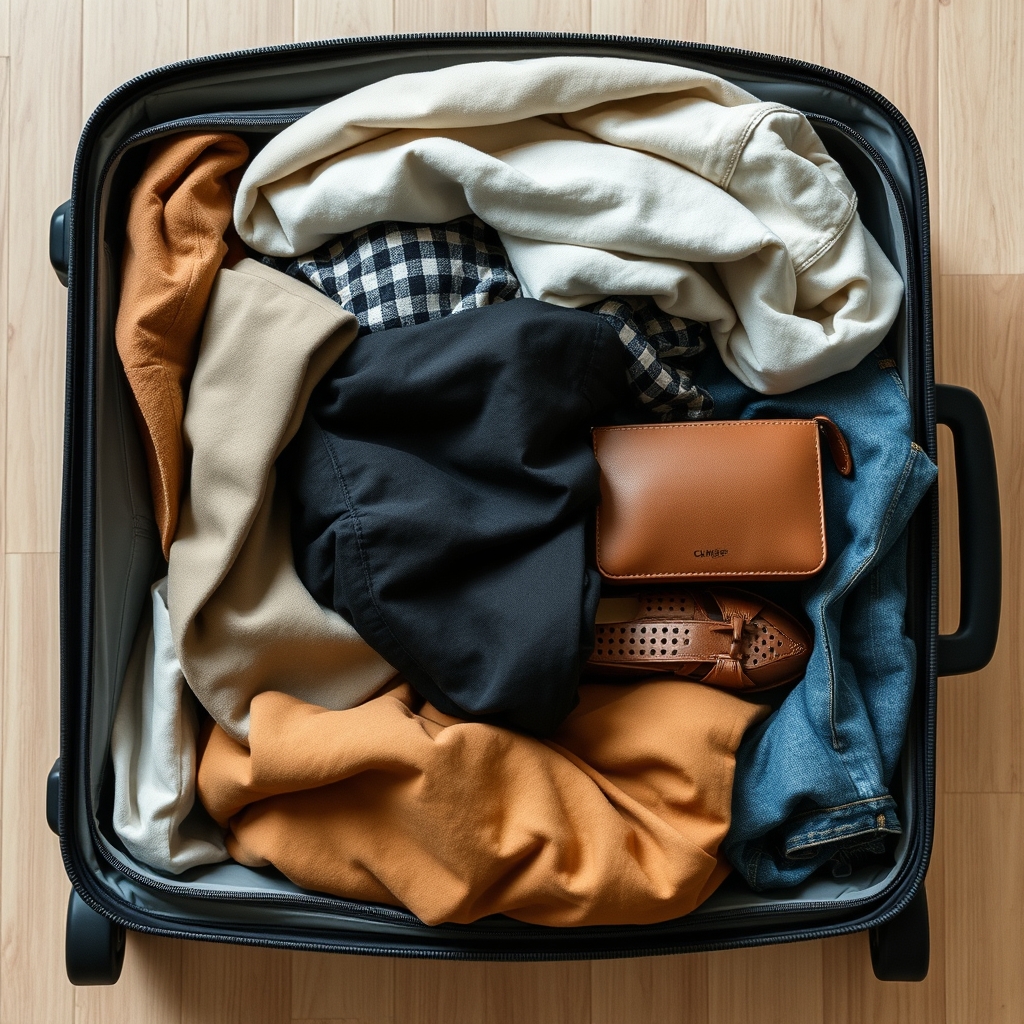
Instead of packing exclusively for high-heat scenarios, focus on versatile layers. Think of high-quality linen shirts, light sweaters, and perhaps a stylish windbreaker. This isn’t just about utility; it’s about comfort. When you are prepared for minor shifts in temperature, you are less likely to feel frustrated if the weather isn’t “perfect.” You’ll find that you can still enjoy a sunset dinner on the terrace or a morning walk on the beach even if it isn’t 90 degrees Fahrenheit.
Also, remember that luxury resorts in the off-season often have indoor amenities that are underutilized. If it does rain, you can finally take advantage of that world-class spa, the library, or the high-end fitness center without having to book weeks in advance. Embrace the change in pace as part of the luxury experience.
Managing Expectations and Potential Risks
There is no such thing as a “perfect” travel strategy, and off-season travel requires a pragmatic approach to risk management. The biggest potential downside is the “limited operation” model. Some resorts may reduce their restaurant offerings or shorten the hours of their kids’ club during the off-season. This is standard practice, but it can be disappointing if you haven’t done your research.
Before you commit, ask yourself: “What are the non-negotiables for this trip?” If you are traveling with children, and the kids’ club is essential for your sanity, confirm it is fully operational. If you are a foodie and the resort’s signature restaurant is closed for the season, that might be a deal-breaker. However, if you are flexible, you will find that these minor limitations are usually offset by the massive savings and the improved quality of service.
Another factor to consider is flight availability. Sometimes, airlines reduce the number of direct flights to tourist destinations during the off-season. You might need to adjust your travel dates by a day or two to find a convenient route. Use price-tracking tools like Google Flights to monitor routes for several weeks before you book, as travel costs for off-season trips can fluctuate based on airline capacity adjustments.
The Hidden Value: Using the Savings for Upgrades
The beauty of saving 50% on your room rate is that you now have a surplus in your travel budget. Instead of keeping that money in your bank account, consider “re-investing” it into the trip to elevate the experience. This is how you truly experience luxury at a fraction of the cost.
For example, if you saved $1,500 on your hotel room, use $500 of that to upgrade your room category to an ocean-front suite that would have been completely out of reach during the peak season. Use another $300 to book a private excursion or a specialized spa treatment. You end up having a more luxurious vacation than you would have had at full price, and you are still coming in under budget.
This approach turns the concept of “budget travel” on its head. You aren’t compromising on quality; you are optimizing your spending to maximize the “wow” factor of your trip. It’s about getting the highest return on your investment, both financially and in terms of your personal well-being.
Common Mistakes to Avoid
Even with the best intentions, travelers often fall into the same traps when booking off-season. Avoiding these common mistakes will ensure your trip remains a high-end experience rather than a series of disappointments.
- Assuming everything is open: Never assume that every facility mentioned on the resort website is available year-round. Always verify specific amenities via email.
- Ignoring the “local” context: If the local town relies entirely on tourism, the off-season might mean that many shops and cafes outside the resort are closed. If you want a vibrant local atmosphere, check if the town stays active year-round.
- Overlooking travel insurance: Because off-season travel can involve more variable weather, travel insurance is non-negotiable. Ensure your policy covers trip interruptions due to weather, even if the risk is low.
- Booking the “base” room: During the off-season, the price gap between a standard room and a suite is often much smaller than in the peak season. Always check the cost of an upgrade—you might be surprised by how little it costs to secure a much better room.
How to Research Like a Pro
You don’t need a travel agent to find these deals, but you do need to be systematic. Start by selecting your destination and then look at the “shoulder” months—usually the month before and the month after the high season. For example, if you are looking at the Maldives, the high season is December to April. The shoulder months of May and November are your best targets.
Once you have a target month, use sites like TripAdvisor or dedicated luxury travel forums to read reviews specifically from that month. Look for comments about the weather, the service levels, and whether the resort felt “empty” or “peaceful.” There is a distinct difference between the two, and you want to ensure the resort has enough life to feel like a vacation, not a ghost town.
Lastly, check the official resort website directly. While third-party booking sites are convenient, luxury resorts often offer exclusive “stay longer” packages or “early bird” discounts that you won’t find on aggregator sites. Signing up for their newsletter or joining their loyalty program (which is almost always free) can often get you an extra 10% off or a complimentary breakfast, which adds up over a week-long stay.
The Reality of Seasonal Travel
Ultimately, traveling in the off-season is a choice to prioritize quality over perfection. It requires a bit more research and a slightly more flexible mindset, but the rewards are significant. You get to experience the same world-class service, the same stunning views, and the same high-end amenities as the peak-season crowd, but without the stress, the crowds, and the exorbitant price tag.
For those of us juggling the demands of career and family, these trips are more than just vacations—they are essential resets. When you can secure a luxury experience for a price that fits your budget, you remove the financial guilt that often accompanies travel. You can arrive at your destination, check into your room, and actually relax, knowing that you made a smart, calculated decision to invest in your own well-being.
Remember that the goal isn’t just to save money—it’s to reclaim the luxury of time and space. Whether you are walking along a quiet beach or enjoying a long, uninterrupted dinner, these are the moments that make the effort of planning truly worth it. Keep your expectations realistic, do your due diligence, and enjoy the peace that only the off-season can provide.
For further reading on travel planning and seasonal trends, you can consult resources such as the UN World Tourism Organization for global travel data or check specific destination tourism board websites for seasonal insights.
Frequently Asked Questions
1. Does “off-season” mean the weather will be bad?
Not necessarily. The term “off-season” refers to the demand for travel, not just weather. Often, the shoulder season offers perfectly comfortable weather that is simply less “perfect” than the peak. Research the specific climate patterns for your destination to ensure the conditions align with your comfort level.
2. Are all resort amenities available during the off-season?
Most major services remain open, but some niche amenities (like specific seasonal restaurants or water sports centers) may have reduced hours or be closed for maintenance. Always check the resort’s official website or contact their concierge directly to confirm the availability of the specific activities that are important to your trip.
3. How much can I realistically save by traveling in the shoulder season?
While it varies by destination, it is common to see savings of 40% to 60% on accommodation costs. Additionally, you may find that value-added perks like complimentary spa access, room upgrades, or dining credits are more readily available, further increasing the total value of your vacation package.
Disclaimer: Travel conditions can change rapidly. Always verify the latest health and travel advisories for your destination before booking, and ensure your travel insurance policy provides adequate coverage for your specific needs.