Key Takeaways
- Sensory regulation is a biological need, not a luxury: Reducing light, sound, and visual clutter directly impacts your nervous system’s ability to transition into deep sleep.
- Focus on the “Big Three”: Light control, acoustic dampening, and decluttering are the most effective high-impact changes you can make immediately.
- Consistency over perfection: Small, cumulative adjustments to your environment are more sustainable for busy parents than an expensive, full-scale renovation.
The most effective way to improve your sleep quality as a parent isn’t a new supplement or an expensive mattress—it is creating a sensory-friendly environment that signals your nervous system it is finally safe to power down. If you find yourself lying in bed at 11:00 PM, your brain still buzzing with the day’s to-do lists, the chaotic clutter on your nightstand, and the sliver of streetlamp light creeping through your curtains, you aren’t just tired; you are overstimulated.
For parents in their 30s and 40s, the “sensory-friendly” movement—often discussed in the context of neurodivergent children—is actually a universal necessity. We live in an era of constant digital pings, physical household clutter, and endless cognitive load. Your bedroom should not be another source of input. It needs to be a sensory vacuum.
Understanding the Sensory Overload of Modern Parenting
Before we talk about paint colors or blackout shades, we need to address why this matters. Sensory input is processed by the brain continuously. Even when you are “resting,” your brain is scanning for threats, tracking ambient noise, and processing visual data. When you have spent the entire day managing the sensory needs of children—the noise, the sticky hands, the constant interruptions—your own threshold for sensory input is significantly lowered by the time you reach your bedroom.
This is what researchers often refer to as “sensory fatigue.” When your environment is cluttered, loud, or poorly lit, your brain remains in a state of high alert. This prevents the release of melatonin and interrupts the transition into deep, restorative sleep cycles. A sensory-friendly bedroom is a tool to manually override this “alert” state.
Phase 1: Regulating Light and Visual Input
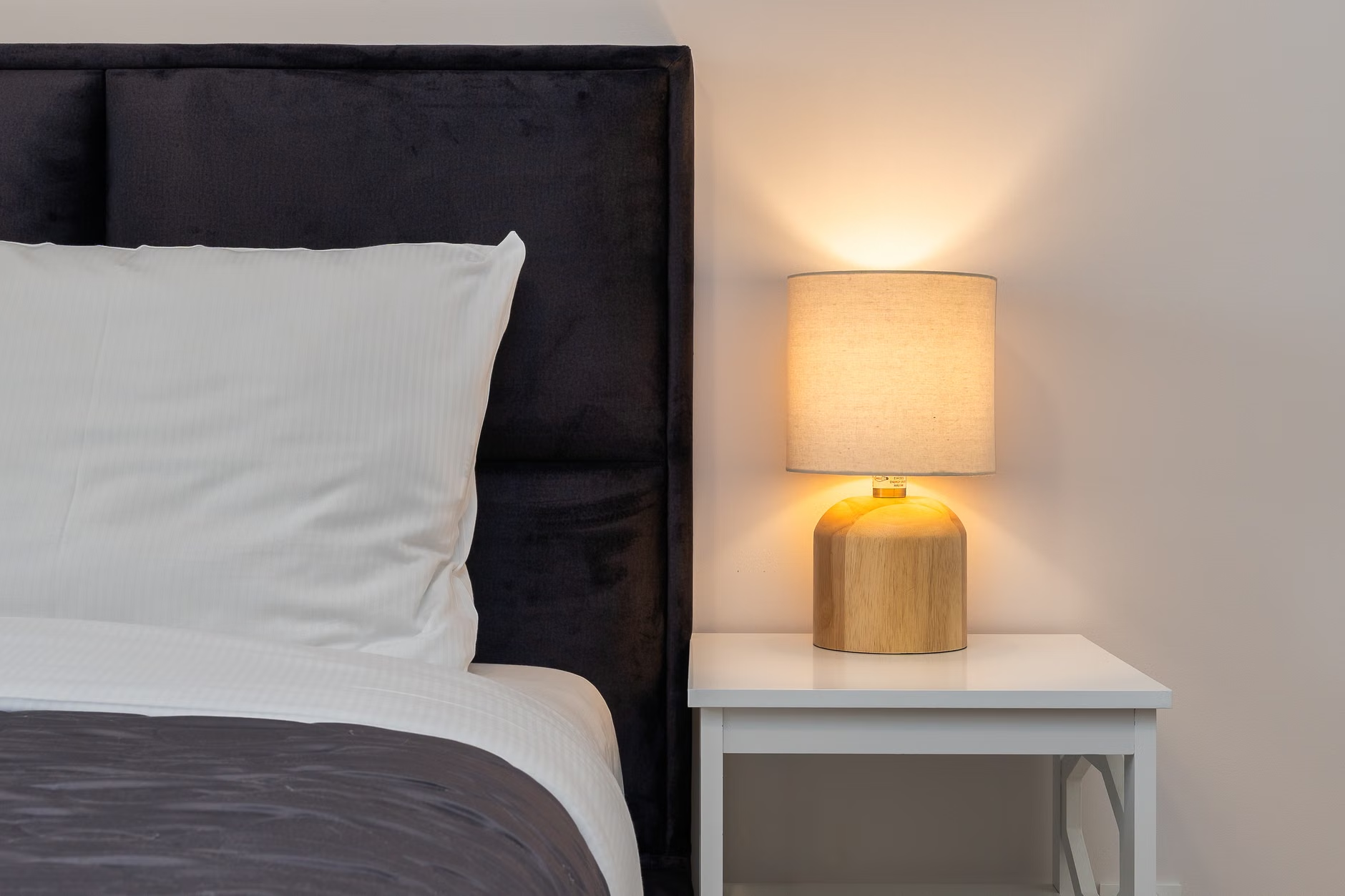
Visual clutter is one of the most overlooked sources of stress. Think about your bedroom right now. Do you see piles of laundry? Unopened mail? Stacks of books you haven’t touched in months? Each of these objects represents an unfinished task to your subconscious. Every time your eye catches a pile of clothes, your brain performs a micro-calculation: “I need to wash that.” That is not a resting state.
The “Zero-Baseline” Bedroom Strategy
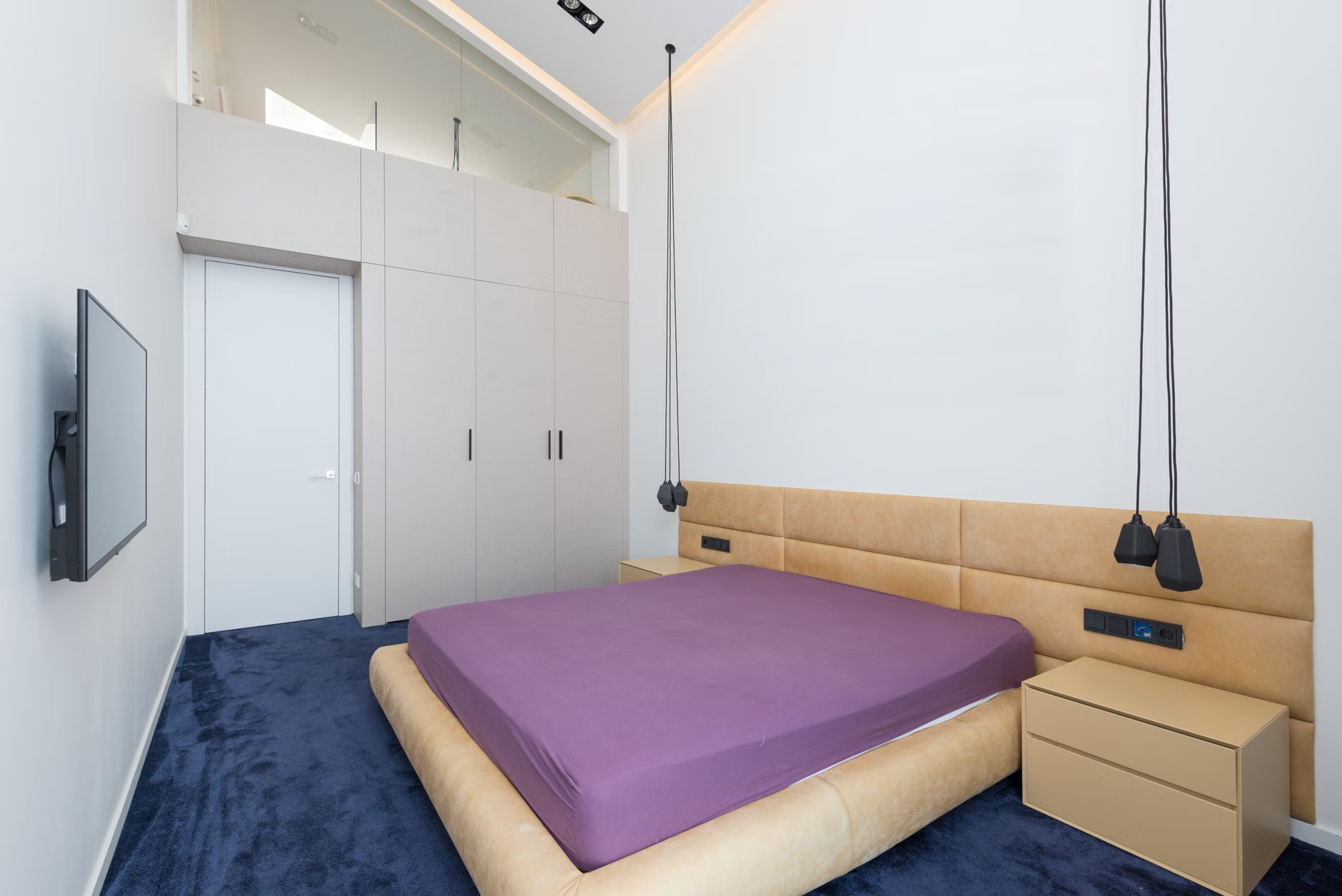
To create a sensory-friendly space, you must aim for a “zero-baseline” environment. This doesn’t mean your room needs to look like a sterile hospital wing. It means that when you walk in, there should be as few competing visual elements as possible.
- Clear the surfaces: If it isn’t used for sleep or intimacy, move it out. Nightstands should hold only the essentials (a lamp, a glass of water, maybe one book).
- Conceal the chaos: If you must use your bedroom for storage, use closed-door cabinets or opaque bins. If you can see the mess, it is taxing your brain.
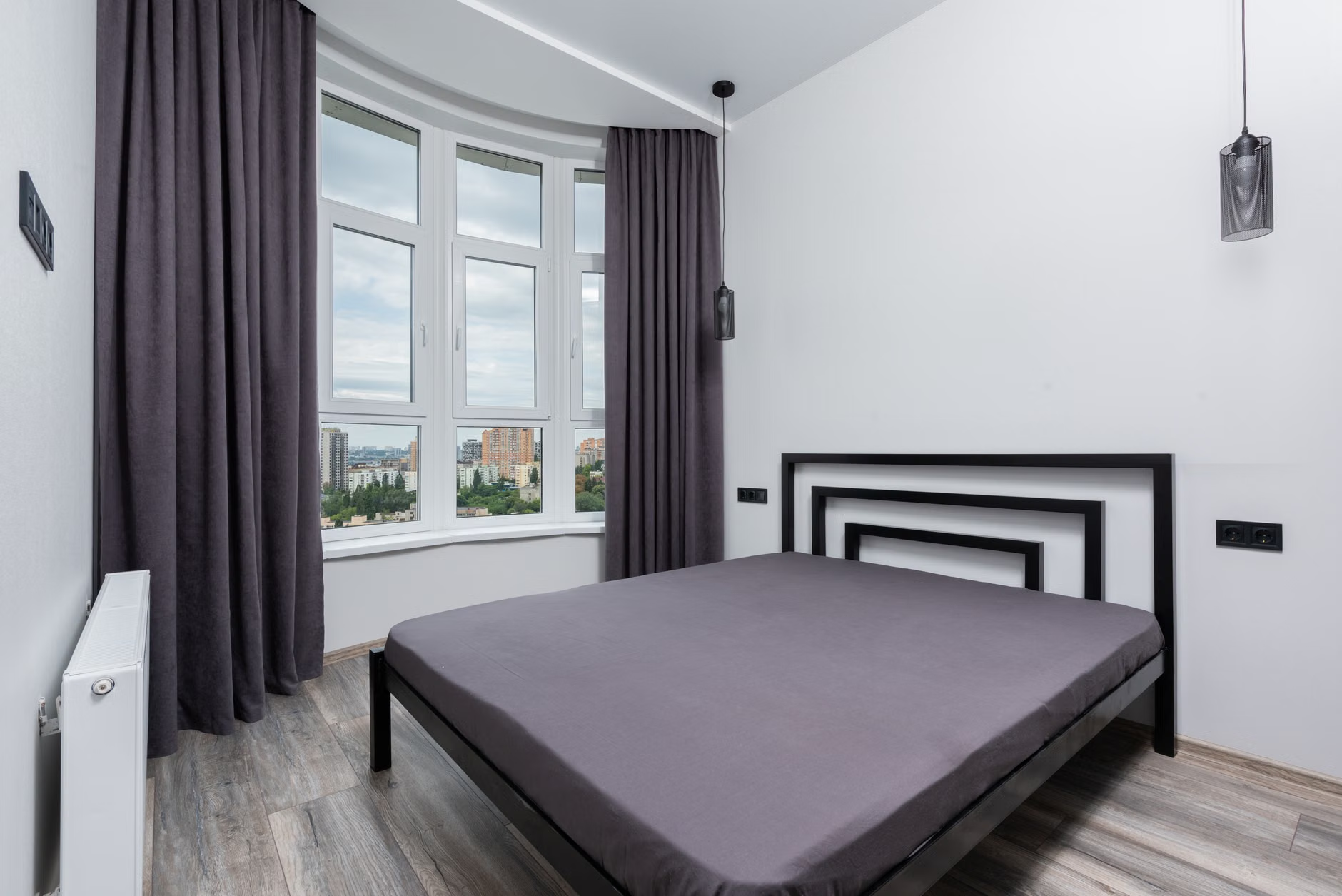
- Color Palette Matters: Stick to low-contrast, muted tones. Bright, high-contrast patterns force the eye to track movement and detail, which is stimulating. Soft grays, muted blues, or earthy creams keep the visual environment “quiet.”
Phase 2: Master the Acoustic Environment
Sound is the enemy of the overstimulated parent. Whether it is the hum of the refrigerator, the distant rumble of traffic, or the fear of hearing the baby monitor, sound keeps the nervous system active. Creating a sensory-friendly bedroom requires both blocking unwanted noise and introducing “masking” sounds.
The Science of Sound Masking
Total silence is actually quite rare and can sometimes be startling. If you live in a city or a house with thin walls, sudden noises (like a car door slamming outside) will cause a cortisol spike that wakes you up. White noise, pink noise, or brown noise machines are effective because they create a constant “floor” of sound. This shrinks the delta between the quiet of your room and a sudden, loud noise, making the brain less likely to perceive the sudden noise as a threat.
| Sound Type | Best For | Why it works |
|---|---|---|
| White Noise | High-frequency masking | Consistent static that masks sharp, sudden sounds. |
| Pink Noise | Relaxation | Deeper, more balanced frequencies like rain or leaves rustling. |
| Brown Noise | Anxiety reduction | Deep, low-frequency rumbling that feels grounding and heavy. |
Phase 3: Light Control and Circadian Rhythm
Light is the primary signal for your circadian rhythm. In the evenings, your body needs to produce melatonin, the hormone that tells your body it is time to sleep. Blue light—the kind emitted by phones, tablets, and many LED bulbs—inhibits melatonin production. But it isn’t just screens; it is the streetlights outside your window and the status lights on your smart devices.
Practical Light Management
- The Blackout Standard: Invest in high-quality blackout curtains or cellular shades. Even a small sliver of light from a streetlight can disrupt your sleep cycle. If you can’t install new curtains, a simple eye mask is a highly effective, low-cost alternative.
- Warm Temperature Lighting: Swap all your bedside lamps to “warm” or “amber” bulbs (2700K or lower). Avoid cool, blue-toned light in the bedroom at all costs.
- Eliminate “Standby” Lights: Use small pieces of black electrical tape to cover the tiny, annoying power LEDs on your TV, air purifier, or alarm clock. It sounds obsessive, but these lights can be surprisingly distracting in a pitch-black room.
Addressing the “Parenting” Factor: The Monitor Dilemma
One of the biggest sensory barriers for parents is the baby monitor. It is a device designed to keep you in a state of high-alert hyper-vigilance. If you are struggling with sleep, the monitor is often the culprit.
If your children are old enough, consider moving the monitor out of the room or turning the volume down to the lowest possible setting. If you must keep it close, try to use a monitor that has a “VOX” or “sound-activated” mode. This ensures that the monitor stays silent unless there is actual noise, rather than broadcasting the background hiss of the nursery all night long. This simple change can save you hours of fragmented sleep.
Tactile Comfort: Why Texture Matters
We often focus on sight and sound, but touch is equally important for sensory regulation. If your sheets feel scratchy, or your duvet cover is too heavy or too thin, your body will constantly shift to find comfort. This is known as “micro-arousal.”
Prioritize natural, breathable fabrics like cotton or linen. Synthetic materials often trap heat, which is a common sensory trigger for discomfort. Additionally, consider the weight of your bedding. Many people find a weighted blanket to be incredibly grounding. The deep-pressure stimulation provided by a weighted blanket can mimic a calming “hug” for the nervous system, helping to reduce the restless energy that often accompanies late-night anxiety.
Common Mistakes to Avoid
In our quest for the perfect sleep sanctuary, we often make mistakes that backfire. Here are a few things to watch out for:
- The “Tech-Heavy” Bedroom: Smart bulbs, smart beds, and smart speakers are great, but they all require apps, updates, and connectivity. If your bedroom tech is failing or requiring you to troubleshoot at 10 PM, it is the opposite of sensory-friendly. Keep it simple.
- Over-scenting: While lavender is great for relaxation, many people are sensitive to strong artificial fragrances. If you use a diffuser, ensure it is set to a low intensity or use a natural, non-toxic option. For some, scent is a major trigger for headaches or sensory irritation.
- The “Exercise-Bedroom” Hybrid: If you have a treadmill or a yoga mat in your bedroom, you are visually associating your sleep space with work and physical exertion. If possible, move exercise equipment to another room. If you can’t, use a folding screen to hide it.
The Long-Term Impact on Your Parenting
You might be thinking, “This is a lot of effort for a room I only spend time in while I’m unconscious.” But that is the point. The quality of your sleep dictates your patience, your cognitive clarity, and your emotional resilience the next day. When you are less sensory-depleted, you are more capable of handling the inevitable frustrations of parenting.
A sensory-friendly bedroom isn’t about luxury. It is about creating a buffer zone between the chaos of the world and your internal state. It is a proactive step toward maintaining your own mental health in the middle of the most demanding years of your life.
Frequently Asked Questions
Is it really necessary to remove all electronics from the bedroom?
It is the gold standard, but for many parents, it is not realistic. If you must have a phone in the room, keep it out of arm’s reach. Use a physical alarm clock instead of your phone, and put your phone on “Do Not Disturb” mode at a set time. The goal is to minimize the temptation to engage with the world outside your room.
What if my partner has different sensory needs?
This is a common challenge. If one of you likes a cool room and the other prefers warmth, focus on individual solutions like separate duvet covers or individual fans. If one likes noise and the other prefers silence, high-quality earplugs or a sleep headband with integrated speakers can be a marriage-saver.
How much does a sensory-friendly transformation cost?
It doesn’t have to cost anything. The most effective steps—decluttering, moving furniture, and covering LED lights—are free. Upgrading to blackout curtains or a white noise machine can be done on a budget. Start with the “free” adjustments first and see how much your sleep quality improves before spending money on upgrades.
Taking the First Step
You don’t need to transform your room overnight. Start by clearing your nightstand tonight. Tomorrow, look at your light sources. By the end of the week, address the sound. This is about building a space that respects your need to shut down. You deserve a place that doesn’t demand anything from you, even for a few hours a night.
For more research on how your environment affects sleep, you can explore resources from the National Sleep Foundation, which provides evidence-based guidelines on sleep hygiene and bedroom optimization.
Remember, the goal is not perfection—it’s progress. Every small change you make to reduce sensory input is a gift to your future, more rested self.