The secret to a successful mountain retreat with kids isn’t finding the perfect peak during the holidays—it’s choosing the “shoulder season” to avoid the crowds, slash your expenses by up to 40%, and actually hear yourself think.
- Timing is Everything: Target the weeks immediately before or after peak ski/summer seasons to secure the best rates and lowest foot traffic.
- Flexibility Over Perfection: Weather in the shoulder season is unpredictable; packing layers and having a “Plan B” indoor activity list is essential for sanity.
- Authentic Experiences: Off-peak travel allows you to interact with local communities when they aren’t rushed by tourist volume, leading to better service and deeper local connections.
If you are in your 30s or 40s, you know the drill: your vacation calendar is dictated by school breaks, work deadlines, and the crushing realization that “peak season” pricing is designed to punish parents. We’ve all been there, standing in a crowded rental gear line, holding a toddler who is melting down, while paying a premium for the privilege of waiting in the cold. But there is another way. The “off-peak” or shoulder season—that sweet spot between the high-octane ski months and the crowded summer hiking season—is the best-kept secret for parents who want a mountain escape without the burnout.
Why the Shoulder Season is Your Best Bet
When we talk about off-peak mountain travel, we are looking at the windows of mid-to-late April through May, and late September through October. These periods are often ignored by the mainstream travel industry, which is a massive oversight. For families, the advantages go far beyond the obvious financial savings.
First, let’s talk about the economics. During peak weeks, prices for short-term rentals and mountain lodges can spike by 30% to 50%. By shifting your trip by just two or three weeks, you are essentially getting a luxury upgrade for the same price. That money saved isn’t just for your bank account—it’s for a better dinner out, a private guide for a day, or a more comfortable cabin that provides a little extra space to keep the kids from climbing the walls.
Beyond the budget, there is the psychological benefit of space. Mountains are supposed to be about tranquility and connection. It is difficult to find that connection when you are fighting for a parking spot at the trailhead or waiting an hour for a table at the only kid-friendly restaurant in town. During the off-peak, you own the space. You get the silence of the woods, the clear views without a dozen heads in the frame, and the ability to set your own pace without the pressure of a ticking tourist clock.
Mastering the Logistics: Who, What, When, and How
Planning an off-peak trip requires a shift in mindset. You cannot approach it the same way you approach a summer or winter vacation. You are moving away from “resort-led” activities—where the mountain infrastructure holds your hand—and moving toward “self-led” exploration. This is actually a great way to build confidence in your children, as it turns the trip into a shared discovery rather than a package tour.
Who: This style of travel is perfect for families with children who are out of the “stroller-only” phase but perhaps not yet teenagers who need constant social stimulation. If your kids can handle a moderate walk and appreciate a bit of downtime with a book or a board game, you are in the prime demographic.
What: You are looking for “destination-lite” areas. Avoid the major mega-resorts that essentially shut down completely during the off-season. Instead, look for mountain towns that have a resident population. These towns stay open, the grocery stores are stocked, and there is a sense of genuine life happening regardless of how many tourists are visiting.
When: Use the “Rule of Two.” Aim for two weeks after a major holiday or two weeks before the start of the next season. This ensures you avoid the tail-end of the crowds and the start of the “closed for maintenance” period that some seasonal businesses undergo.
Preparing for the Unpredictable: The “Layering” Philosophy
The primary concern most parents have about off-peak travel is the weather. It’s true: the mountains in May or October can be fickle. You might wake up to frost and end the day in a t-shirt. This is where the “Layering Philosophy” comes into play—both for your luggage and your itinerary.
When packing, ignore the forecast that says “sunny all week.” The mountains don’t care about your weather app. Pack a base layer (merino wool is your best friend here), a mid-layer for warmth (fleece or synthetic down), and a high-quality, breathable outer shell that handles wind and rain. For the kids, this is non-negotiable. If they are warm and dry, they will be happy. If they are wet and cold, the entire “peaceful retreat” will devolve into a tactical extraction mission.
Equally important is the “Layering of Activities.” Never schedule a whole day around one big event. If you have a hiking goal, have a fallback plan for the same day. If the rain starts, do you have a local museum, a library, or a cozy cafe with board games ready? The goal is to avoid the “all-or-nothing” pressure that turns minor weather shifts into major family crises.
One reality of off-peak travel is that some of the more tourist-centric amenities—like cable cars, certain high-end adventure parks, or specific seasonal restaurants—might be closed. This is actually a feature, not a bug. It forces you to engage with the mountain on its own terms.
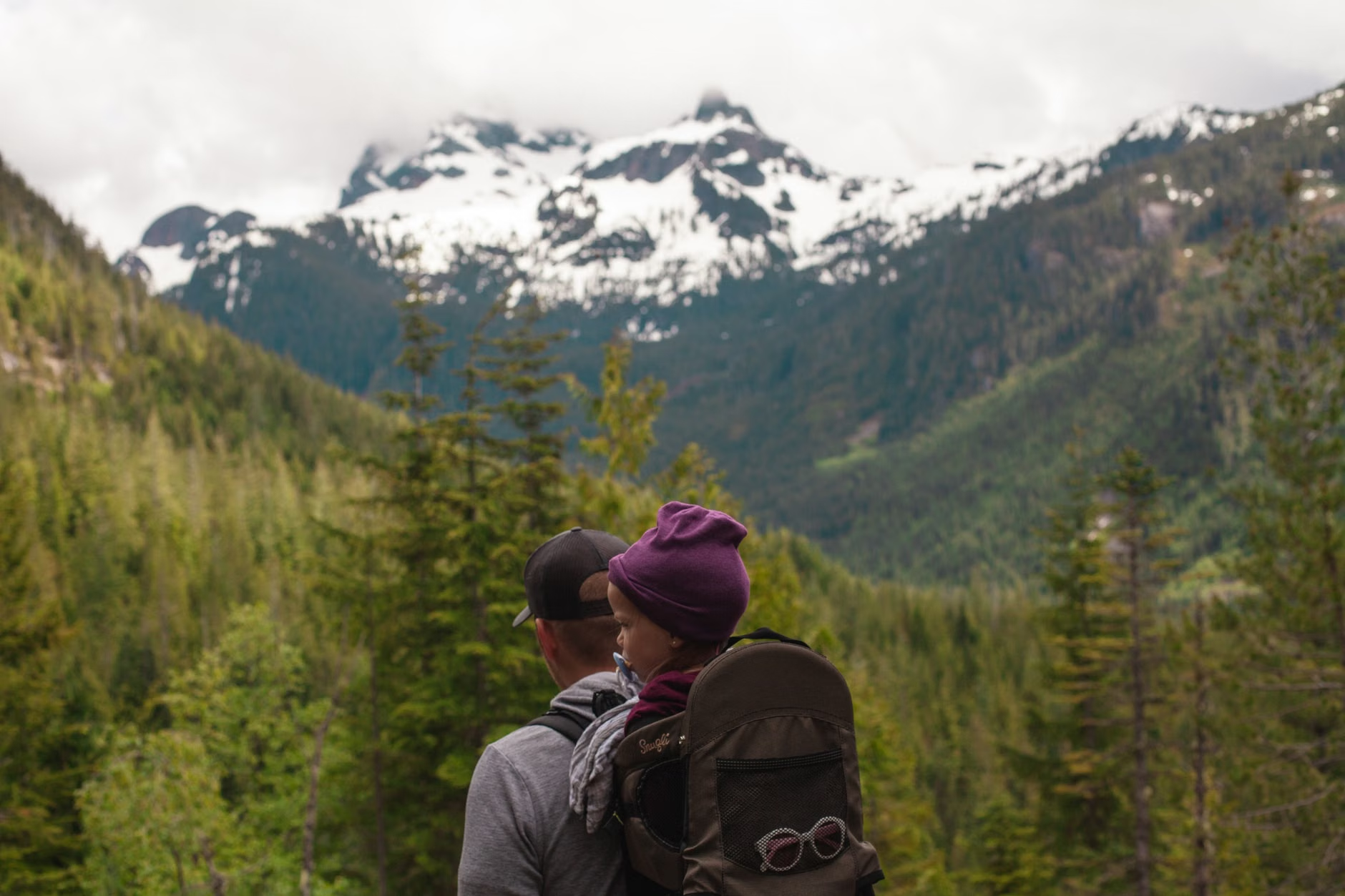
Instead of relying on a pre-packaged tourist activity, use this as an opportunity to teach your children about local geography and nature. Take a map. Not a digital one, but a physical paper map. Teach them how to read the topography. Look for local wildlife tracks. If you are in a forest, create a “scavenger hunt” based on what you find—a specific type of pinecone, a certain color of rock, or a bird’s nest.
Because you aren’t fighting crowds, you have the luxury of time. You don’t have to rush through a trail to get to the next scheduled event. If your child wants to stop for 20 minutes to look at a beetle, you can let them. This slow-travel approach is often what children remember most fondly—the time you actually listened to them, rather than the time you spent in a crowded theme-park queue.
Budgeting for the Long Game: How to Maximize Value
We mentioned saving 40%, but how do you actually realize those savings? It’s about leveraging the supply-and-demand imbalance that occurs when most people are at work or school.
| Category | Peak Season Strategy | Off-Peak Strategy |
|---|---|---|
| Accommodation | Resort/Hotel (High cost) | Vacation Rental with Kitchen (Low cost) |
| Dining | Eating out 3x a day | Breakfast/Dinner at home, picnic lunch |
| Activities | Ticketed attractions | Natural exploration/Self-guided trails |
| Transportation | Rental car + Parking fees | Public transit or off-peak car rental rates |
By staying in a rental that includes a kitchen, you aren’t just saving money on food; you are reducing the stress of finding a table at a busy restaurant with tired, hungry children. A simple pasta dinner in a cabin after a day of hiking often feels more “vacation-like” than a crowded restaurant meal. Use your savings to buy high-quality local ingredients—local cheese, fresh bread, seasonal fruit—and turn your meals into a part of the adventure.
Common Mistakes to Avoid
Even with the best intentions, parents can fall into traps. The most common mistake is over-planning. We are used to “optimizing” our lives, and we tend to bring that same energy to our vacations. We want to see every waterfall, visit every viewpoint, and hit every local attraction. In the mountains, this is a recipe for exhaustion.
Another mistake is failing to check the “local” calendar. Even if it is off-peak for tourists, it might be the week of a local town festival or a school holiday in that specific region. Always do a quick search for “[Mountain Town Name] events calendar” before booking. A local festival can be a wonderful, authentic experience, but it can also mean that the one open supermarket in town is packed or that lodging prices are temporarily inflated.
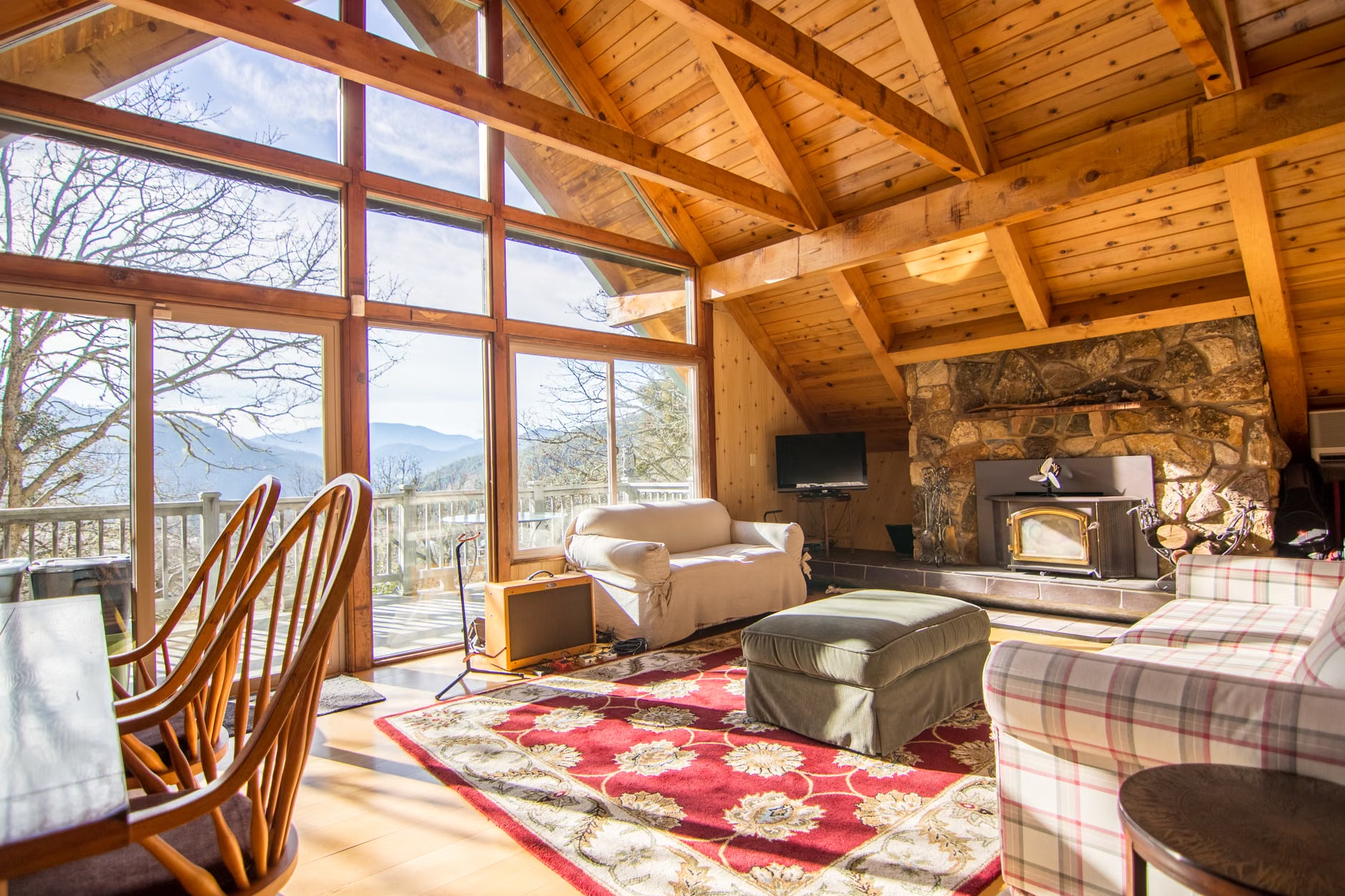
Finally, don’t underestimate the importance of downtime. If you are traveling with kids, ensure that your accommodation has decent Wi-Fi or a collection of books and games. There will be moments—perhaps a rainy afternoon or an evening where everyone is just tired—where you will be incredibly grateful for a comfortable living room where you can just relax together.
The Psychological Shift: Embracing the “Quiet”
There is a specific kind of silence you find in the mountains during the off-season. It’s not just the absence of crowds; it’s the absence of the “tourist hum”—the constant background noise of engines, crowds, and commercial activity. For parents who spend their lives managing the noise of modern work and family life, this silence is restorative.
It’s important to prepare your kids for this. If they are used to constant stimulation, the initial transition to a quiet mountain town might feel “boring” to them. Frame the trip as an adventure in “becoming explorers.” When you get to the cabin, don’t just dump your bags and turn on the TV. Take a walk around the area. Let them pick a rock or a leaf. Give them a camera and ask them to find three things they’ve never seen before. By setting the stage, you turn the absence of commercial entertainment into a canvas for their own creativity.
This is also a great time to model the behavior you want to see. If you are constantly checking your phone, they will be too. If you are looking at the trees, talking about the clouds, or just sitting on the porch with a coffee, they will eventually follow your lead. The mountains are a mirror—they reflect the energy you bring to them.
Practical Tips for Success
Before you finalize your plans, consider these actionable steps to ensure your trip runs smoothly:
- Check the “Open Dates”: Many mountain businesses have specific re-opening dates after the off-season. Check their websites or call them directly. Don’t rely solely on Google Maps, which isn’t always updated for seasonal closures.
- The Grocery Run: If you are staying in a remote area, do your grocery shopping in a larger town before you head up the mountain. Smaller mountain town stores are charming but often limited in selection and higher in price.
- Emergency Preparedness: Always have a physical map and a first-aid kit. Even if you are just doing easy trails, mountain weather can change quickly, and cell service can be spotty. Being self-reliant is part of the fun.
- Flexible Itineraries: Use a “Rule of Three” for your daily plan: one main activity, one backup activity, and one block of completely unscheduled downtime.
Ultimately, the off-peak mountain retreat is about reclaiming the concept of a vacation. It’s about slowing down, spending less, and finding a deeper connection with your family and the natural world. It requires a bit more preparation and a willingness to be flexible, but the rewards—a quiet, peaceful, and truly restorative experience—are well worth the effort.
For those looking to research specific regions, keep an eye on official tourism boards for the areas you are interested in. They often publish “seasonal guides” that highlight which trails are accessible and which local businesses remain open during the shoulder season. A little bit of research goes a long way in ensuring your family feels confident and prepared for the adventure.
Frequently Asked Questions
1. Is it safe to go to the mountains during the off-season?
Yes, it is perfectly safe, provided you practice common sense. The main risks are weather-related. Always check local weather reports, stay on marked trails, and ensure you have appropriate clothing for sudden temperature drops. Avoid remote, high-altitude trails if there is a risk of late-season snow or early-season mudslides, and always inform someone of your planned route.
2. What if everything is closed when we get there?
This is why research is key. Focus your booking on towns that are “year-round” communities rather than “resort-only” villages. A town with a school, a post office, and a year-round grocery store will have the infrastructure you need. Use the “off-peak” status to enjoy the nature rather than relying on tourist-focused amenities.
3. How do I keep kids entertained without the typical “tourist” activities?
Focus on nature-based play. Bring a sketchpad, a magnifying glass, or a simple camera. Engage them in the planning process by asking them to help you look for interesting things on the map. The goal of an off-peak trip is to move away from structured entertainment and toward independent discovery, which is a vital skill for children to develop.
For more information on mountain safety and seasonal trail conditions, please visit official government resources such as The National Park Service (for US-based travel) or your local equivalent regional tourism authority. Always prioritize local advice over general online guides.