The most effective way to foster a love for nature in a busy urban environment is to stop treating your garden as a decorative display and start treating it as a “Nature-Play” laboratory. By focusing on sensory engagement rather than aesthetic perfection, you can create a low-maintenance, high-impact green space that children in their 30s and 40s can manage alongside their hectic professional and parental schedules.
- Prioritize Sensory Plants: Choose plants based on touch, smell, and taste (e.g., Lamb’s Ear, Mint, Lemon Balm) to keep children engaged without constant supervision.
- Vertical is Essential: In urban settings, floor space is premium. Utilize wall-mounted planters or tiered shelving to maximize growing area while keeping the floor clear for play.
- Automate the Basics: Use self-watering globes or simple drip irrigation kits to ensure your garden survives your busy work weeks or family travel.
Why “Nature-Play” Gardening Works for Urban Families
If you are like most parents in their 30s and 40s, you likely feel the tension between wanting to provide your children with hands-on nature experiences and the reality of limited time, small square footage, and the demands of a full-time career. Traditional gardening—the kind that requires weeding, constant pruning, and complex soil management—is often the first thing to be abandoned when life gets busy. Nature-Play, however, shifts the goalpost.
Nature-Play gardening is not about winning the “best lawn” award. It is about creating a functional, interactive environment that serves as an outdoor classroom. When you shift your perspective, the garden becomes a place where your child learns about life cycles, responsibility, and the physical properties of nature, all within a few square meters of your balcony or patio.
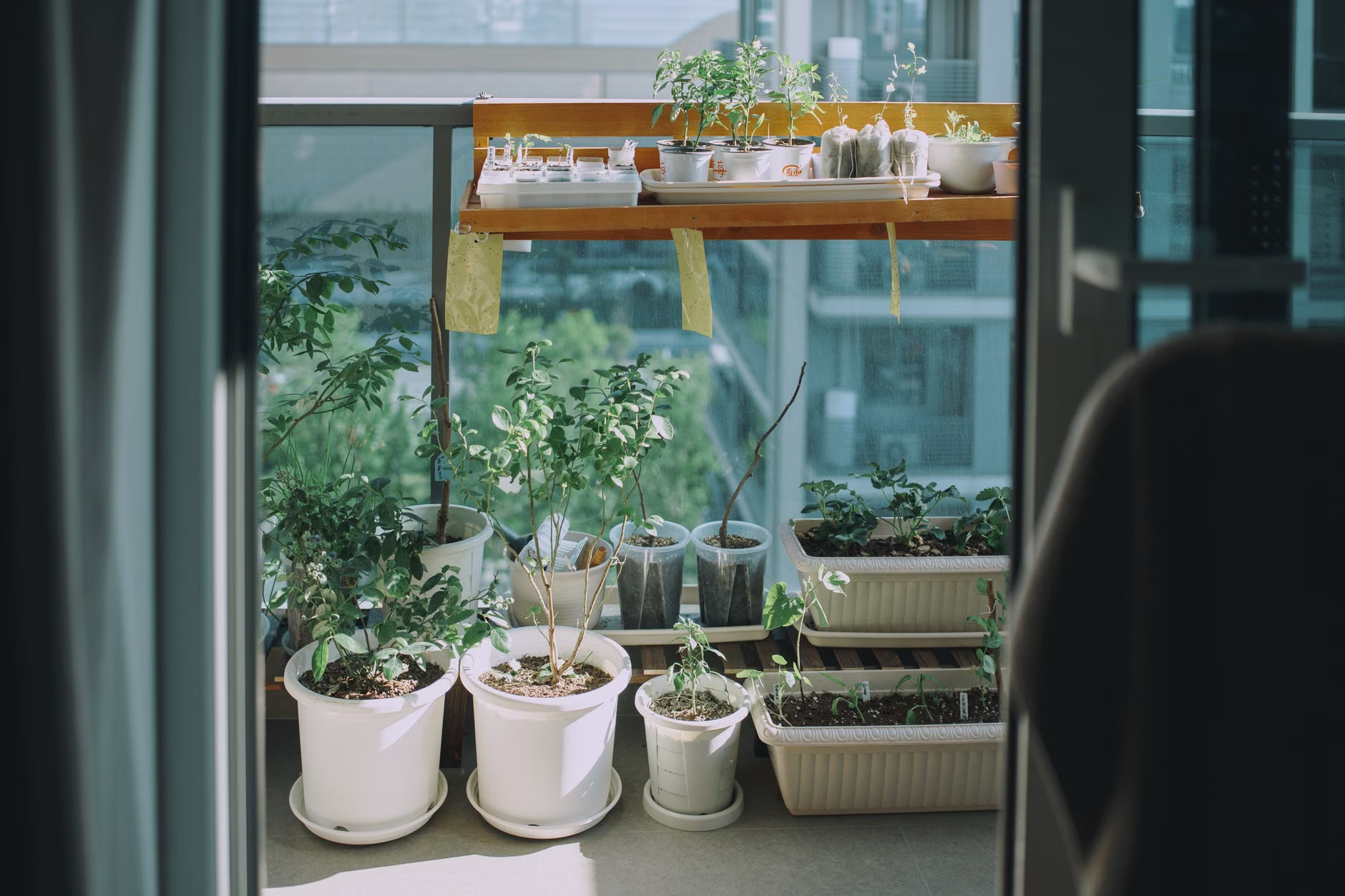
The core philosophy here is “low-barrier access.” If the garden is difficult to reach or requires complex maintenance, you won’t do it. If the garden is designed to be sturdy, mostly self-sustaining, and physically stimulating, it becomes a natural extension of your living room. Research from the Children & Nature Network suggests that regular, informal interaction with green spaces is directly linked to reduced stress levels and improved focus in school-aged children. For the parent, this means 20 minutes of “garden time” can serve as a decompression ritual after a long day of meetings.
Designing Your Sensory-Rich Green Zone
The biggest mistake most urban gardeners make is buying plants that look good in a catalog but are high-maintenance divas. When planning your space, think like a child. You want plants that are “indestructible” and offer something to the senses. If a plant can survive a week of neglect while you are away on a business trip, it’s a winner.
Here is a breakdown of how to select the right flora for your urban Nature-Play project:
| Sensory Category | Plant Recommendation | Why it works |
|---|---|---|
| Touch | Lamb’s Ear (Stachys byzantina) | Soft, fuzzy leaves that are incredibly durable and fun to stroke. |
| Smell | Lemon Balm or Mint | Fast-growing, aromatic, and easy to harvest for tea or lemonade. |
| Taste | Cherry Tomatoes | High yield, fun to pick, and teaches children about food sources. |
| Sight | Marigolds | Bright colors, hardy, and naturally repels some common garden pests. |
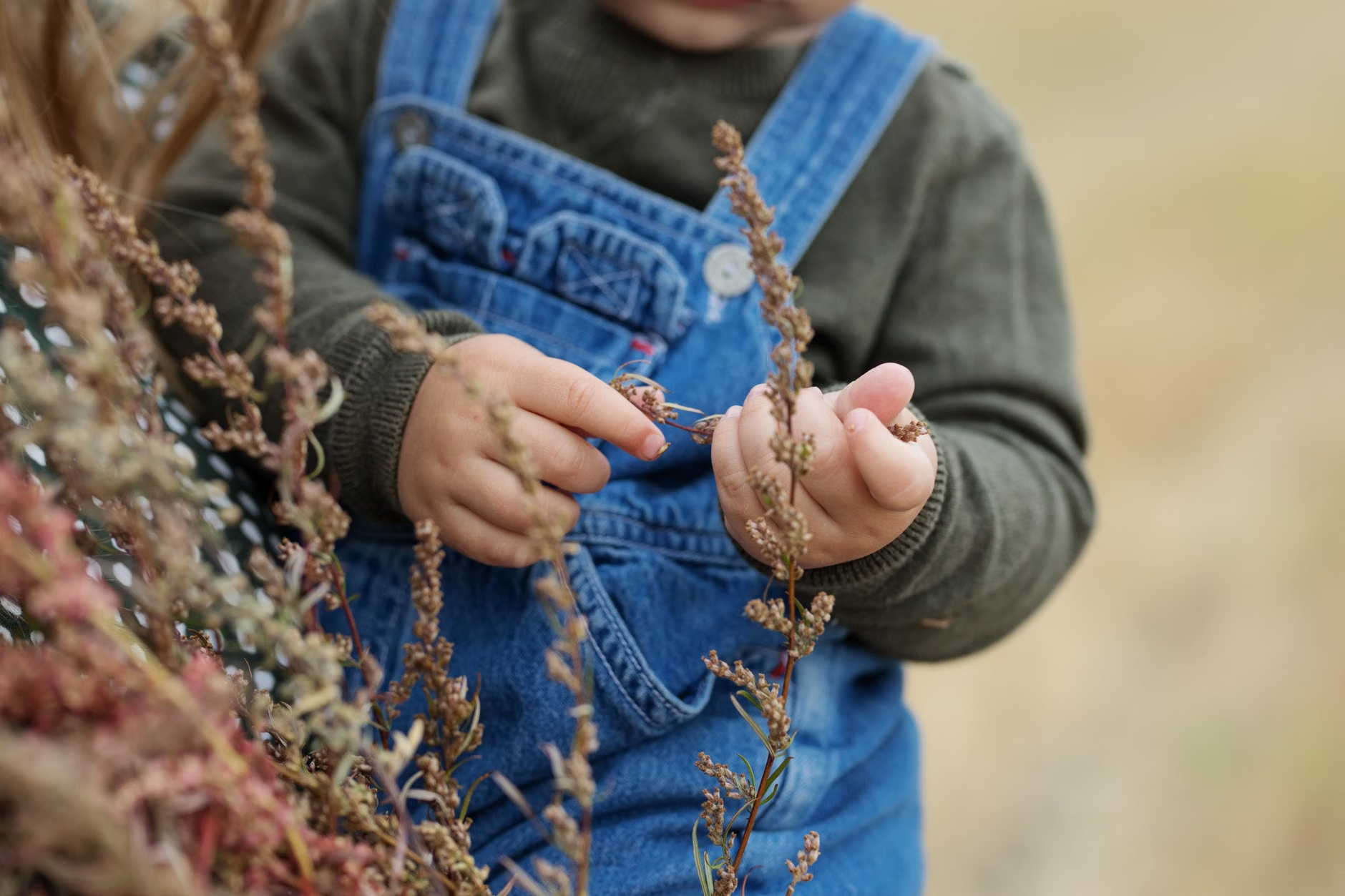
The “Touch” category is particularly important. Children learn by tactile exploration. Plants like the Lamb’s Ear are resilient enough to handle a curious toddler’s grip, which removes the “don’t touch that!” stress from your parenting. When you choose plants that are safe and sturdy, you can step back and let your child explore independently, giving you the mental space you need to manage your own day.
Practical Layout Strategies for Small Spaces
In an urban apartment, every inch counts. The “Nature-Play” layout should be divided into two zones: the Growth Zone (where plants live) and the Activity Zone (where the child interacts).
Maximizing Verticality
If you have less than 5 square meters, stop looking at the floor. Use wall-mounted fabric pockets or tiered wooden shelving. Vertical gardens not only save space but also bring plants to eye level, making it easier for children to smell and touch without having to crouch or crawl. When setting up vertical structures, ensure they are anchored securely to your balcony railing or wall to prevent tipping—a crucial safety step for households with active kids.
The “Self-Sustaining” Setup
You cannot be a full-time gardener. You are a parent with a job. Therefore, your garden must be optimized for “lazy” maintenance. Invest in self-watering planters. These containers have a reservoir at the bottom that holds water, allowing the plant to drink as needed. This simple addition can extend the time between waterings from daily to once or twice a week, which is a game-changer for busy professionals.
Common Pitfalls to Avoid
A common mistake is over-planting. It is tempting to fill every container to the brim, but plants need airflow to stay healthy in urban environments, where heat can get trapped against concrete walls. Start with three main containers. If you can keep those alive for three months, then expand. Over-crowding leads to pests and fungal issues, which will force you to spend your weekend spraying chemicals or troubleshooting—the exact opposite of the low-maintenance goal.
Integrating Nature-Play into Your Weekly Routine
So, how do you actually make this a habit rather than a chore? The secret is to anchor it to existing habits. For example, make “Garden Inspection” part of your Saturday morning breakfast routine. While the coffee is brewing, take the kids out to the balcony. Does the soil feel dry? Do we see any new buds? This takes five minutes, requires no special equipment, and builds a consistent rhythm.
For parents in their 30s and 40s, this is also a prime opportunity to model “slow living.” We live in an era of instant gratification. Gardening is the antithesis of this. It teaches patience. When you explain that the tomato plant needs time to grow, you are teaching a valuable lesson about delayed gratification that is often missing from modern digital life.
Dealing with “Failure”
Plants will die. It is an inevitable part of gardening. When a plant dies, don’t view it as a failure of your parenting or your planning. View it as a teachable moment. Talk to your kids about why it happened—was there too much sun? Not enough water? This shifts the narrative from “we killed a plant” to “we learned how to care for a living thing.” It’s a subtle but powerful change in mindset that helps children (and parents) build resilience.
Technical Tips for Urban Success
Living in a high-rise or a dense urban center introduces specific challenges: wind, light, and soil quality. Here is how to navigate these technical hurdles without needing a degree in horticulture.
1. Managing Wind Exposure
High-rise balconies are often windier than ground-level gardens. Wind dries out soil rapidly and can snap delicate stems. If your space is exposed, prioritize “wind-breaking” plants like ornamental grasses, which can handle the gusts while protecting more fragile herbs like basil or cilantro behind them. Additionally, ensure your pots are heavy enough; terracotta is better than plastic for wind stability, provided your balcony can handle the weight.
2. Understanding Light Dynamics
Before you buy a single plant, track your balcony’s sun exposure. A “full sun” label on a plant tag assumes an open field. On a balcony, a wall might block half that light. Spend two days observing your balcony: when does the sun hit it, and when does it disappear into the shade of neighboring buildings? Most herbs need at least 6 hours of direct light. If you have less, shift your focus to leafy greens like kale or lettuce, which are much more forgiving of partial shade.
3. The Soil Secret
Don’t use garden soil from the ground. It’s too heavy and doesn’t drain well in pots. Buy a high-quality “potting mix” that includes perlite or vermiculite. These are the little white flecks you see in the dirt; they create tiny air pockets, ensuring your plants’ roots don’t suffocate. It sounds like a small detail, but it’s the difference between a thriving plant and a yellowing, struggling one.
The Hidden Costs and Benefits
Let’s be honest about the economics. Is it cheaper to grow your own food? Usually, no. If you calculate the cost of high-quality soil, pots, and organic fertilizer against the price of supermarket herbs, you will likely spend more growing your own. But that is the wrong metric. The “return on investment” here is not measured in dollars; it is measured in the reduction of screen time, the development of your child’s fine motor skills, and the mental health benefits of connecting with something living.
Consider the “hidden cost” of not having this space: the time you might otherwise spend managing digital distractions or dealing with the restlessness that comes from being cooped up indoors. The Nature-Play project is an investment in your family’s well-being. By automating the maintenance through self-watering systems and choosing hardy plants, you are buying yourself peace of mind.
Final Recommendations for Getting Started
If you are ready to start, do not go to a garden center and buy everything in sight. Start with this three-step plan:
- Audit your space: Identify the sunniest spot and ensure it is accessible to your child.
- Select your “Starter Three”: Choose one sensory plant (Lamb’s Ear), one herb (Mint), and one edible (Cherry Tomato).
- Automate: Purchase a self-watering kit or a simple timer-based drip system. This is the single most important step to ensure your garden survives your busy work week.
Gardening, especially in an urban setting, is a journey of trial and error. Do not aim for a magazine-perfect display. Aim for a space that is messy, vibrant, and alive. Your children won’t remember if the tomato plant produced a perfect harvest; they will remember the feeling of the soil, the smell of the herbs, and the time you spent together outside. That is the true success of a Nature-Play project.
For more information on selecting plants for your specific climate, you can visit the Royal Horticultural Society’s guide on container gardening for beginners at https://www.rhs.org.uk/container-gardening.
Frequently Asked Questions
What if I don’t have a balcony or patio?
You can still implement Nature-Play principles indoors. Use a sunny windowsill or a dedicated plant stand near a window. Focus on plants that thrive in indoor light, such as Pothos (for trailing) or indoor-friendly herbs like chives. The “Nature-Play” aspect remains the same: it’s about the routine of care and the sensory interaction, regardless of whether the space is indoors or outdoors.
Are these plants safe for pets?
If you have cats or dogs, you must cross-reference your plant list with the ASPCA’s database of toxic and non-toxic plants. Mint and many common herbs are generally safe, but always verify before bringing any new plant into your home. A quick search on the ASPCA website at https://www.aspca.org/pet-care/animal-poison-control/toxic-and-non-toxic-plants will keep your furry family members safe.
How do I involve a toddler without making a huge mess?
Focus on “contained” play. Use a plastic tray or a large shallow bin as a base for your potting station. If you keep the soil and tools within the tray, the mess stays in one place. Also, give your child their own set of small, kid-sized tools. When they have their own equipment, they are less likely to try and use your larger, sharper tools, and they feel a sense of ownership over their specific tasks.
Start small, be consistent, and enjoy the process of watching your mini-garden—and your kids—grow.