Key Takeaways
- Texture matters more than taste: For children with sensory processing needs, the “mouthfeel” of food—crunchy, smooth, chewy, or cold—is often the primary driver of whether they eat their lunch or return it untouched.
- The 3-S Rule: A successful sensory lunchbox should combine Structure (finger foods), Sensory contrast (temperature/texture variety), and Safety (predictable, familiar items).
- Focus through regulation: Providing a mix of “heavy work” foods (chewy or crunchy items) can help children regulate their nervous systems, potentially improving their focus during the afternoon school session.
You’ve likely experienced the frustration of packing a lunch you thought was perfectly balanced, only to have your child return home with a near-full box, claiming they “didn’t have time” or “didn’t like the texture.” For many children, particularly those who are sensory-sensitive, the school lunch environment is an overwhelming barrage of stimuli. The noise of the cafeteria, the smell of other people’s food, and the social pressure can make eating a monumental task. By reframing the lunchbox as a tool for sensory integration, you aren’t just feeding them; you are providing the physiological input their brain needs to stay regulated and focused for the rest of the school day.
Why Sensory Input in a Lunchbox Changes Afternoon Focus
We often think of nutrition solely in terms of macronutrients—proteins, fats, and carbohydrates—but for a child’s nervous system, how food feels is just as important as the fuel it provides. Sensory integration is the process by which the brain organizes and interprets information from the senses. When a child is at school, they are constantly bombarded with sensory input. If they are already struggling with sensory regulation, the act of eating can either be a source of further chaos or a grounding anchor.
Think of it like this: a child who feels “wired” or anxious might find solace in the “heavy work” of chewing. Chewing crunchy or chewy foods provides proprioceptive input—the sense of body position and movement—to the jaw, which can be incredibly soothing for a dysregulated nervous system. Conversely, a child who is lethargic or having trouble “waking up” their brain might benefit from the sharp, cold, or acidic sensations of crisp fruit or chilled vegetables.
When you pack a lunch that intentionally varies these inputs, you are essentially creating a mini-sensory diet that the child can consume during their break. This isn’t just about picky eating; it is about providing the sensory feedback necessary for the child to return to the classroom feeling more grounded and ready to learn. If the food is too uniform—perhaps all soft or all bland—the child misses out on this vital regulatory opportunity.
The Anatomy of a Sensory-Integrated Lunchbox
To build a lunchbox that supports sensory integration, you need to step away from the “sandwich and chips” default. Instead, view the lunchbox as a collection of sensory experiences. A well-designed box should cater to the tactile, gustatory (taste), and thermal (temperature) senses.
Tactile Variety: This refers to the physical feel of the food. Include a mix of textures. If you pack a soft item (like yogurt or hummus), pair it with a “crunchy” item (like carrot sticks or whole-grain crackers). This contrast prevents the “sensory fatigue” that occurs when a child eats a meal that feels monotonous. If every bite feels the same, the brain may disengage from the eating process entirely.
Temperature Contrast: Temperature is a powerful sensory tool. A warm element (like a thermos of soup or a warm grain bowl) combined with a cold element (like chilled melon or cucumber slices) provides a stark, alerting sensory experience. This contrast can help a child feel more “present” during their meal, which is particularly beneficial for children who tend to zone out or become distracted during lunch.
Bite-Sized Efficiency: For many children, the sheer physical effort of opening wrappers or navigating a large sandwich is a barrier. Sensory-friendly packing prioritizes “finger foods” that are easy to manage. This lowers the executive function load, allowing the child to focus on the sensory experience of eating rather than the mechanics of opening a difficult container.
Structuring the Lunchbox for Success: A Step-by-Step Approach
If you want to implement this, don’t try to overhaul everything at once. Start by analyzing your child’s current lunchbox habits. Are there specific textures they always avoid? Are there items they consistently eat? Use this as your baseline. The goal is to introduce variety gradually, ensuring that each lunch contains at least one “safe” item and one “sensory-rich” item.
| Sensory Category | Function | Examples |
|---|---|---|
| Crunchy/Hard | Proprioceptive “heavy work” for the jaw; calming. | Carrots, apples, seeds, raw peppers, dry cereal. |
| Smooth/Creamy | Low-effort, soothing, easily palatable. | Yogurt, hummus, avocado, smooth nut butters. |
| Chewy | Provides sustained resistance; helps with focus. | Dried fruit (apricots), jerky, firm cheese cubes. |
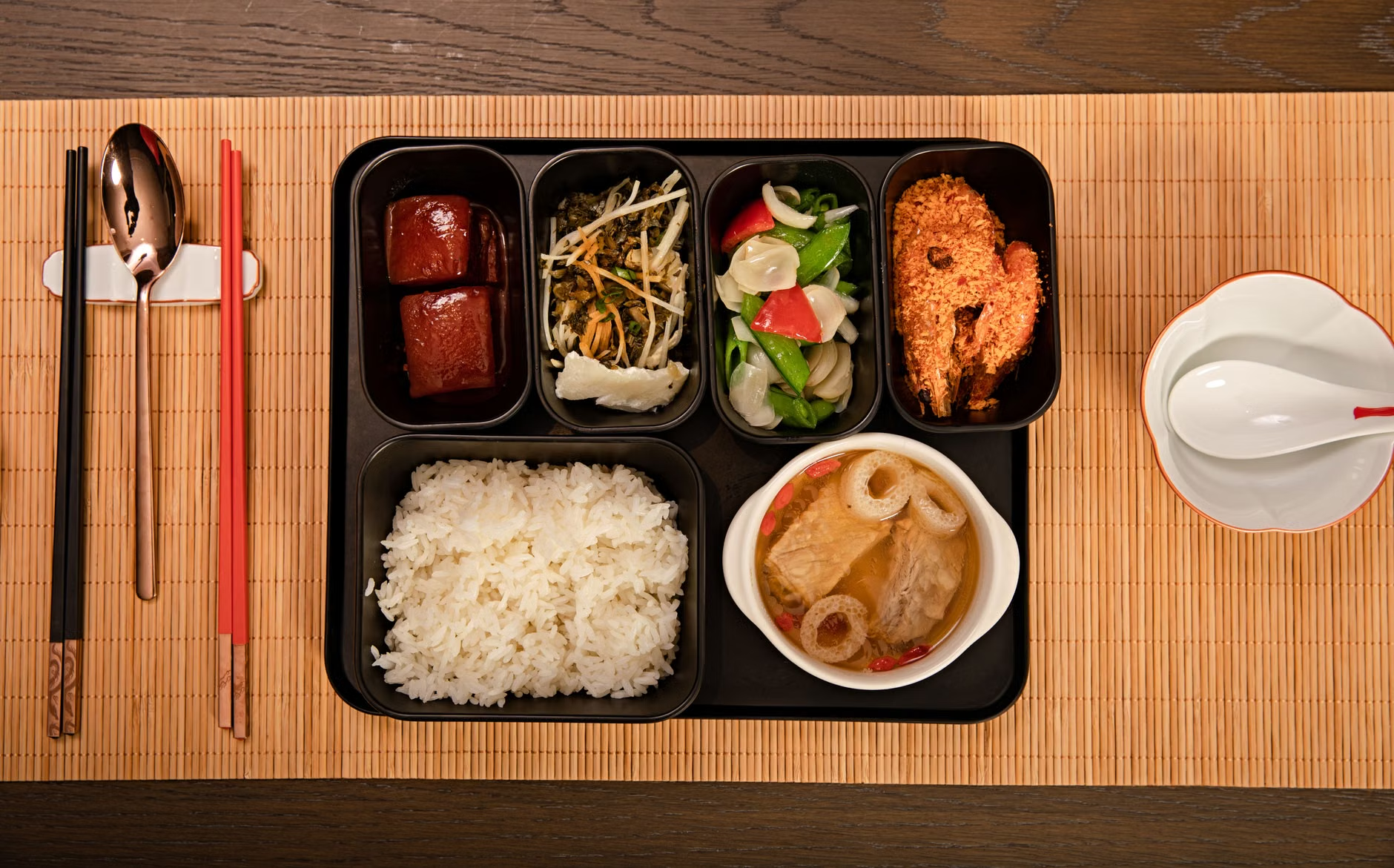
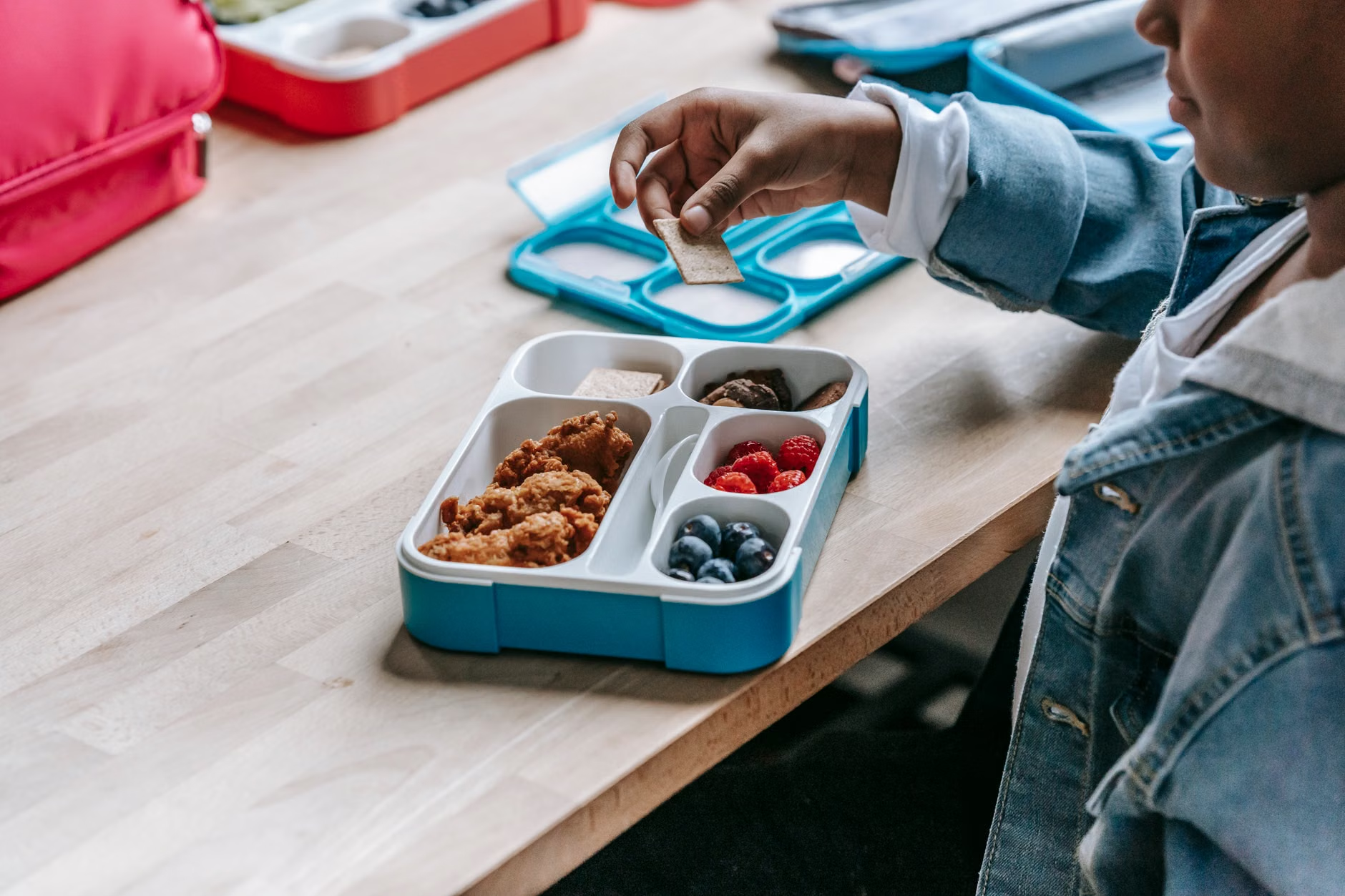
When you assemble these, prioritize the container. A bento-style box with multiple compartments is non-negotiable for sensory integration. It keeps foods from touching—a major source of anxiety for many children—and allows you to present the food in a visually organized way. When food is mixed together, it creates a “sensory soup” that can be overwhelming. Keeping items separate allows the child to choose what they need, when they need it.
Common Mistakes and How to Avoid Them
One of the most frequent mistakes parents make is “hiding” vegetables or textures in an attempt to get better nutrition into the child. While this might improve their nutrient intake, it often backfires on a sensory level. If a child bites into a muffin expecting a soft, sweet texture and hits a hidden piece of zucchini, it can trigger a “sensory breach.” This can lead to a complete refusal to eat that item, or even a distrust of other foods in the lunchbox.
Transparency is key. If you are serving vegetables, serve them as vegetables. If you are serving a dip, ensure the child knows what it is and has a clear way to interact with it. The goal is to build a positive relationship with sensory input, not to trick the child into eating.
Another common mistake is ignoring the packaging. For a child with sensory sensitivities, the sound of crinkling plastic or the difficulty of opening a stubborn lid can be enough to ruin their appetite. Before you pack a new item, test it at home. Can your child open the container independently? Does the packaging make a noise that bothers them? If the answer is no, find a reusable, easy-open alternative. The less friction there is between the child and their food, the more likely they are to engage with it.
Integrating Temperature as a Regulatory Tool
Temperature is often an afterthought in lunch packing, but it is one of the most effective ways to influence a child’s arousal level. If your child tends to be hyperactive or dysregulated after lunch, they may need “calming” foods. These are typically foods that require rhythmic chewing (crunchy/chewy) or are at a neutral or warm temperature. A warm thermos of pasta or soup can be incredibly grounding.
Conversely, if your child is prone to “afternoon slump” or lethargy, they may benefit from “alerting” foods. These are often cold, crisp, or tart. A chilled salad with a zesty vinaigrette, cold berries, or crisp cucumber sticks can provide that “wake up” effect that helps them transition back into learning mode. By intentionally choosing the temperature of the food, you are essentially programming your child’s sensory reset for the afternoon.
Remember that the thermos itself is a piece of sensory equipment. It provides a tactile experience—the weight of it, the way it feels in the hand, the specific way it opens. For some children, the ritual of opening a thermos can become a grounding, predictable routine that helps them feel secure in the often chaotic cafeteria environment.
Managing the “Cafeteria Overload” Factor
Even with the perfect lunchbox, the environment in which the child eats plays a significant role. If the cafeteria is too loud or crowded, the best-planned sensory lunch may not be enough. In these cases, you might discuss with your child’s school whether they have a “quiet zone” or a smaller group setting where they can eat. Sometimes, just having a designated, predictable spot to eat is the most important sensory intervention of all.
If your child is particularly sensitive to smells, avoid packing foods with strong, lingering odors. Things like leftover fish, strong cheeses, or heavily spiced curries can be overwhelming in a closed lunchbox or a crowded room. Stick to “sensory-neutral” proteins like chicken, turkey, or mild legumes, and save the more aromatic foods for dinner at home.
Finally, consider the visual appeal. For many children, the way food looks is the first step in the sensory process. A “rainbow” lunchbox—one that incorporates at least three different colors—is not just aesthetically pleasing; it provides a varied visual experience that can stimulate interest. Use color as a guide: red (strawberries/peppers), green (cucumbers/peas), and yellow (pineapple/cheese). It makes the lunchbox feel like an invitation rather than a chore.
Practical Implementation: A Week-Long Strategy
Don’t try to change your entire routine overnight. Start by choosing one “sensory category” to focus on each day of the week. This allows you to observe what works without feeling overwhelmed. For example, Monday could be “Crunchy Day,” where you ensure there’s a strong crunchy element in every lunch. Tuesday could be “Temperature Day,” where you focus on the contrast between warm and cold.
Keep a simple log. Note which items come back uneaten and which ones are finished. If an item comes back, don’t assume they didn’t like the taste. Ask yourself: “Was it too hard to open? Was the texture too mushy? Was it too cold by lunchtime?” Often, the issue is entirely independent of the flavor.
As you gather this data, you will start to see patterns. Perhaps your child thrives on high-protein, chewy snacks but avoids soft, mushy fruit. That’s valuable information. It doesn’t mean they are “picky”—it means their sensory system has specific preferences. Honor those preferences while gently encouraging variety. If they love chewy dried mango, that’s a great way to introduce a new fruit texture without the “mushiness” of a fresh peach.
When to Seek Further Support
While sensory-integration lunch packing is a powerful tool, it is not a cure-all. If you notice that your child’s eating habits are severely restricted, that they are losing weight, or that their anxiety around food is causing significant distress, it is time to consult with a professional. An occupational therapist (OT) who specializes in sensory processing can provide personalized strategies that go far beyond the lunchbox.
They can help identify if your child has a sensory processing disorder (SPD) or simply a high sensitivity that requires a more structured approach. They can also work with your child to expand their “food repertoire” in a safe, non-pressured way. Never feel like you have to navigate these challenges alone. The school’s special education coordinator or your pediatrician can often provide referrals to specialists who can help.
For parents, the most important takeaway is to remain patient. Your child’s sensory needs may change as they grow, and what worked for them in kindergarten may not work in the fifth grade. Keep the dialogue open, keep the lunchbox flexible, and remember that you are doing important work by helping them understand and regulate their own needs.
Frequently Asked Questions
Pickiness is often about preference and control, whereas sensory issues are about a physiological reaction to the texture, smell, or temperature of food. If your child has a “gag reflex” to certain textures, avoids whole categories of food (like all “mushy” foods), or becomes visibly anxious about specific sensory experiences, it is likely sensory-related. Sensory-sensitive children often have a much lower threshold for what they can tolerate in their mouth.
2. Is it okay to let my child eat the same thing every day if it works?
It is tempting to stick to “safe” foods, but this can lead to nutritional gaps and a very narrow palate. The goal of sensory-integrated packing is to keep the “safe” item present while slowly introducing one new sensory element at a time. Think of it as “bridge building.” If they love crunchy crackers, try a slice of crunchy apple. If they love smooth yogurt, try a smooth hummus. Keep the sensory experience consistent while changing the food item.
3. What are the best resources for learning more about sensory processing?
The STAR Institute for Sensory Processing is a leading authority on the subject and offers a wealth of evidence-based resources for parents. Additionally, organizations like the American Occupational Therapy Association (AOTA) provide excellent guides on how sensory integration works in everyday life. Always look for information that is backed by peer-reviewed research or provided by licensed therapists rather than anecdotal advice found on forums.
For further reading and evidence-based insights, you may find these resources helpful: