A plant-based diet can provide all the necessary nutrients for a growing child, provided that parents pay close attention to specific micronutrients that are less abundant in non-animal sources. As we move through 2026, the scientific consensus remains clear: with proper planning and perhaps a little extra effort in the kitchen, children can thrive on a well-balanced, plant-forward lifestyle.
- Focus on Bioavailability: It isn’t just about what you eat, but how well your child’s body absorbs the nutrients.
- Fortification is Your Friend: In 2026, relying on fortified plant-based milks and cereals is a standard, safe practice to hit B12 and Vitamin D targets.
- Variety Over Perfection: A diverse intake of legumes, seeds, and whole grains naturally covers most protein and iron requirements without needing complex tracking.
If you are reading this, you are likely part of the demographic that spends half your weekend researching the latest nutrition trends and the other half trying to get a toddler to eat something that isn’t a beige-colored cracker. The decision to move toward a plant-based diet—whether you are going full vegan or just trying to reduce meat intake—often feels like walking a tightrope. You want to align your family’s values with your lifestyle, but the fear of “missing something” is a powerful, nagging voice.
Let’s set the record straight: the fear is valid, but it is manageable. The nutritional landscape in 2026 is vastly more accessible than it was even five years ago, with better labeling, more informed pediatricians, and a wealth of accessible data. However, knowing how to execute this for a child requires moving beyond general “eat your veggies” advice.
The Core Nutritional Pillars: What Actually Matters?
When we talk about a plant-based diet, we aren’t just talking about cutting out meat. We are talking about replacing animal-derived nutrients with plant-based equivalents that are just as effective. The primary nutrients that require a “watch list” are Vitamin B12, Iron, Calcium, Vitamin D, Omega-3 fatty acids, and Zinc.
Think of it like a puzzle. If you remove the “animal” pieces, you don’t just leave a hole; you replace them with “plant” pieces that fit the same nutritional shape. Vitamin B12 is perhaps the most famous example. It is not naturally found in plants. Period. In 2026, we don’t rely on myths about “dirty vegetables” providing B12. We rely on fortified foods and, if necessary, supplements. It’s not a failure; it’s a modern solution.
The Iron Equation: Boosting Absorption
Iron is the classic worry for parents. Plant-based iron (non-heme iron) is less easily absorbed than animal-based iron (heme iron). But here is the trick: Vitamin C is the ultimate booster. Pairing iron-rich foods like lentils, spinach, or beans with a source of Vitamin C—like a squeeze of lemon juice, some bell peppers, or strawberries—can significantly increase absorption rates.
Common Iron Sources for Kids:
| Food Source | Preparation Tip |
|---|---|
| Lentils | Cook into a thick soup or blend into a “bolognese” sauce. |
| Chickpeas | Roasted as a snack or blended into a kid-friendly hummus. |
| Fortified Cereals | Check the label for at least 20% of the daily value. |
| Spinach | Steam and fold into pasta or fruit smoothies. |
Let’s be honest: your child doesn’t care about their protein intake. They care about texture, color, and whether the broccoli looks like a “tiny tree” or a “disgusting mush.” A plant-based diet doesn’t have to mean a diet of bland tofu. In fact, many children find plant-based meals more palatable because they are often more vibrant and varied.
The “hidden veggie” approach is a classic for a reason, but it shouldn’t be the only strategy. By the time kids hit age three or four, they want autonomy. In 2026, the trend in pediatric nutrition is “division of responsibility”—you decide what is on the plate, and they decide how much to eat. If you present a variety of colorful, whole-food options, you are doing your job. If they skip the lentils today, they will likely make up for it tomorrow.
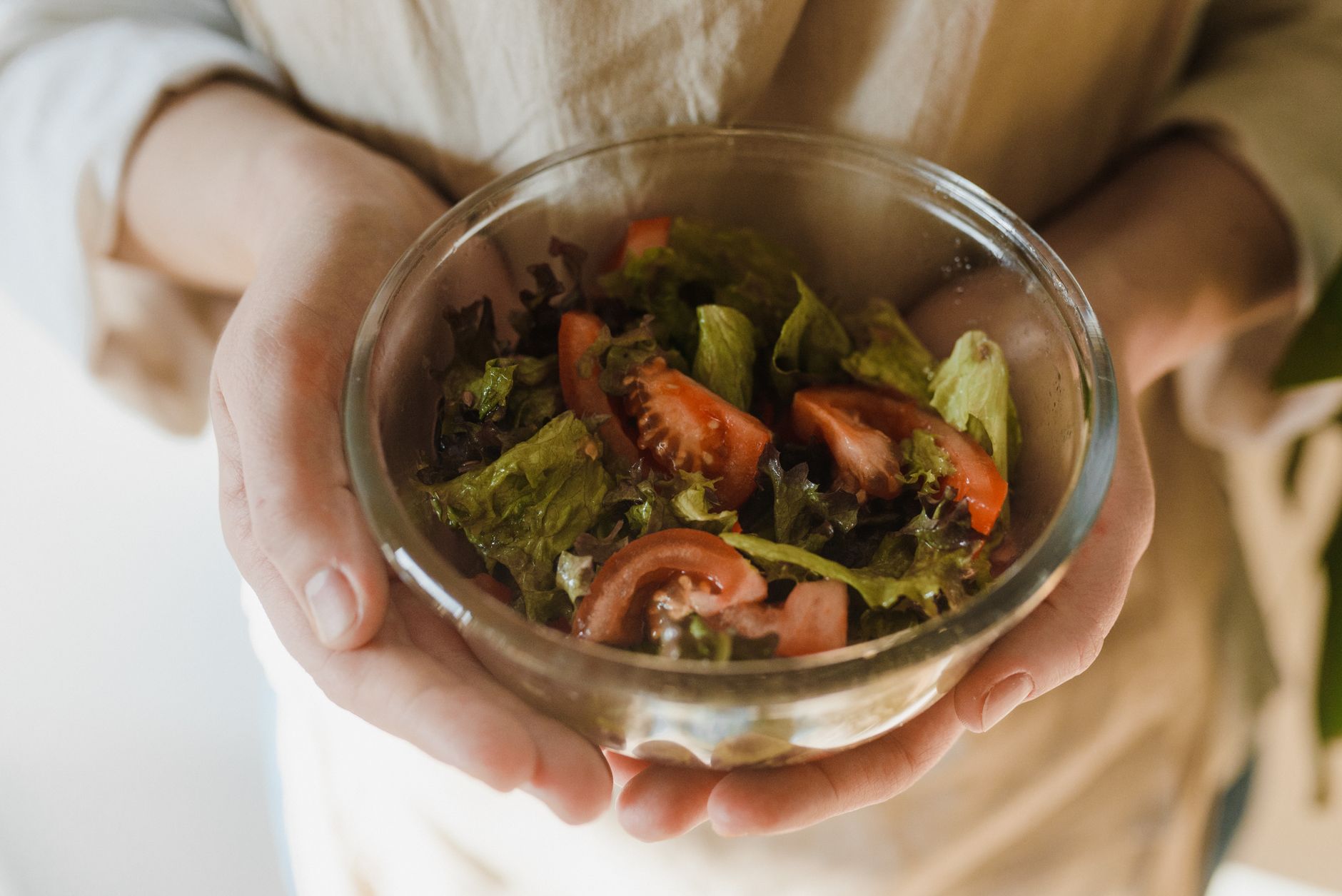
Try to avoid the temptation to make a separate meal for the child. If you are eating a bean chili, the child eats the bean chili. If you treat their meal as “special” or “different,” you are inadvertently signaling that their food is not the “normal” food. Normalizing the food on the table is the most effective way to combat picky eating.
Protein Myths and the Reality of 2026
The “where do you get your protein?” question is the inevitable rite of passage for any plant-based parent. It’s almost comical at this point. The reality is that if a child is eating enough calories, they are almost certainly getting enough protein. Protein deficiency in children in developed nations, even among those on vegan diets, is extremely rare. It is essentially a non-issue as long as the child is growing and eating a variety of foods.
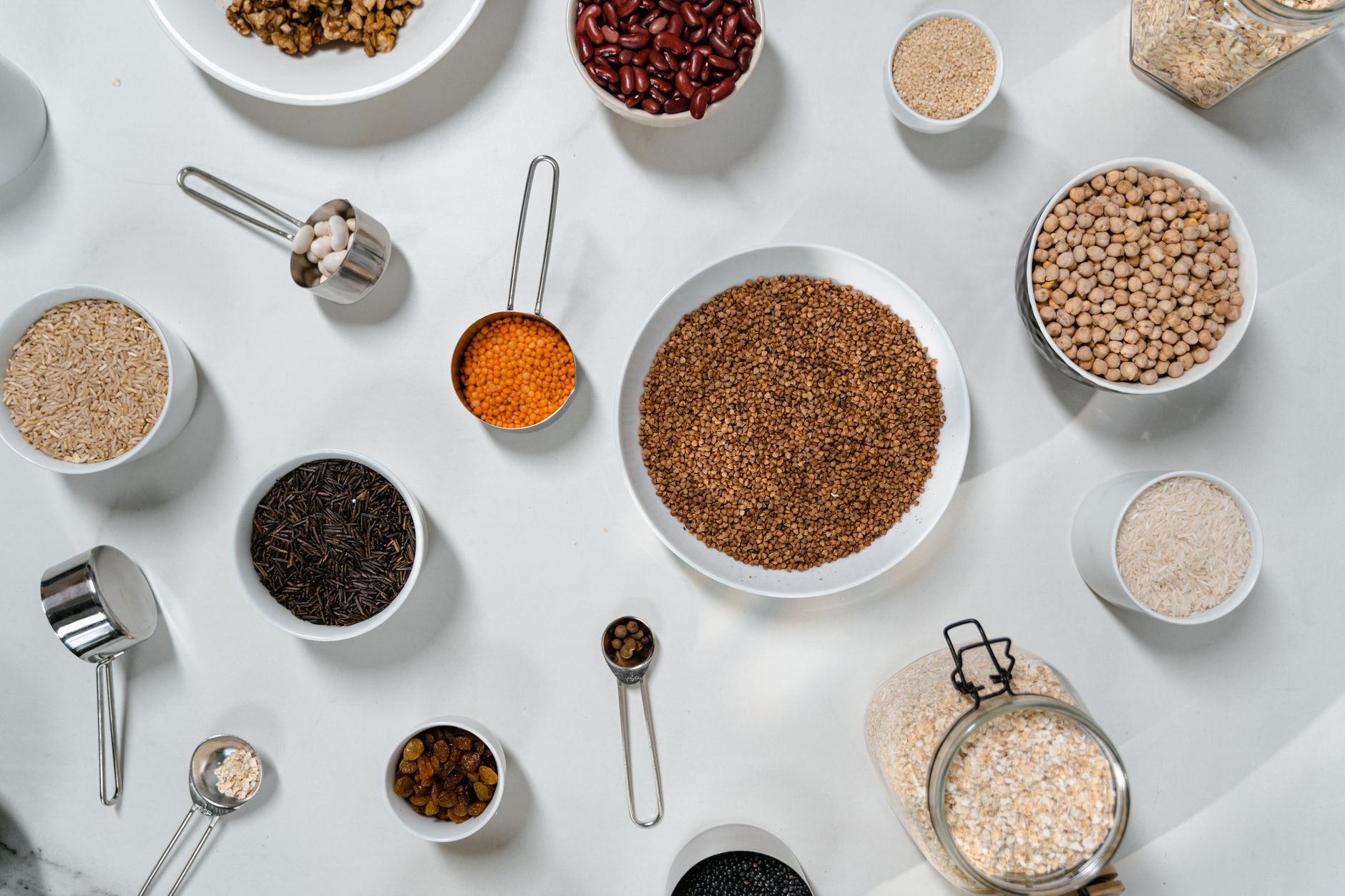
However, quality matters. You want to ensure a mix of amino acids. Legumes (beans, lentils, peas) paired with grains (rice, oats, quinoa) create a complete protein profile. You don’t need to do this in every single meal—the idea that you have to “complement” proteins at every sitting is an outdated 1970s concept. Your body keeps a pool of amino acids throughout the day. As long as the intake is varied over 24 hours, you are safe.
Fortification: The Unsung Hero of Modern Nutrition
We need to stop viewing “fortified” as “processed” in a negative sense. In the context of a plant-based diet for children, fortified foods are a safety net. Plant milks (soy, pea, almond, oat) are widely available in 2026 with added calcium, Vitamin D, and B12. When choosing a plant-based milk for your child, look for a “fortified” version that matches the protein content of cow’s milk, especially if your child is under the age of five.
Soy milk and pea protein-based milks are generally the best options for children due to their protein content. Almond and rice milks, while delicious, are often nutritionally “thin” for a growing toddler. Always check the labels. If a milk is labeled “organic,” it is not necessarily fortified—in fact, many organic milks lack the fortification found in standard varieties. Read the back of the carton, not just the front.
The Importance of Healthy Fats
Children need fat for brain development. This is non-negotiable. When you remove meat and dairy, you are removing a primary source of saturated fat. You must replace this with healthy, plant-based fats. Think avocados, walnuts, chia seeds, flax seeds, and extra virgin olive oil. These are not just “add-ons”; they should be a core component of every meal.
A simple way to incorporate this? Add a spoonful of ground flax seeds or chia seeds to their morning oatmeal. Drizzle high-quality olive oil over their roasted vegetables. Use avocado as a spread for their toast instead of butter. These small, high-density calorie additions ensure your child is getting the energy they need for their rapid growth and high activity levels.
Planning for Social Situations
The “real world” is the biggest challenge for plant-based parents. Birthday parties, school lunches, and family holidays aren’t always set up for your dietary choices. The key here is not to be the “food police” but to be the “prepared parent.”
Always have a “backup snack” on hand. If you are going to a birthday party, bring a plant-based cupcake that looks similar to the one everyone else is having. If there is a school event, chat with the organizers early. Most schools and event planners in 2026 are well-versed in dietary restrictions and are usually happy to accommodate if given a little notice. The goal is to ensure your child feels included, not isolated by their diet.
Common Misconceptions: Debunking the Noise
There is a lot of noise online. Some say plant-based diets stunt growth; others say they are the only way to ensure longevity. The truth is somewhere in the middle. A diet of Oreos and French fries is technically “plant-based” but is obviously not healthy. A diet of whole, unprocessed, varied plant foods is incredibly nutrient-dense.
Misconception 1: “Kids on plant-based diets are always smaller.”
Scientific studies have shown that while there may be slight differences in growth curves, healthy children on well-planned plant-based diets fall well within the normal, healthy range for height and weight.
Misconception 2: “They will be constantly hungry.”
Plant-based foods are often higher in fiber, which is great for digestion but can make a child feel full before they have consumed enough calories. If your child seems to be “always hungry,” focus on slightly more calorie-dense options like nut butters, avocados, and healthy fats.
Building Your Family’s “Plant-Forward” Framework
You don’t have to be perfect from day one. Many families start with a “meatless Monday” approach and slowly expand. This is often the most sustainable way to transition. It allows you to build a repertoire of recipes that your children actually enjoy, rather than forcing a total overhaul that results in a household revolt.
Start by identifying your child’s favorite “meaty” meals and finding plant-based swaps. Do they love tacos? Use seasoned lentils or crumbled tempeh instead of ground beef. Do they love pasta? Use a lentil-based pasta for an extra protein boost. The goal is to keep the familiar structure of their favorite meals while swapping the ingredients.
The Role of Supplements
While food is the best source of nutrients, supplements can fill the gaps. In 2026, a B12 supplement is highly recommended for anyone on a strictly plant-based diet. Vitamin D is also a common recommendation for children, especially those living in northern latitudes or who spend significant time indoors. Always consult with your pediatrician before starting any supplement regimen. They can order a simple blood test to see if your child actually needs a boost, which is much better than guessing.
Final Thoughts and Cautions
Raising a child on a plant-based diet is a journey of education and adaptation. It requires you to be more intentional about what goes on the plate, but that intentionality often leads to a healthier, more diverse diet for the entire family. The most important thing is to avoid the trap of “orthorexia”—the obsession with eating only ‘perfect’ foods. Your child needs a healthy relationship with food more than they need a perfectly calculated micronutrient chart.
If you have a day where they only eat pasta, let it go. If they have a day where they skip their veggies, don’t make it a battleground. Model a healthy, positive relationship with plants, and they will likely follow your lead. You are doing a great job by simply asking these questions and seeking out the best for your family.
Note: Always consult with a pediatric dietitian or your family doctor when making significant changes to your child’s diet. This information is for educational purposes and does not replace professional medical advice.
Useful Resources for Further Reading
- World Health Organization: Healthy Diet Guidelines
- Academy of Nutrition and Dietetics: Nutrition Resources
- NHS: The Vegan Diet for Families
Frequently Asked Questions
Q: Is it safe for my toddler to be on a plant-based diet?
A: Yes, major pediatric associations generally agree that a well-planned, plant-based diet is appropriate for all stages of life, including infancy and childhood. The key is ensuring adequate energy intake and specific nutrients like B12, iron, and calcium.
Q: How do I handle the “social pressure” at school?
A: Communication is key. Speak with teachers and school nutrition staff early in the year. Provide them with a list of safe snacks and discuss how to handle school celebrations so your child doesn’t feel left out.
Q: Should I be worried about my child’s growth?
A: As long as your child is meeting their caloric needs and consuming a variety of whole foods, there is no reason they shouldn’t grow normally. Regular check-ups with your pediatrician will track their growth velocity, which is the best indicator of overall health.