👶 RSV Guide for New Parents: Symptoms, Prevention, and Managing Your Baby’s Winter Health
Hello, fellow parents! I’m SoCooly, a blogger who loves researching information, especially when it comes to keeping our little ones healthy. As the cold winds start to blow, a subtle anxiety often creeps into the hearts of new parents, and that worry often centers on the myriad of respiratory illnesses our children face. Among these, the one that causes the most serious concern for infants and young children is the Respiratory Syncytial Virus, or RSV.
If you’ve ever thought, “Isn’t that just a mild cold?” — hold that thought! While RSV might be a minor inconvenience for adults, it can lead to severe complications like pneumonia or bronchiolitis in babies, especially those under one year old. We can’t take this illness lightly. Today, with the kindness and shared experience of a fellow parent, I want to offer you a comprehensive guide on what RSV is, the symptoms to watch for in your baby, and how to effectively manage and prevent it at home.
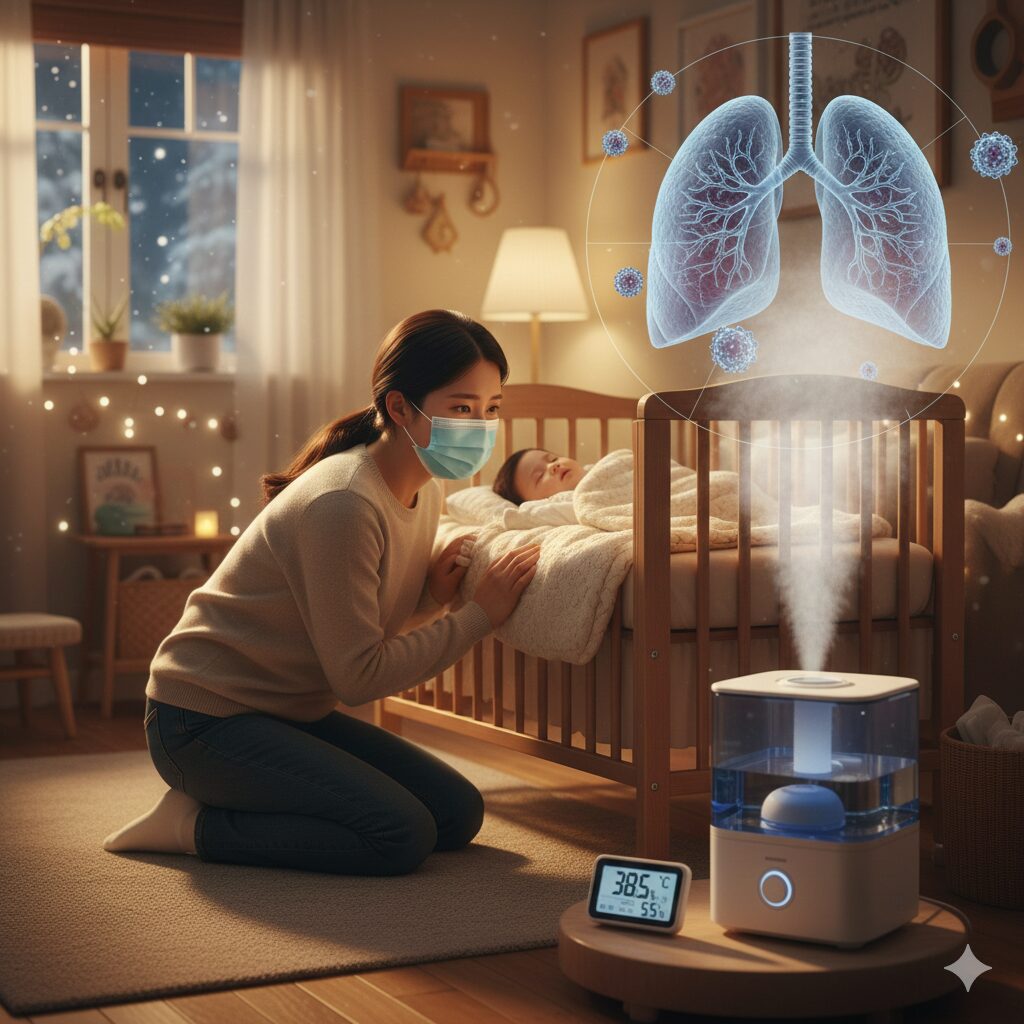
🥶 Why Is RSV a Serious Concern for Infants and Young Children?
RSV is a highly contagious virus that typically peaks during the fall and winter months. It spreads easily through droplets from coughs and sneezes or by touching contaminated surfaces and then touching one’s face.
👉 Key Reasons RSV is Dangerous for Babies
- Causes Bronchiolitis: This is the most common and serious complication of RSV. Bronchiolitis is the inflammation and swelling of the bronchioles—the tiniest air passages in the lungs. Because an infant’s airways are already very narrow, this swelling can significantly restrict airflow, making breathing extremely difficult.
- High Contagion and Reinfection: RSV spreads rapidly in environments like daycares or crowded indoor spaces. Furthermore, immunity after infection is often incomplete, meaning children can be reinfected multiple times throughout their lives, although subsequent infections are usually milder.
- Vulnerability of High-Risk Groups: While most healthy babies recover, RSV can be life-threatening for premature infants or those with underlying heart or chronic lung conditions.

🔍 How to Tell RSV from a Common Cold
In its initial stages, RSV often mimics a common cold with symptoms like a runny nose, sneezing, and a mild fever. However, after a few days, distinct symptoms begin to emerge, particularly in infants, signaling that it might be RSV.
1. Worsening Cough and Breathing Difficulty
- This is the critical sign. The cough intensifies and may sound wet or include a distinctive wheezing sound (a high-pitched whistling sound during exhalation), which indicates restricted airways.
- Look for retractions (or “tugging”): when the baby breathes in, the skin around the ribs or collarbone pulls in sharply. This means they are working hard to pull air into their lungs.
- The baby’s breathing rate becomes noticeably faster than usual.
2. Reduced Feeding and Activity
- Difficulty breathing makes sucking and swallowing hard, often leading to a refusal to feed. A significant drop in liquid intake (half or less of the usual amount) is a severe concern as it risks dehydration.
- The baby may appear unusually lethargic, irritable, and may sleep more than usual or be unusually fussy.
3. Cyanosis (Blue Skin)
- If the baby’s lips, mouth, or nail beds turn blue, this is a medical emergency requiring immediate attention. Blue discoloration (cyanosis) signals critically low oxygen levels.
✅ Quick Tip: If your baby makes a grunt-like sound or seems to be pushing air out with effort when breathing, it could signal severe bronchiolitis. Close observation by the parents is essential.
🏠 Home Management Strategies for RSV Symptoms
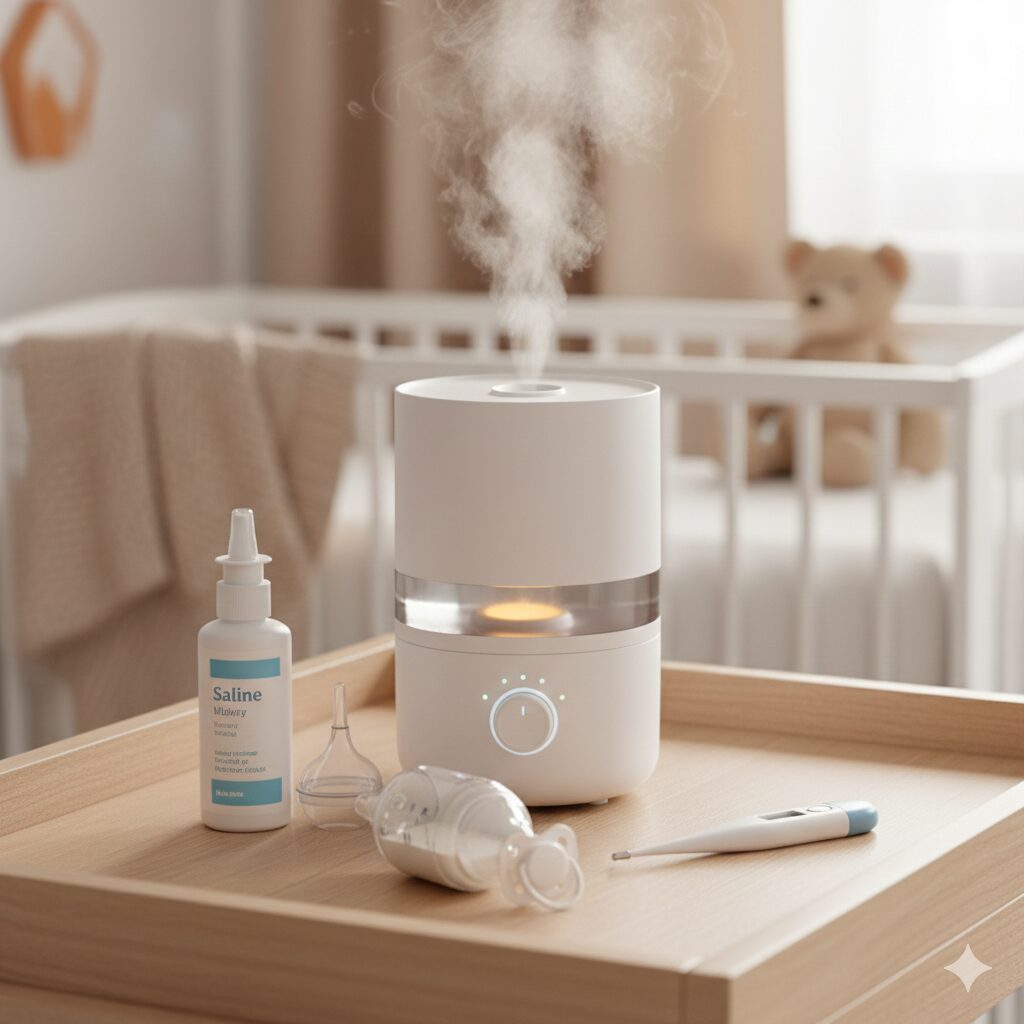
There is no specific cure for RSV; treatment focuses on supportive care to ease symptoms and prevent complications. If your doctor has confirmed your baby does not require hospitalization, here is how you can help manage the illness at home.
1. Prioritize Hydration
- This is paramount. Since breathing difficulty often interferes with feeding, combatting dehydration is key. Offer breast milk or formula more frequently and in smaller amounts than usual.
- For toddlers over one year, oral rehydration solutions or warm, clear liquids can be given in small sips.
2. Clear Nasal Passages
- A blocked nose directly impacts breathing. Use saline drops or spray before feedings or sleep to loosen mucus, followed by gentle use of a nasal aspirator to clear the congestion. (Be gentle, as excessive suction can irritate the nasal lining.)
- Steamy air from a running shower for a few minutes can also help loosen mucus.
3. Control Humidity and Temperature
- Dry air irritates the respiratory tract and worsens coughing. Maintain indoor humidity between 50% and 60% using a clean humidifier. (Remember to clean the humidifier daily to prevent mold/bacteria growth!)
- Keep the room temperature comfortable, around 68-72°F (20-22°C), avoiding overheating.
4. Rest and Comfort
- Adequate rest is crucial for recovery. Hold and comfort your baby often to provide reassurance. When they sleep, slightly elevate their upper body (using a rolled towel under the mattress, not a pillow, for safety) to assist with breathing.

🚨 When to Seek Immediate Medical Help (W-A-R-N)
RSV symptoms can escalate rapidly. If you observe any of the following critical warning signs, do not hesitate—seek immediate medical attention or go to the emergency room.
| Sign | Detail |
| Worried Breathing | Severe difficulty breathing (retractions, very rapid breathing, labored breathing). |
| Altered Alertness | The baby is unresponsive, unusually sleepy, difficult to wake, or extremely irritable. |
| Refusing Fluids | The baby refuses to drink/feed or has significantly fewer wet diapers than usual (a sign of dehydration). |
| No Oxygen (Cyanosis) | Blue coloring around the lips, face, or fingertips. |
Important Note! Infants under six months of age are at the highest risk for severe illness and rapid deterioration. Their symptoms should be monitored with extra vigilance.
✅ Essential RSV Prevention Strategies
Since a vaccine is not available for all children, rigorous infection control in daily life is the most effective way to protect your family.
1. Hand Hygiene is Non-Negotiable
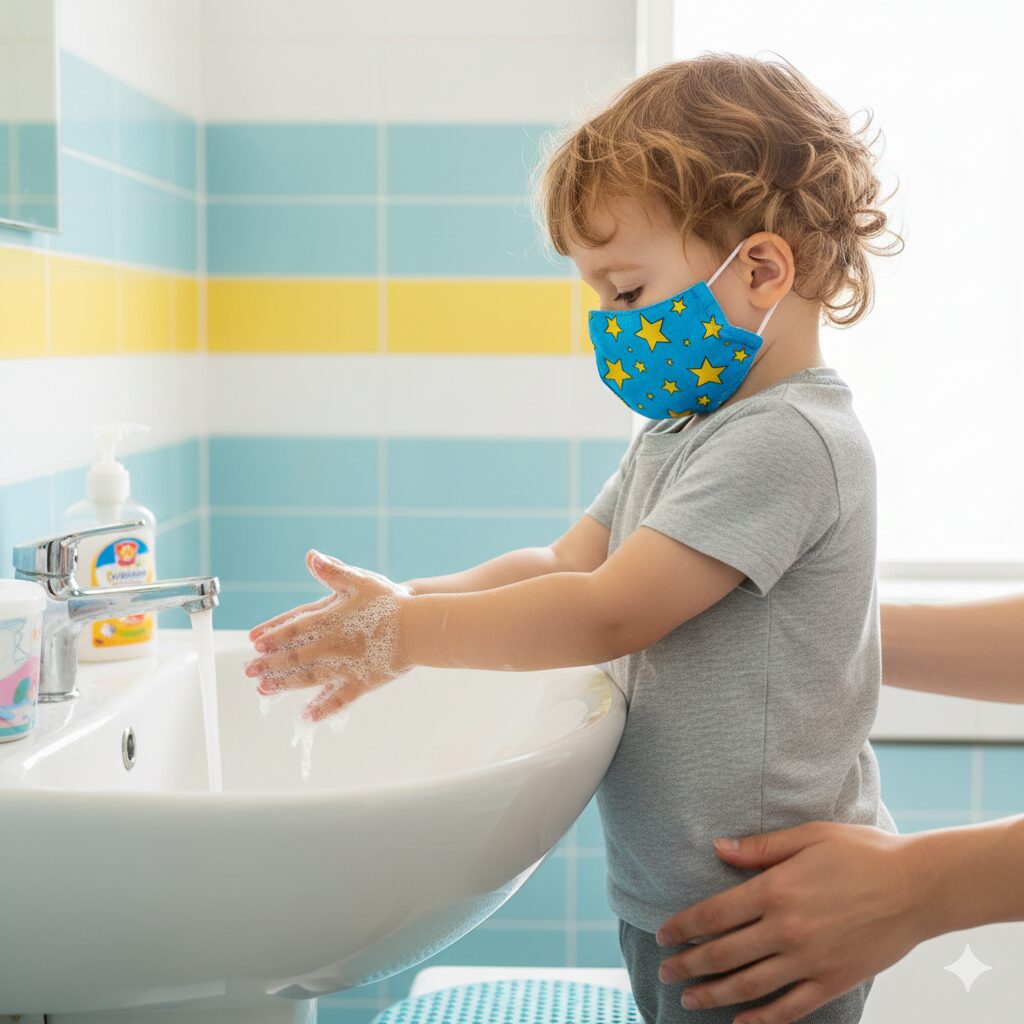
- Wash your hands thoroughly with soap and running water for at least 30 seconds after returning home from outside, before touching the baby, and after diaper changes. This must be a habit for all family members, especially siblings.
2. Masking and Isolation
- If any family member has cold symptoms, they should wear a mask when interacting with the baby and minimize close contact to prevent transmission.
- If your baby is infected, keep them home from daycare or crowded places until they are fully recovered to protect others.
3. Environmental Cleanliness
- Periodically wipe down and disinfect frequently touched surfaces, such as toys, doorknobs, and tables, as the virus can survive on these objects for hours.
4. Avoid Secondhand Smoke
- Exposure to secondhand smoke significantly weakens a baby’s respiratory system and increases their risk of severe RSV infection. Never smoke in the home or near the baby.
💡 For High-Risk Infants:
Infants at high risk, such as preemies or those with chronic lung conditions, may be eligible for a preventative medication called Palivizumab. This is an antibody given monthly during the RSV season (typically October through March) to help prevent severe disease. Please consult with your pediatrician regarding eligibility.
🙏 A Note of Encouragement to Parents
Hearing the name RSV can be scary, but please remember that the vast majority of children recover completely. Your early detection and appropriate supportive care are the best tools for your baby’s recovery.
Your loving presence, gentle touch, and careful attention are the best medicine your child can receive. Hold onto the management tips shared today, trust your instincts, and give your baby all your love and reassurance.
Sending my warmest wishes and deepest respect to all the new parents giving their absolute best every day. We can get through this winter healthily! 💪
[Reference Websites]
- U.S. Centers for Disease Control and Prevention (CDC) – RSV: https://www.cdc.gov/rsv
- World Health Organization (WHO) – Respiratory Diseases: https://www.who.int/news-room/fact-sheets/detail/respiratory-syncytial-virus-(rsv