The most effective way to turn a family trip into a life-changing experience is not by cramming every museum into your itinerary, but by choosing one “anchor” activity that connects your child’s interests to the local culture.
- Focus on Depth, Not Breadth: Prioritize one meaningful cultural immersion activity per day rather than rushing through multiple tourist hotspots.
- Follow the Child’s Lead: Align the trip’s educational goals with your child’s existing hobbies—whether it’s history, cooking, nature, or art.
- Preparation is Half the Experience: Involve your kids in the planning phase through map reading, language basics, and pre-trip documentaries to build anticipation and context.
If you are anything like me, the mere thought of packing for a family trip brings on a specific kind of low-level anxiety. There is the logistics of flights, the inevitable “I’m bored” from the backseat, and the nagging feeling that you’re spending a fortune just to have your children watch the same tablet games they could play at home. We all want our travel to be more than just a change of scenery. We want it to be educational. We want it to be an “edu-vacation.”
But let’s be honest: the term “edu-vacation” can sound like a recipe for a tantrum. It conjures images of forced museum marches and lectures delivered by parents to disinterested toddlers. It doesn’t have to be that way. Done correctly, combining travel with cultural learning is actually the best way to keep kids engaged. When a child learns about the Roman Empire while standing in the middle of an amphitheater, or discovers the science of tides while tide-pooling in a new coastal ecosystem, the learning sticks. It becomes part of their personal narrative rather than a page in a textbook.
Why “Edu-vacations” Are More Than Just Academic Exercises
At its core, an edu-vacation is about experiential learning. Educational research has long supported the idea that children learn best when they are active participants in their environment. This is often referred to as “constructivist learning”—the idea that learners construct knowledge through experience rather than just absorbing it passively.
When we travel, we are essentially placing our children in a “living classroom.” A 2022 study on cognitive development suggests that children who engage in novel, culturally diverse experiences show increased cognitive flexibility. This doesn’t mean you need to be a teacher on the road. It means being a facilitator of curiosity. You aren’t there to lecture; you are there to ask questions that encourage your children to look closer.
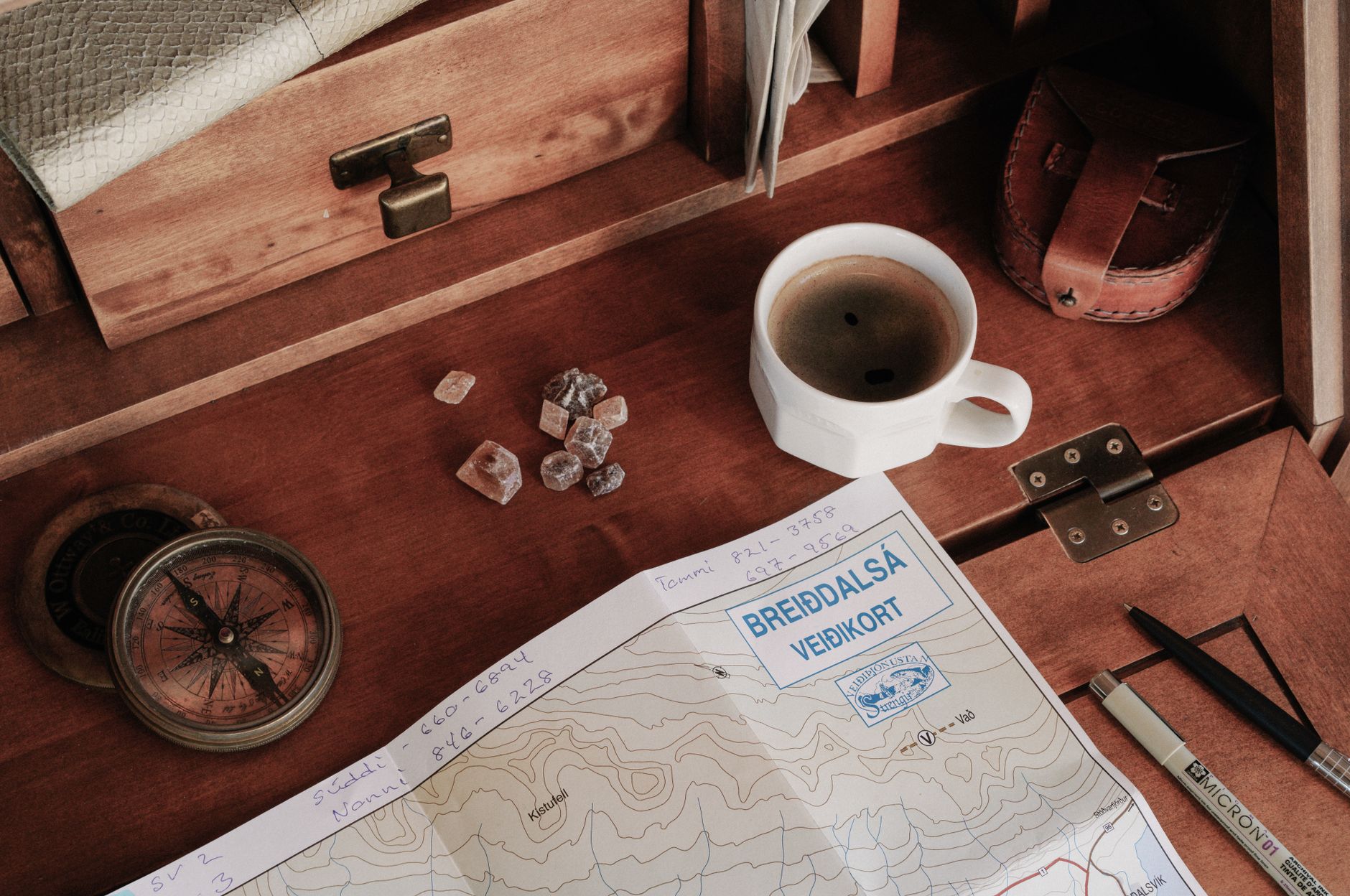
For parents in our 30s and 40s, this is a chance to reset our own relationship with our kids. Away from the pressures of school runs, work deadlines, and extracurricular schedules, we have the bandwidth to actually listen to what they find interesting. If your child is obsessed with building things, a trip to a city with unique architecture becomes a scavenger hunt for structural styles. If they love animals, a trip to a national park becomes a field study in biology.
The Art of Planning: Aligning Interests with Destinations
The biggest mistake parents make is planning a trip that *they* want and then trying to force educational value onto it. If you want to visit a fine-arts museum, but your seven-year-old is a budding entomologist, you are setting yourself up for a miserable afternoon. The secret is to start with the child’s interest and work backward to the destination.
Let’s look at how we can categorize potential edu-vacation styles based on common childhood interests:
| Child’s Interest | Edu-Vacation Focus | Practical Activity Example |
|---|---|---|
| Cooking/Baking | Culinary Heritage | Local market tour followed by a family-friendly cooking class. |
| History/Myths | Living Archaeology | Visiting ruins with a scavenger hunt checklist of historical symbols. |
| Nature/Wildlife | Eco-Exploration | Guided night-hike or citizen science projects (like bird counting). |
| Art/Design | Creative Immersion | Sketching sessions at public landmarks or local craft workshops. |
Once you have identified the “anchor” interest, you need to manage your expectations. A child’s attention span is finite. A standard rule of thumb is to allow for one major “learning” activity in the morning and leave the afternoon entirely open for unstructured play. If you push for more, you will encounter the “museum wall”—that point where the child stops learning and starts counting the ceiling tiles.
Building a “Pre-Trip” Curriculum Without the Stress
The learning shouldn’t start when you arrive. It should start at home, at least three weeks before departure. This is what I call “contextual priming.” By the time you land, your child should already have a framework for what they are going to see.
Start by finding a book, a documentary, or even a YouTube series that focuses on your destination. If you’re heading to Japan, watch a few videos on how trains work or the history of samurai armor. If you’re going to the Mediterranean, read a few myths about the sea. The goal is to build a “hook.” When your child sees the real-life version of what they saw on screen, they experience a “lightbulb moment.” That moment of recognition is the foundation of long-term memory.
Another powerful tool is the “Travel Journal.” Don’t give them a blank notebook and expect them to write an essay. Give them a prompt-based journal. Ask them to:
- Draw one thing they saw that they’ve never seen before.
- Rate the local food on a scale of 1 to 5.
- Write down three words in the local language they heard today.
These simple tasks shift their perspective from “tourist” to “observer.” They are no longer just walking through a place; they are collecting data.
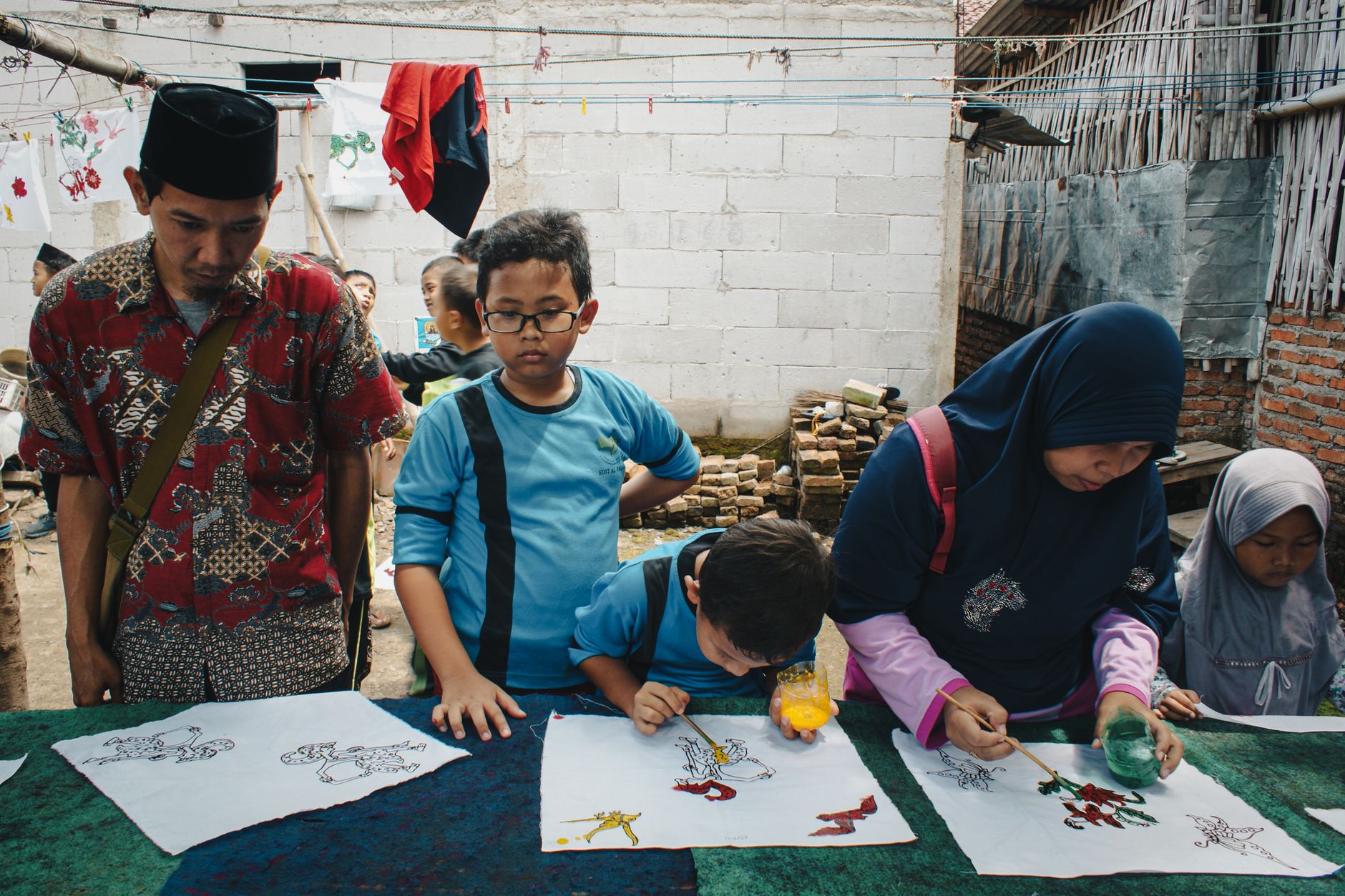
We need to talk about the “educational trap.” Many parents fall into the habit of turning the trip into a test. “What year was this built?” or “Who was the king that lived here?” These questions are essentially quizzes, and they kill the joy of travel instantly. Your role is not to be the teacher; it is to be the co-explorer.
If you don’t know the answer, say, “I don’t know, let’s find out together.” This is a profound lesson in itself—it shows your children that learning is a lifelong pursuit, not something that ends when you graduate from high school.
Another caution: technology usage. While we want to limit screen time, technology can be a fantastic learning tool if used intentionally. Use apps like Merlin Bird ID to identify local species, or Google Lens to translate signs or identify local plants. Instead of just taking photos, show your kids how to use a camera to document their observations. A photo of a specific architectural detail is a much better souvenir than a generic shot of them smiling in front of a monument.
Practical Tips for the Budget-Conscious Parent
Edu-vacations often get a reputation for being expensive because we equate them with guided tours and private workshops. In reality, some of the best educational experiences are entirely free or low-cost. Public libraries, local community centers, and municipal parks often host events that are much more “authentic” than the tourist-heavy versions.
Look for local festivals. If you happen to be in a town during a local holiday or market day, that is where the real culture lives. Talk to the locals. Ask the shopkeeper what their favorite local dish is. These small, low-stakes interactions are where children learn the most about how other people live, eat, and communicate.
When it comes to accommodation, consider staying in a neighborhood rather than a tourist district. Going to the local grocery store and trying to figure out which milk to buy or what the local snacks are is a mini-lesson in itself. It forces you to engage with the culture on a granular level.
The “SoCooly” Approach to Managing Expectations
I’ve learned the hard way that the best-laid plans often fall apart. Maybe the museum is closed, or the weather turns, or your kid is just having a “bad travel day.” That is perfectly okay. The goal of an edu-vacation isn’t to complete a curriculum; it’s to foster a sense of wonder. If you end up spending three hours at a local playground instead of the historic cathedral, you haven’t failed. You’ve allowed your child to experience the rhythm of life in a new place, which is arguably more educational than staring at old stone walls.
The key is to keep the “learning” part loose. If you keep the pressure low, the curiosity stays high. Think of your role as a curator of experiences rather than a manager of an itinerary. You provide the opportunities, and let them choose which ones to engage with.
Summary and Moving Forward
Combining travel with learning is a long-term investment in your child’s worldview. By exposing them to different languages, foods, landscapes, and customs, you are helping them develop empathy and a sense of belonging in a global community. It isn’t about how much they memorize, but how much they feel connected to the world around them.
Start small. Don’t feel like you need to fly halfway across the world to have an edu-vacation. The next town over, if approached with curiosity, can be just as educational as a trip to a foreign capital. Take the pressure off, embrace the messiness of travel, and enjoy the process of discovery alongside your kids.
Official Resources for Further Research:
- UNESCO World Heritage Centre: Great for identifying sites of historical and cultural significance globally.
- National Geographic Travel: Excellent for finding inspiration on nature-based and geography-focused trips.
- Smithsonian Magazine Travel: Provides deeper, research-backed insights into cultural and historical travel destinations.
Frequently Asked Questions
- How do I handle a child who is resistant to ‘educational’ activities?
Stop labeling them as educational. If they hate museums, don’t call it a “museum visit.” Call it a “treasure hunt” where they have to find five specific items. If they are bored, focus on the food or the local playground. Curiosity is contagious—if you are genuinely interested, they are more likely to follow. - What is the best age to start taking kids on ‘edu-vacations’?
There is no “best” age. Toddlers learn through sensory input (tasting, touching, hearing), while school-aged children can engage with history and geography. Adapt the activity to their developmental stage. A toddler doesn’t need to understand the history of a site; they just need to experience the environment. - How do I keep an edu-vacation budget-friendly?
Focus on free public resources like parks, local libraries, and walking tours. Eat at local markets rather than tourist-trap restaurants. Use free apps to research the history of a place before you go, so you don’t need to pay for expensive guided tours.
Remember: The best travel memories are often the unplanned ones. Keep your eyes open, stay flexible, and most importantly, have fun.