The 2026 Global Plastic Treaty represents the most significant shift in international environmental policy regarding consumer goods, and it will fundamentally change how products are packaged, priced, and delivered to your doorstep. While the headlines focus on industrial-scale waste management, the real-world impact will land squarely in your kitchen, your child’s toy chest, and your monthly household budget.
Key Takeaways
- Mandatory Packaging Redesign: Expect a shift toward standardized, recyclable materials as manufacturers move away from complex, multi-layered plastic laminates.
- The “Polluter Pays” Principle: New regulations will likely pass the cost of waste management onto producers, which may lead to slight price increases for consumer goods.
- Behavioral Shift: Households will need to adapt to more circular systems, including mandatory composting, stricter recycling sorting, and a move toward refillable product models.
If you are like most parents in their 30s and 40s, you probably spend a significant portion of your mental energy managing the “stuff” that enters your home. Between the plastic-wrapped school snacks, the endless stream of toy packaging, and the sheer volume of grocery waste, it is easy to feel overwhelmed. We often hear about “saving the planet,” but what does that look like when you are trying to get dinner on the table by 6:00 PM?
The United Nations has been working toward a legally binding instrument to end plastic pollution—commonly referred to as the Global Plastic Treaty—with a target implementation window beginning in 2026. This isn’t just a political talking point; it is a regulatory framework that will force corporations to stop producing unnecessary single-use plastics. Let’s break down what this means for your daily life.
The Why Behind the Treaty: Beyond the “Recycling Myth”
For decades, we have been told that if we just put our plastic bottles in the blue bin, the problem would be solved. Unfortunately, current data suggests that less than 10% of all plastic ever produced has been recycled. The rest ends up in landfills, incinerators, or our oceans. The 2026 Treaty aims to move the needle from “better disposal” to “less production.”
The core of the treaty focuses on the entire lifecycle of plastic. This means the pressure is being moved from the consumer—who often has no choice but to buy plastic-packaged goods—to the manufacturer. If a company creates a product, they will soon be held responsible for the environmental footprint of that package. This is a massive shift in economic incentives.
Think of it like this: currently, it is cheaper for a company to make a cheap, non-recyclable plastic pouch than to use a sustainable alternative. The treaty aims to make that cheap plastic so expensive through taxes and regulations that the sustainable alternative becomes the more profitable choice. For your household, this means that the “default” option at the grocery store will slowly start to change.
How Your Grocery Run Will Change
When you walk through the supermarket aisles in 2026 and beyond, you will likely notice a change in the “feel” of products. The shift will be subtle at first, but it will be systemic.
| Category | Current Status | Post-2026 Expectation |
|---|---|---|
| Food Packaging | Multi-layer plastic/foil mixes | Monolithic, easily recyclable plastics or paper |
| Cleaning Supplies | Single-use plastic bottles | Refillable concentrates and glass/metal systems |
| E-commerce/Delivery | Excessive bubble wrap/plastic mailers | Standardized, biodegradable, or reusable packaging |
The most immediate change will be the disappearance of “hard-to-recycle” items. Currently, many snacks come in bags made of bonded plastic and aluminum, which are impossible to recycle. Under the new treaty, companies will be pushed to use materials that are easier to separate or fully compostable. You might find that your favorite granola bar now comes in a slightly different texture of wrapper, or that your laundry detergent is sold as a dissolvable pod in a cardboard box rather than a giant plastic jug.
The Hidden Cost of “Convenience”
There is a lingering question regarding the cost of these changes. If companies have to pay for the waste their products generate, will they pass those costs on to us? The short answer is: likely, yes. However, economists suggest that the “true cost” of plastic—which currently includes the environmental cleanup and health impacts—is already being paid by society.
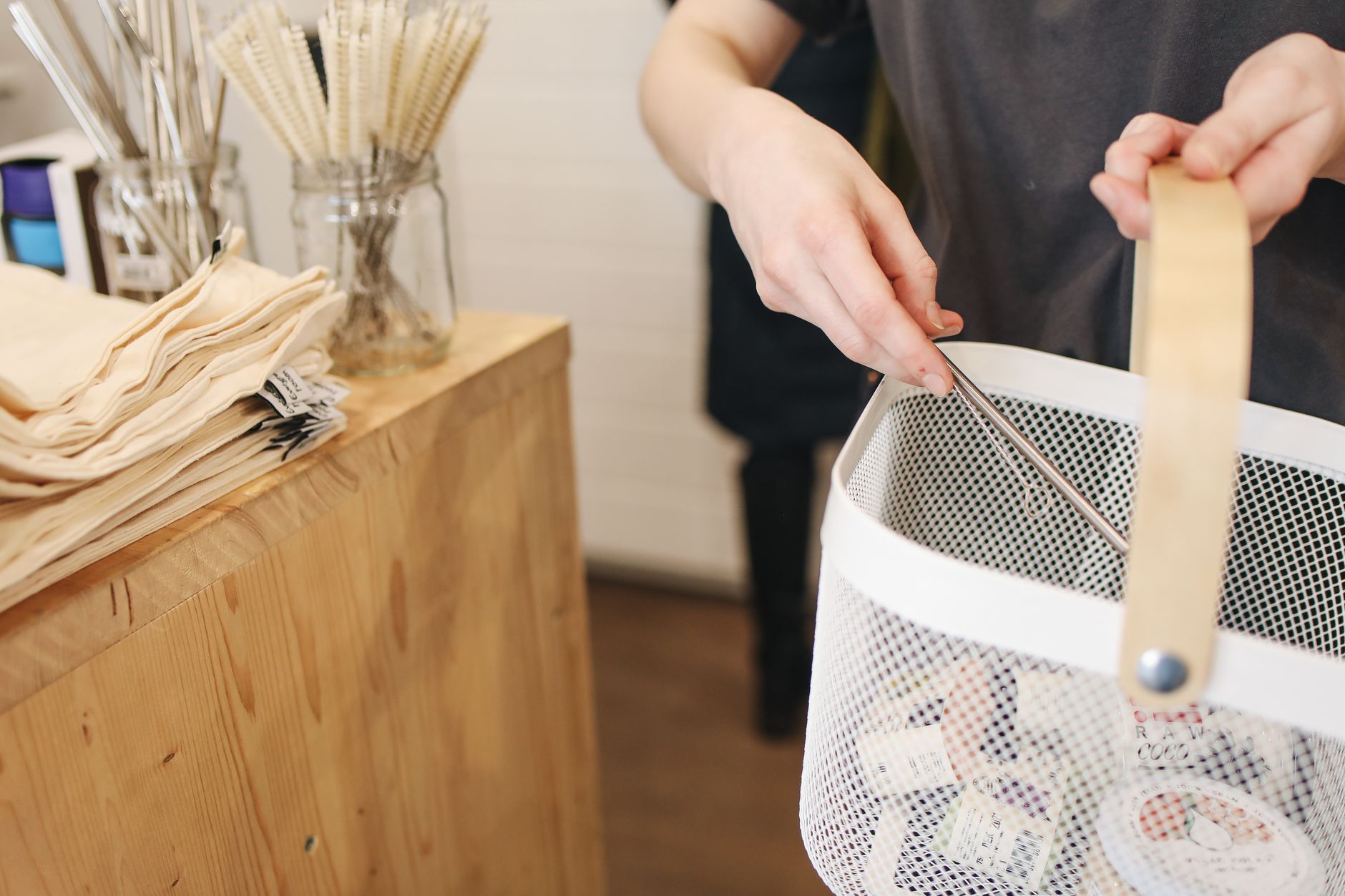
For a family budget, this might mean a slight increase in the price of packaged foods. However, the industry is also pivoting toward “refill models.” You might see more stations in stores where you bring your own containers for staples like rice, pasta, or soap. While this requires a change in your weekly routine, it actually offers a way to bypass the “packaging tax” that will inevitably be baked into pre-packaged goods.
Parenting in a Post-Plastic World
If you are raising kids, you are likely intimately familiar with the “plastic explosion” that happens every birthday or holiday. Plastic toys, especially those with small, non-recyclable parts, are a major target for future regulation. The treaty encourages “design for circularity,” meaning toys will be designed to be taken apart, repaired, or recycled more easily.
This is a great opportunity to start the conversation with your children about why we choose certain products over others. It is not about creating “guilt,” but about teaching them to be conscious consumers. When you choose a wooden toy or a product with minimal packaging, you are participating in a larger global shift. It is a practical lesson in resource management that will be increasingly relevant as they grow up.
One of the biggest risks as we approach 2026 is “greenwashing.” This is when companies use marketing terms like “eco-friendly,” “natural,” or “earth-conscious” without actually changing their production methods. The Global Plastic Treaty includes provisions to standardize these labels. By 2026, we should see clearer, government-mandated certifications for packaging, making it much easier for you to tell what is actually recyclable and what is just clever marketing.
When you are shopping, look for these indicators of genuine change:
- Standardization: Does the packaging use one type of material rather than a mix?
- Refillability: Does the brand offer a way to buy the product without buying a new container every time?
- Transparency: Does the company clearly state where their materials come from and how they should be disposed of?
Practical Steps You Can Take Right Now
You don’t need to wait for 2026 to start adjusting your habits. In fact, starting now makes the transition much easier. Here are three manageable ways to prepare your household:
- Audit your “Big Three” plastic offenders: For most households, this is bottled water, cleaning supplies, and grocery bags. Tackle these first. Switch to a water filter, buy concentrated cleaning tablets, and keep reusable bags in your car.
- Learn your local recycling rules: Recycling is not universal. Different cities have different capabilities. Check your local municipal website to see exactly what they accept—you might be surprised that some things you are currently “wish-cycling” (tossing in the bin hoping it’s recyclable) are actually contaminating the whole batch.
- Prioritize “Buy-it-for-life” items: When it comes to kitchenware or kids’ essentials, look for materials like stainless steel, glass, or solid wood. These items last longer, don’t degrade into microplastics, and are usually easier to recycle at the end of their very long life.
The Road Ahead: A Balanced Outlook
The transition to a world with less plastic will not be instantaneous, and it will certainly not be perfect. There will be supply chain hiccups, price fluctuations, and moments where you just want to buy the convenient thing and move on with your day. That is okay. The goal of the 2026 Treaty is not to achieve an overnight miracle, but to build a system that is fundamentally more sustainable than the one we have today.
As we head toward this deadline, keep an eye on your local government’s waste management policies. These are the front lines of the treaty’s implementation. By staying informed, you can make better choices for your family’s health and your household budget. We are moving toward a time where the “easy” choice will finally align with the “right” choice for the planet. Until then, keep doing your best—one grocery bag at a time.
Frequently Asked Questions
Q: Will the 2026 Treaty make everything more expensive?
A: While there may be initial price adjustments as companies transition to sustainable materials, the goal is to create a more efficient system. By reducing waste and moving toward circular models (like refills), costs for the consumer may stabilize or even decrease over time for certain product categories.
Q: How do I know if my local recycling program is actually working?
A: Most municipal websites have a “Recycling Guide” that explicitly states which plastic resin codes (the number inside the triangle) they accept. If a plastic item doesn’t have a code or is a “composite” material, it generally belongs in the trash, not the recycling bin.
Q: Is this treaty only for big corporations?
A: The treaty is primarily aimed at regulating the production and design stages of plastic, which directly targets major manufacturers. However, it requires consumer participation in waste separation and a shift in demand toward sustainable products to be truly effective.
For further reading and official updates on the negotiations, you can visit the United Nations Environment Programme (UNEP) official page on the Intergovernmental Negotiating Committee (INC).