The most effective way to combat digital overwhelm is not to delete every app you own, but to move from a state of constant, reactive connectivity to one of intentional, proactive usage.
Key Takeaways:
- The “Batching” Method: Reduce cognitive load by checking notifications only at specific, pre-determined times throughout the day.
- Digital Minimalism: Curate your digital environment by removing “frictionless” access to non-essential apps that trigger doom-scrolling.
- Analog Anchors: Establish physical, non-digital boundaries in your home to signal to your brain that it is time to disconnect from work and social media.
Do you ever find yourself standing in your kitchen, mid-afternoon, staring at a half-empty coffee mug while your phone pulses with a notification you don’t actually care about? You’re not alone. For those of us in our 30s and 40s, the digital landscape has shifted from a convenient tool to an architectural element of our lives—one that often feels like it’s closing in on us.
We are the generation that remembers the world before the constant “ping.” We remember waiting for a landline to ring or spending an entire weekend afternoon without once checking our email. Now, we are managing careers, school group chats, household logistics, and the relentless stream of global news, all while trying to be present for our children. It is a specific type of exhaustion: the exhaustion of the infinite scroll.
Understanding the Mechanics of Digital Overwhelm
Digital overwhelm is not just “spending too much time on your phone.” It is a physiological state. When your device chirps, your brain experiences a spike in cortisol—the stress hormone. This is a survival mechanism; we are biologically wired to pay attention to sudden stimuli. In the modern era, however, we are being triggered dozens, sometimes hundreds, of times a day by trivial information.
The problem is compounded by the “always-on” culture of the modern workplace. If you are a parent in your 30s or 40s, you likely occupy a position of responsibility. You are expected to be reachable. But when “reachable” morphs into “constantly available,” your brain never enters the restorative state required for deep thinking or genuine emotional connection with your family.
Consider the concept of context switching. Every time you switch from a spreadsheet to a Slack message, and then to a school email, your brain pays a “switching cost.” This cost is measured in lost productivity and increased irritability. By the time you reach dinner, you have already spent your daily budget of mental bandwidth on digital noise.
The Architecture of Your Digital Environment
Most of us treat our digital lives like a junk drawer. We install apps, accept notifications, and sign up for newsletters, never stopping to curate the space. If your living room were filled with junk mail and strangers shouting at you, you would clear it out. Your digital space deserves the same level of care.
Start by auditing your notifications. There is no reason for a game, a news site, or a social media platform to notify you in real-time. If it isn’t a direct message from a person you know or a time-sensitive calendar alert, turn it off. This is not about being disconnected; it is about choosing when you engage.
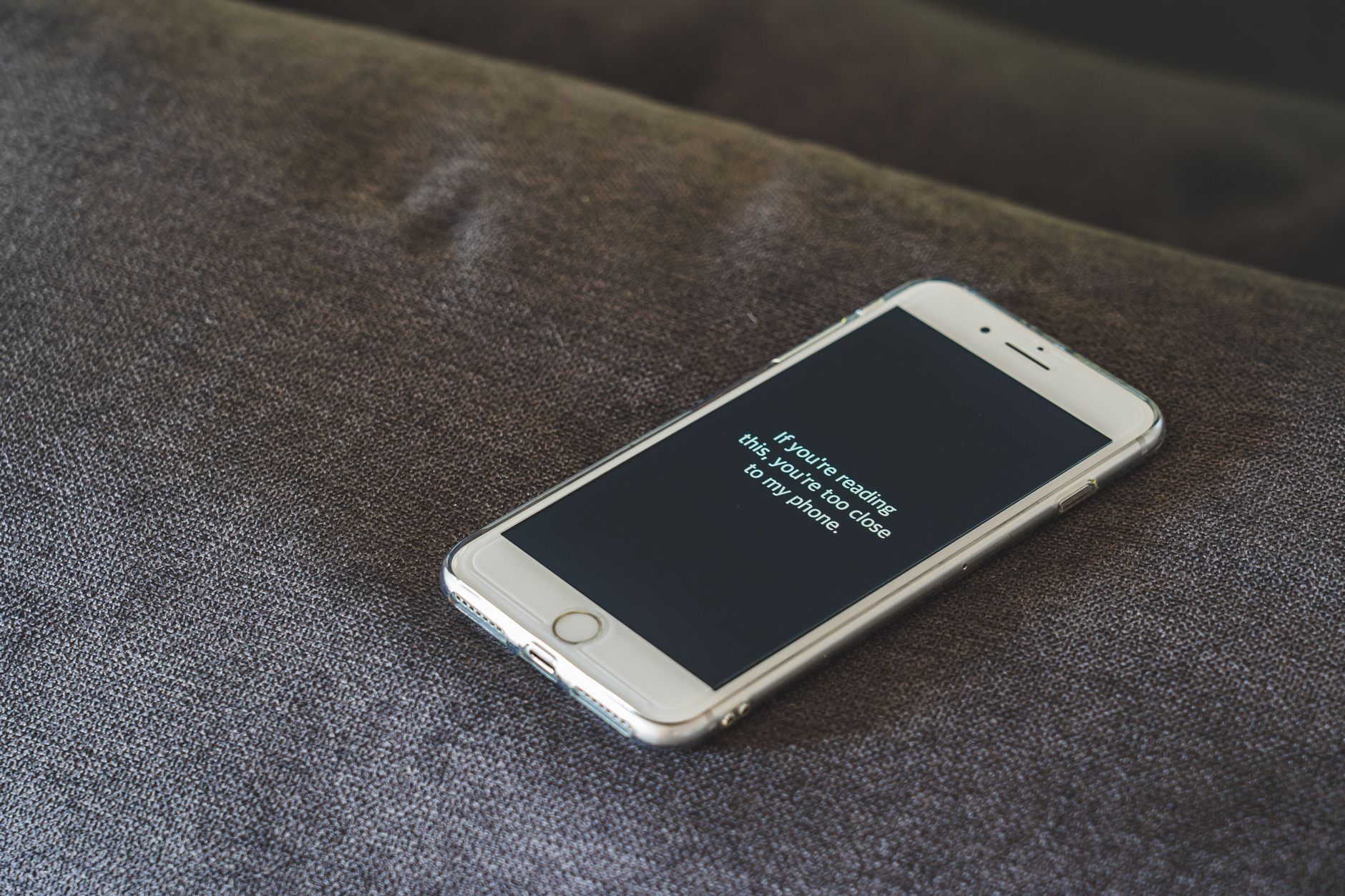
Next, consider the “friction” principle. Apps that are designed to be addictive (social media, news aggregators) are usually placed on your home screen for a reason. Move them to a folder on the second or third page of your phone. By adding one or two extra taps to access these apps, you create a moment for your brain to pause and ask, “Do I actually need to be here?”
The Case for Batching Communication
One of the most effective strategies for busy parents is communication batching. Instead of checking your email every ten minutes, schedule three “windows” during the day to process your inbox. This might look like:
| Time Slot | Purpose |
|---|---|
| 9:00 AM | Clear urgent morning requests. |
| 1:00 PM | Handle logistical household/school emails. |
| 4:30 PM | Final check before the “parenting shift” begins. |
During these windows, you are fully present with your digital tasks. Outside of these windows, your email app should be closed. You will be surprised to find that the world does not collapse because you waited two hours to reply to a non-urgent message.
Creating Analog Anchors in a Digital Home
Technology should serve our lives, not dictate the flow of our homes. An “analog anchor” is a physical boundary that marks the end of digital time. For many, this is the “phone basket” near the front door. When you walk through the door after work or school, the phone goes into the basket. It doesn’t come out until the children are in bed.
This simple physical act creates a powerful psychological cue. It tells your brain, “The digital world is over; the domestic world has begun.” If you are worried about missing an emergency, remember that most phones have a “Do Not Disturb” feature that allows calls from specific contacts (like your spouse or a caregiver) to ring through.

Another anchor is the bedroom. If you use your phone as an alarm clock, you are inviting the world into your bed before you have even had your first cup of coffee. Buy a simple, battery-operated alarm clock. By keeping your phone out of the bedroom, you protect the first and last hours of your day—the most vulnerable times for your mental health.
The Hidden Cost of “Always-On” Parenting
We often talk about the effects of screen time on children, but we rarely talk about the effects of our own screen time on our parenting. When you are physically present but mentally distracted by a screen, children notice. This is sometimes called “technoference.”
It isn’t about being perfect. It’s about being aware. When you are playing with your kids or eating dinner, your phone should be out of sight. A phone sitting on the table, even if it is face down, is a constant reminder of the digital world. It serves as a visual signal that you are only partially committed to the moment.
Try the “Phone-Free Zone” rule. Perhaps the dinner table is a strictly analog space. No phones, no tablets, no background news playing on a smart speaker. The conversation might feel awkward at first—we have forgotten how to sit in silence—but it will eventually lead to deeper connections.
Managing Information Consumption
Digital overwhelm is often fueled by the feeling that we need to be “informed.” We read news, follow trends, and keep up with parenting advice blogs. While staying informed is valuable, there is a point of diminishing returns. Research into “information overload” suggests that after a certain amount of consumption, our ability to retain information and apply it effectively drops significantly.
Instead of consuming news as it breaks, try a weekly digest. Choose one or two reputable sources and read a summary on the weekend. This allows you to stay informed without the anxiety-inducing drip-feed of 24-hour news cycles. The same applies to social media. If a feed makes you feel inadequate, stressed, or angry, unfollow or mute it. You do not owe your attention to any algorithm.

The Reality of Implementation
Change is not a one-time event; it is a practice. You will have days where you slip back into the habit of doom-scrolling. You will have days where work demands bleed into your family time. That is not a failure; it is reality.
The goal is not to achieve a “digital-free” existence—that is impossible in the modern world. The goal is to build a life where you are the master of your tools, not the servant. Start small. Pick one area of your digital life to simplify this week. Perhaps it is the notification settings. Perhaps it is the charging location of your phone. Once that becomes a habit, move to the next.
Remember that your time is a finite resource. Every minute you spend scrolling is a minute you aren’t spending on a hobby, resting, or connecting with the people you love. You are allowed to protect your attention.
Restoring Your Mental Bandwidth
As you begin to reclaim your time, you will likely notice a period of “digital withdrawal.” You might feel a strange itch to check your phone or a sense of missing out. This is a normal reaction to the removal of constant dopamine hits. Lean into this. Use the extra time to do nothing—literally nothing. Sit on the porch, walk around the block, or stare at the ceiling. Boredom is where creativity and clarity are born.
For parents in their 30s and 40s, the weight of the world often feels like it rests on our shoulders. We feel the need to be everything to everyone, all at once. But you cannot be everything if you are burnt out. By setting boundaries with your digital life, you are not just helping yourself; you are modeling a healthy relationship with technology for your children. They are watching how you handle your phone, how you manage your stress, and how you prioritize your time.
You have the power to curate your environment. You have the right to silence the noise. Start today by turning off just one notification that you don’t need. It’s a small step, but it is the first step toward a quieter, more intentional life.
Frequently Asked Questions
1. How do I know if I am suffering from digital overwhelm?
Common signs include feeling irritable when interrupted by your phone, struggling to focus on a single task for more than a few minutes, feeling “wired” but tired at the end of the day, and a persistent feeling that you are “behind” on things you haven’t even started yet.
2. What is the best way to handle work-related digital stress as a parent?
Establish clear “off-duty” hours with your employer if possible. If you must be reachable, designate a specific device or app for work communication, and turn it off completely when you are not on the clock. Avoid checking work emails in bed or during family meals.
3. How can I reduce my child’s exposure to my own digital habits?
The best way is to lead by example. When you are with your children, put your phone away where it cannot be seen. If you need to use your phone, explain why: “I need to check the map for our route” or “I am setting a timer for us.” This shows them that technology is a tool to be used for a purpose, not a constant companion.
For further reading on the intersection of technology and mental health, you may find these resources helpful: