- Quality over Quantity: In your 40s, the skin barrier becomes more fragile; moving to a curated, high-efficacy 3-step routine reduces irritation and long-term sensitivity.
- The “Mindful-Consumption” Shift: Modern luxury is defined by ingredient transparency and sustainable packaging rather than a cluttered vanity full of impulse purchases.
- Actionable Audit: Use the “6-month rule”—if a product hasn’t shown visible improvement or hasn’t been used in six months, it’s likely adding to your mental and physical clutter rather than your skin health.
If you feel like your bathroom counter is currently a graveyard of half-used serums, expensive “miracle” creams, and products you bought because of a viral social media trend, you aren’t alone. For many of us in our late 30s and 40s, the “more is more” approach to skincare has become a source of silent, daily stress. Between balancing work, parenting, and maintaining a household, the last thing we need is a 10-step routine that feels like a part-time job.
The real luxury, as it turns out, isn’t owning every new release on the market. It’s the peace of mind that comes from a simplified, intentional, and highly effective routine. This shift toward “mindful consumption” in beauty isn’t just about saving money—it’s about respecting your skin’s biological needs as it changes in your 40s.
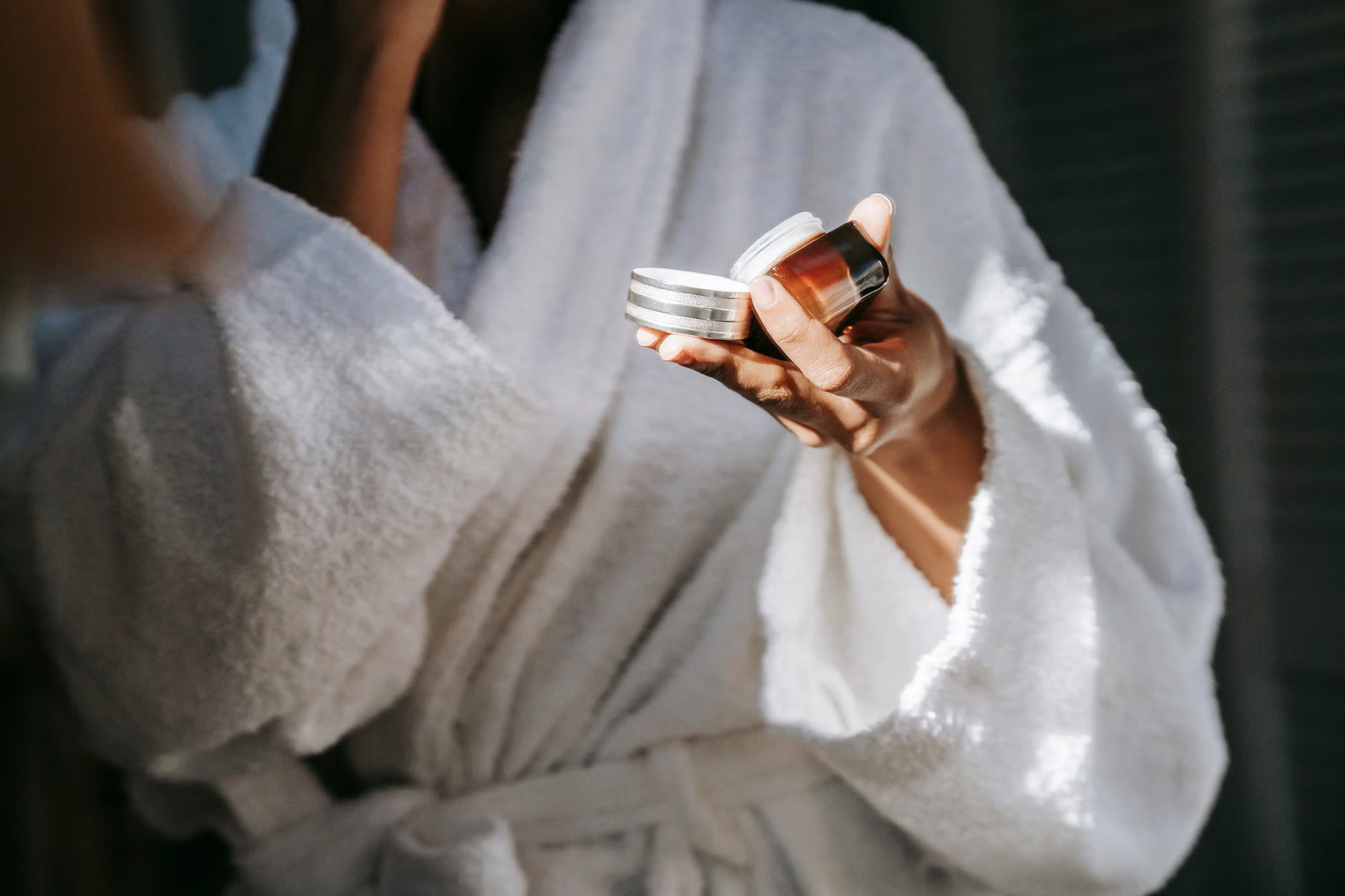
Why Your 40s Demand a Different Approach to Skincare
In your 20s and early 30s, your skin often handled aggressive exfoliation, layering, and “active” overload with relative ease. By the time you hit your 40s, the skin barrier—the outermost layer that keeps moisture in and irritants out—naturally becomes thinner and less resilient. This is often exacerbated by hormonal shifts, cumulative sun exposure, and the sheer fatigue of managing a busy life.
When you layer too many products, you aren’t necessarily “boosting” your skin; you are often creating a cocktail of incompatible ingredients that can lead to micro-inflammation. Research from dermatology forums and skin health studies consistently points to one thing: over-treatment is a leading cause of adult-onset sensitivity.
The Hidden Cost of the ‘Full Routine’
Beyond the financial drain, there is a cognitive load associated with maintaining a complex routine. When you have five different serums claiming to do five different things, you lose the ability to track what is actually working. If your skin flares up, you won’t know if it was the new Vitamin C, the retinol, or the heavy-duty moisturizer. Simplified routines allow for data-driven skincare—where you can clearly see the results of every product you apply.
The Principles of Mindful Consumption
Mindful consumption in the context of beauty means moving away from the “collectible” mindset. It’s about viewing skincare as a functional tool rather than a lifestyle accessory. Here is how you can apply this to your daily life:
| The Old Mindset (Quantity) | The Mindful Mindset (Quality) |
|---|---|
| Buying based on social media hype. | Buying based on ingredient efficacy and skin needs. |
| Layering multiple actives (AHAs, BHAs, Retinol). | Cycling actives to prevent barrier damage. |
| Focusing on “anti-aging” buzzwords. | Focusing on barrier health and hydration. |
| Keeping products until they expire. | Using a product consistently until it is finished. |
The goal is to move toward products that are multi-functional. For example, rather than buying a separate eye cream, neck cream, and face cream, look for a high-quality moisturizer with clinical-grade ingredients that can serve multiple areas. This reduces your environmental footprint and simplifies your morning routine, giving you back precious minutes.
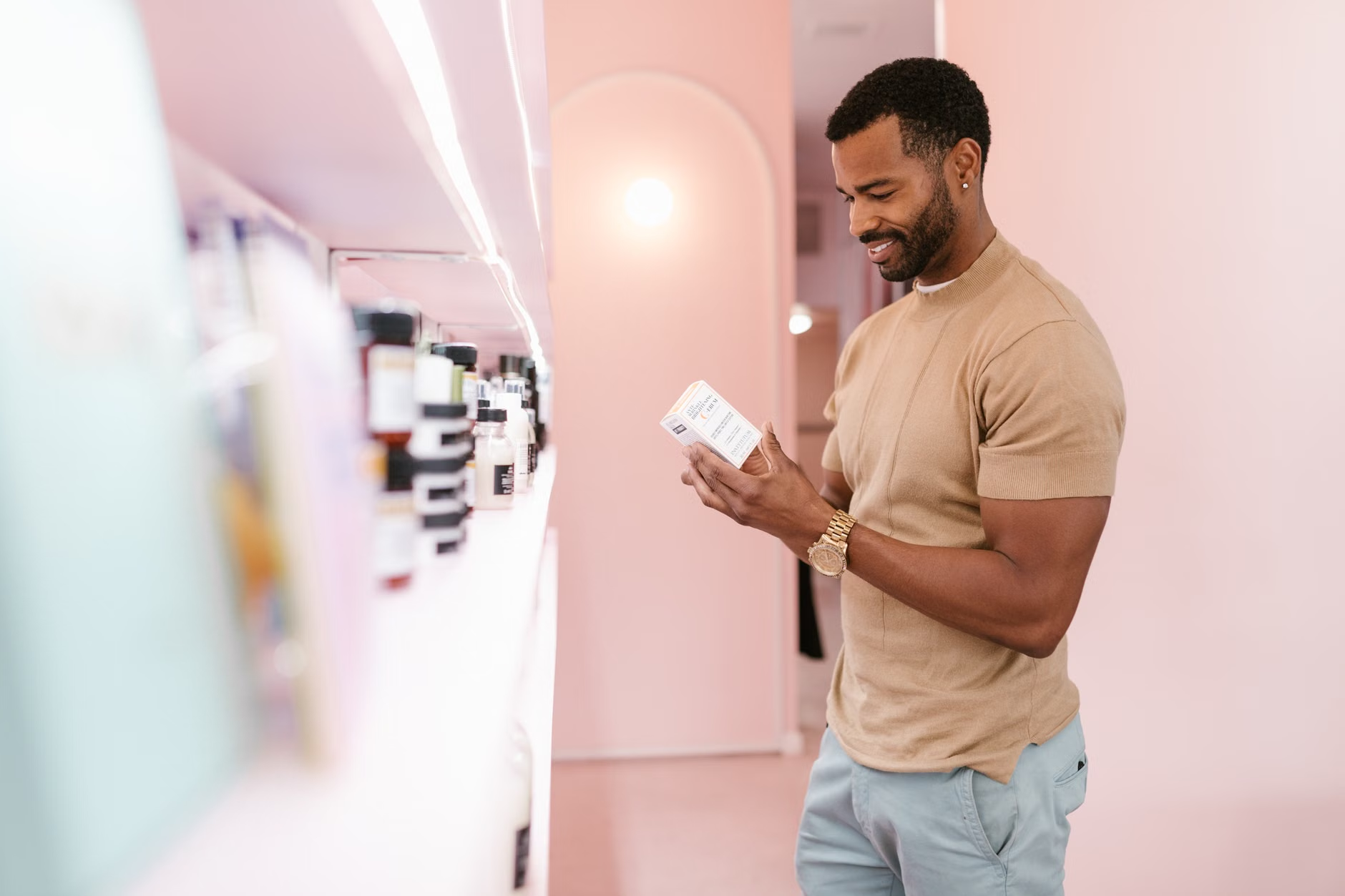
Step-by-Step: How to Audit Your Current Collection
Before you buy anything else, you need to perform a “skincare audit.” This is a weekend project that will save you hundreds of dollars and clear your mental space.
- The Total Dump: Take every single bottle, jar, and tube out of your cabinet. Lay them on a flat surface.
- The Expiration Check: Check the PAO (Period After Opening) symbol on the back of each bottle—it looks like a little jar with a lid open and a number like “6M” or “12M.” If it’s expired, toss it.
- The Usage Test: Be honest with yourself. If you haven’t reached for that “special” treatment mask in six months, you aren’t going to start now. Remove it from your primary routine.
- The Ingredient Overlap: Look at your serums. Do you have three different products with Niacinamide? Do you have two different exfoliants? Pick the one that performs best and commit to finishing it before buying a replacement.
Once you have narrowed your collection down, you will likely find that you are left with the “Core Three”: a gentle cleanser, a targeted treatment (like a retinol or antioxidant serum), and a moisturizer with SPF for the day. This is all most people truly need.
Understanding Active Ingredients and Your Skin Barrier
A common misconception is that “more actives equal faster results.” In reality, your skin has a limited capacity to absorb and utilize ingredients. When you apply a Vitamin C serum, followed by a BHA toner, followed by a Retinol, you are often overwhelming the skin’s pH balance.
In your 40s, focus on skin-identical ingredients—substances that the skin naturally produces, such as ceramides, hyaluronic acid, and squalane. These help repair the barrier rather than stripping it. If you choose to use high-potency actives like Retinoids, do so with a “less is more” philosophy. Use them at night, start with a lower percentage, and buffer them with a simple moisturizer.
The “Cycling” Strategy
Instead of using every product every day, try skin cycling. This is a method that has gained traction among dermatologists because it respects the skin’s recovery time. A typical cycle might look like this:
- Night 1: Exfoliation (to remove dead skin cells).
- Night 2: Retinoid (for cellular turnover).
- Night 3 & 4: Recovery (hydration and barrier repair).
This approach prevents the irritation that often comes with daily active use in your 40s, while still providing all the benefits of the ingredients.
Common Mistakes to Avoid in Your 40s
Even with the best intentions, it is easy to fall into traps that hinder your progress. Avoiding these common mistakes will keep your skin (and your wallet) in a much better place.
- Mistake 1: The “Quick Fix” Trap. We often buy products expecting to see a change in skin texture or lines overnight. Skincare is a long-term investment. If a product doesn’t work after 8-12 weeks, it’s not for you—but don’t switch every two weeks.
- Mistake 2: Ignoring the Neck and Hands. We spend so much time on the face that we forget the areas that often show age the fastest. Apply your leftover serum or moisturizer to your neck and the back of your hands.
- Mistake 3: Skipping Sunscreen on Cloudy Days. UV rays are the primary driver of skin aging. A high-quality, broad-spectrum SPF 30 or higher is the single most important “luxury” product you can own. Everything else is secondary.
The Future of Your Beauty Routine
As you move forward, consider the environmental impact of your choices. Mindful consumption isn’t just about your personal space; it’s about the planet. Opt for brands that offer refillable packaging or those that prioritize minimal, recyclable materials. When you buy less, you can afford to buy better—investing in brands that have high-quality sourcing and ethical labor practices.
Remember, the goal of a skincare routine in your 40s is not to look 20 again. The goal is to have the healthiest, most resilient skin possible for your current age. When you stop chasing impossible standards and start listening to what your skin actually asks for, you’ll find that the “luxury” of your routine is no longer about the price tag of the bottle, but the time and energy you’ve reclaimed for yourself.
Start today by auditing your shelf. You’ll be surprised at how much lighter you feel once the clutter is gone.
Frequently Asked Questions
Q: How do I know if a product is actually working for me?
A: Focus on the “baseline.” If your skin feels hydrated, isn’t breaking out, and doesn’t feel tight or itchy, the product is doing its job. Significant changes in texture or pigmentation usually require 3 months of consistent use. If you don’t see a change by then, it’s likely time to move on.
Q: Does “mindful consumption” mean I have to buy expensive, high-end brands?
A: Not at all. Mindful consumption is about intentionality, not price. Many drugstore brands offer excellent, science-backed formulations that are just as effective as luxury brands. The key is to look at the ingredient list, not the price tag or the aesthetic of the packaging.
Q: What if I have specific skin concerns like rosacea or deep hyperpigmentation?
A: While a simplified routine is great for general health, specific medical conditions benefit from professional guidance. If you have a persistent issue, see a dermatologist first. They can help you identify which “active” is necessary for your specific condition, allowing you to skip the trial-and-error phase of buying random products.
For further reading on skin health and evidence-based dermatology, you can visit the American Academy of Dermatology’s patient resource page or explore the Skin Cancer Foundation for guidance on sun safety and ingredient efficacy.