Key Takeaways
- Educational farms in East Asia prioritize “hands-on” learning, moving beyond passive sightseeing to allow children to participate in harvesting, cooking, and traditional crafts.
- The best time to visit is during seasonal transitions (planting or harvest), which offer the most immersive cultural and agricultural experiences compared to off-peak months.
- Planning matters: Unlike standard tourist attractions, these farms often require advance booking for workshops, and many operate on specific agricultural schedules that change annually.
If you have ever spent a vacation dragging your children through crowded museums or city malls, you know that “family travel” often feels more like a logistics exercise than a holiday. If you are looking for an alternative, East Asia’s growing network of “Educational-Farm” circuits offers a breath of fresh air—literally. These are not just petting zoos; they are integrated agricultural ecosystems where families can spend a day, or even a week, living the rhythm of local food production.
In countries like Japan, South Korea, and Taiwan, the “Educational Farm” (often called shokuiku farms in Japan or “leisure farms” in Taiwan) has become a sophisticated pillar of domestic tourism. For parents in their 30s and 40s, these circuits provide a rare opportunity to disconnect from screens and reconnect with the source of our food. But how do you navigate these, and which ones are actually worth the effort for an international traveler?
Beyond the Petting Zoo: What Defines a Quality Educational Farm?
Not all farms are created equal. When researching potential stops for your next trip, you will encounter two types of facilities: the “commercial attraction” farm and the “community-based” educational farm. The commercial type often feels like an amusement park that happens to have a few goats. The educational type, however, is integrated into the local agricultural economy.
A high-quality educational farm is defined by its participation threshold. You are looking for venues that offer structured programs—rice planting, tea picking, seasonal fruit harvesting, or traditional fermentation workshops. If the website only mentions “viewing” or “feeding,” it is likely a tourist trap. You want a place that teaches the “why” and “how” behind the food.
For parents, this distinction is critical because it dictates the level of engagement your children will have. A child who merely watches a cow being milked will be bored in ten minutes. A child who learns how to process that milk into cheese or butter is occupied for hours and gains a tangible sense of accomplishment. When filtering your options, look for farms that collaborate with local schools or agricultural cooperatives; these are almost always more authentic and better managed.
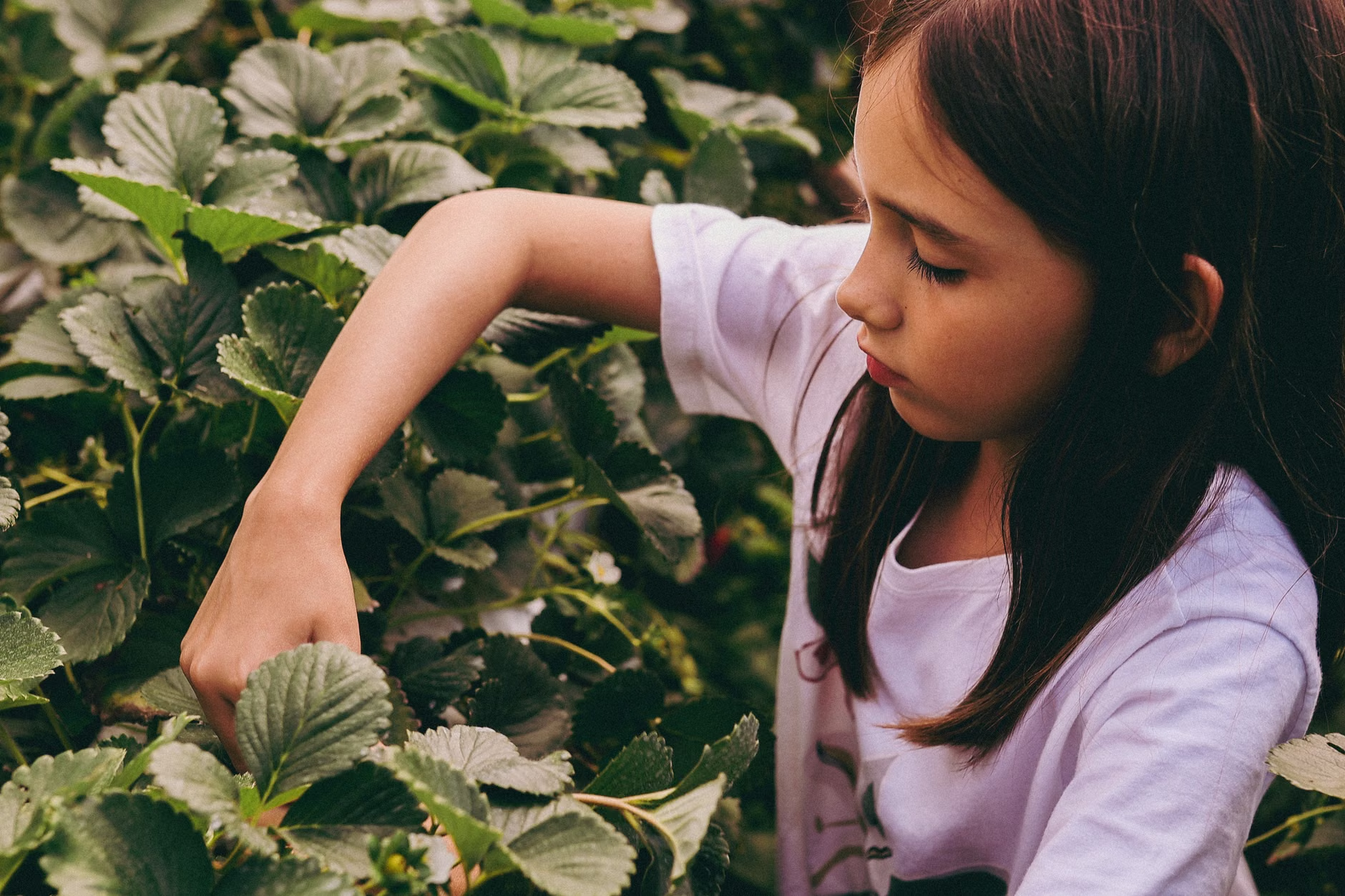
The geography of these farms is usually dictated by the regional climate. In East Asia, you should categorize your destination by its core agricultural product. This helps you narrow down the “what” and “when.”
| Region | Core Specialty | Best Season | Experience Level |
|---|---|---|---|
| Japan (Nagano/Hokkaido) | Buckwheat, Apples, Dairy | Autumn | High (Technical) |
| South Korea (Gyeonggi/Gangwon) | Kimchi, Ginseng, Grapes | Late Summer/Autumn | Medium (Cultural) |
| Taiwan (Miaoli/Yilan) | Tea, Tropical Fruits, Herbs | Spring/Early Summer | High (Interactive) |
Understanding these regional specialties allows you to plan your trip around the harvest cycle. For instance, if you visit the tea plantations in Taiwan during the spring, you are not just walking through rows of bushes; you are actively participating in the tea-leaf plucking and roasting process. This is a far more profound experience than visiting a tea shop in the city.
The Hidden Costs and Logistics of Farm Stays
A common mistake international travelers make is assuming that “rural” means “cheap.” While the entry fee to a farm might be low, the logistical costs—transportation, accommodation, and guided workshop fees—can accumulate quickly. Many of these farms are located in areas with limited public transportation.
If you are traveling as a family, renting a car is almost always necessary. While Japan and Taiwan have excellent train systems, the “last mile” to an educational farm often involves a steep hike or a long wait for a local bus. Factor in the cost of a rental car and perhaps a pocket Wi-Fi device to navigate rural roads, as GPS accuracy in remote areas can be inconsistent.
Another “hidden” factor is the language barrier. Many of these farms are community-run and may not have English-speaking staff. This is not necessarily a negative—it can be a great way to practice non-verbal communication—but it does mean you should come prepared. Download translation apps that support offline use and consider reaching out to the farm via email (using a translator) to ask if they can accommodate international visitors for specific workshops. Most are incredibly welcoming, but they need to know you are coming to prepare the necessary materials.
Designing a Meaningful Itinerary: The “Three-Day” Rule
When balancing parenting and travel, don’t try to cram too much into one day. A common error is attempting to visit two different farms in a single day. This is a recipe for exhaustion. Instead, adopt the “Three-Day Rule.”
Day one should be arrival and settling into your rural accommodation (many educational farms offer on-site guesthouses or partner with local homestays). Day two is your “deep dive” day—this is when you schedule the intensive workshops, such as a full-day rice harvesting class or a multi-course cooking session. Day three is for exploration of the surrounding area, visiting local markets or nearby nature trails, before heading back to the city.
This rhythm allows the children to get comfortable with the environment. If you rush, they will feel the pressure of the itinerary. If you stay for three days, they become “regulars” at the farm, often leading to more spontaneous interactions with the farmers and other local families. This is where the magic happens—not in the scheduled tours, but in the quiet moments of helping wash vegetables or sitting on the porch of the farmhouse.
Common Misconceptions About Rural Life
There is a romanticized view of farming that often leads to disappointment. Many parents expect a pristine, picturesque landscape, but real farms are messy, muddy, and work-intensive. You will encounter insects, you will get dirty, and the weather might not cooperate. This is part of the education.
Don’t try to “sanitize” the experience. If it rains, embrace it—farming is largely about working with the weather, not against it. Use these moments to talk to your children about how food production is vulnerable to climate and conditions. This is a much more valuable lesson than a sunny, perfect photo opportunity.
Also, avoid the trap of thinking that you must buy souvenirs. The best “souvenir” from an educational farm is the knowledge of how to make a simple dish or the memory of the work you did together. If you want to bring something home, focus on seeds (check local customs regulations first!) or simple handmade tools that you used during your stay. These items will remind your children of the experience far longer than a mass-produced keychain from a gift shop.
Step-by-Step: How to Book Your First Farm Experience
If you are ready to book, follow this workflow to ensure you aren’t just showing up to a closed gate:
- Identify the Region: Use regional tourism board websites (e.g., JNTO for Japan, KTO for South Korea, Tourism Bureau of Taiwan). Look for the “Agritourism” or “Leisure Farm” sections.
- Verify the Calendar: Cross-reference the farm’s operating hours with the local agricultural calendar. Is it planting season? Harvest season? If you go during a fallow period, the experience will be significantly less interactive.
- Direct Communication: Look for a “Contact” or “Reservation” form on their official website. If one doesn’t exist, search for their social media pages (Facebook and Instagram are heavily used by these farms in East Asia). Send a polite inquiry in simple English, asking if they have experience with international guests.
- Plan the Logistics: Once you have a date, map the route from your nearest transit hub. If it’s more than 20 minutes by taxi, look for local car rental options.
- Pack Accordingly: Bring boots, weather-appropriate clothing, and a change of clothes for the children. Most farms will provide aprons, but it’s always better to have your own gear.
Refining the Experience: A Note on Cultural Sensitivity
Remember that you are visiting a working space, not a theme park. Respect the farmers’ time and the land. In many rural communities in East Asia, there is a strong emphasis on the “spirit” of the land. Avoid loud behavior, don’t wander into areas marked as “staff only,” and always ask before taking photos of the farmers or other families. A simple, polite gesture—like bringing a small, non-perishable gift from your home country—is often highly appreciated and can open doors to more authentic experiences.
The goal is to move from being a “consumer” of travel to a “participant.” By choosing to engage with the agricultural life of the region, you are providing your children with a perspective that is increasingly rare in our digital age: the understanding that our lives are fundamentally connected to the soil.
Closing Thoughts for the Modern Parent
Traveling to an educational farm is not about checking an item off a bucket list. It is about slowing down the pace of family life and giving your children the chance to touch, smell, and taste the reality of food production. It is a messy, unpredictable, and entirely rewarding way to spend a holiday.
Start small. Don’t feel the need to plan a two-week farm circuit. A two-day excursion to a well-regarded farm can be enough to leave a lasting impression on a child. Prioritize the *activity* over the *destination*. Choose the farm that offers the most direct participation, even if it’s not the most famous one in the guidebook. Your children will not remember the luxury of the hotel; they will remember the mud on their boots and the taste of the strawberry they picked themselves.
Frequently Asked Questions
Q: Do these farms provide accommodation, or should I book a hotel nearby?
A: It varies. Many “leisure farms” in Taiwan and Japan have on-site guesthouses. In South Korea, it is common to stay in a nearby “Pension” or a local guesthouse. Always check the farm’s website or email them directly to ask about on-site stay options, as this is the best way to experience the morning and evening routines of the farm.
Q: What if my children are very young (under 5)?
A: Most educational farms are very family-friendly, but some activities (like operating heavy machinery or using sharp harvesting tools) will have age restrictions. Focus on activities like animal feeding, simple fruit picking, or craft workshops. Always mention the ages of your children when booking so the farm can prepare appropriately.
Q: Is it possible to visit these farms without knowing the local language?
A: Yes, it is possible, but it requires more preparation. Use Google Translate or similar tools to draft a simple introduction of your family and your interests. Most farmers are very patient and appreciate the effort. If you are very worried, some high-end educational farms in Japan and Taiwan do offer English-language guided tours, though these are often more expensive and less “authentic” than the local-run workshops.