- Prioritize Metabolic Health: In your 40s, focus on muscle mass and glucose stability rather than just weight loss to ensure long-term vitality.
- The “Time-Budgeting” Framework: Treat health maintenance like a non-negotiable financial investment; small, consistent daily habits (15-20 minutes) outperform sporadic weekend “catch-up” workouts.
- Strategic Recovery: Sleep and stress management are not passive activities; they are active biological requirements that directly dictate your cognitive and physical performance as a parent.
If you are in your late 40s, you have likely noticed that the rules of the game have shifted. The “quick fixes” that worked in your 20s—skipping a meal to drop a pound or pulling an all-nighter for a deadline—now result in a three-day recovery period. The transition into your late 40s isn’t just about aging; it is about moving from a phase of high-output, low-maintenance living to a phase of high-output, strategic maintenance.
This is the “Longevity-Lifestyle” shift. It is not about biohacking your way to immortality or spending thousands on unproven supplements. It is about optimizing your biological systems so that you are not just surviving the demands of parenting and career, but thriving in a way that preserves your health span—the number of years you live in good health—for the long haul.
Understanding the Biological Pivot in Your 40s
Biologically, your 40s represent a critical juncture. Your metabolism begins to shift, muscle mass naturally declines (a process known as sarcopenia), and the cumulative effects of decades of stress, poor posture, and inconsistent sleep start to manifest. For parents, this is compounded by the “sandwich” effect: managing growing children and potentially aging parents, all while maintaining career momentum.
The most common mistake is viewing health as a “project” to be completed—a diet to follow for 30 days or a marathon to train for. Instead, view your 40s as the time to build a robust “biological infrastructure.” This means focusing on three pillars: Muscle Maintenance, Metabolic Flexibility, and Cognitive Resilience.
Muscle as Your Metabolic Insurance
If there is one non-negotiable for anyone over 40, it is resistance training. Muscle is not just about aesthetics; it is your primary engine for glucose disposal and a key protector of bone density. As we age, we lose roughly 3% to 5% of our muscle mass per decade after the age of 30, and that rate accelerates in our 40s if we are sedentary.
What it looks like in real life: You don’t need a gym membership to start. The goal is “mechanical tension.” Using resistance bands, bodyweight exercises like squats, lunges, and push-ups, or kettlebells for 20 minutes, three times a week, is more effective than an hour of cardio if your goal is longevity. The focus should be on progressive overload—making the movements slightly more challenging over time.

The Time-Budgeting Framework for Parents
The biggest barrier for parents is the perception that health requires hours of free time. This is a false dichotomy. If you have 15 minutes, you have enough time to improve your physiology. The secret is “habit stacking” and “micro-dosing” movement.
| Activity | Implementation Strategy | Longevity Benefit |
|---|---|---|
| Morning Mobility | 5-min stretching while coffee brews | Joint health & injury prevention |
| Glucose Control | 10-min walk after lunch/dinner | Blood sugar stabilization |
| Resistance Training | 20-min HIIT or strength, 3x/week | Muscle mass & bone density |
By breaking these down, you stop viewing health as a task that requires a “block” of time you don’t have. Instead, you integrate it into the existing structure of your day. The common mistake is trying to do everything at once. Start with one, master it for two weeks, then add the next.
Nutritional Strategy: Moving Beyond Calorie Counting
In your 40s, the quality of your fuel matters more than the quantity. This is the decade where insulin sensitivity often begins to drop. If you are constantly spiking your blood sugar with high-glycemic foods, you are essentially accelerating biological aging. You don’t need a restrictive diet; you need metabolic flexibility—the ability for your body to efficiently switch between burning sugar and burning fat.
The “Protein-First” Rule: Aim for 1.2 to 1.6 grams of protein per kilogram of body weight. Most people in their 40s are significantly under-consuming protein, which contributes to muscle loss and fatigue. A simple heuristic is to ensure every meal contains a palm-sized portion of high-quality protein (chicken, fish, legumes, tofu, or lean beef).

Another overlooked variable is fiber intake. Most of us are getting half the recommended 30g per day. Fiber is not just for digestion; it slows the absorption of glucose and feeds the gut microbiome, which is increasingly linked to cognitive health and immune function. If you struggle to get enough, focus on adding one extra vegetable or a serving of berries to your breakfast.
The Hidden Cost of “Always-On” Parenting
Chronic stress is the silent thief of longevity. When you are in a state of high cortisol—common in parents managing school runs, work deadlines, and household logistics—your body prioritizes immediate survival over long-term repair. This leads to poor sleep, weakened immunity, and systemic inflammation.
The remedy isn’t necessarily “more vacation.” It is the intentional application of recovery. This means creating a “digital sunset” where screens are off 60 minutes before bed, keeping the bedroom cool (around 18°C or 65°F), and practicing a 5-minute “brain dump” where you write down tomorrow’s to-do list before you sleep. This prevents the “racing mind” phenomenon that plagues many high-functioning parents.
If you find yourself constantly feeling “wired but tired,” this is a physiological signal that your autonomic nervous system is stuck in sympathetic (fight-or-flight) mode. You need to force it into a parasympathetic (rest-and-digest) state. This can be achieved through box breathing (inhale 4s, hold 4s, exhale 4s, hold 4s) or simply spending time in nature without a podcast or phone in your hand.
Evaluating Your Health Data: The Role of Wearables
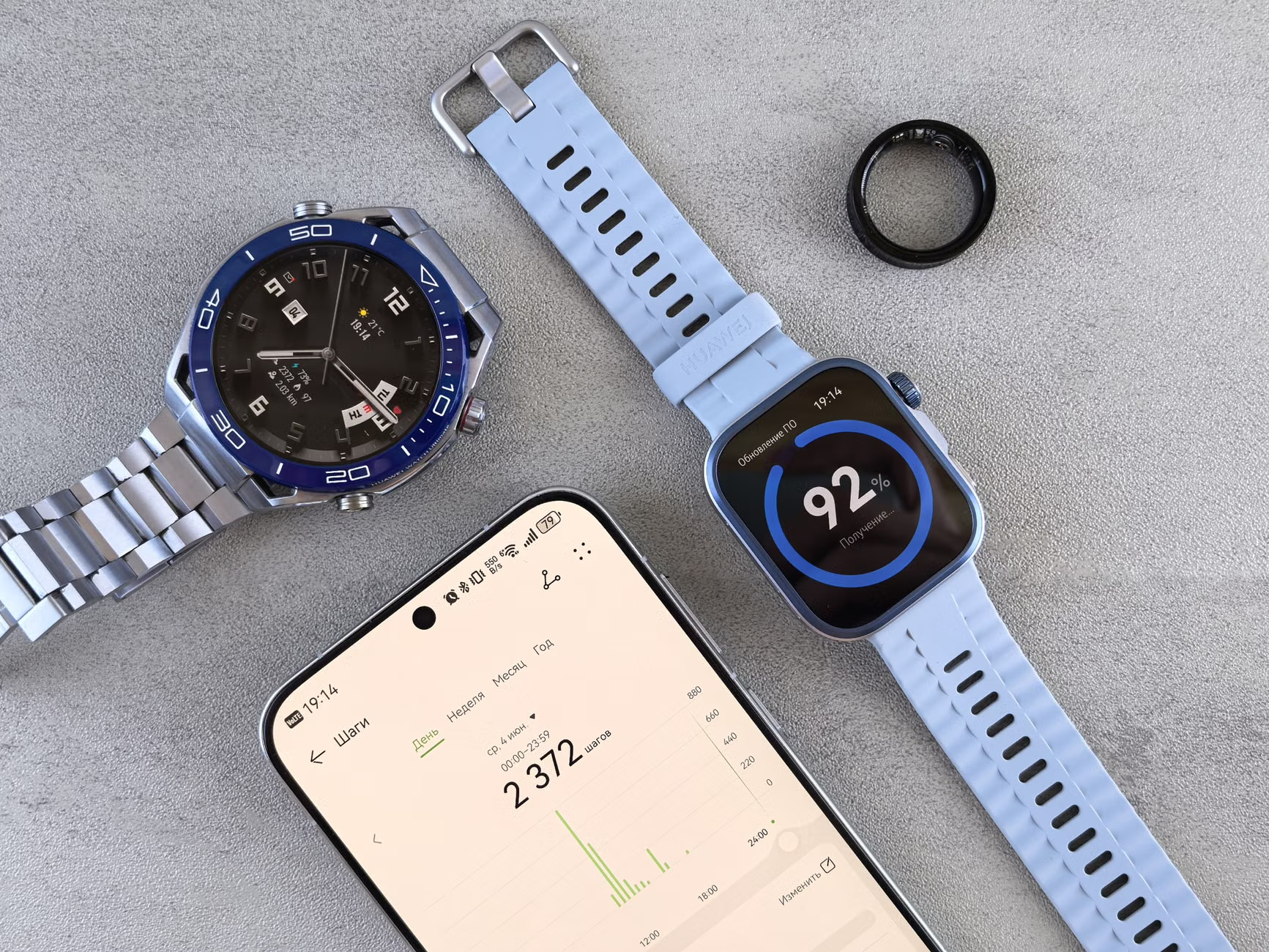
We live in an era where we have access to more biometric data than ever. Wearables that track Heart Rate Variability (HRV), sleep stages, and resting heart rate can be incredibly useful, but only if you know what to look for. The trap is becoming obsessed with the numbers and letting them induce anxiety—which is counterproductive to longevity.
Use your data as a feedback loop, not a report card. If your HRV (a measure of your nervous system’s resilience) is consistently low, don’t ignore it. It is telling you that your body is struggling to recover from the stress you are placing on it. Use that as a decision rule: if HRV is low, prioritize sleep and light movement over an intense workout. This is how you optimize for the long term.
Actionable Steps for the Next 30 Days
You don’t need to change your entire life overnight. To implement the “Longevity-Lifestyle,” follow this 30-day progression:
- Week 1: Focus exclusively on sleep hygiene. Aim for a consistent bedtime and remove screens one hour before sleep.
- Week 2: Introduce one “protein-first” meal per day. Ensure you hit your protein target for breakfast or lunch.
- Week 3: Start a 15-minute, 3x-a-week home resistance training routine. Focus on form, not weight.
- Week 4: Introduce a 10-minute post-meal walk after your largest meal of the day to assist with glucose regulation.
By the end of the month, these behaviors will start to feel like default settings. The goal is to build a lifestyle that supports you, not one that requires constant willpower to maintain. If you miss a day, don’t beat yourself up; just get back to the routine the next day. The “all-or-nothing” mentality is the enemy of longevity.
Addressing Common Misconceptions
There is a lot of noise in the health space. Let’s clear up a few common misconceptions that often lead parents astray:
- “I don’t have the genetics for long life”: While genetics play a role, they are not destiny. Epigenetics—how your environment and habits influence gene expression—is vastly more important. You have significant control over how your genes manifest through your daily choices.
- “Supplements are the key”: No supplement can fix a poor diet, lack of sleep, or a sedentary lifestyle. Supplements are meant to supplement a solid foundation. If your basics are not in place, you are just creating expensive urine.
- “Cardio is better than strength training for heart health”: Both are essential. While cardio is vital for aerobic capacity, strength training is essential for metabolic health, which is a major driver of cardiovascular health. You need both.
The Long-Term Perspective
The shift to a longevity-focused lifestyle is a profound act of self-care, but it is also an act of care for your family. By managing your health now, you are reducing the likelihood of becoming a burden on your children later. You are giving yourself the capacity to be present, active, and capable for decades to come.
Remember that this is a marathon, not a sprint. Your 40s are arguably the most important decade for setting the trajectory of your health for your 60s, 70s, and beyond. Focus on the inputs you can control, stay consistent, and be patient with the process. The results will not be immediate, but they will be transformative.
Frequently Asked Questions
1. How do I know if my exercise intensity is appropriate for my age?
A reliable, non-technical way to gauge intensity is the “talk test.” During moderate exercise, you should be able to hold a conversation but not sing. During vigorous exercise, you should only be able to say a few words at a time. If you are starting from scratch, begin with moderate intensity and prioritize consistency over intensity for the first 8 weeks to avoid injury.
2. Is it too late to start resistance training in my late 40s?
It is absolutely not too late. Studies show that even in your 70s and 80s, the body responds to resistance training by building muscle and improving strength. The sooner you start, the more “biological buffer” you build, but starting at any age provides immediate benefits for metabolic health and functional longevity.
3. How can I balance a demanding career and parenting with these health habits?
The key is to move away from “all-or-nothing” thinking. If you cannot get to the gym for 60 minutes, do a 15-minute bodyweight circuit at home. If you cannot cook a complex meal, keep healthy, pre-prepped options like canned legumes, frozen vegetables, and pre-cooked proteins on hand. Longevity is about the average of your habits over years, not the perfection of your habits on a single day.
Official Resources for Further Reading: