The most important thing to understand about the future of residential costs is that water is moving from a “utility-as-a-service” model to a “scarce-resource-management” model, which will lead to tiered pricing structures that punish high-usage households regardless of income.
- Water rights are increasingly being severed from land ownership in many regions, meaning you may own the house but not the guaranteed access to the water flowing through it.
- Utility providers are shifting toward “volumetric scarcity pricing,” where the cost per gallon increases exponentially as your usage hits certain thresholds.
- Proactive investment in low-flow technology and greywater systems is no longer just “green” activism; it is a direct hedge against rising property-linked utility costs.
If you have spent any time looking at your utility bills over the last three years, you have likely noticed that while electricity prices fluctuate based on fuel markets, water prices seem to be on a one-way street: up. We are living in an era where the historical assumption that water is an infinite, cheap commodity is colliding with the reality of aging infrastructure and shifting climate patterns. For those of us in our 30s and 40s—the prime years for mortgage payments and raising children—this isn’t just an environmental issue; it is a looming line item in your monthly budget that is currently being underestimated.
The Shift from Utility to Asset: Understanding Water Rights
Historically, when you bought a home, you bought the land and the rights to the water associated with it. However, in many parts of the world, we are seeing a legal decoupling of these two. In regions experiencing water stress—from the American Southwest to parts of Southern Europe and Australia—local governments are tightening the grip on “water rights.”
What does this mean for you? It means that the water coming out of your tap is increasingly subject to regional “water budgeting.” If a municipality faces a drought, they are no longer just asking for voluntary conservation; they are implementing mandatory tiered pricing. In some jurisdictions, this is manifesting as “water allocation” per household. If your family exceeds your allocation, you aren’t just paying more; you are paying a penalty rate that can be four to five times the standard cost.
Think of it like a mobile phone data plan. You used to have “unlimited” water for a flat fee. Now, you are moving toward a plan where the first 5,000 gallons are affordable, but the next 5,000 gallons are billed at a premium, and anything over 10,000 gallons is charged at a “scarcity rate.” For a family of four, hitting those higher tiers is incredibly easy during the summer months, especially if you have a lawn or a pool.

Why Infrastructure Costs Are Being Pushed to the Consumer
The second factor driving up your costs is the “hidden” infrastructure tax. Most municipal water systems were built 50 to 70 years ago. These pipes are reaching the end of their design life. In the past, these upgrades were funded by federal grants or long-term municipal bonds that were paid off over decades. Today, many local governments are shifting that burden directly to the ratepayer through “infrastructure surcharges” or “system development fees.”
When you look at your bill, you might see a “Fixed Service Charge” that has nothing to do with how much water you use. This is the cost of maintaining the pipes that bring water to your door. Because the cost of labor and materials to fix these aging systems has skyrocketed, that fixed fee is often the fastest-growing part of the bill. It is, effectively, a tax on property ownership that you have no control over.
Consider this hypothetical scenario: A family of four in a moderate climate sees their monthly bill go from $60 to $120 over five years. When they analyze the bill, they realize only $20 of that increase is due to actual usage. The other $40 is a combination of inflation-adjusted infrastructure fees and a “drought surcharge” added by the local council. This is the new normal. You are now paying for the system’s resilience, not just the water you drink.
The Financial Impact on Your Property Value
There is a growing correlation between water efficiency and property value that hasn’t fully hit the mainstream real estate market yet, but it’s coming. Just as “energy efficiency” (like solar panels or better insulation) became a selling point for homes in the 2010s, “water-wise” infrastructure is becoming a critical component of property valuation.
If you are looking at your home as a long-term asset, you need to consider how your property handles water. A home with a high-maintenance, water-hungry landscape in an area with rising water costs is becoming a liability. Prospective buyers in the future will look at those “average utility costs” as a primary filtering criterion. A home that requires $300 a month in water just to keep the grass green will be significantly less attractive than a home that has been retrofitted for xeriscaping or greywater recycling.
This is where the “30s and 40s” demographic needs to pivot. We are often focused on aesthetic renovations—kitchens, bathrooms, decks. But if you have $20,000 to invest in your home, putting that money into a high-efficiency plumbing system, a smart irrigation controller, or a landscape redesign might actually offer a better return on investment (ROI) in the form of lower long-term overhead and higher resale appeal.
Practical Steps to Hedge Against Rising Costs
You cannot change the municipal policy, but you can change your household’s exposure to it. Here is how you can build a financial hedge against the rising cost of water.
1. Audit Your “Invisible” Usage
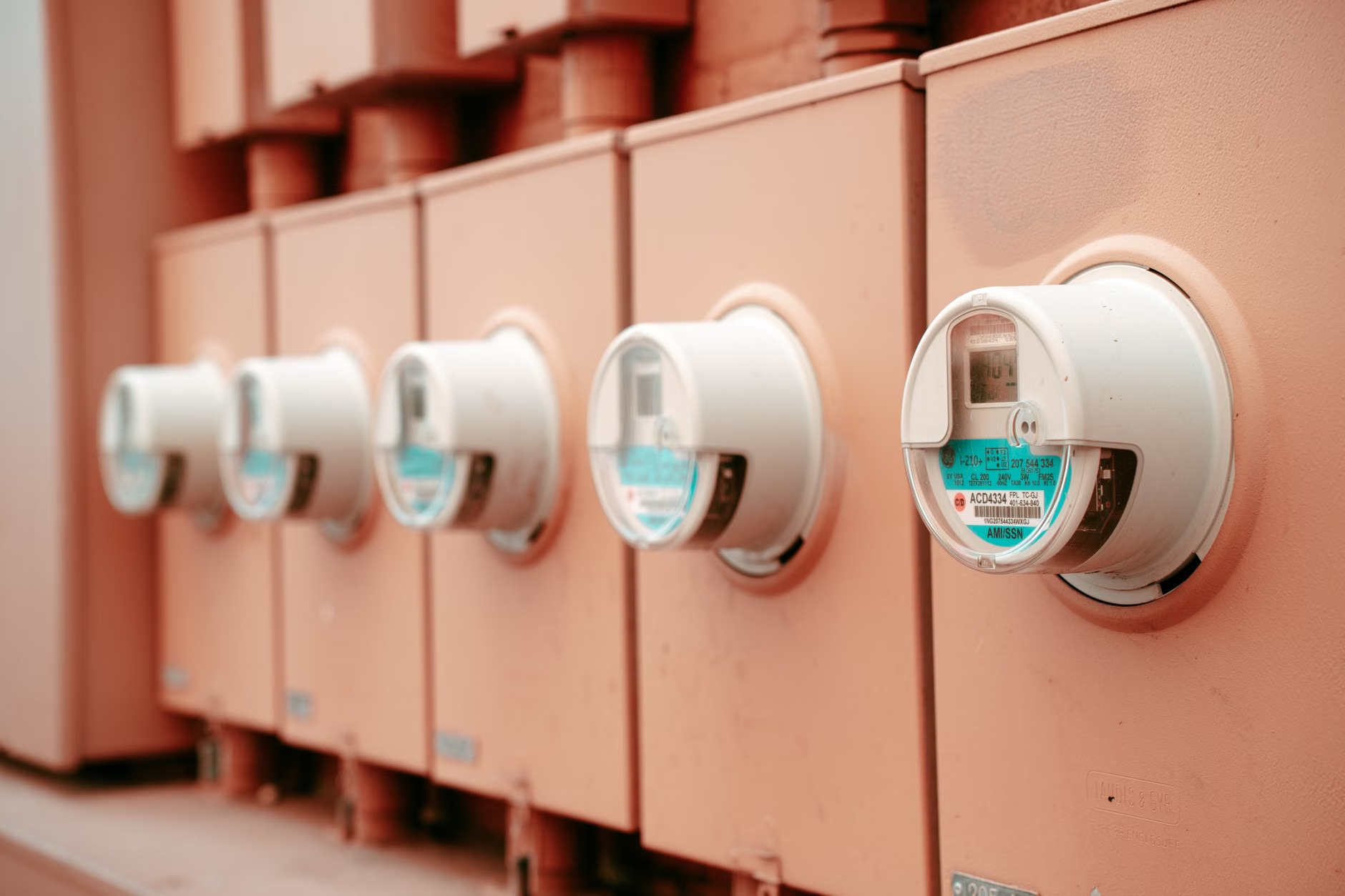
Most households have no idea where their water goes. A simple way to track this is to check your water meter at night when no one is using water, and check it again in the morning. If it has moved, you have a leak. A running toilet can waste up to 200 gallons a day—that is 6,000 gallons a month that you are paying for but not using.
2. Implement Tier-Aware Technology
If your utility company uses tiered pricing, you need a “budgeting” mindset. Look for smart water monitors that attach to your main line and send alerts to your smartphone when your usage spikes. Some of these devices can even tell you which fixture is using the most water, allowing you to fix a leak before it hits your next bill.
3. Transition to Water-Wise Landscaping
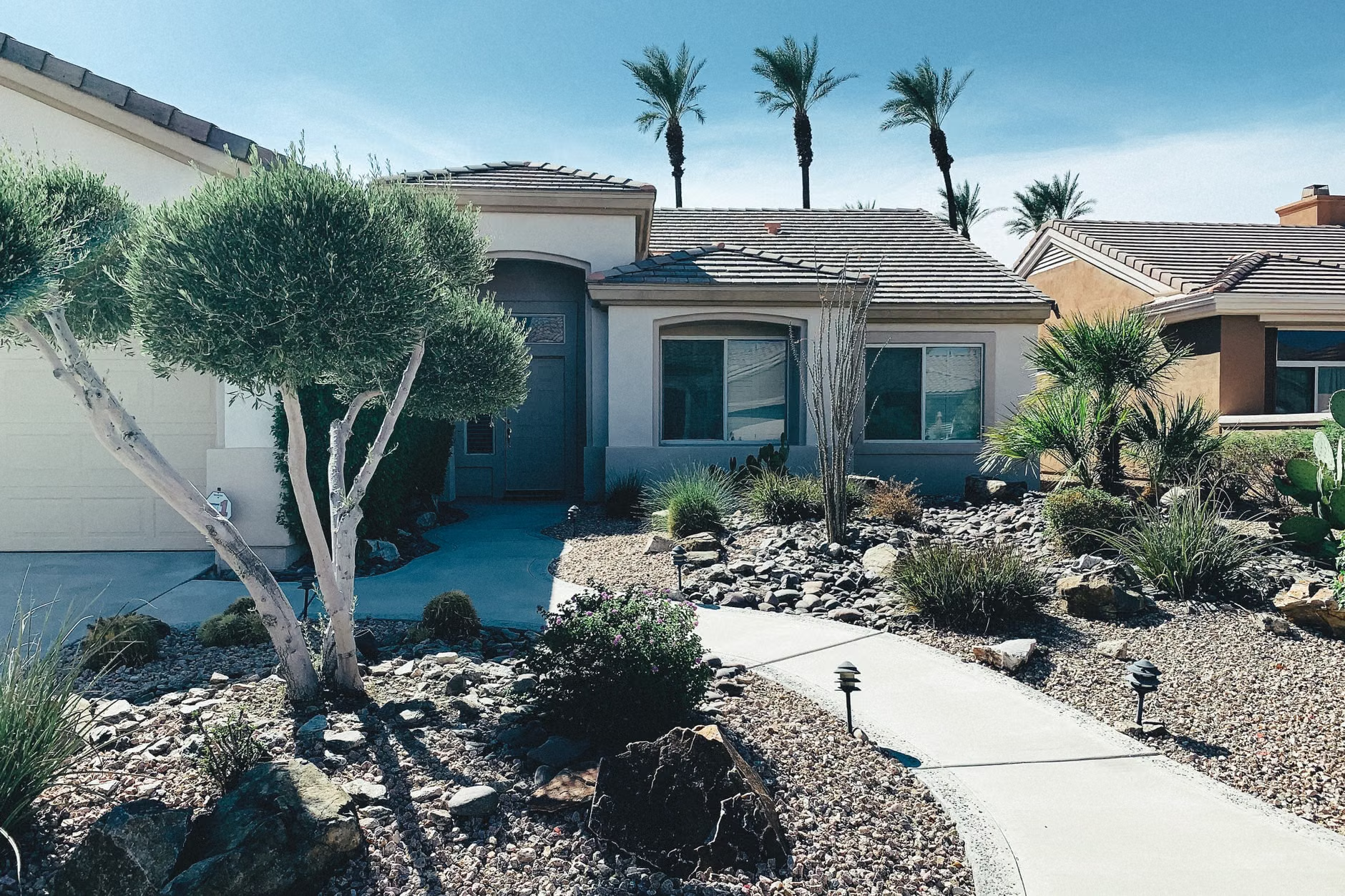
The single biggest water consumer in most residential properties is the outdoors. If you live in an area prone to drought, consider replacing high-water-need grass with native, drought-resistant plants. This is not about having a “brown” yard; it is about choosing plants that thrive in your climate. This move can reduce your outdoor water usage by 50% to 70%.
| Strategy | Initial Cost | Long-Term Impact | Best For |
|---|---|---|---|
| Low-flow fixtures | Low ($100-$300) | Moderate savings | Immediate, DIY-friendly |
| Smart irrigation | Moderate ($500-$1,000) | High savings (outdoor) | Homes with lawns/gardens |
| Greywater system | High ($2,000+) | Very high (long-term) | Renovations/New builds |
The table above highlights that while some solutions require a higher upfront investment, the ROI is realized through the avoidance of those “scarcity-tier” penalties that hit during the peak summer months. If you live in a region with high water costs, the smart irrigation system often pays for itself within two to three seasons.
Understanding the “Hidden” Trade-offs
A common mistake people make is buying the cheapest “water-saving” device without considering the maintenance cycle. For example, some low-flow showerheads can significantly reduce pressure, which makes the shower less effective. If you or your family members end up taking longer showers because the water flow is poor, you aren’t actually saving any water. You are just making the experience worse. Always look for “High-Efficiency/High-Performance” labels rather than just “Low-Flow.”
Another overlooked variable is local rebates. Many municipalities are so desperate to reduce water usage that they offer significant rebates for replacing old toilets, washing machines, or installing drought-resistant landscaping. Before you spend a dime, check your local utility provider’s website. You might find that they will pay for 50% of the cost of a new, high-efficiency appliance.
The Future Landscape: Why You Should Start Now
We are currently in a transition phase. For the last 50 years, water was a “set it and forget it” utility. For the next 50 years, it will be a managed asset. Families who recognize this shift now will have a significant financial advantage over those who wait until the costs become untenable. By auditing your usage, investing in smart technology, and aligning your property with your local climate, you are doing more than just saving money; you are insulating your household budget from a very predictable, very expensive trend.
Don’t wait for the next drought to look at your water bill. Treat it with the same level of scrutiny that you treat your mortgage interest rate or your grocery budget. In the long run, the most expensive water is the water you waste, because you are paying for the privilege of throwing it away at premium, scarcity-based prices.
For more information on tracking your local water data, visit EPA WaterSense (for US-based readers) or your local municipal water board’s official portal. These sites often provide the most accurate data on regional water stress and available residential rebates.
Frequently Asked Questions
1. How do I know if my water bill is being affected by “scarcity pricing”?
Look at your bill for a section called “Tiered Rates” or “Conservation Rates.” If the price per gallon (or per 1,000 gallons) increases significantly as you move from Tier 1 to Tier 2 or 3, you are on a scarcity-based plan. If your bill is the same price per gallon regardless of usage, you are on a flat-rate plan, but keep an eye on it—most municipalities are moving toward the tiered model.
2. Is it really worth installing a greywater system, or is that just for extremists?
A greywater system (which reuses water from your showers and laundry for your garden) is a significant investment, but it is becoming increasingly common in regions like California, Arizona, and Australia. It is worth it if you have a large garden that requires regular watering and you live in an area where water costs are high enough that you frequently hit the highest pricing tiers. If you have a small space or low water costs, simple low-flow fixtures are a much better starting point.
3. Does a “water-wise” garden actually lower my property value?
This is a common misconception. In the past, a lush, green lawn was a status symbol. Today, in water-stressed regions, a lawn that requires excessive water is seen as a “maintenance headache” and a “financial drain.” A professionally designed, drought-tolerant landscape is now widely considered an upgrade that signals modern, sustainable living. As long as it is well-maintained and aesthetically pleasing, it will generally support or increase your property value.