The secret to a successful staycation isn’t just taking time off work; it is the deliberate, artificial construction of a “vacation environment” that forces your brain to switch from “manager of the household” to “guest of the house.”
- The “No-Chore” Protocol: You must outsource or completely pause all domestic labor, including laundry and deep cleaning, for the duration of your stay.
- Digital Minimalism: Treat your home internet like a hotel—limit access, turn off work notifications, and curate your digital environment to match your leisure goals.
- Environmental Curation: Change your sensory inputs (lighting, scent, music, and even the layout of your furniture) to signal to your brain that this is not a regular weekend.
If you are in your 30s or 40s, you know the specific exhaustion that comes with the “always-on” lifestyle. Between managing childcare, professional obligations, and the endless cycle of domestic maintenance, the idea of a vacation often feels like just another logistics project. You have to pack, travel, manage airport security, and then deal with the inevitable “post-vacation blues” when you return to a messy house. A staycation is designed to bypass the logistics while delivering the rest. But here is the catch: if you spend your staycation doing the dishes or clearing out the pantry, you haven’t gone on vacation. You have just taken unpaid leave to do housework.
Why Your Brain Needs a “Transition Ritual”
Psychologically, we rely on environmental cues to tell us when it is time to work and when it is time to rest. When you work from home or live in the same space where you parent, those lines blur. To make a staycation feel real, you need a transition ritual. This is a deliberate action that marks the start of your “out-of-office” time.
Think about what happens when you check into a hotel. You walk into a clean, neutral space. The air smells different. The lighting is soft. You are handed a key, and suddenly, the “real world” feels miles away. You can replicate this at home by systematically closing down your “home office” or “parenting command center.”
Start by physically putting away the laptop and burying the work bag in a closet. Then, change the lighting. If you usually have bright overhead lights, switch to floor lamps or warm-toned bulbs. Use a dedicated scent—perhaps a specific candle or essential oil—that you only use during vacations. This sensory association will help your brain recognize that the “vacation mode” has been activated.
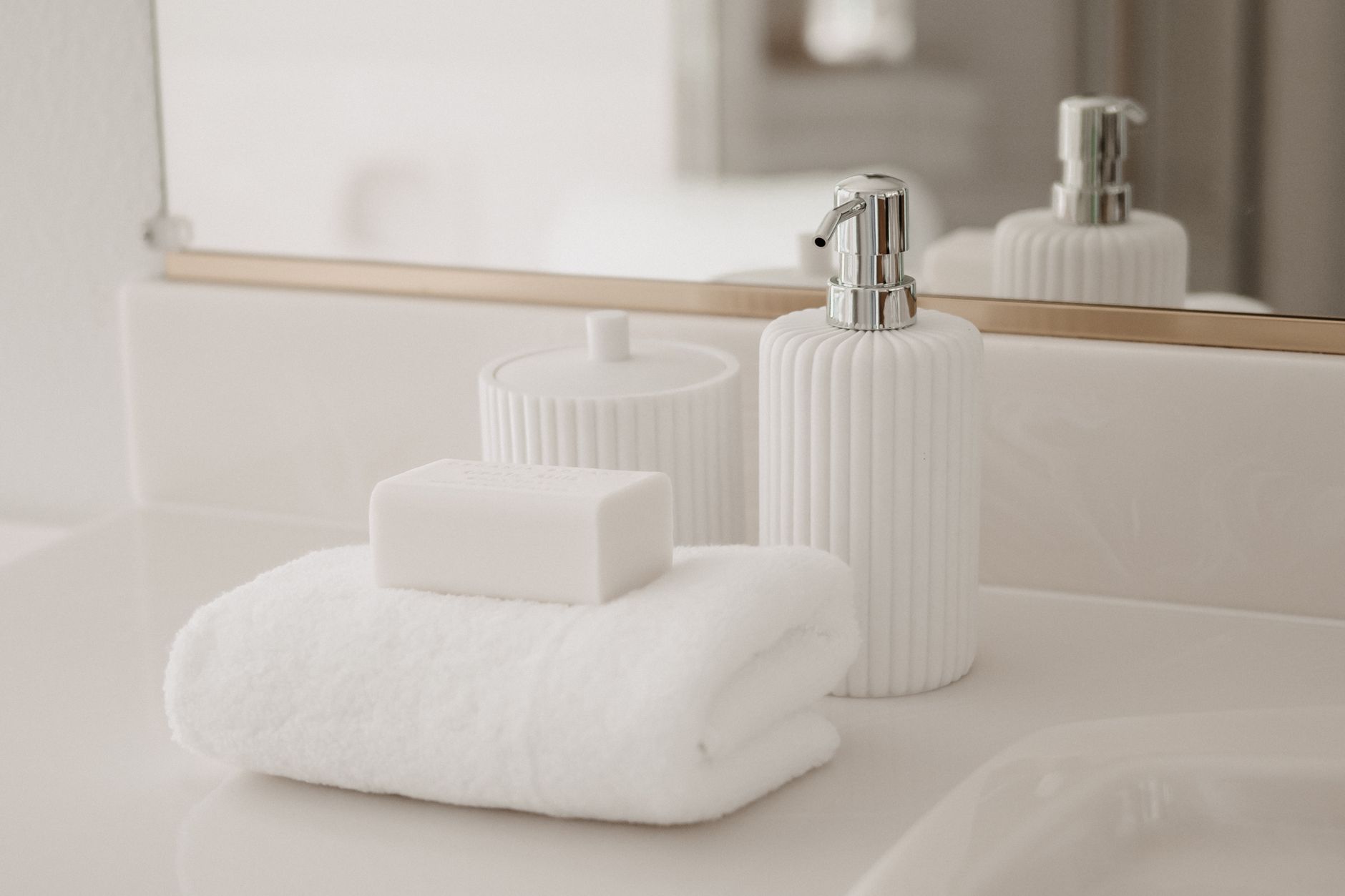
The “No-Chore” Strategy: Negotiating with Your Environment
The single biggest killer of a staycation is the “I’ll just do a quick load of laundry” mindset. That “quick load” is a gateway drug to a weekend of chores. To truly relax, you must treat your home like a hotel where you are the guest, not the staff.
Before your vacation begins, you have two options: either complete all essential household tasks 48 hours in advance, or hire help. If you have the budget, consider a professional cleaning service to come in the day before you start your break. Coming home to a sparkling clean house is one of the most effective ways to lower cortisol levels.
If outsourcing isn’t an option, use a “freeze” strategy. Pack away the cleaning supplies. Put the laundry baskets in a room you don’t plan to visit. If you see a pile of mail, put it in a box and hide it. If it is out of sight, it is out of mind. The goal is to reach a state of “functional blindness” regarding household maintenance.
Designing Your Daily Rhythm
A vacation at home works best when you have a loose itinerary. Without one, you will inevitably end up scrolling through social media or doing chores. Plan your days around three anchor activities: one physical, one creative, and one indulgent.
| Time of Day | Activity Category | Goal |
|---|---|---|
| Morning | Physical/Movement | Stretch, walk, or light yoga to wake up the body. |
| Afternoon | Creative/Intellectual | Read, learn a skill, or engage in a hobby. |
| Evening | Indulgent/Social | Cook a nice meal, watch a film, or enjoy music. |
Curating the “Vacation” Atmosphere
Part of the reason we love hotels is the lack of “clutter noise.” Our homes are filled with reminders of our responsibilities—bills on the counter, toys on the floor, unfinished projects in the corner. You need to curate your space to remove these visual anchors.
Start by clearing off surfaces. A clean, empty dining table feels like a restaurant. If you have kids, designate a “toy-free zone” for the duration of the staycation. This might mean moving toys into a specific bedroom or a storage bin that gets pushed into a closet. It is not about being a minimalist; it is about being a temporary visitor in your own home.
Consider changing your bedding. Fresh, crisp sheets—even if they are just your regular ones, but freshly laundered—make a massive difference. Add a small luxury, like a tray of snacks or a carafe of water by the bed, to mimic the hotel experience. These small, tactile changes trick the brain into a state of novelty and relaxation.

Dining: From “Feeding” to “Dining”
In our 30s and 40s, food often becomes a logistical necessity. We eat while standing, while working, or while supervising kids. On your staycation, food must become an event. This doesn’t necessarily mean spending hours in the kitchen, as that is still work.
Instead, focus on the “presentation protocol.” If you are ordering takeout, plate it on your best dinnerware. Light candles. Dim the lights. Put on a specific playlist—jazz, bossa nova, or whatever makes you feel like you are at a bistro in a foreign city. The act of sitting down and focusing entirely on the meal, rather than multitasking, is a key component of the vacation experience.
If you enjoy cooking, choose one “project meal” that you would never have time for on a Tuesday night. Maybe it is making pasta from scratch or a slow-roasted dish that requires time. If you don’t enjoy cooking, this is the time to splurge on high-quality delivery or pre-prepared gourmet meals. The rule is simple: if it feels like a chore, don’t do it. If it feels like a treat, embrace it.
Digital Detox and the “Artificial Distance”
The hardest part of a staycation is the temptation to check emails or “just quickly check” the family calendar. To avoid this, you need to create artificial distance. If you use a personal phone for work, consider using an app-blocker to disable work-related notifications for the duration of your staycation.
Better yet, treat your home like it has limited Wi-Fi. Put your devices in a drawer at 8:00 PM and leave them there until morning. Replace the “scrolling reflex” with analog activities. Have a stack of magazines, a physical book, or a puzzle ready. The goal is to break the loop of constant connectivity. When you are on a “real” vacation, you often don’t have access to your home computer or your work desk; recreate that scarcity by physically removing the devices.

Managing Family Dynamics
If you are doing a staycation with a partner or children, the “vacation” can quickly turn into “living at home together while tired.” You need to establish ground rules. A staycation is not the time to tackle long-overdue home improvement projects or “have that talk” about family finances. Keep the conversation light and focused on shared leisure.
For parents, the “tag-team” approach is essential. If you have kids, carve out shifts where one parent is “on duty” and the other is effectively “off.” During your off-shift, leave the house for a walk, a coffee, or a visit to a local park. If you are both off-duty simultaneously, make sure you have activities that include the kids, but don’t require high-energy supervision—like a movie marathon or a picnic in the living room.
Remember that children also pick up on your stress. If you are trying to relax but are secretly fuming about the messy kitchen, they will sense it. By keeping the environment curated and the chores paused, you are creating a calmer atmosphere for everyone.
The Science of “Novelty” and Why It Matters
Research suggests that our perception of time is linked to the number of new experiences we have. This is why a week at home feels like it lasts a day, while a week in a new city feels like a month. You can hack this by introducing “micro-novelty” into your staycation.
Take a different route on your morning walk. Try a new recipe that uses an ingredient you have never cooked with. Rearrange the furniture in your living room for the weekend to change the “flow” of the space. These small, intentional changes force your brain to pay attention to your surroundings, which slows down your perception of time and makes the break feel longer and more restorative.
Common Pitfalls to Avoid
The most common mistake people make is trying to “optimize” their time off. They create a schedule that is too packed, leading to “vacation stress.” Remember, the goal is rest, not productivity. If you find yourself feeling pressured to “do” things, give yourself permission to do absolutely nothing. A day spent reading on the sofa is not a wasted day—it is a successful recovery.
Another pitfall is the “re-entry shock.” We often leave our return to reality until the last minute. Try to end your staycation on a Saturday afternoon rather than Sunday night. This gives you a “buffer” period to ease back into your routine, do some light prep for the week ahead, and go to bed early, ensuring you don’t start your work week in a state of exhaustion.
Summary and Final Thoughts
A staycation is a skill. It requires preparation, boundaries, and a willingness to ignore the “shoulds” of daily life. By treating your home as a temporary sanctuary—removing the visual noise, pausing the chores, and curating your sensory experience—you can achieve a level of rest that often rivals expensive travel. It is not about where you are; it is about how you inhabit your space and how you choose to spend your time.
Start small if you have to. A 48-hour staycation can be just as effective as a week-long one if you are fully committed to the “vacation rules.” Be kind to yourself, let the dust settle for a few days, and remember that your home is meant to support your life, not just serve as a place to manage it.
Frequently Asked Questions
Q: How do I handle the guilt of not being productive during my staycation?
A: Recognize that rest is a necessary component of high performance. You cannot pour from an empty cup. Remind yourself that by taking this time to recharge, you are actually being more responsible for your long-term health and your ability to care for your family and work effectively.
Q: What if my kids make it impossible to have a “real” vacation?
A: Adjust your expectations. A staycation with children is not a silent retreat; it is a change of pace. Focus on “low-stakes” activities that bring joy, like board games, baking together, or building forts. The goal is to disconnect from the “grind,” not to achieve perfect silence.
Q: How do I stop myself from cleaning when I see a mess?
A: This is the “hardest” part. Use the “visual barrier” trick: throw a blanket over the pile, close the door to the room you aren’t using, or simply leave the house for an hour. If you absolutely cannot ignore it, set a “cleaning timer” for 15 minutes, do the bare minimum, and then strictly walk away.
For more information on the benefits of mental breaks, you can refer to resources from organizations like the American Psychological Association, which regularly publishes data on the impact of work-life balance and restorative rest.