The “Right to Repair” movement is fundamentally shifting the power dynamic between tech giants and your household budget, making it increasingly possible to fix your own devices rather than being forced into costly upgrades or replacements.
- Financial Savings: Repairing common household electronics can extend their lifespan by years, saving hundreds of dollars annually on replacements.
- Legislative Momentum: New laws in the EU, US, and other regions are now requiring manufacturers to provide spare parts, manuals, and diagnostic tools to consumers and independent shops.
- Environmental Impact: By keeping electronics in use longer, you are directly contributing to a reduction in e-waste, which is currently one of the fastest-growing waste streams globally.
We have all been there. You are in the middle of a busy week—perhaps juggling a project deadline, helping the kids with homework, and trying to get dinner on the table—when the blender suddenly gives out, or the smartphone screen cracks for the second time this year. The immediate reaction is usually a mix of frustration and resignation. You check the price of a replacement, realize it is exorbitant, and then look for a repair shop, only to be told that the manufacturer doesn’t provide parts, or that the cost of repair is nearly the same as buying a new unit.
This cycle of “planned obsolescence”—where products are designed to fail or become outdated—has been the status quo for decades. But the tide is turning. The Right to Repair movement is no longer just a niche interest for tech enthusiasts; it is becoming a mainstream consumer right. But what does this actually mean for you, the busy parent or professional trying to manage a household?
Understanding the Movement: Why Now?
At its core, the Right to Repair is a legislative and social push to ensure that you, as the owner of a device, have the legal and practical ability to fix what you own. For years, manufacturers have used various tactics to prevent this: proprietary screws, glued-in batteries, software locks that disable features if a third-party part is detected, and the refusal to release repair manuals.
The shift is driven by a combination of factors. First, environmental concerns have reached a breaking point. E-waste is a massive, toxic problem. Second, there is the simple economic reality. With inflation and the rising cost of living, families are looking for ways to stretch their dollar. Finally, there is a growing realization that “owning” a piece of technology should actually mean owning it, not just “leasing” it until the manufacturer decides to stop supporting it.

The Legislative Landscape
Governments are finally catching up. In the European Union, the “Ecodesign for Sustainable Products Regulation” is setting new standards that require appliances like washing machines and refrigerators to be repairable for up to a decade. In the United States, states like New York, California, and Minnesota have passed Right to Repair bills that force manufacturers to make parts, tools, and documentation available to the public. These aren’t just suggestions; they are mandates that are beginning to reshape how companies design their products.
However, this transition is not instantaneous. Manufacturers often argue that repairability compromises security or safety. While there is a grain of truth in the complexity of modern devices, the movement asserts that these arguments are often used to maintain monopoly control over the repair market. As a consumer, understanding this landscape helps you make better purchasing decisions.
Practical Benefits for Your Daily Life
So, how does this affect your weekend chores? It changes the calculus of “repair versus replace.” Previously, if a dishwasher stopped working, the repair technician might say, “The control board is obsolete, you need a new unit.” With the Right to Repair, that manufacturer might now be required to keep that part in stock for several years, or at least provide the schematic so an independent shop can source or create a fix.
Consider the table below, which outlines common household items and how the Right to Repair is changing their maintenance cycle:
| Device Category | Old Reality | New Outlook |
|---|---|---|
| Smartphones | Glued batteries, locked software. | Easier battery access, official repair kits. |
| Kitchen Appliances | Proprietary parts, no manuals. | Mandated spare part availability for 7-10 years. |
| Laptops | Soldered RAM/SSD, no schematics. | Modular designs, public repair guides. |
| Power Tools | Disposable motors. | Availability of brushes, switches, and casings. |
The “Repairability Score” as a Shopping Tool
One of the most useful developments for consumers is the emergence of repairability scores. Websites like iFixit and various government-backed labeling schemes in France now give products a score out of 10 based on how easy they are to disassemble, the availability of parts, and the cost of those parts. Before you purchase your next washing machine or laptop, checking this score can save you significant frustration down the line.
Think of it like reading the nutritional label on food. You wouldn’t buy a product without knowing what’s inside; why buy an expensive piece of tech without knowing if it’s designed to be fixed?
The DIY Factor: When to Fix and When to Call a Pro
There is a romantic notion of the “DIY repairer” that can be intimidating. You might think, “I don’t have the time or the steady hand to solder a circuit board.” That is perfectly okay. The Right to Repair is not just about you doing the work; it is about ensuring that someone can do the work at a fair price.
When an appliance breaks, your first step should be to look for the model number and search for the “service manual.” Many manufacturers now host these on their websites. If you aren’t comfortable with the repair, having the manual makes you a much more informed customer when you call a local repair shop. You can ask, “I see the part required is X, is that something you can source?” This prevents shops from overcharging or claiming a part is unavailable when it isn’t.
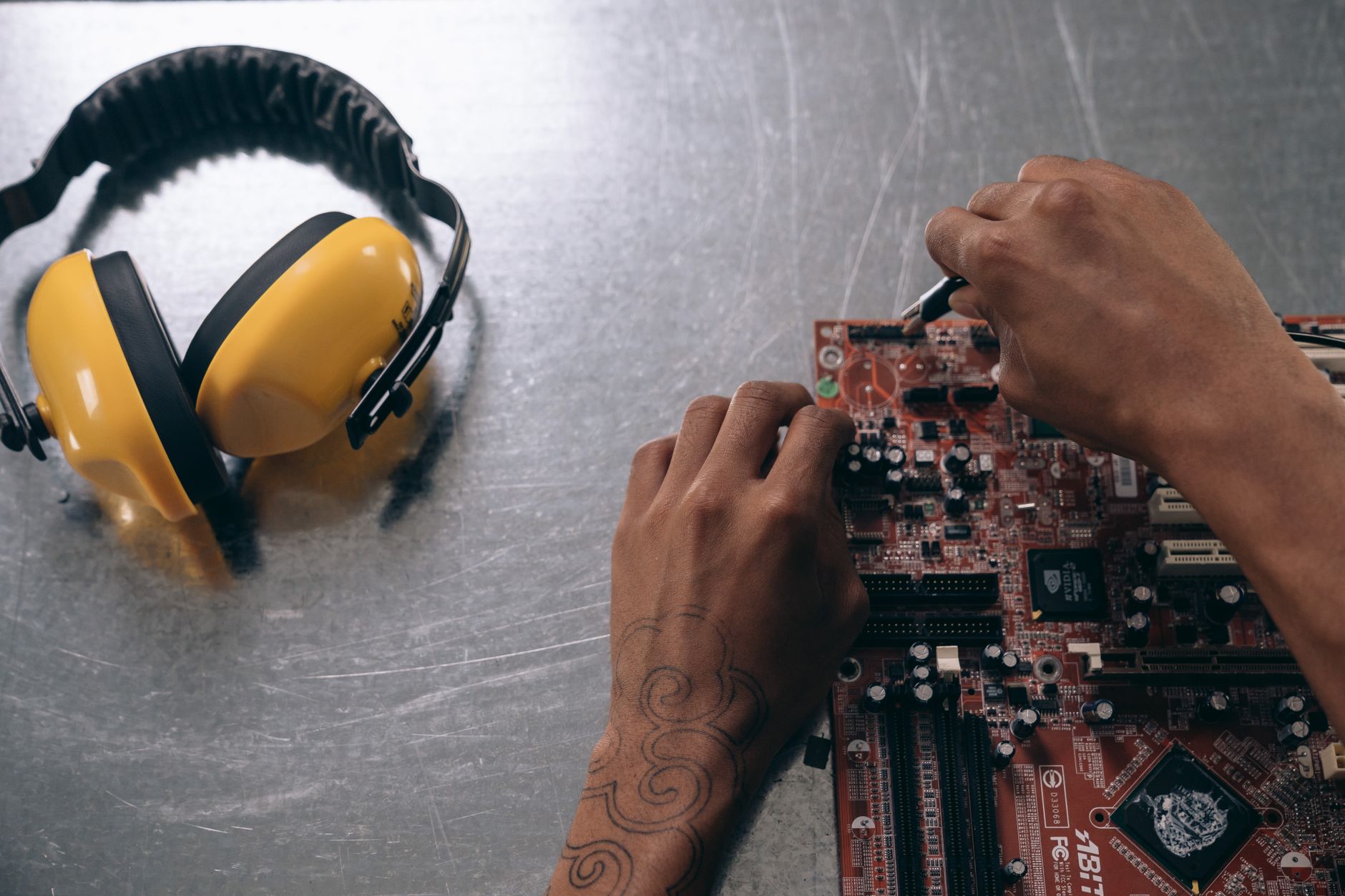
Safety First: The Rules of Engagement
While the movement empowers you, it does not remove the need for caution. Electronics, especially those involving high-voltage capacitors or lithium-ion batteries, can be dangerous. Always follow these rules:
- Unplug and Discharge: Never work on an appliance that is plugged in. For capacitors, ensure they are fully discharged.
- Know Your Limits: Replacing a screen or a battery is often manageable. Troubleshooting a complex motherboard error may require a professional.
- Warranty Awareness: While the FTC in the US and similar bodies elsewhere have clarified that voiding a warranty for third-party repairs is often illegal (the “illegal tie-in” rule), it is still worth checking your specific policy.
- Use the Right Tools: Precision screwdrivers (the “iFixit kit” is a gold standard for a reason) and plastic prying tools are essential. Using a butter knife to open a phone is a recipe for disaster.
The Economic and Environmental Ripple Effect
Beyond the personal benefit, there is a broader societal shift occurring. When we fix our devices, we support local repair businesses. These are often small, family-owned shops that keep money circulating within the community, rather than sending it to a multinational corporation. It is a form of “localizing” your tech footprint.
Then there is the environmental impact. The amount of e-waste produced annually is staggering—tens of millions of tons. Most of this ends up in landfills or is exported to developing nations, where the recycling process can be hazardous. By extending the life of your laptop from three years to five, you are reducing your personal contribution to this crisis significantly. It is a small action, but when millions of people do it, the impact is measurable.

We are currently in a transition period. While the laws are changing, the legacy of “disposable tech” is still very much with us. As a consumer in your 30s or 40s, you are in the perfect position to lead this change by voting with your wallet. When you are in the market for a new appliance or gadget, make repairability a key part of your research process. If a manufacturer makes a product that is impossible to open or repair, consider choosing a competitor that respects your ownership.
This does not mean you have to become a hobbyist technician. It simply means valuing longevity over the fleeting excitement of the “latest” model. It means holding companies accountable. It means recognizing that the things you bring into your home are investments, and you deserve the right to maintain those investments for as long as they are useful.
Common Misconceptions
There are a few myths that persist about the Right to Repair. Let’s clear them up:
- “Repairing will make my device unsafe.” In reality, using original parts and following official manuals is the safest way to repair. The danger often comes from unauthorized, “hacked” repairs done without proper information.
- “Only the manufacturer can fix it right.” This is a marketing narrative. Independent repair shops are often just as qualified, and sometimes more incentivized, to perform high-quality work because their reputation depends on it.
- “It’s too expensive to fix.” Sometimes the part is cheap, but the labor is high. This is why the Right to Repair is so important—it forces the creation of better manuals and more modular designs, which brings labor costs down.
Summary and Looking Ahead
The Right to Repair is about reclaiming your agency as a consumer. It is about moving away from a culture of convenience that ignores the long-term costs of waste and planned obsolescence. As you balance the demands of work and family, remember that you don’t have to accept the “replace it” narrative. By choosing repairable products, supporting local repair shops, and utilizing the wealth of free information available online, you can save money, reduce your environmental footprint, and gain a better understanding of the devices that power your daily life.
Start small. The next time a device acts up, take five minutes to search for a “tear-down” or “repair guide” online. You might be surprised at how accessible the solution is. It is a quiet revolution, but it is one that makes a tangible difference in the sustainability of our homes and our world.
For more information on the evolving Right to Repair legislation and how it impacts your specific region, you can track progress through organizations like The Repair Association or iFixit, both of which provide excellent resources and advocacy updates.
Frequently Asked Questions
1. Does performing my own repair void my warranty?
In many jurisdictions, including the US under the Magnuson-Moss Warranty Act, manufacturers cannot void your warranty simply because you opened the device or used third-party parts, unless they can prove that the repair caused the damage. However, always check your specific warranty terms and keep records of your repairs.
2. Where can I find reliable repair manuals for my household appliances?
Start by checking the manufacturer’s official support website. If they don’t provide them, sites like iFixit, RepairClinic, and even specialized YouTube channels are excellent resources. Many manufacturers are now being forced by law to make these manuals public, so they are becoming easier to find.
3. Is it worth repairing an older device if the cost is half the price of a new one?
Often, yes. Beyond the immediate cost, consider the longevity of the new device. If the new device is also designed to be non-repairable, you will face the same issue in a few years. A repaired device with quality parts often lasts longer and provides better value over the total lifespan of the product.
Note: Always prioritize your safety. If you are dealing with gas appliances, high-voltage electrical panels, or pressurized systems, please consult a certified professional.