Connecting your heat pump to a smart grid is the single most effective way to lower your monthly heating and cooling costs without sacrificing comfort, often resulting in savings of up to 30% on your utility bills.
- Dynamic Pricing: Smart-grid integration allows your heat pump to “shift” its energy consumption to off-peak hours when electricity rates are at their lowest.
- Thermal Storage: Your home acts as a battery; by pre-heating or pre-cooling, you can minimize high-cost peak grid usage.
- Automated Efficiency: Modern smart-grid controllers manage the system automatically, removing the need for manual scheduling or constant monitoring.
If you are like most parents in their 30s or 40s, your day is a constant juggle of school runs, work deadlines, and the never-ending task of keeping the household budget in check. When the monthly electricity bill arrives, it often feels like a surprise tax on your sanity. We’ve all been there: checking the thermostat, reminding the kids to close the doors, and wondering if that high-efficiency heat pump you installed is actually living up to its promise.
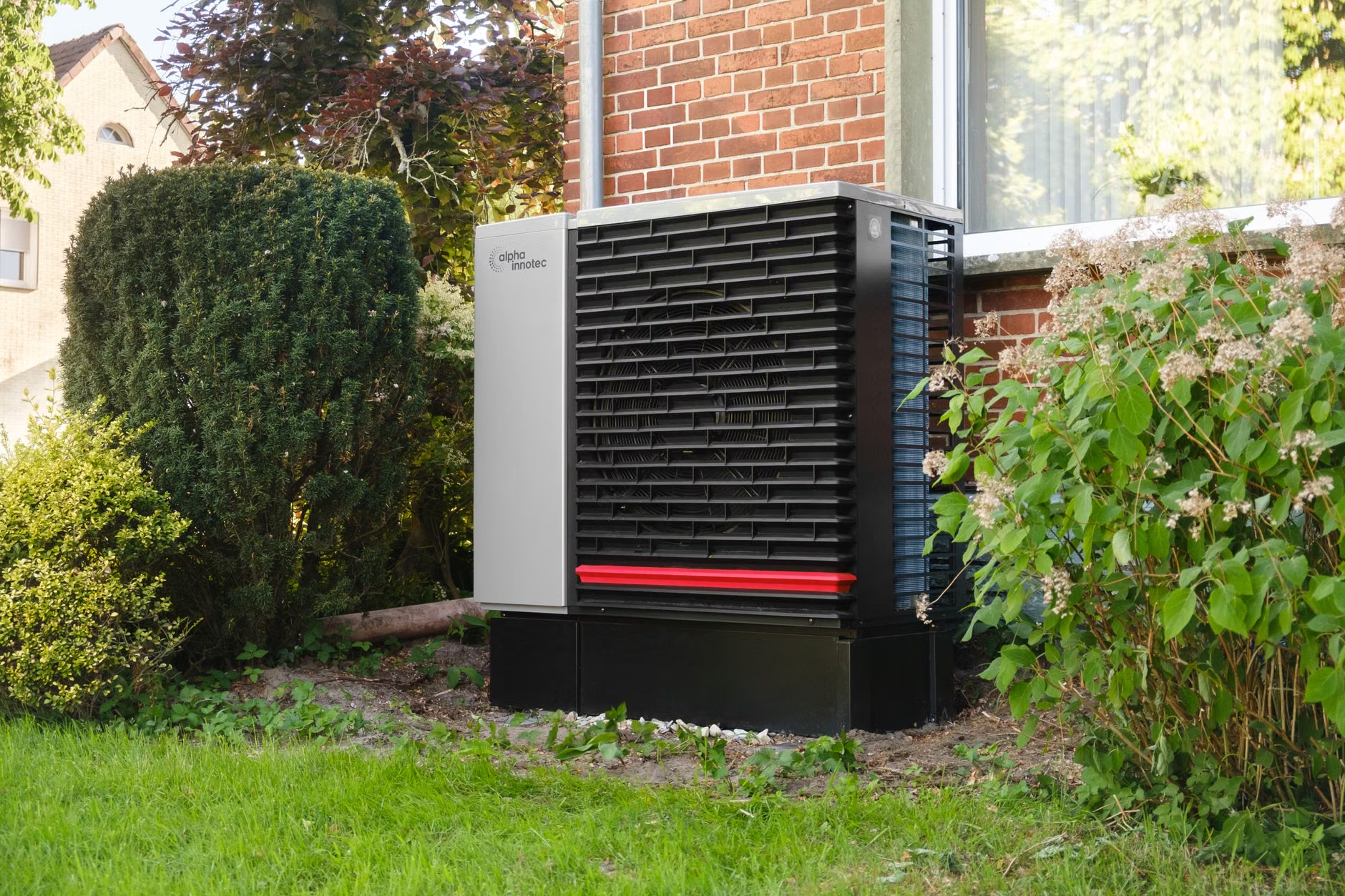
The truth is, even the most efficient heat pump can be expensive to run if it is fighting against the grid’s peak pricing. This is where “Smart-Grid” integration changes the game. It isn’t just about having a high-tech thermostat; it’s about turning your home into a participant in the energy market.
Understanding the Smart-Grid Connection
To put it simply, a smart grid is a two-way communication network between your local utility provider and the devices in your home. Traditionally, electricity just flows one way: from the power plant to your wall socket. You pay whatever the rate is at that moment. With smart-grid integration, your heat pump can “talk” to the grid.
When the grid is under heavy stress—like on a sweltering summer afternoon when everyone has their AC cranked up—the utility company charges a premium for electricity. This is called “Peak Pricing” or “Time-of-Use” (TOU) rates. If your heat pump is “smart-grid ready,” it receives a signal from the utility company (often via a smart meter or a home gateway) indicating that electricity is currently expensive.
Instead of turning off completely, the system intelligently throttles down its energy draw, or it may shift the heating/cooling load to a time when the grid is less stressed and rates are significantly cheaper. For you, this means the heat pump does the heavy lifting when electricity is cheap and “coasts” when it is expensive.
Why Your Thermal Envelope Matters
Your home’s “thermal envelope”—the insulation, windows, and seals—is the foundation of this system. If your home is drafty, the heat pump will need to cycle on and off frequently, which makes smart-grid optimization much harder. Think of your home as a thermos. If the lid is off, no amount of smart technology will keep your coffee hot for long. Before investing in advanced smart-grid controllers, ensure your home is properly sealed. This is an often-overlooked variable that can negate the savings provided by smart-grid integration.
Real-Life Scenarios: How It Works in Practice
Imagine it is a chilly Tuesday morning. You have a busy day of meetings, and the kids are at school. Under a standard setup, your heat pump might kick on at 7:00 AM to bring the temperature up to 21°C (70°F) just as everyone is waking up—coinciding exactly with the morning peak electricity rate.
With smart-grid integration, your system might decide to pre-heat the house at 5:30 AM when the rates are lower. It then puts the system into an “eco-mode” during the expensive 7:00 AM to 9:00 AM window. Because your home is well-insulated, the temperature inside only drops by a fraction of a degree. By the time you get home, the system has already ramped back up during a mid-day “shoulder” period when rates are more favorable.
This is not just about saving a few cents; it is about automating a process that would otherwise require you to be an expert in utility rate structures. You aren’t micromanaging the thermostat; the system is managing your energy bill based on data.
The Financial Reality: Is the Investment Worth It?
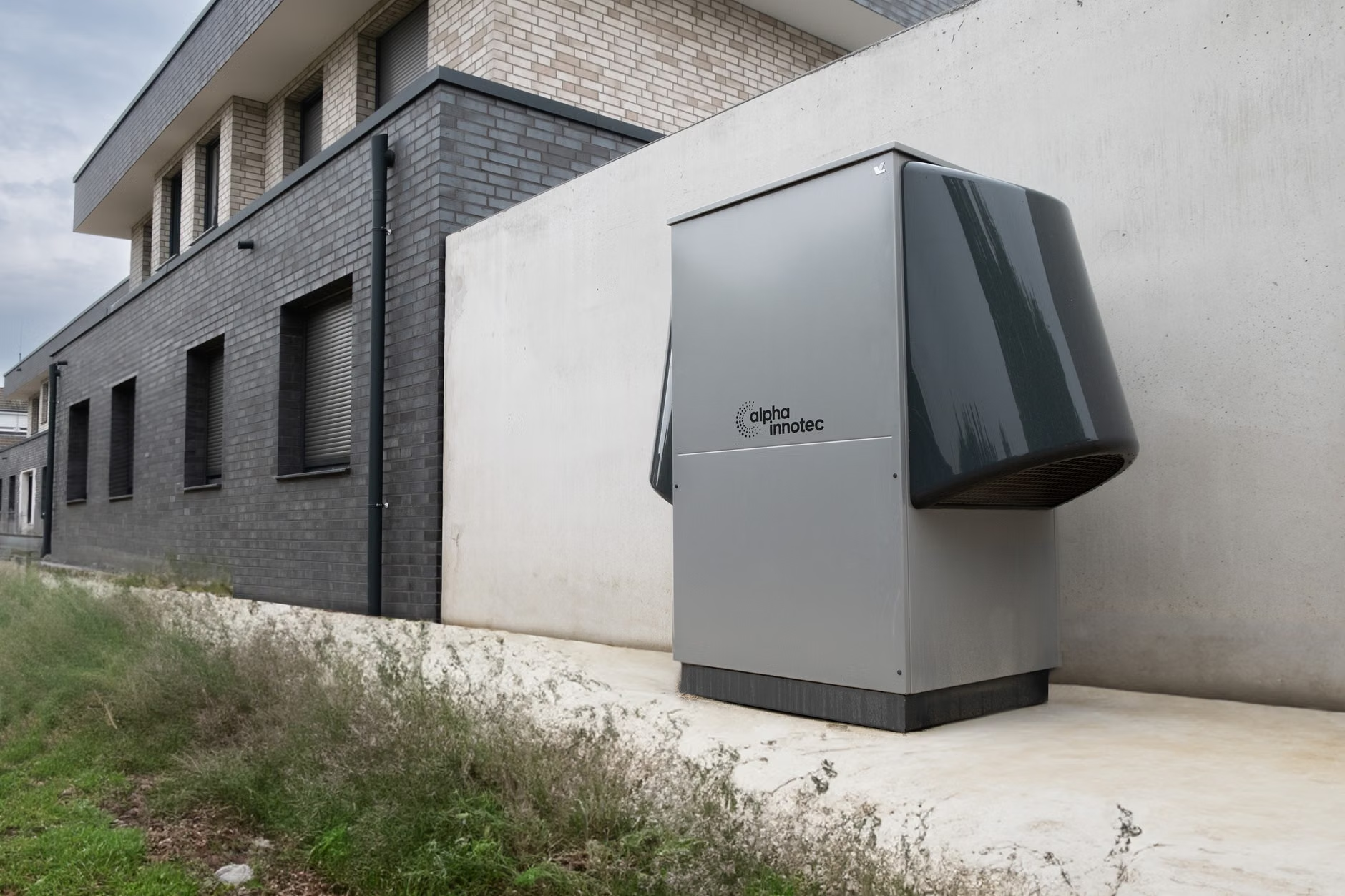
When evaluating whether to integrate your heat pump into a smart grid, you need to consider the upfront costs versus the long-term savings. The “hidden” cost often lies in the compatibility of your current hardware. Not all heat pumps are “smart-grid ready” out of the box.
| Requirement | Description | Importance |
|---|---|---|
| Smart Thermostat | Must support OpenADR or similar protocols. | High |
| Utility Program | Your energy provider must offer a TOU or demand-response plan. | Critical |
| System Compatibility | The heat pump control board must accept external signals. | High |
If you are currently on a flat-rate electricity plan, smart-grid integration may offer limited financial benefits. You should first contact your utility provider to ask if they offer a “Time-of-Use” or “Demand Response” program. If they don’t, your potential savings are capped by the lack of price signals. Always confirm your utility provider’s specific program details before upgrading your equipment.
Common Mistakes to Avoid
One of the most frequent mistakes homeowners make is trying to override the system too often. If you manually adjust your thermostat every time you feel a slight change, you are effectively “fighting” the smart-grid algorithm. The system works best when it has a clear, consistent set of parameters. Let the algorithm do its work.
Another mistake is failing to account for the “bounce-back” effect. If the system stays off for too long during a peak period, it may have to work at full capacity for an extended time to bring the house back to the target temperature. This can sometimes lead to higher energy spikes than if the system had been allowed to run at a lower, steady state. Ensure your installer configures the “ramp-up” settings to prevent this.

Step-by-Step: Getting Started with Smart Integration
If you are ready to take the plunge, follow this path to ensure success:
- Audit Your Current Plan: Log into your utility provider’s website. Search for “Time-of-Use” or “Demand Response” programs. If they exist, sign up.
- Check Equipment Compatibility: Find the make and model of your heat pump. Check the manufacturer’s website to see if it supports “Smart Grid” or “Demand Response” features.
- Choose a Compatible Controller: If your heat pump isn’t directly compatible, look for a smart thermostat (such as Ecobee or Nest, depending on your region) that supports demand-response features through integration with your utility provider.
- Monitor for 30 Days: Don’t expect immediate miracles. Run the system for a full billing cycle to see how it adjusts to your home’s thermal characteristics.
- Fine-Tune: After one month, review your energy usage data. If the house is too cold during the evening, adjust the “comfort thresholds” in your smart controller.
The Future of Home Energy
As we move toward a more electrified future, the grid is only going to get “smarter.” The ability to manage your heat pump is just the beginning. In the coming years, we will see more integration with home batteries and electric vehicle chargers. By starting with your heat pump, you are essentially “future-proofing” your home. You are building the infrastructure that will allow you to participate in a more efficient, sustainable, and cost-effective energy market.
It is important to remember that technology should serve your lifestyle, not the other way around. If you find the setup process overwhelming, don’t feel pressured to do it all at once. Start with a smart thermostat that provides energy tracking. Even just having the visibility into when and how you use energy is a massive step forward for most families.
Final Thoughts
Smart-grid integration isn’t a magic wand, but it is a powerful tool for the modern, budget-conscious household. By shifting your energy usage away from expensive peak hours, you aren’t just saving money—you are reducing the strain on the grid, which helps keep energy costs lower for everyone in the long run. Start by contacting your utility company to see what programs are available in your area. If you can pair a smart-grid plan with a well-insulated home, you will be well on your way to a more efficient and affordable future.
For more information on energy-saving programs, check the official resources from your local energy regulatory body or your utility provider’s website. They often provide rebates for installing smart-grid-enabled devices, which can help offset your initial costs.
Frequently Asked Questions
Q: Does smart-grid integration make my house uncomfortable?
A: Generally, no. Modern systems use “setpoint offsets,” meaning they only shift the temperature by a degree or two—well within the range of comfort—to avoid high-cost periods. You can always override these settings if you have guests or need the house to be at a specific temperature.
Q: Is my old heat pump eligible for smart-grid updates?
A: It depends on the control board. Many older systems are “dumb” and cannot communicate with the grid. However, you can often add a “smart” relay or a smart thermostat that controls the heat pump’s power, effectively bringing it into the modern age. Check with a local HVAC technician to see if your specific unit supports these add-ons.
Q: What if I don’t have a “Time-of-Use” plan?
A: If your utility provider only offers a flat rate, you won’t see direct savings from smart-grid integration because the price of electricity is the same 24/7. However, you can still use smart features to track your energy consumption and identify areas where your home is losing efficiency, which is a valuable insight in itself.
Disclaimer: This article is for informational purposes only. Always consult with a licensed HVAC professional or your local utility provider before making significant changes to your electrical or heating systems. Energy savings can vary based on your home’s insulation, climate, and local utility rates.