The most effective way to handle the birthday gift cycle is to shift the focus from the quantity of physical objects to the quality of the shared experience, starting with clear, proactive communication before the invitations are even sent.
Three Key Takeaways
- Proactive Communication: Set expectations early by including polite, optional gift guidelines on invitations.
- The ‘One-In, One-Out’ Rule: Implement a system where new items require the donation or storage of older items to keep the home environment manageable.
- Experience Over Objects: Pivot toward “experience gifts” or “fiver parties” to reduce clutter while still celebrating the child’s special day.
If you are in your 30s or 40s, you likely know the drill. It starts with the arrival of the school-aged child, followed by a flurry of birthday party invitations. By the time the weekend rolls around, your living room has been transformed into an unofficial warehouse for plastic trinkets, battery-operated noise-makers, and half-finished craft kits. It is not that you are ungrateful, but let’s be honest: the sheer volume of “stuff” entering your home can feel overwhelming.
Managing this “gift cycle” is a modern parenting challenge that blends logistics, psychology, and social etiquette. We want our children to feel celebrated, but we also want to maintain a home that doesn’t feel like a toy store exploded in the hallway. How do we navigate this without coming across as the “mean parent” or appearing ungracious to well-meaning friends and family?
Understanding the Psychology of the Gift Overflow
To solve the problem, we first need to look at why it happens. In the current social landscape, gift-giving is often viewed as a tangible proxy for affection. When a guest brings a gift, they are participating in a social ritual that validates their relationship with your child. The pressure to “bring something good” leads to impulse buys at big-box stores, often favoring volume over utility.
For parents, the anxiety often stems from the fear of social friction. We worry that suggesting a different approach will make us seem demanding or ungrateful. However, research in behavioral economics suggests that people are actually relieved when clear guidelines are provided. By offering a roadmap for gift-giving, you aren’t being difficult; you are being helpful. You are saving the guest time, money, and the stress of guessing what your child might already own.
Consider the “clutter-stress” connection. Studies have repeatedly shown that physical clutter increases cortisol levels in the home. When a child has too many toys, their ability to engage in deep, imaginative play actually decreases. This is known as the “paradox of choice”—when faced with too many options, the brain becomes overwhelmed and struggles to focus on any single activity. By managing the gift cycle, you are actually fostering a better environment for your child’s development.
The Art of the Polite Invitation: Setting Boundaries
The most powerful tool in your arsenal is the invitation itself. Whether you are using a digital platform like Evite, Paperless Post, or a simple group chat, your language matters. The goal is to provide a “soft” nudge toward your preferred gift style without making it feel like a transaction.
Many parents worry about the “no-gifts” request. While this is becoming more common, it can sometimes be met with confusion. If you want to avoid gifts entirely, be clear but kind:
“Your presence is the only gift we need! Please, no presents. We are excited to celebrate with you and your family.”
If you feel that “no gifts” is too restrictive, consider the “Fiver Party” model. This is a brilliant, low-stress trend where you ask guests to contribute a small amount (usually $5) in a card instead of buying a physical gift. The funds are then used to purchase one or two “big” items that the child has been saving up for. This drastically reduces the number of items entering your home while teaching your child the value of saving and intentional choice.
| Strategy | Best For | Social Impact |
|---|---|---|
| The Fiver Party | Children aged 5–10 | Low impact; high utility. |
| Experience Gifts | Close family/friends | Creates memories, not clutter. |
| Wishlist/Registry | Large parties | Ensures items are needed. |
Managing the Aftermath: The ‘One-In, One-Out’ Framework
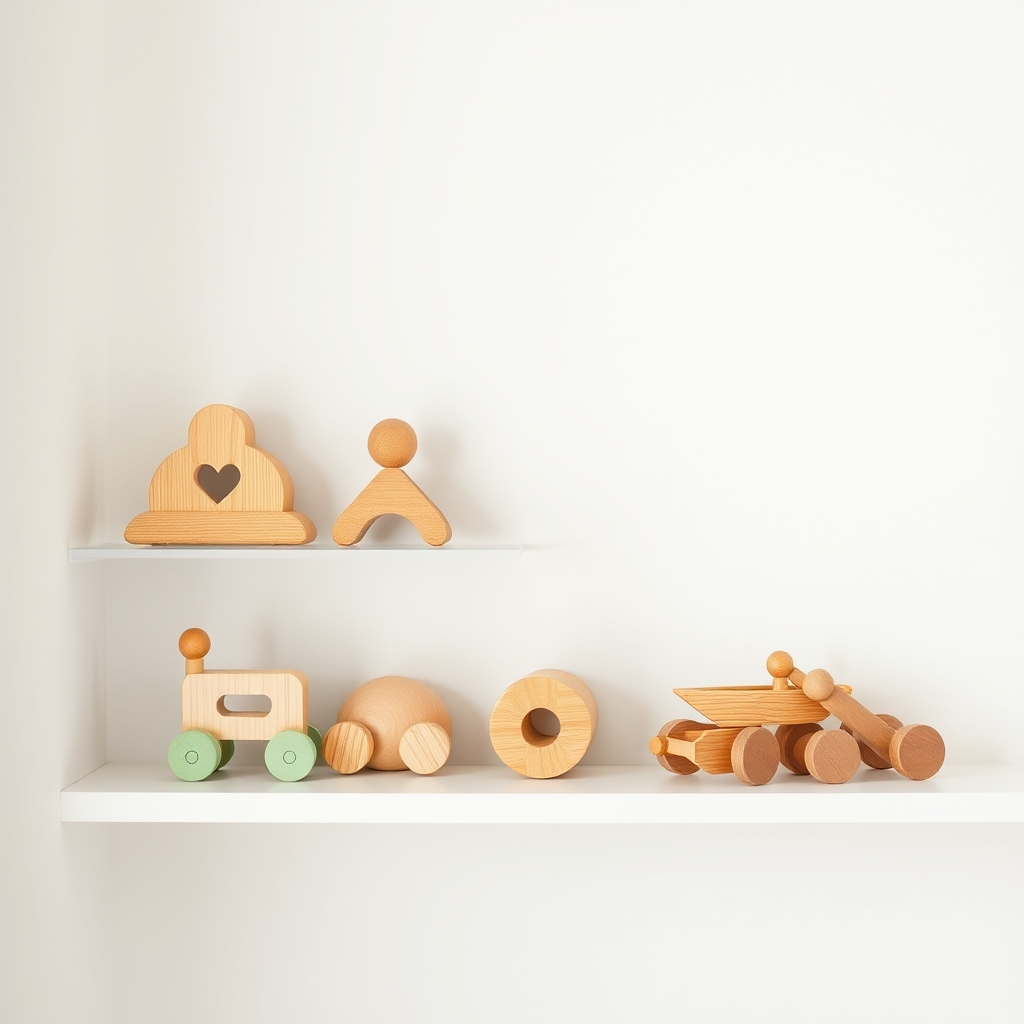
Even with the best intentions, you will still receive gifts. Birthdays are a time of celebration, and some people will insist on bringing a physical token of their affection. This is where your internal household management system comes into play. The “One-In, One-Out” rule is a classic for a reason: it works.
For every new toy or book that enters the home, an old one must be evaluated. This doesn’t mean you have to throw things away—in fact, that’s often wasteful. Instead, create a “rotation” or a “donate” pile. Involve your child in this process. Ask them, “Since you have this cool new building set, which of these older toys do you think another child would love to play with?”
This teaches several vital life skills:
- Gratitude: Reflecting on what they have versus what they need.
- Agency: Giving them the power to choose what they value.
- Generosity: Understanding the importance of passing things on to others who might benefit more.
The Shift Toward Experience-Based Gifting
If you are speaking with close family members—grandparents, aunts, or uncles—you have more room to negotiate. These are the people who often feel the most pressure to buy “big” gifts. Gently steer them toward experiences rather than objects. A membership to a local science center, a zoo pass, a gift certificate for a pottery class, or even a pre-paid “movie night” package (popcorn, candy, and a gift card) are far more memorable than another plastic action figure.
The beauty of experience gifts is that they occupy zero shelf space. Once the activity is done, you are left with a memory, not a piece of plastic destined for the landfill. If a family member insists on a physical gift, suggest “consumables.” Art supplies (markers, paper, clay) or high-quality snacks are great because they eventually disappear. They provide the joy of the gift without the long-term commitment of storage.
Let’s address the elephant in the room: the fear of being seen as the “fun-killer.” It is a common concern among parents in their 30s and 40s. We want our children to be popular and our social circles to remain harmonious. However, there is a distinct difference between being a “mean parent” and being an “intentional parent.”
Intentionality is about values. If your values include living with less clutter, sustainability, and prioritizing quality time, then your approach to gift-giving is simply an extension of those values. Most parents you know are likely dealing with the exact same frustration. When you are the first one to suggest a “Fiver Party” or a “no-gifts” policy, you are often providing a sense of relief to other parents who were secretly hoping for the same thing.
Transparency is key. If you are worried about how a request will be received, frame it around your child’s needs. “We are trying to help Sam appreciate his current toys more, so we are keeping the party gift-free this year,” sounds much more collaborative than “Please don’t bring gifts because our house is too small.”
When Things Still Accumulate: Practical Storage Solutions
Despite your best efforts, stuff will accumulate. You have school parties, neighborhood birthdays, and the inevitable “just because” gifts. When the volume becomes unmanageable, don’t try to organize the chaos—reduce it. Use the “Bin System.”
Keep a dedicated bin in a closet for “Donation.” Whenever a toy hasn’t been touched for more than a month, put it in the bin. Once the bin is full, donate it to a local shelter or charity shop. This removes the emotional burden of the decision-making process from your day-to-day life. You aren’t “cleaning up” every night; you are simply maintaining the system.

The Evolution of the Birthday Party
As children grow, the nature of the birthday party shifts. The toddler years are often about the “event” for the parents, but by the time they hit school age, it’s about the friends. This is the perfect time to pivot. Consider hosting parties at parks, public pools, or community centers where the focus is entirely on the activity.
When the venue isn’t your own home, the pressure to “have enough stuff” to entertain the kids disappears. The party becomes about the game, the cake, and the social interaction. By shifting the venue, you naturally shift the focus away from gift-giving, as the logistical challenge of hauling presents to a park makes it less likely for guests to bring oversized, cumbersome items.
Handling the ‘Gift-Guilt’ of the Parent
Sometimes, the person most attached to the physical gifts is the parent, not the child. We might feel that if the pile of presents is small, we have somehow failed to provide a “good enough” celebration. This is a form of projection. Children are remarkably adaptable and resilient. They are often just as happy with a box of craft supplies and a shared afternoon with their friends as they would be with a mountain of expensive gadgets.
Try to document the day through photos rather than counting the gifts. Create a digital album of the birthday celebration. When your child looks back at their birthday photos in a few years, they won’t remember the exact number of gifts they received. They will remember the feeling of the party, the friends who were there, and the fun they had.
Building a Sustainable Future
Ultimately, managing the gift cycle is about teaching our children how to live in a world that is increasingly focused on consumption. By demonstrating that we value experiences, relationships, and organization over the accumulation of objects, we are giving them a framework for their own lives. We are showing them that they don’t need a constant influx of new things to be happy or to celebrate a milestone.
This is not about being a minimalist to the point of austerity. It is about being conscious. It is about choosing to fill our homes with things that add value, spark joy, and serve a purpose. When we take control of the gift cycle, we aren’t just cleaning our living rooms; we are reclaiming our time and our mental energy for what truly matters: the people in our lives.

Summary and Encouragement
The “gift cycle” is an inevitable part of modern parenting, but it is not a force of nature that you are powerless to control. Through clear communication, the implementation of simple systems like the “one-in, one-out” rule, and a shift toward experience-based celebrations, you can manage the flow of items into your home. Remember that your social circles will likely thank you for the boundaries you set, as they are often looking for the same relief from the pressure of gift-buying.
Start small. Don’t feel like you need to overhaul every tradition overnight. Choose one strategy—perhaps the “Fiver Party” for the next upcoming event—and see how it goes. You might be surprised at how much more enjoyable the birthday season becomes when you are focused on the celebration, not the cleanup.
Be patient with yourself and your child throughout this process. It is a learning curve for everyone involved, and that is perfectly okay. You are doing a great job, and your efforts to create a thoughtful, intentional home environment are exactly what your family needs.
Frequently Asked Questions
Q: How do I tell family members not to buy gifts without hurting their feelings?
A: Focus on your child’s current needs or a specific goal. You can say, “We are really trying to encourage Sam to play more with the things he already has, so we are asking for no physical gifts this year. If you’d like to do something, we are saving up for a [specific experience, like a zoo membership], and any contribution to that would be amazing.”
Q: What if a guest brings a gift anyway, despite my ‘no gifts’ request?
A: Accept it with grace. The goal of your request is to influence behavior, not to enforce a strict rule that could cause awkwardness. If someone brings a gift, thank them warmly and move on. Don’t make them feel bad; they brought it out of kindness. You can always handle the item later using your “one-in, one-out” system.
Q: Is a ‘Fiver Party’ considered rude by some people?
A: It is generally seen as a modern, practical solution. Most parents appreciate not having to spend time shopping for a toy. As long as you frame it as a way to help your child save for a specific item, most people will find it helpful rather than rude. Just be sure to keep the amount modest—usually $5—to ensure it remains accessible for everyone.
For more information on the benefits of decluttering for families, see resources from Psychology Today on the impact of environment on child development.