- Proximity is the secret: Urban-nature reserves offer the psychological benefits of a weekend getaway within a 30-minute drive, significantly reducing travel-induced stress.
- The “Micro-Adventure” Framework: Limit your stay to 90 minutes to prevent toddler meltdowns and maintain the “fun” association with nature.
- Infrastructure matters: Always verify the “three-pillar” accessibility check—parking availability, stroller-friendly paths, and proximity to clean public restrooms—before leaving home.
You do not need a four-hour drive to the countryside to reset your nervous system or burn off your child’s excess energy. If you are living in a major metropolitan area, the most underrated tool for family well-being is the urban-nature reserve—a protected patch of biodiversity tucked between concrete high-rises and transit lines. While these spaces are often overlooked in favor of commercial playgrounds, they offer something far more valuable: a sensory-rich environment that actually lowers cortisol levels for both parents and children.
However, the difference between a restorative afternoon in the trees and a chaotic, mud-caked disaster often comes down to specific logistical choices. Many parents approach these reserves like they are trekking through the deep wilderness, leading to over-packing, exhaustion, and frustration. Let’s break down how to treat these spaces as the strategic, high-value assets they are for your family’s weekly routine.

The Strategic Value of ‘Micro-Nature’
Research into “restorative environments”—a term often used in environmental psychology—suggests that even short exposures to natural settings can improve cognitive function and mood. For a parent in their 30s or 40s balancing a high-pressure career with school pickups and household management, the urban nature reserve acts as a “cognitive buffer.”
Unlike a standard city park, which is designed for high-traffic activity, a nature reserve is managed for biodiversity. This means the sensory input is more varied: the scent of soil, the sound of wind in the canopy, and uneven terrain. These elements force the brain to shift from “directed attention” (the type of focus you use for emails and spreadsheets) to “soft fascination.” This shift is what allows your mind to recover from the depletion of a standard work week.
The “why” is clear, but the “how” requires a shift in mindset. You are not going on an expedition; you are going on a targeted recovery session. This means the duration of your visit is a critical variable. If you stay too long, the physical fatigue of the kids will override the psychological benefits of the forest. The 90-minute rule is your best friend: 30 minutes to transition, 30 minutes to explore, and 30 minutes to wrap up before the inevitable “hanger” (hunger-induced anger) sets in.
Evaluating Your Local Reserve: The Three-Pillar Checklist
Not all nature reserves are created equal, especially when you have a stroller, a toddler, or a tight schedule. Before you commit to a destination, run it through this specific filter. If a site fails any of these three, it is not an “urban-nature” outing; it is an endurance test.
| Pillar | What to Look For | Why It Matters |
|---|---|---|
| Accessibility | Hard-packed gravel or wooden boardwalks. | Avoids mud-caked shoes and allows for stroller or wagon usage. |
| Facilities | Clean, reliable restrooms at the entrance/trailhead. | The number one cause of early departures in families with young children. |
| Escape Routes | Loop trails or clear signage indicating distance to exit. | Prevents the “we are stuck in the woods” anxiety when a child becomes overtired. |
When you look at a reserve on Google Maps, do not just look at the green space. Switch to satellite view and look for the trails. If you see narrow, winding dirt paths, be prepared for a workout. If you see wide, geometric paths, you are likely looking at a managed boardwalk or fire-road system. Prioritize the latter for your first few visits until you understand the terrain.
The Common Pitfall: Over-Preparation
A common mistake parents make is treating a trip to the local reserve like an international flight. You do not need a full-sized hiking backpack, a stove, or a change of clothes for every family member. Over-packing creates a “mental load” that negates the relaxation you are seeking. Instead, adopt the “minimalist kit” approach.
Your kit should consist of:
- Hydration: One large reusable bottle per adult, two smaller ones for kids.
- Fuel: High-density, low-mess snacks. Think dried fruit, nuts, or energy bars. Avoid crumbly crackers or sticky fruit snacks that attract insects.
- Navigation: Your smartphone is sufficient, but ensure you have an offline map downloaded. Urban reserves often have poor cell reception due to the density of the tree canopy.
- Safety: A single, small first-aid pouch with antiseptic wipes, three sizes of bandages, and a pair of tweezers (for ticks or splinters).
If you have to carry more than 5kg of gear, you have over-packed. The goal is to move freely. If you are struggling to find a balance, look at the “day-hike” requirements for your specific region. For example, if you are in a temperate climate, you might need a light rain shell. If you are in a humid tropical city, you might need insect repellent. Do not generalize the gear requirements based on global advice; look at the local micro-climate of the park itself.
Managing the “Transition Period”
Children often experience a “transition shock” when moving from the structured environment of a car or home to the unpredictable environment of a nature reserve. They might be loud, resistant, or overly cautious. This is a normal part of the sensory adjustment.
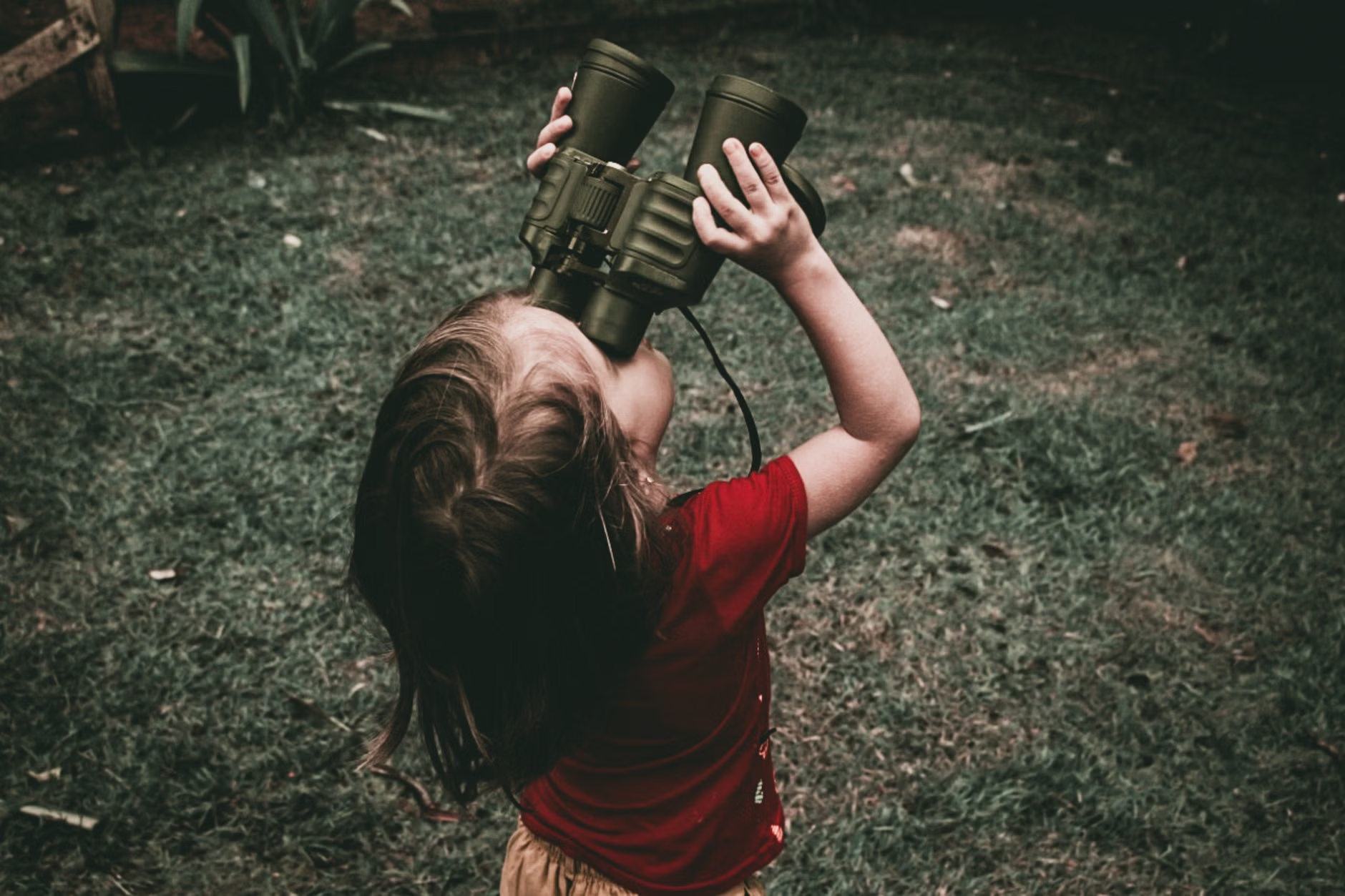
Instead of forcing them to “enjoy nature,” give them a mission. Instead of saying, “Let’s go for a hike,” try “Let’s see if we can find three different types of leaves” or “Let’s listen for the loudest bird.” Giving them an active role transforms the space from a boring walking path into a laboratory. This technique, often called “gamification of movement,” keeps them engaged and moving forward without you having to push them.
If you are struggling with a child who refuses to walk, do not force the issue. If the trail is stroller-friendly, take the stroller. If it is not, acknowledge that this specific location is not suitable for your current stage of parenting. There is no shame in choosing a paved park over a dense, rugged forest. Your sanity is the priority.
The Hidden Costs and Considerations
While urban-nature reserves are generally free, there are “hidden costs” that often catch parents off guard. The first is the parking ecosystem. In many major cities, popular reserves have limited parking, and on weekends, they can be crowded or require expensive paid permits. Always check the official municipal park website the night before to see if parking reservations are required.
The second hidden cost is the “post-nature cleanup.” If you have a dog or a child who loves to roll in the grass, you will be dealing with mud, burrs, and potentially ticks. Keep a “clean-up kit” in your trunk: a set of old towels, a plastic bin for muddy shoes, and a spray bottle of water for rinsing hands. Having this ready ensures you don’t track the reserve into your car, which is the fastest way to discourage yourself from going back next time.
Lastly, consider the “social density” factor. Some urban reserves are popular social hubs, while others are intentionally quiet. If you are going for solitude, go on a weekday morning or a weekday evening. If you are going for the kids to burn off energy, weekends are fine, but be prepared to share the trails. Knowing the “rhythm” of your local park is as important as knowing the trail map.
Conclusion: Building the Habit
The urban-nature reserve is not a “destination” you visit once a year; it is a utility you use to maintain your family’s equilibrium. By focusing on accessibility, keeping your gear minimal, and respecting the 90-minute limit, you transform these spaces from occasional weekend excursions into a sustainable part of your weekly routine.
Start small. Pick one reserve within a 20-minute drive and visit it on a Saturday morning. Notice how your body feels after 45 minutes of walking versus 45 minutes of screen time. Once you feel the difference, the “chore” of getting the kids out the door becomes a necessary investment in your collective peace of mind. You aren’t just walking in the woods; you are actively managing your family’s stress levels in a way that pays dividends for the entire week.
Frequently Asked Questions
Q: What if the urban nature reserve doesn’t have a paved path?
A: If the path is strictly rugged, it is likely not suitable for toddlers or strollers. Look for “nature trails” specifically designated as “accessible” or “family-friendly” on your city’s official parks and recreation website. If those don’t exist, stick to paved city parks until the children are old enough to navigate uneven terrain independently.
Q: Is it safe to let children run off-trail in an urban nature reserve?
A: Generally, no. Many urban-nature reserves contain protected flora, poison ivy, or unstable ground. Keeping children on the trail teaches them respect for the environment and prevents them from encountering hidden hazards like ticks or thorns. Always follow local signage regarding trail use.
Q: How do I handle the “I’m bored” complaint in the middle of a trail?
A: Boredom often stems from a lack of sensory engagement or physical fatigue. If they are tired, it is time to head back. If they are just bored, use the “mission” technique mentioned earlier—ask them to spot something specific (a certain color, a type of tree, or a specific animal) to re-engage their curiosity. If that fails, it’s a sign that the walk has served its purpose and it’s time to head home.
For further information on local trail conditions and safety, always consult your city’s official Parks and Recreation department website or the local environmental agency’s trail guide.