The most effective way to reduce your household energy footprint without sacrificing comfort is to transition from manual appliance management to AI-driven automation, which can typically shave 10% to 25% off your monthly utility bills by optimizing usage patterns in real-time.
- Predictive Scheduling: AI appliances analyze your family’s routine to run high-energy tasks during off-peak hours when electricity is cheaper.
- Anomaly Detection: Smart sensors can identify inefficient performance, such as a refrigerator seal leak or a failing HVAC motor, before they cause massive energy spikes.
- Dynamic Integration: Modern AI hubs link disparate devices (like thermostats and window blinds) to work in concert, maximizing natural light and thermal retention.
If you are in your 30s or 40s, you likely feel the squeeze of rising energy costs coupled with the chaotic schedule of managing a household. Between the laundry that never ends, the constant cycle of meal preparation, and the inevitable “who left the lights on?” conversation, energy efficiency often feels like one more chore on an endless to-do list. The good news is that we are moving past the era of “smart” appliances that just meant “can be turned on via an app.” We are now firmly in the age of adaptive intelligence.
Understanding the Shift: From Static Automation to Adaptive AI
Historically, “smart” meant you could trigger a device remotely. You could start the dishwasher from your office or preheat the oven while picking up the kids. But that is not true optimization; that is just remote control. True AI-managed appliances go a step further. They possess what engineers call machine learning algorithms—essentially, the ability to observe your patterns and suggest (or enact) changes that save resources.
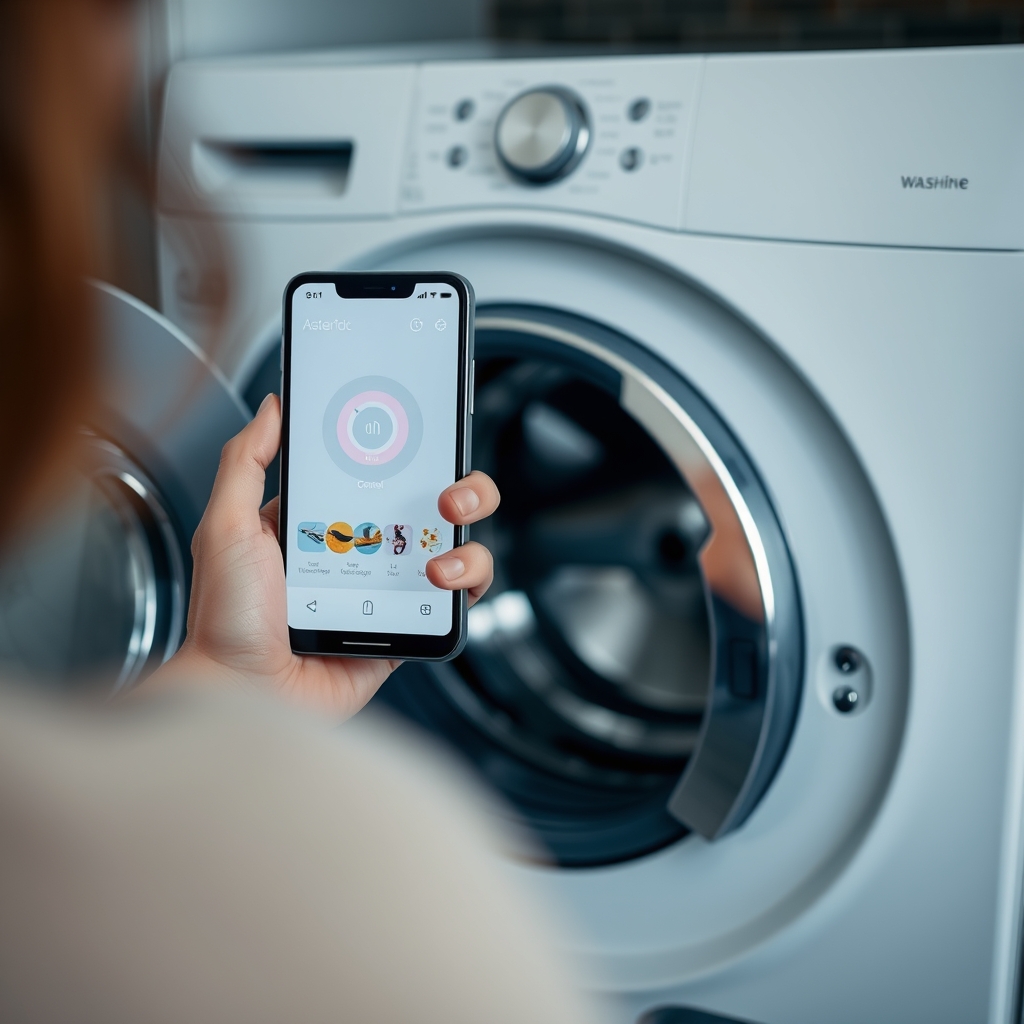
Think of it like having a personal energy manager living inside your appliances. If your AI-enabled washing machine knows your typical laundry cycle happens on Saturday mornings, but it also knows that the local energy grid is under heavy strain—or that electricity prices are at their peak—during those hours, it might suggest a delay or automatically shift to a more efficient cycle. It is not just about turning things off; it is about managing when and how they function to minimize their environmental and financial impact.
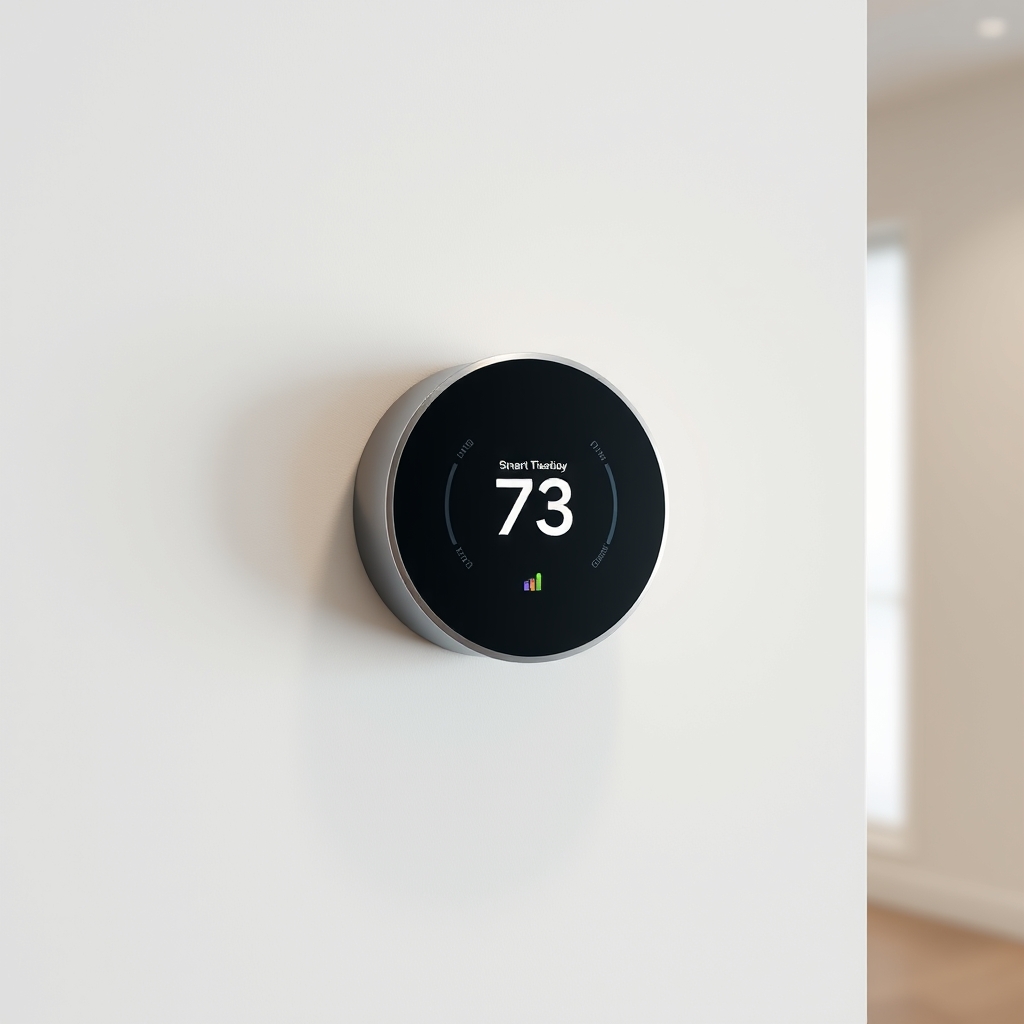
The HVAC System: The Home’s Energy Anchor
Your heating, ventilation, and air conditioning (HVAC) system is likely the biggest consumer of electricity in your home. It is also the most prone to waste. Traditional thermostats are binary: they turn on when the temperature hits a certain point and turn off when the goal is reached. This is an inefficient way to maintain a comfortable environment for a family.
AI-managed thermostats, such as the latest generation of learning thermostats, use occupancy sensors and geofencing. Geofencing uses your smartphone’s location to detect when the house is empty. If everyone has left for school and work, the system automatically enters an “Eco” mode. But the AI goes deeper; it learns the thermal properties of your home. It knows that your living room takes forty minutes to cool down in the afternoon sun, so it adjusts the cooling cycle preemptively, rather than waiting for the room to become uncomfortably hot and then blasting the system at full power.
This “pre-emptive cooling” is much more efficient than “reactive cooling.” By running the compressor at a lower, steadier speed, you reduce the mechanical wear and tear and avoid the massive energy draw that occurs every time a system kicks into high gear.
Laundry and Dishwashers: The Hidden Energy Thieves
We often think of appliances as static boxes, but they are actually dynamic systems. A modern AI-managed dishwasher uses turbidity sensors to measure how dirty the water is. If the load is light, it uses less water and lower heat. While this sounds minor, when you multiply it by 365 days of family life, the water and energy savings become significant.
The real magic happens when these appliances communicate with the smart grid. Many utility providers now offer “Time-of-Use” (TOU) pricing. This means electricity costs different amounts depending on the time of day. An AI-enabled appliance can connect to your utility’s API (an interface that allows software to talk to each other) to determine the cheapest time to run a cycle. You load the machine, set it to “Auto-Optimization,” and the appliance waits until 2:00 AM—when demand is low and the grid is likely using more renewable energy sources—to run the cycle.
| Feature | Traditional Appliance | AI-Managed Appliance |
|---|---|---|
| Scheduling | Manual/Timer-based | Predictive/Grid-aware |
| Efficiency | Fixed cycles | Adaptive based on load/soil |
| Maintenance | Reactive (wait for failure) | Proactive (detects anomalies) |
| Integration | Standalone | Connected Ecosystem |
Data-Driven Insights and Anomaly Detection
One of the most frustrating aspects of home maintenance is not knowing when something is about to break. We usually wait for the refrigerator to stop cooling or the dryer to stop spinning before we call a technician. AI changes this through predictive maintenance.
By monitoring the electrical signature of your appliances, AI systems can detect subtle changes in power consumption that indicate a part is failing. For instance, if your refrigerator’s compressor starts drawing 10% more power than usual, the system can send an alert to your phone. This gives you the chance to clean the coils or call a repair person before the motor burns out completely or the food spoils. This saves money on emergency repairs and prevents the massive energy spike caused by a struggling appliance.
Building a Connected Ecosystem
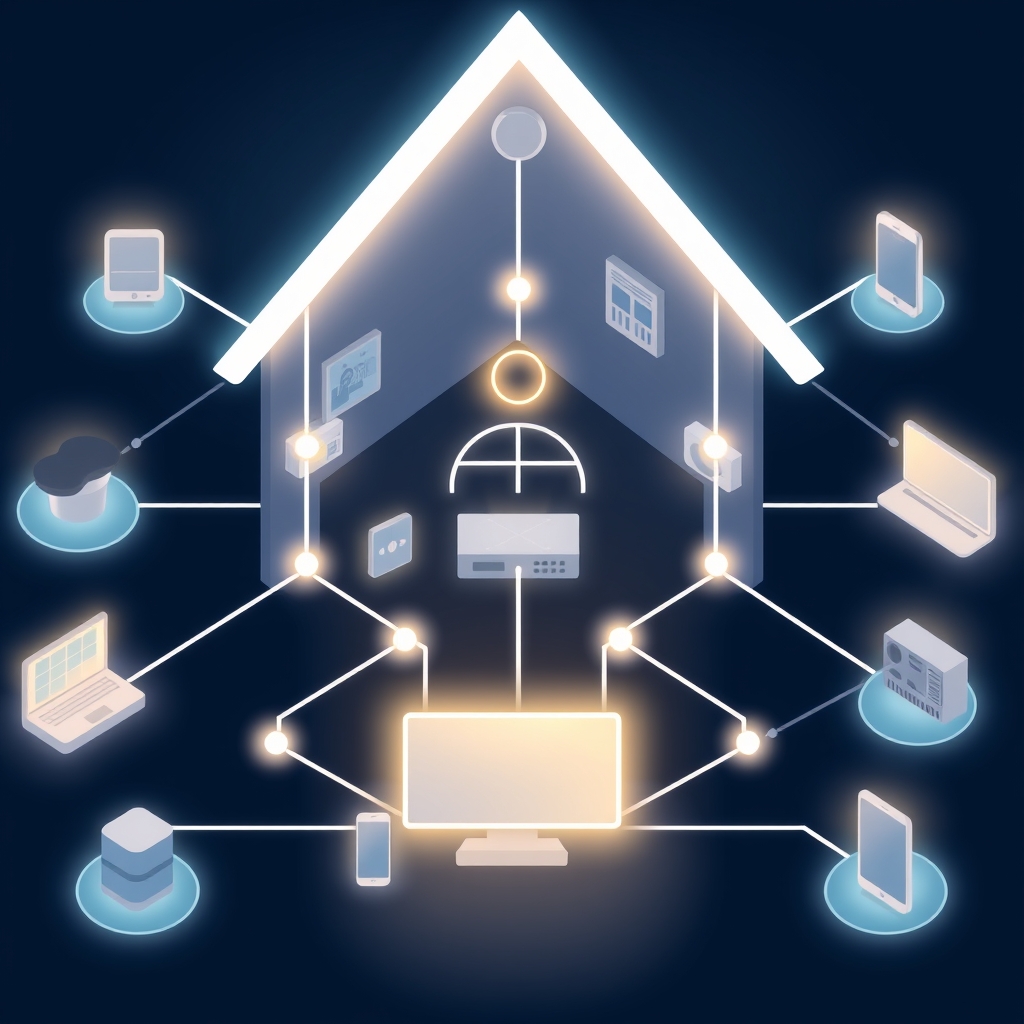
Individual appliances are great, but the real power lies in the ecosystem. When your smart window blinds, AI thermostat, and lighting system communicate, they create a symbiotic environment. On a hot summer day, the AI might detect that the sun is hitting your south-facing windows. Instead of just turning the AC higher, it automatically closes the smart blinds to block the heat gain. This reduces the load on your AC significantly.
This level of orchestration is what separates a truly energy-efficient home from one that just has “gadgets.” It requires a central hub—either a dedicated smart home controller or an integrated ecosystem like those offered by major tech platforms—that allows these devices to share data. While this may sound complicated, most modern systems are designed for “plug-and-play” installation, allowing you to build your network room by room.
The Human Factor: Balancing Technology and Privacy
As we integrate more AI into our homes, we must address the elephant in the room: privacy and data usage. AI appliances require data to function—when you are home, how often you run the dishwasher, and your temperature preferences. Most manufacturers now provide granular control over what data is shared and how it is used.
For a busy parent, the trade-off is usually clear: you are exchanging a small amount of non-sensitive usage data for significant convenience and cost savings. However, it is important to always check the privacy settings of your devices. Ensure that your smart home hub is secured with two-factor authentication and that you are not sharing more data than is necessary for the device to function. Being a “smart” homeowner also means being a secure one.
Common Hurdles and How to Overcome Them
You might be thinking, “This sounds expensive.” It is true that AI-enabled appliances often carry a premium price tag. However, consider the total cost of ownership. A high-efficiency AI refrigerator might cost more upfront, but if it lasts two years longer than a standard model and uses 20% less energy, it often pays for itself within five years. Furthermore, many local utility companies offer rebates for upgrading to “Energy Star” or smart-enabled appliances. Always check your local utility website before making a purchase.
Another hurdle is the learning curve. If you have a partner or children who are not “tech-savvy,” the system should be designed to be invisible. The best AI is the one you do not have to think about. When installing these systems, prioritize devices that allow for manual override. If someone wants to change the temperature or run a cycle immediately, the system should never lock them out. It should be a helper, not a dictator.
Looking Ahead: The Future of Energy Management
We are rapidly approaching a time when our homes will act like mini-power plants. With the rise of home battery storage and solar panels, AI will soon be managing not just your consumption, but your production. Imagine your car parked in the garage, plugged into a bidirectional charger. The AI determines that the grid is currently expensive, so it pulls power from your car’s battery to run your house. Then, at 3:00 AM when electricity is cheap, it refills your car battery. This is the future of the decentralized energy grid, and it starts with the appliances you buy today.
As you look to upgrade your home, focus on interoperability. Look for devices that support open standards like Matter, which ensures that devices from different manufacturers can talk to each other. This prevents you from being locked into a single ecosystem and ensures that your investment remains relevant as technology evolves.
Ultimately, optimizing your home energy footprint is a journey of small, incremental changes. You do not need to replace every appliance overnight. Start with the “big hitters”—your thermostat and your main lighting—and expand as your budget and needs allow. By letting AI take over the heavy lifting of efficiency, you free up your mental bandwidth for the things that actually matter: your family, your work, and your time.
Frequently Asked Questions
1. Will AI appliances actually save me money on my monthly bill?
Yes, in most cases. By shifting energy-intensive tasks to off-peak hours and optimizing the performance of devices like HVAC systems, most households see a noticeable reduction in their utility bills. The exact amount depends on your local energy rates and how much you automate.
2. What if I am not tech-savvy; are these systems difficult to use?
Modern AI appliances are designed for ease of use. Once the initial setup is complete—which is often handled through a guided smartphone app—the system operates in the background. You rarely need to interact with the “AI” part of the machine; it simply works more efficiently on its own.
3. Is it safe to connect all my appliances to the internet?
Security is a valid concern. To stay safe, ensure that all your smart devices are on a password-protected Wi-Fi network, keep your device firmware updated, and use two-factor authentication for any accounts connected to your home appliances. Always purchase from reputable manufacturers that prioritize security updates.
For more information on energy efficiency standards, visit the Energy Star official website or consult your local utility provider’s energy-saving programs.