- Verticality is your best friend: When floor space is limited, use walls, railings, and hanging systems to maximize your planting area.
- Start with the right crops: Focus on high-yield, fast-growing plants like herbs, salad greens, and cherry tomatoes to keep children engaged and ensure early success.
- Involve the kids: Gardening is a sensory-rich educational tool that teaches patience, responsibility, and the science of biology outside of a classroom setting.
You don’t need a sprawling backyard or a suburban plot to teach your children about the miracle of growth; a sunny windowsill or a postage-stamp-sized balcony is more than enough to cultivate a thriving urban garden. Many of us living in city apartments feel disconnected from the natural cycle of life, but bringing plants into our living space does more than just improve air quality—it provides a grounding, hands-on project that keeps the whole family engaged. If you are tired of the endless cycle of screen time and want a hobby that actually produces something tangible, urban gardening is the ultimate low-cost, high-reward family activity.
The beauty of small-space gardening lies in its simplicity. It forces you to be intentional about what you grow, which, ironically, often leads to better results than having a massive, unmanaged garden. Let’s break down how to turn your limited space into a green sanctuary without turning your home into a muddy mess.
Assessing Your Micro-Climate: Where Does the Sun Go?
Before you rush out to buy seeds and soil, you need to understand the personality of your space. Plants are essentially solar-powered machines, and if you don’t give them their preferred energy source, they will quit on you. In an urban environment, “light” is a fickle resource. You might have a south-facing window that bakes in the afternoon, or a north-facing balcony that stays in permanent shadow. Neither is inherently “bad,” but they require different strategies.
Start by observing your space over a weekend. Where does the sun hit at 9:00 AM? Where is it at 3:00 PM? Most vegetables, especially those that produce fruit like peppers or tomatoes, need at least six to eight hours of direct sunlight. If you have less than that, don’t despair. Leafy greens like kale, spinach, and arugula are surprisingly happy in partial shade. Herbs like mint and parsley are also generally more forgiving than their fruiting cousins.
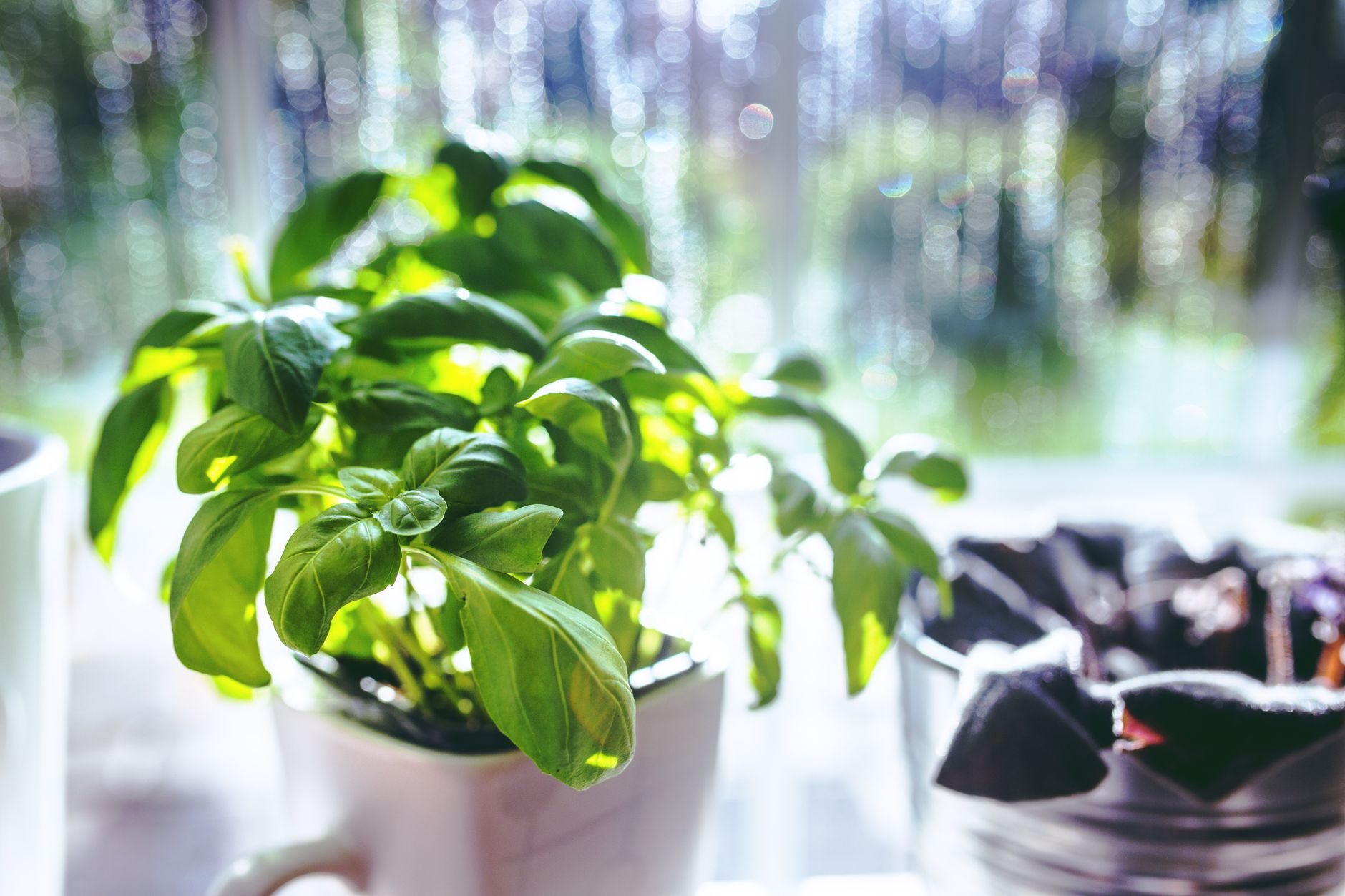
Another factor is wind. If you are on a high floor, the wind can be brutal. It doesn’t just dry out your pots; it can snap tender stems. If your balcony is prone to gusts, you’ll need sturdier containers—think heavy ceramic or plastic rather than lightweight resin—and perhaps a small windbreak, like a bamboo screen or even a strategically placed row of hardier, bushier plants to protect the more delicate ones.
The Physics of Small-Space Gardening: Going Vertical
When you run out of floor space, the only way is up. This is where the “urban” part of urban gardening becomes a design challenge. Vertical gardening is not just a trend; it is a necessity for anyone living in a high-density area. You can use hanging shoe organizers (the fabric ones work well for herbs), ladder shelves, or wall-mounted trellis systems.
When going vertical, keep weight distribution in mind. A pot full of wet soil is significantly heavier than an empty one. Ensure your wall mounts or railings can handle the load. If you are renting, look for “over-the-rail” planters or tension-rod shelving systems that don’t require drilling holes into your landlord’s walls. These are surprisingly stable and can turn a dull metal railing into a cascading wall of greenery.
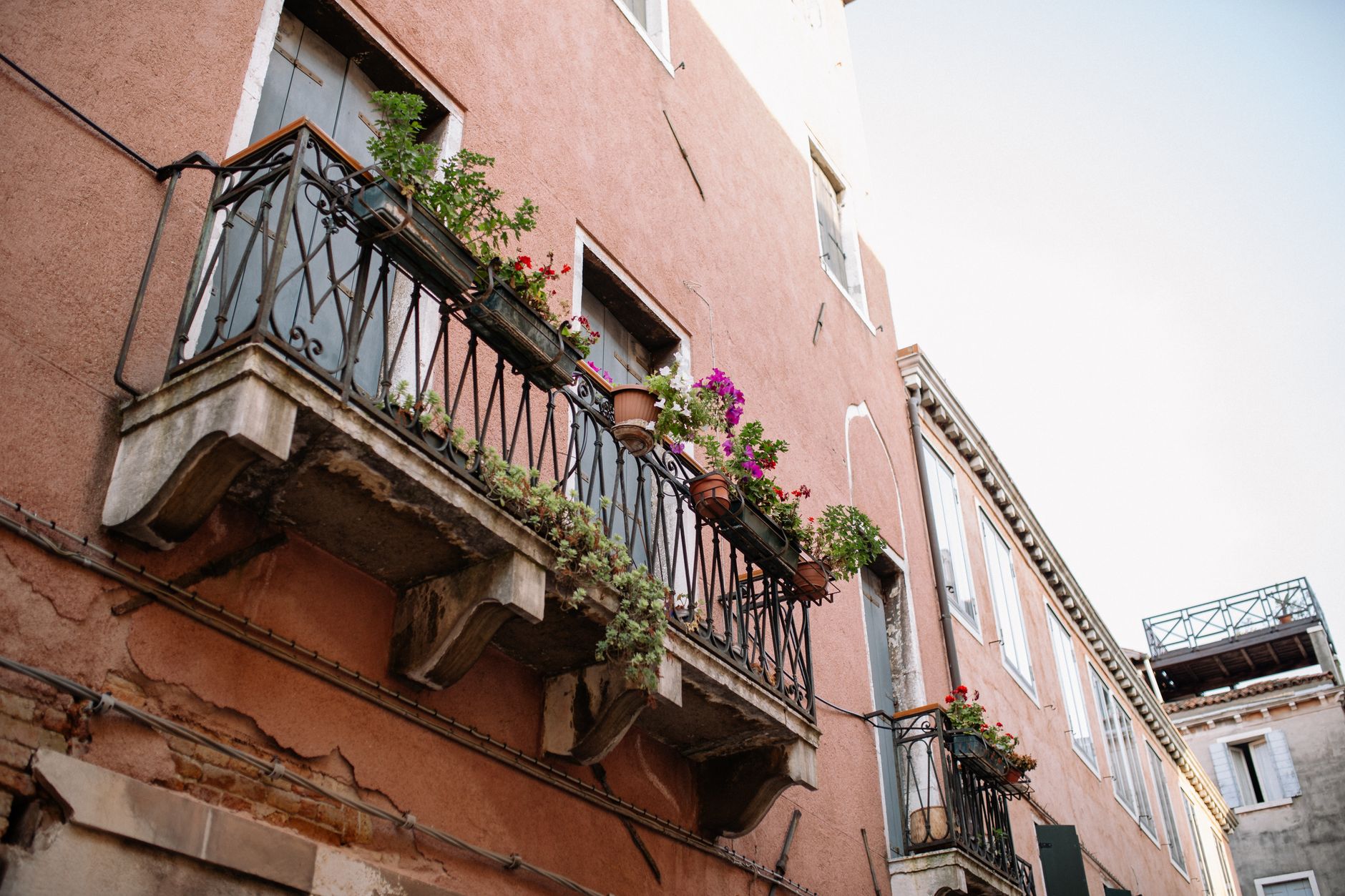
Think about the “reach” factor for your kids as well. If you have a vertical setup, put the plants they are responsible for at their eye level. If a child has to stand on a stool to see their plant, they are less likely to check on it daily. Empowerment comes from accessibility. If they can touch the soil and feel the leaves, they will be much more invested in the outcome.
Choosing the Right Equipment: Don’t Overspend
One of the most common mistakes beginners make is buying expensive, specialized gardening equipment. You don’t need a $50 fancy self-watering pot to grow basil. You need a container with drainage holes, decent potting mix, and seeds. In fact, many household items can be repurposed. Old plastic yogurt containers, coffee tins, or wooden crates can be easily converted into planters with a few holes drilled in the bottom.
However, there is a distinction between “dirt” and “potting mix.” Never use garden soil from a park or a bag of cheap “topsoil” in containers. It is too dense, will compact over time, and will likely harbor pests or diseases that won’t have natural predators in a balcony environment. Invest in a high-quality, lightweight potting mix designed for containers. It contains peat moss, coconut coir, or perlite—materials that ensure the soil stays airy, allowing roots to breathe and water to drain properly.
| Plant Type | Light Requirement | Container Size | Best For |
|---|---|---|---|
| Leafy Greens (Lettuce, Spinach) | Partial Shade | Shallow (6-8 inches) | Quick harvests, kids |
| Herbs (Basil, Mint) | Full Sun/Partial | Medium (8-10 inches) | Daily cooking |
| Cherry Tomatoes | Full Sun | Deep (12+ inches) | High yield, snacks |
| Radishes | Full Sun | Shallow (6 inches) | Fastest growth (30 days) |
The Parenting Angle: Gardening as a Laboratory
Why bother with the mess of soil in an apartment? Because gardening is a masterclass in delayed gratification. In our world of instant streaming and next-day delivery, children rarely see the process behind the products they consume. Gardening teaches them that everything—from a strawberry to a salad leaf—takes time, care, and the right environment.
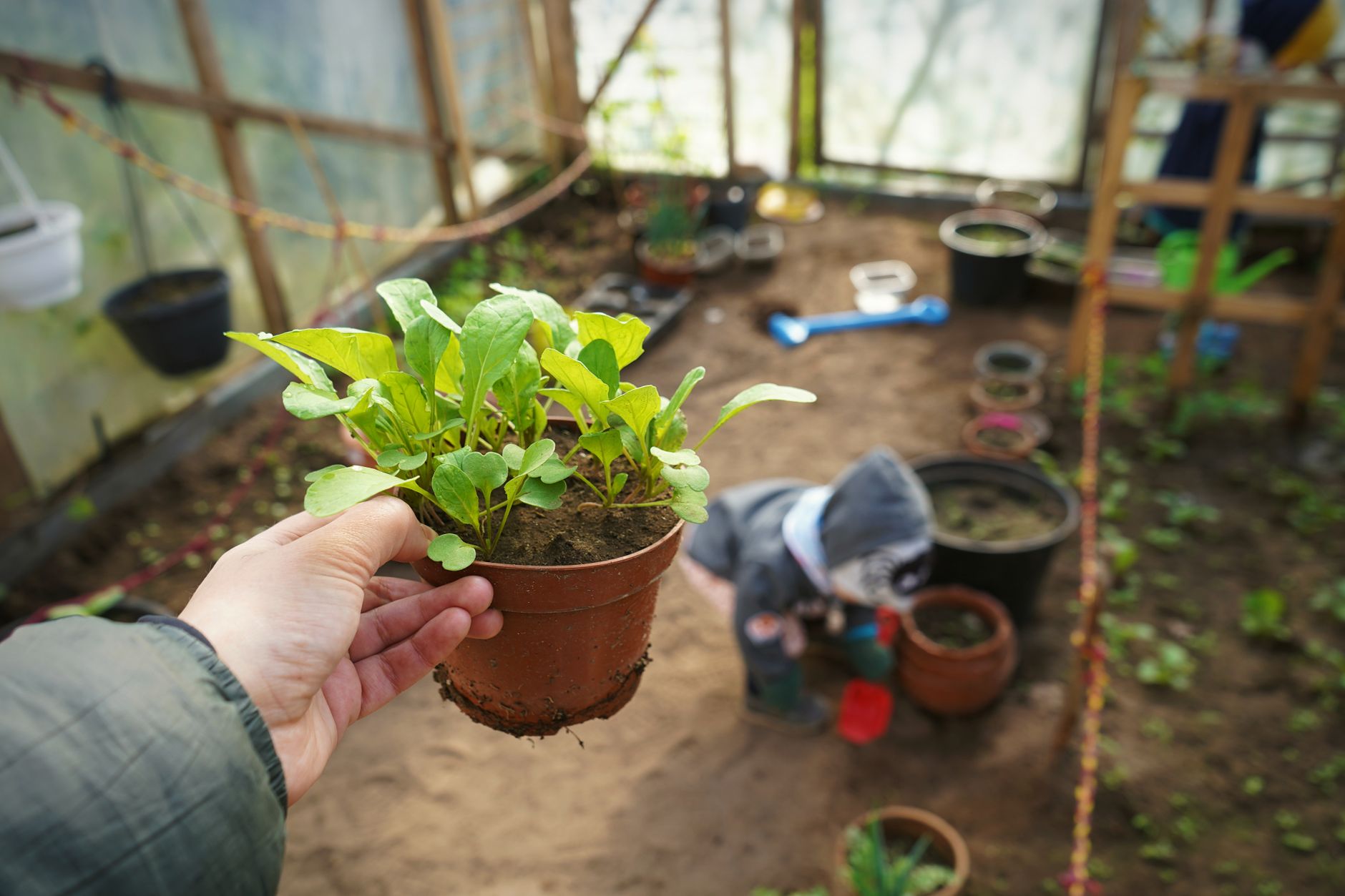
When involving kids, embrace the mess. If you are worried about soil on your floor, lay down a plastic tarp or do the potting work in the bathtub. Let them get their hands dirty. When they see a plant die because it didn’t get enough water, it’s not a failure; it’s a data point. Ask them, “Why do you think it looks droopy?” This shifts the focus from “I killed the plant” to “The plant needed something we didn’t provide.” It turns a chore into a scientific investigation.
Also, involve them in the “harvest” phase. There is a psychological phenomenon where people are more likely to eat vegetables they have grown themselves. If your child refuses to touch a salad, try growing a variety of lettuce or snap peas with them. The pride of saying, “I grew this,” is often enough to overcome the usual vegetable aversion.
Common Pitfalls and How to Avoid Them
The most common killer of balcony gardens isn’t a lack of “green thumb”; it’s overwatering. People get nervous that their plants are thirsty, so they water them every single day. In a container, this can lead to root rot—the plant essentially drowns. The rule of thumb is simple: stick your finger an inch into the soil. If it feels damp, wait. If it feels dry, water it. It’s that basic.
Another issue is fertilizer. Unlike plants in the ground, which can stretch their roots to find nutrients, your container plants are limited to what you give them. After a few weeks, the nutrients in the potting mix will be depleted. Use a gentle, liquid organic fertilizer once or twice a month during the growing season. Think of it as a vitamin supplement rather than a heavy meal.
Finally, watch out for pests. Even on a 10th-floor balcony, aphids can find your plants. Check the undersides of leaves regularly. If you see tiny bugs, a simple spray of water mixed with a drop of mild dish soap is often enough to deter them. There is no need for heavy-duty chemical pesticides, especially when your kids are playing in the same space.
Integrating Gardening into Your Routine
If you treat gardening as a separate, heavy-duty chore, you will eventually stop doing it. The key is to integrate it into your existing routines. Water your plants while you wait for the coffee to brew in the morning. Inspect the leaves while the kids are brushing their teeth. Keep your watering can near the sink or the balcony door, not hidden away in a closet. The easier it is to access, the more likely you are to do it.
When the season turns and it gets colder, don’t feel guilty about letting the garden go dormant. Urban gardening is seasonal. You can switch to indoor houseplants in the winter or start seeds under a simple grow light. The goal isn’t to be a professional farmer; it’s to maintain a connection with nature that fits into your life as a working parent.
Sustainability and the Urban Ecosystem
While a few pots on a balcony won’t solve global food insecurity, they do contribute to the local ecosystem. Pollinators like bees and butterflies are often starving in concrete-heavy cities. By planting flowers alongside your vegetables, you are creating a “pollinator corridor.” Even a small window box of marigolds or lavender can be a vital pitstop for a tired bee. It’s a small, tangible way to teach your children about biodiversity and our role in supporting it, even from a high-rise.
Moreover, growing your own herbs reduces the amount of plastic packaging you bring home from the grocery store. It’s a tiny step, but it’s part of a broader lifestyle shift toward being more conscious consumers. When your child picks a sprig of mint for their lemonade, they aren’t just getting an ingredient; they are witnessing the elimination of a supply chain. That is a powerful lesson in sustainability.
Summary and Final Thoughts
Urban gardening is not about perfection; it’s about participation. It’s about taking a small corner of your life and deciding that something green and living belongs there. By choosing the right plants for your specific light conditions, using vertical space effectively, and involving your children in the process, you can create a productive, educational, and calming space that defies the limitations of city living.
Remember: start small. Don’t try to turn your balcony into a jungle in one weekend. Start with a pot of herbs or a tray of radishes. If they thrive, add more. If they struggle, learn from it and try something else next season. The goal is to cultivate a habit of curiosity and care, both for the plants and for the people you are raising.
For further reading on urban agricultural practices and plant care, you can consult resources from the Royal Horticultural Society or local university extension offices which provide excellent, region-specific advice on container gardening.
Frequently Asked Questions
1. Can I really grow enough food to make a difference in a small space?
While you likely won’t be fully self-sufficient, you can certainly supplement your kitchen with fresh herbs, salad greens, and seasonal snacks. The real value is in the educational experience and the quality of produce you can’t easily find in stores, like heirloom varieties or specific herbs.
2. What if I live in a place with very little natural light?
You can supplement low light with inexpensive LED grow lights. Many modern grow lights are sleek, energy-efficient, and can be clipped onto shelves or tucked into bookcases, allowing you to grow herbs or leafy greens even in the darkest corners of an apartment.
3. Is it safe to grow food in city air?
Generally, yes. Studies show that most urban pollutants do not accumulate in the edible parts of plants in significant amounts. However, if you live right next to a busy highway, it is a good practice to wash your produce thoroughly before eating it, just as you would with store-bought vegetables.