The secret to successful family adventure travel isn’t about finding the most extreme peaks or the fastest rapids; it is about choosing activities that match your child’s developmental stage while prioritizing fundamental safety protocols. When you shift your perspective from “conquering” a destination to “exploring” it at a manageable pace, you transform potentially stressful outings into lasting memories that actually build your children’s confidence.
- Start Local: Test new outdoor activities in familiar environments before committing to expensive travel itineraries.
- Prioritize Safety Gear: Never compromise on quality when it comes to helmets, life jackets, and weather-appropriate clothing.
- Focus on Engagement, Not Performance: The goal is to cultivate a love for the outdoors, not to achieve athletic milestones.
If you are in your 30s or 40s, you likely remember a childhood where “going outside” simply meant being sent out of the house until the streetlights came on. Today, the landscape of parenting is different. We are more conscious of safety, more reliant on technology, and arguably more exhausted by the daily grind. Yet, the itch to get out of the city and into the wild remains. The challenge is bridge-building: how do we introduce our kids to mountain biking, kayaking, or rock climbing without turning a weekend getaway into a logistical nightmare or, worse, a safety hazard?
The Psychology of “Micro-Adventures”
Before you book that flight to a remote national park, consider the philosophy of the “micro-adventure.” Popularized by explorers like Alastair Humphreys, this concept suggests that adventure is not defined by the distance you travel, but by the spirit of the experience. For families, this is a game-changer. It allows you to introduce outdoor sports in a controlled environment where the “exit strategy” is simple: if the kid gets tired, hungry, or scared, you can be home in twenty minutes.
Think of it as a pilot project. Before you spend a week in the Alps, spend a Saturday on a local trail. Before you take them white-water rafting, spend an afternoon at a local lake renting stand-up paddleboards. This approach serves two purposes: it builds the child’s comfort level and helps you, as a parent, identify gaps in your own preparation. Do you have the right gear? Do you understand the local terrain? Is your patience level actually as high as you thought it was?
Assessing Risk vs. Perceived Risk
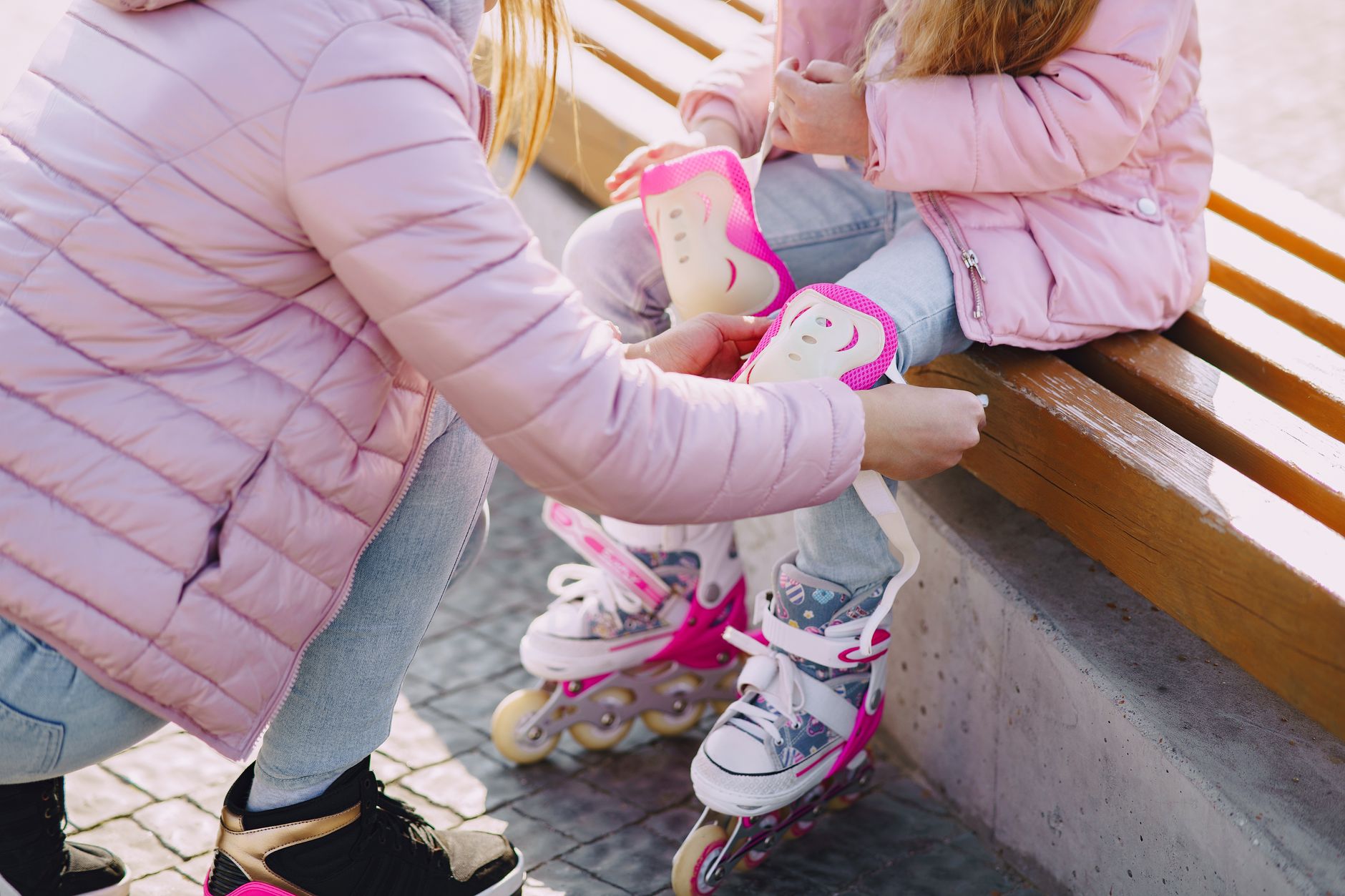
One of the most important lessons in outdoor parenting is learning the difference between genuine danger and perceived risk. A child scrambling over a boulder might look terrifying to an anxious parent, but if the height is low and the surface is stable, the risk is minimal. This “managed risk” is actually vital for child development. It teaches them spatial awareness, problem-solving, and self-regulation.
However, you must be rigorous about the actual dangers. Water sports, high-altitude hiking, and cycling all carry inherent risks that require more than just “keeping an eye on them.” It requires a systematic approach to preparation. We often focus on the fun aspect—buying the gear, choosing the route—but we ignore the boring stuff: the emergency protocols, the weather monitoring, and the physical limits of our children.
| Sport | Common Risk | Safety Mitigation |
|---|---|---|
| Cycling | Falls/Collisions | Properly fitted helmet, knee/elbow pads, off-road practice. |
| Hiking | Dehydration/Getting lost | Offline maps, ample water, “stay together” rule. |
| Kayaking | Capsizing/Hypothermia | Coast Guard-approved PFDs, stay in shallow zones. |
The Gear Trap: Don’t Overbuy, But Do Upgrade
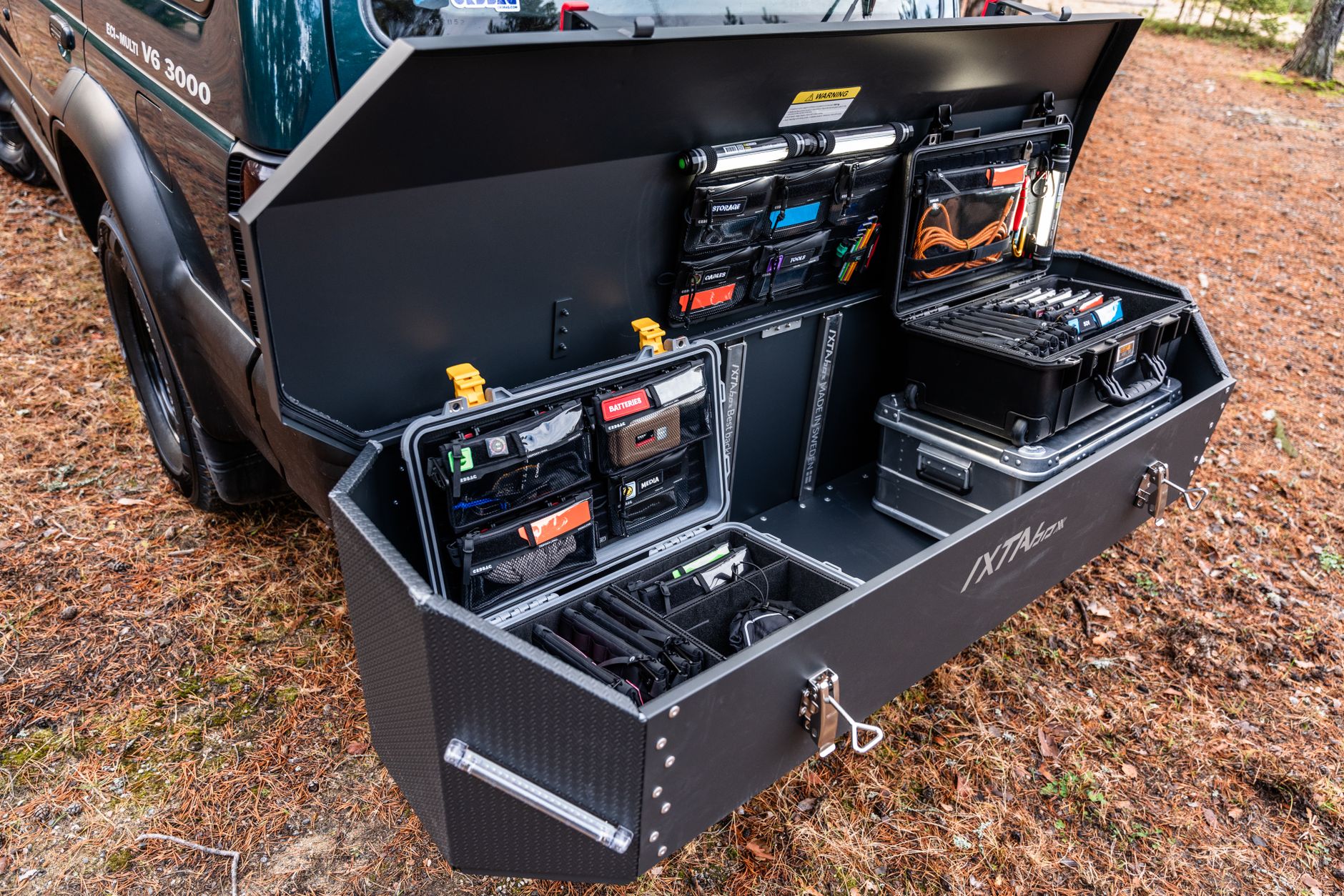
There is a pervasive marketing trend that suggests you need top-tier, professional-grade equipment to enjoy the outdoors. This is rarely true, especially for children who outgrow gear at a frantic pace. However, there is a distinct difference between “expensive” and “functional.”
When it comes to safety equipment, don’t bargain hunt. A cheap, poorly fitting bike helmet offers a false sense of security. A life jacket that rides up to a child’s ears when they hit the water is useless. When you are buying gear, look for certifications (like CPSC for helmets or UL/CE for life jackets). Everything else—the hiking boots, the moisture-wicking shirts, the backpacks—can be sourced second-hand or from budget-friendly retailers.
Building Physical and Mental Stamina
In our daily lives, we often protect our children from discomfort. We climate-control our homes, we drive them to school, and we minimize physical exertion. Adventure travel flips this dynamic. Suddenly, there is no AC, the terrain is uneven, and the walk to the summit is long. This can be a shock to the system.
To prepare, integrate “active recovery” into your weekly schedule. This doesn’t mean forcing them into boot camp. It means making movement a part of the family culture. Walk to the library instead of driving. Take the stairs. Spend a Sunday morning in a local park where they can run, climb, and fall (safely). By the time you head out for a real adventure, their bodies will be conditioned to handle the change in activity level, and their minds will be better prepared for the minor frustrations that come with being outdoors.
Managing the “I’m Bored” and “I’m Tired” Moments
Even with the best planning, your child will eventually hit a wall. In the middle of a trail or in the middle of a lake, you cannot simply “quit.” This is where your role as a parent transitions from guide to facilitator. The key is to have a “distraction toolkit.”
For hiking, this might be a scavenger hunt checklist (find a red leaf, a smooth rock, a bird feather). For cycling, it might be a game of “I spy” or stopping for a pre-planned high-energy snack. The goal is to keep their brain occupied while their body continues to move. It’s also vital to monitor your own energy levels. Often, when a parent is frustrated, the child picks up on that stress immediately. If you need a break, take one. It teaches your children that it is okay to pause and re-evaluate.
Environmental Stewardship: Teaching Respect for the Wild
Part of introducing outdoor sports is teaching the ethics of the outdoors. “Leave No Trace” is not just a slogan; it is the baseline for all adventure travel. Take the time to explain why we don’t pick the wildflowers, why we stay on the marked trails, and why we carry out every single piece of trash we bring in.
This creates a sense of responsibility. When children feel like they are “guardians” of the trail, they are more engaged. It changes the experience from a passive consumption of the outdoors into an active participation with nature. This is the foundation for a lifelong appreciation of the environment.
When to Hire a Professional
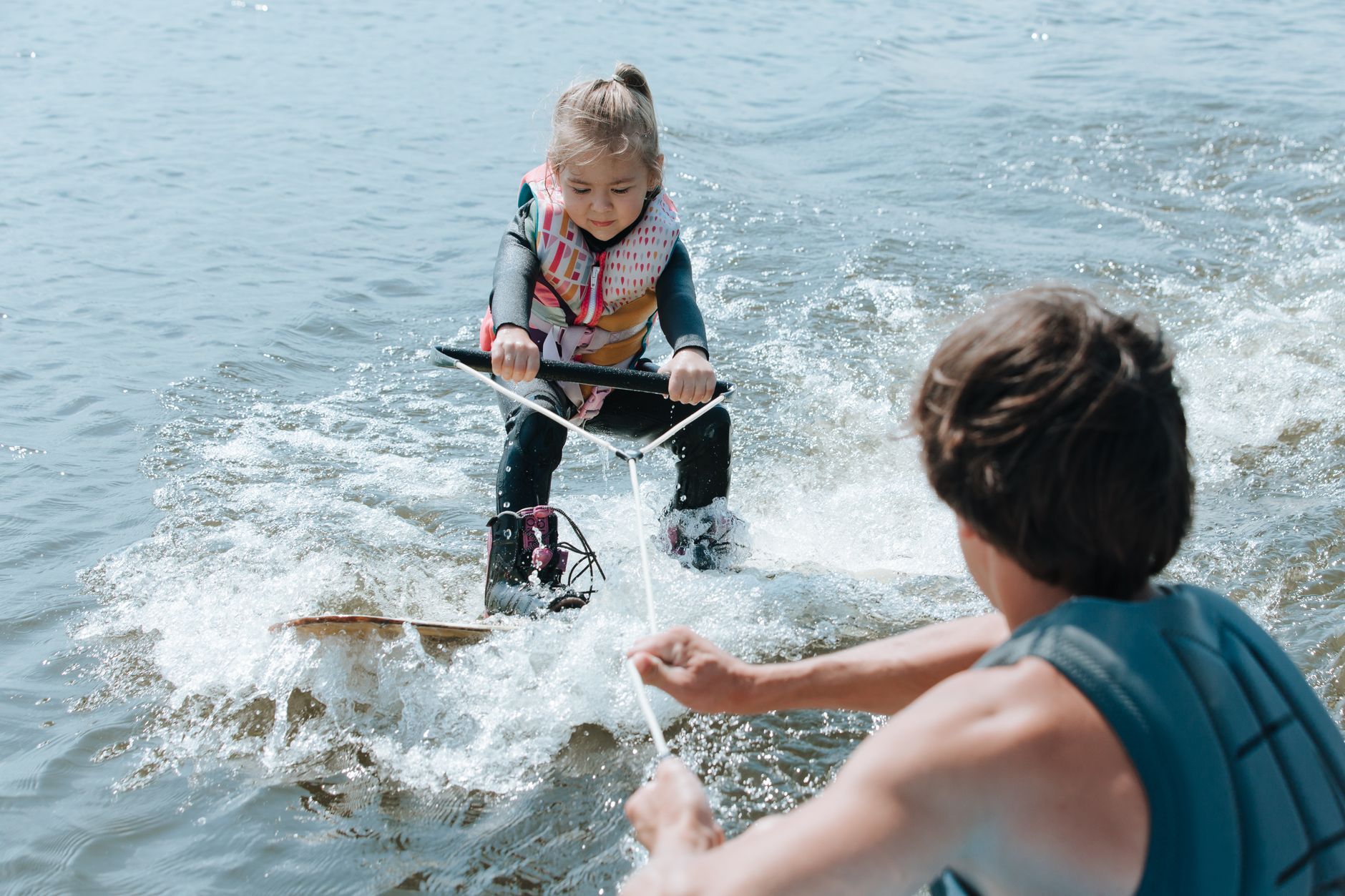
There is no shame in hiring a guide. In fact, for certain sports, it is the most responsible choice. If you want to introduce your children to rock climbing or white-water kayaking, do not attempt to “teach” them yourself unless you are a certified expert. The technical nuances of knots, rope management, and current reading are far too complex to learn from a YouTube video.
Hiring a guide for a day provides two things: safety and education. They will teach your children the proper techniques from the very beginning, which prevents the development of bad habits. Plus, children often listen to a professional instructor much more readily than they listen to their own parents. It’s a classic parenting paradox, but it works.
The Long-Term View: From Toddlers to Teens
Your strategy will need to evolve as your children grow. What works for a six-year-old—short loops, frequent snack breaks, and gamified challenges—will look very different for a teenager. By the time they reach their teens, the goal should be to involve them in the planning process.
Let them research the trail, let them check the weather forecast, and let them help pack the first aid kit. When they are involved in the “why” and the “how,” they are significantly more invested in the “what.” This transition from being a passenger to being a co-pilot is what eventually leads to them planning their own adventures.
Summary and Cautions
Adventure travel with a family is not about perfection. It is about patience, preparation, and the willingness to pivot when things don’t go according to plan. You will have days where the weather turns sour, the kids are grumpy, and the trail is longer than the map suggested. These are not failures; they are the reality of outdoor life.
Always prioritize safety over the itinerary. If the conditions are questionable, turn back. If the child is truly exhausted, cut the day short. The mountains, the rivers, and the forests will be there next year. By focusing on the experience rather than the objective, you ensure that your children will want to come back for another adventure.
Frequently Asked Questions
Q: At what age can I start taking my child on adventure trips?
A: You can start at any age, provided you adapt the activity to their physical development. Infants can join in hiking via carriers, while toddlers can begin short, flat nature walks. High-intensity sports like mountain biking or climbing are better introduced once the child has developed sufficient coordination and maturity, usually around 7 to 10 years old.
Q: How do I know if an outdoor guide is reputable?
A: Look for certifications from recognized national organizations (such as the American Mountain Guides Association or equivalent in your country). Check for recent reviews, ask about their experience specifically with children, and verify their insurance and emergency protocols before booking.
Q: What is the most important item in my family first aid kit?
A: Aside from standard bandages and antiseptics, the most important items are those that address common minor issues: blister pads, extra hydration tablets, a high-quality sunscreen, and a way to signal for help (like a whistle or a satellite messenger if you are heading into remote areas).
For further reading on outdoor safety and Leave No Trace principles, consult official resources:
Leave No Trace Center for Outdoor Ethics
National Park Service – Safety Tips